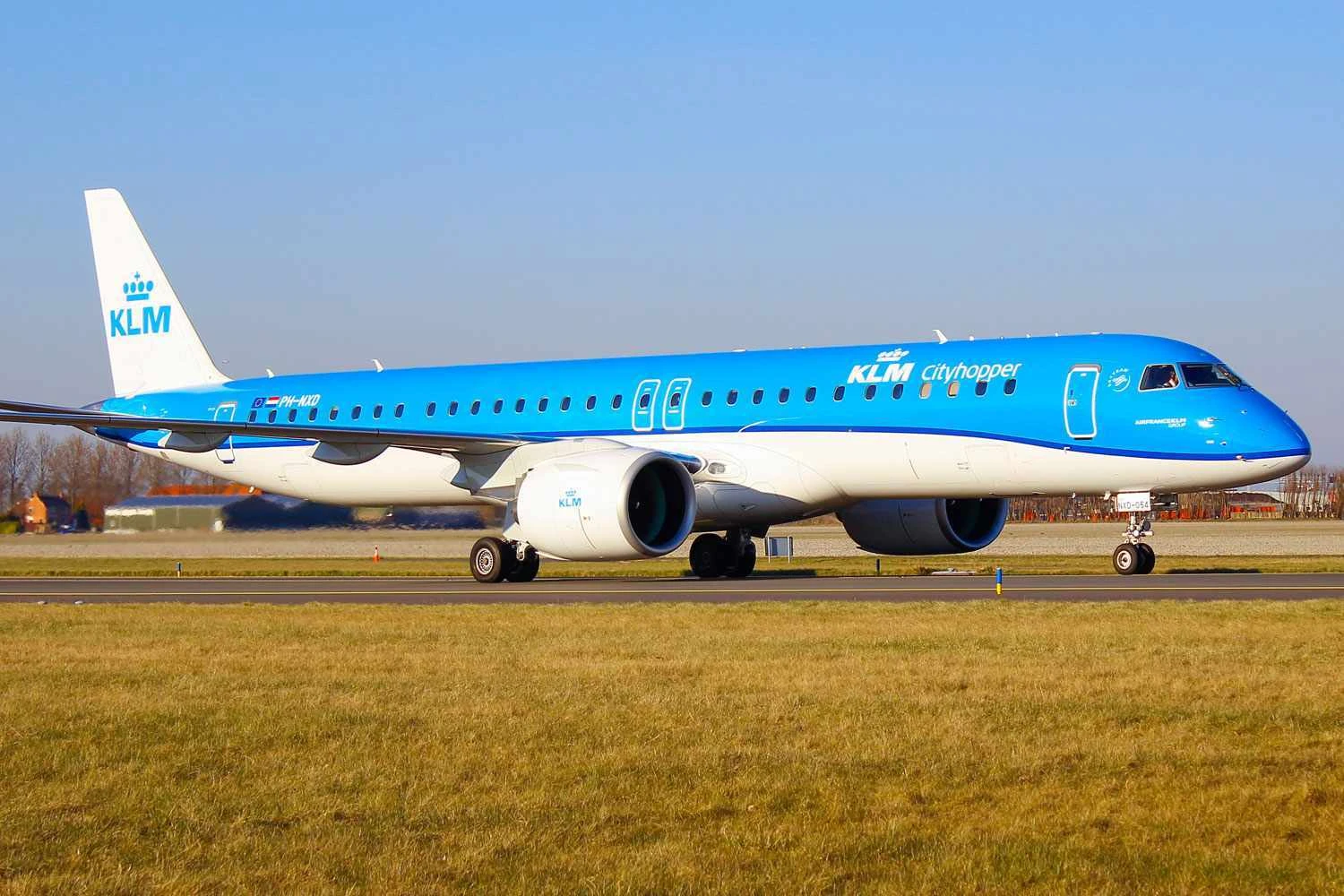
KLM Cityhopper is evaluating a new order for 25 regional jets, with Embraer and Airbus competing to supply either the E2 family or the A220, according to an interview with its managing director Maarten Koopmans published by Valor newspaper.
Koopmans said the airline is reviewing its options and expects to reach a decision by the end of the year. The new aircraft would replace part of the current fleet of first-generation Embraer jets, particularly the E190.
KLM Cityhopper currently operates an all-Embraer fleet of 61 aircraft, including 25 E195-E2s, 19 E190s and 17 E175s. The outcome of the competition could determine whether the carrier maintains that single-manufacturer strategy.
Related news
September 21, 2026
The airline had introduced the E195-E2 since 2021, but the aircraft are operated under leasing agreements rather than direct orders placed with Embraer. The final jet from the initial batch entered service by the end of 2025, and the company is now reassessing its next step before committing to additional aircraft.
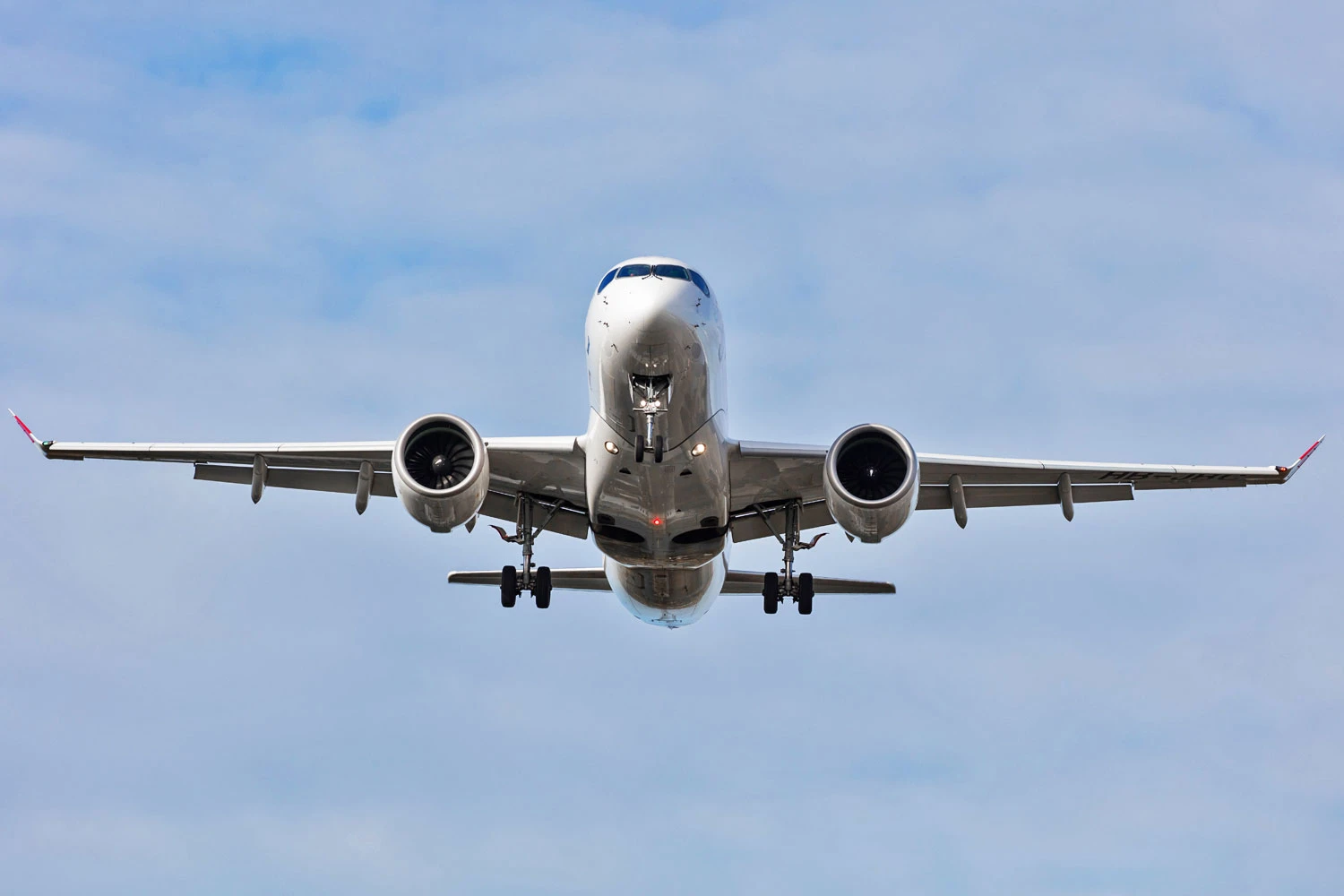
The replacement focus on the E190 is significant because of the gap in capacity between models. The current E190 seats around 100 passengers, compared with about 136 on the E195-E2 and roughly 148 on the Airbus A220-300 operated by its partner, Air France. This suggests that smaller variants such as the E190-E2 or the A220-100 could be considered, although both have seen more limited demand than their larger counterparts.
Recent news
September 21, 2026
September 21, 2026
September 21, 2026
Both aircraft families are powered by Pratt & Whitney geared turbofan engines — the PW1900G on the E2 and the PW1500G on the A220 — which have been affected by a broad inspection and repair campaign that has disrupted availability and deliveries. Embraer has argued that its aircraft benefits from a lighter design, which reduces stress on the engines and contributes to improved reliability in service.
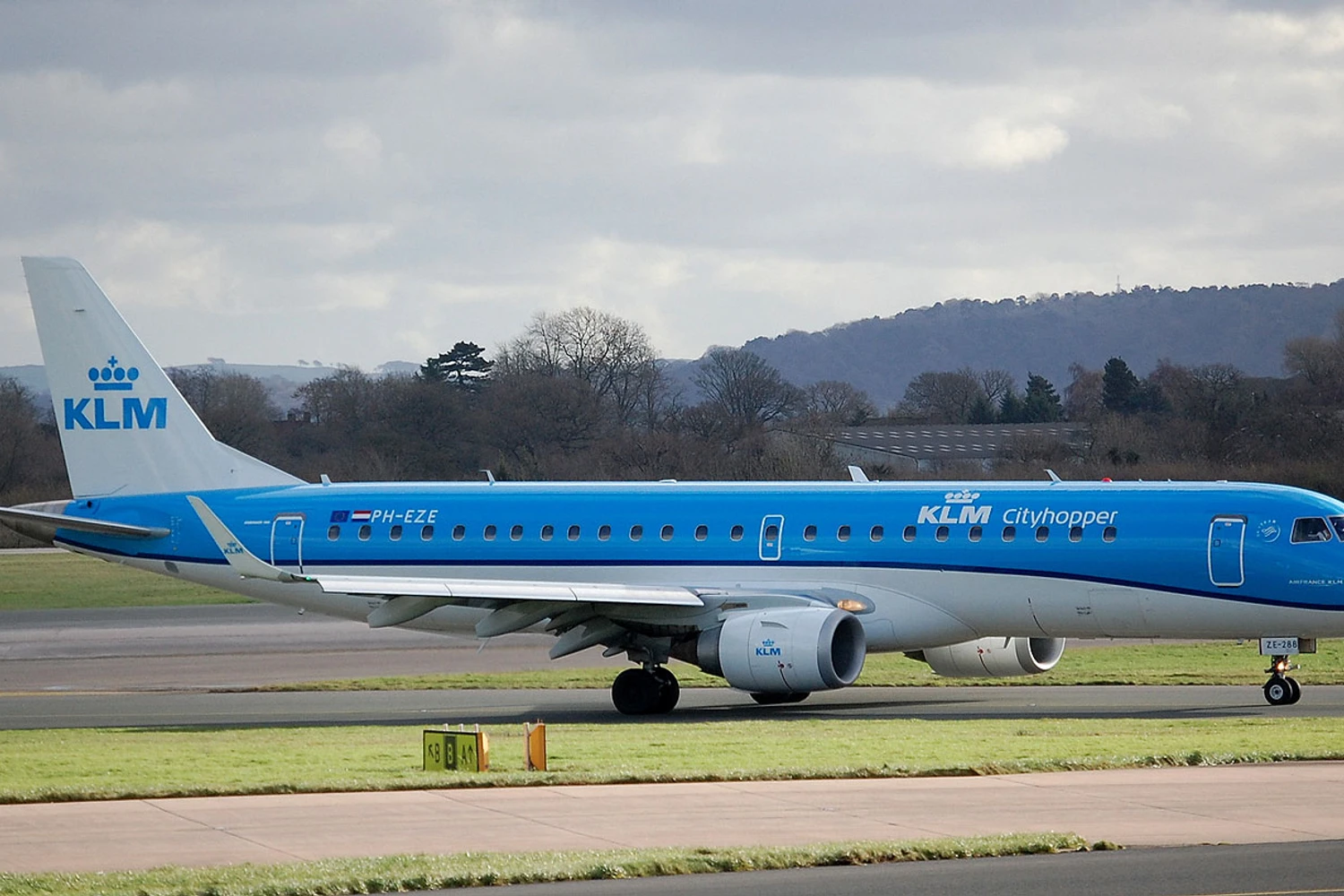
Koopmans said regional aviation remains central to KLM’s business model, based on feeding long-haul operations through connections across Europe. KLM Cityhopper operates about 400 daily flights and is among the largest regional operators in the region.
He also pointed to fuel costs as a key challenge, warning that higher prices could lead to adjustments in routes and frequencies, particularly in less profitable markets.