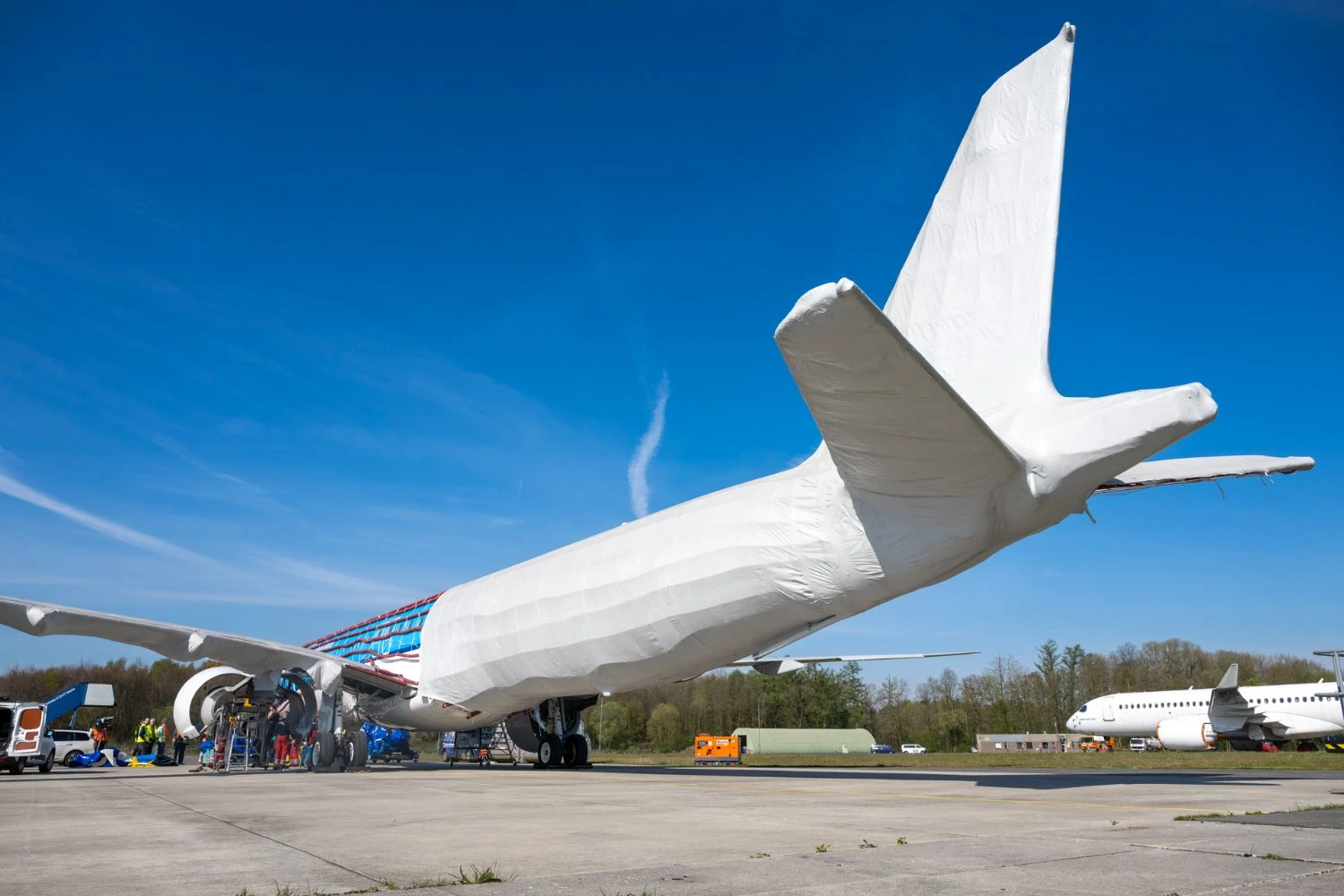
KLM Cityhopper has started returning part of its Embraer E195-E2 fleet to service after engine availability issues forced the temporary grounding of several aircraft in 2024.
The Dutch regional unit had parked four E195-E2 jets at Twente Airport in 2024 due to a shortage of Pratt & Whitney geared turbofan (GTF) engines, which limited operations of the relatively new fleet. The disruption was linked to problems affecting the GTF program, which impacted multiple airlines worldwide. Data from Planespotters indicates that as many as six aircraft were stored at one point.
With engine availability improving, the airline has begun reactivating the aircraft. One of the jets, registered PH-NXA, is currently being prepared to re-enter service after being removed from storage.
Recent news
September 15, 2026
September 15, 2026
The aircraft had undergone a detailed preservation process before being parked. Engines, auxiliary power units and batteries were removed, and the airframe was fully wrapped in protective film to shield it from weather exposure during long-term storage. The wrapping process, described by KLM as a “cocoon,” took several weeks to complete.
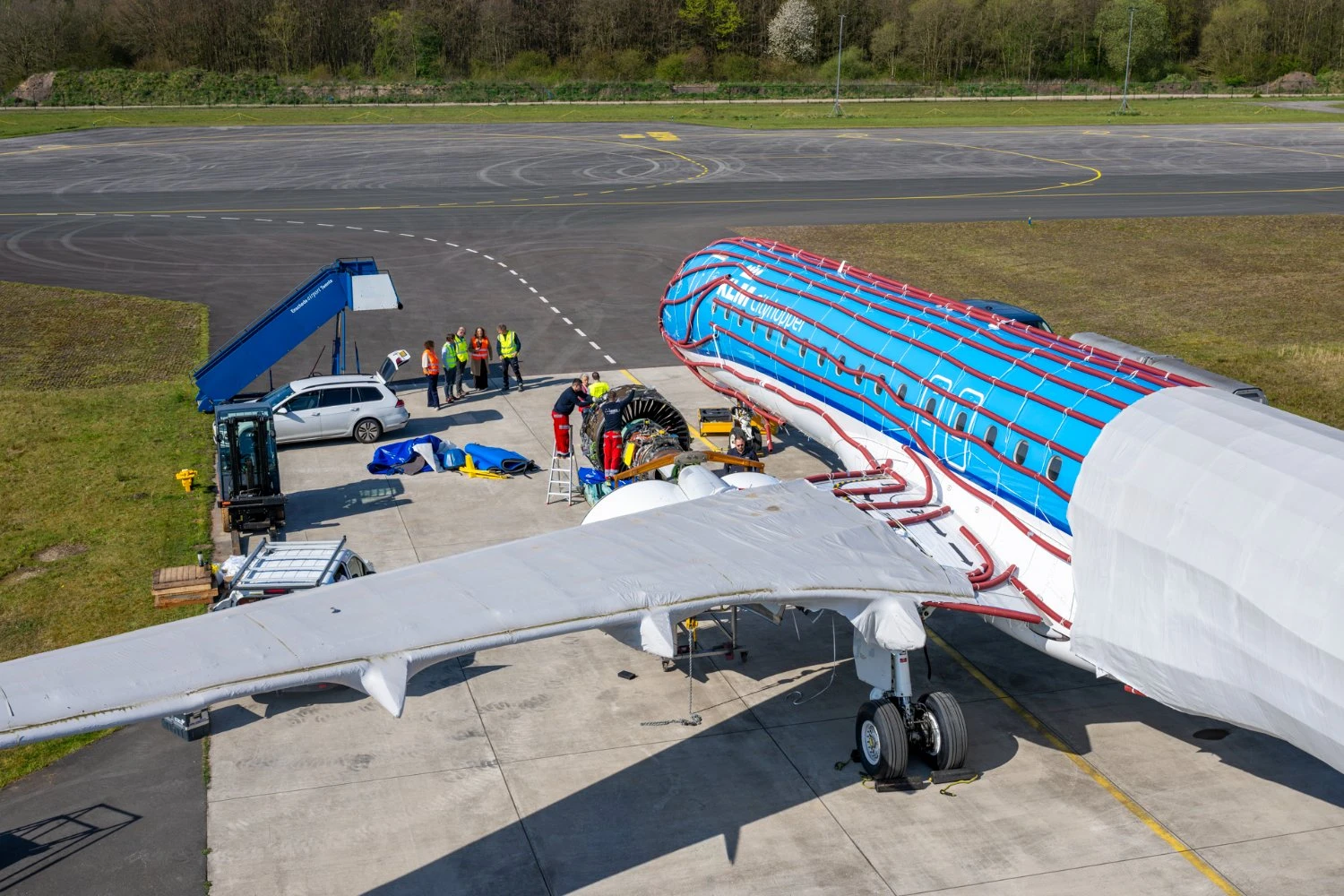
KLM's E195-E2 jet being unpacked to return to service. | KLM 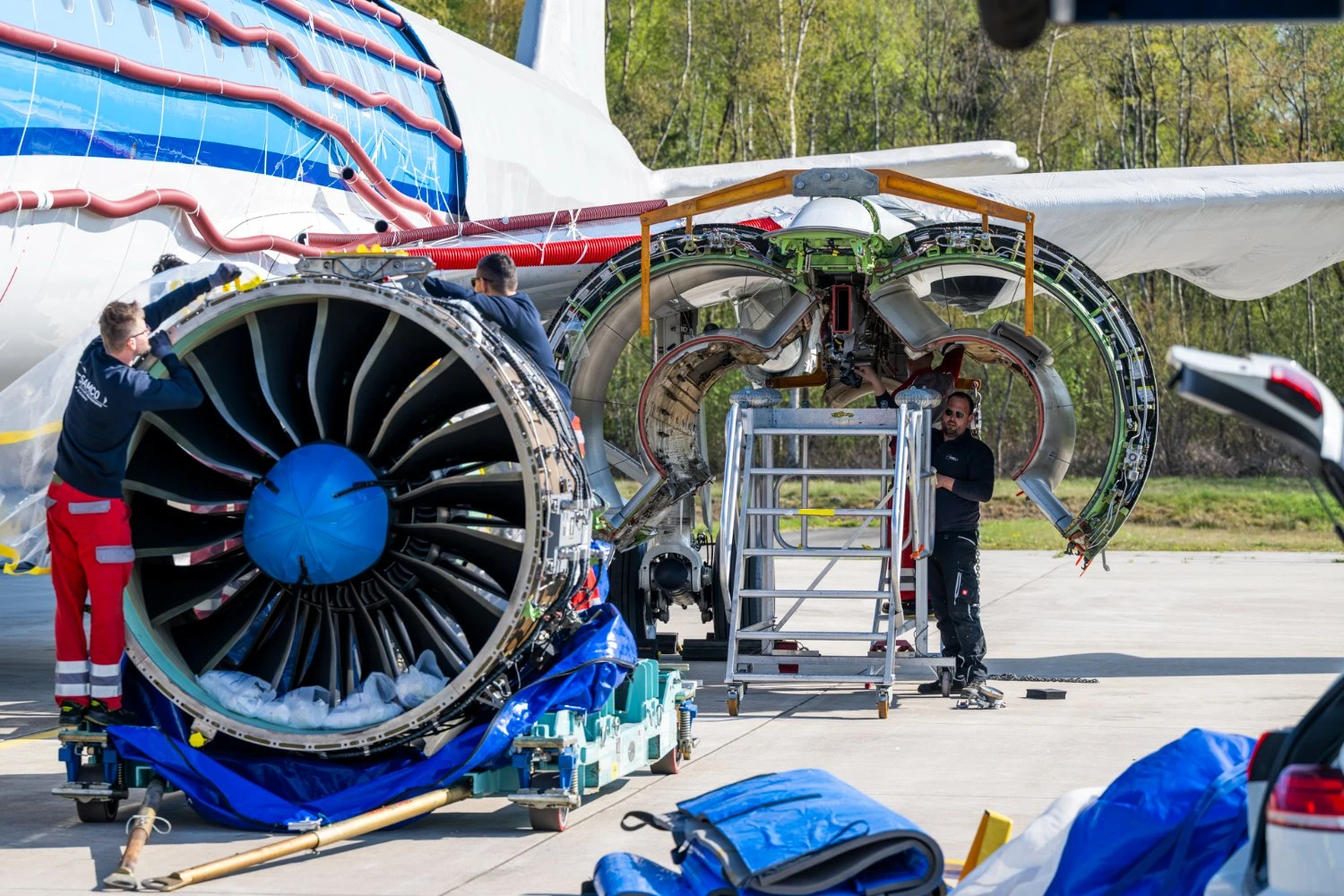
KLM's E195-E2 jet being unpacked to return to service. | KLM 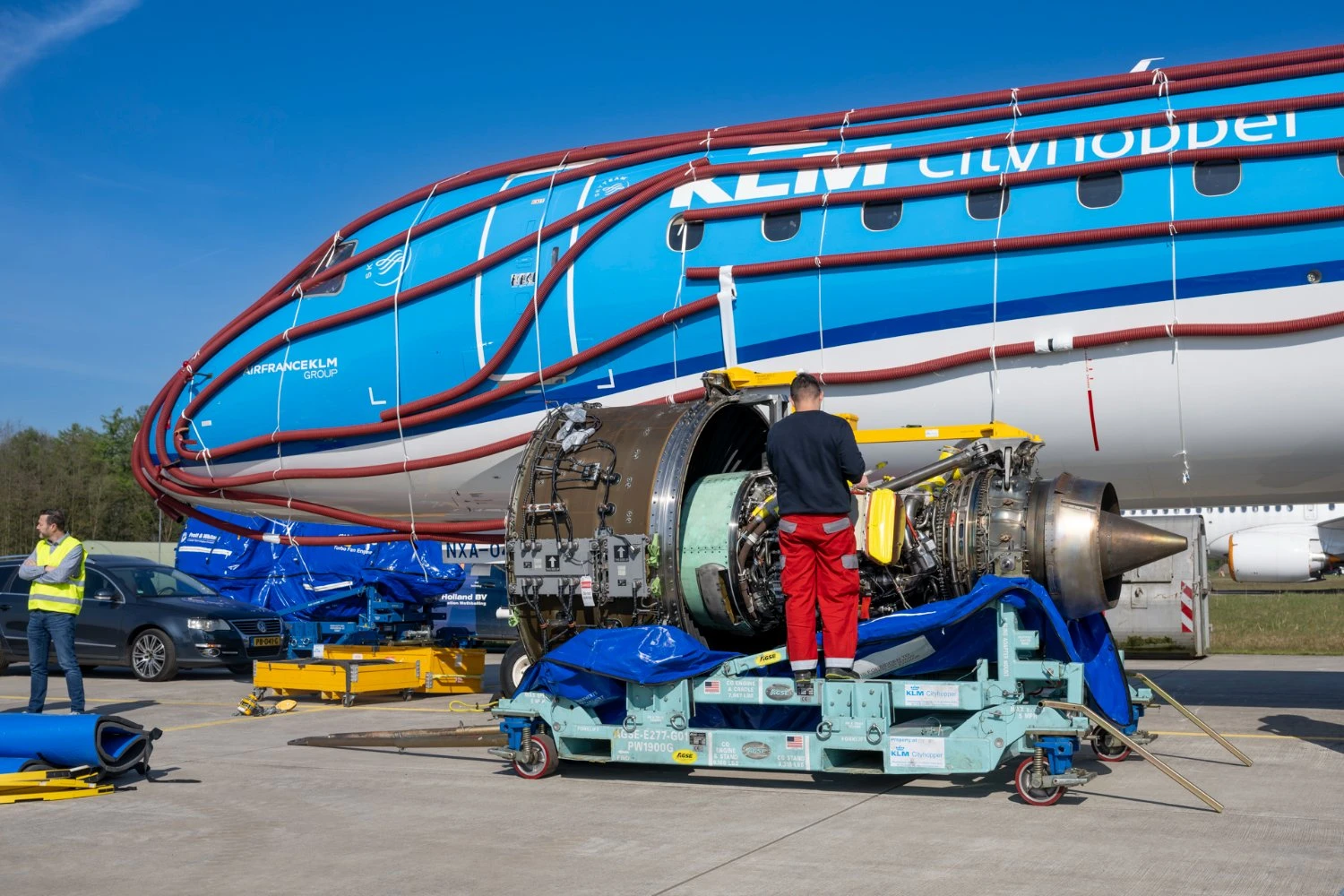
KLM's E195-E2 jet being unpacked to return to service. | KLM



Returning the aircraft to service involves reinstalling components, conducting technical inspections and completing required modifications, including the installation of onboard Wi-Fi. The process is expected to take around two months before the jet resumes commercial flights.
KLM Cityhopper is one of the largest operators of the E195-E2, with 25 aircraft in its fleet, all of them leased. The airline introduced the type in February 2021 and at one point had roughly half of its fleet grounded in early 2023 due to GTF-related issues. The aircraft were initially configured with 132 seats but have since been updated to accommodate 136 passengers.
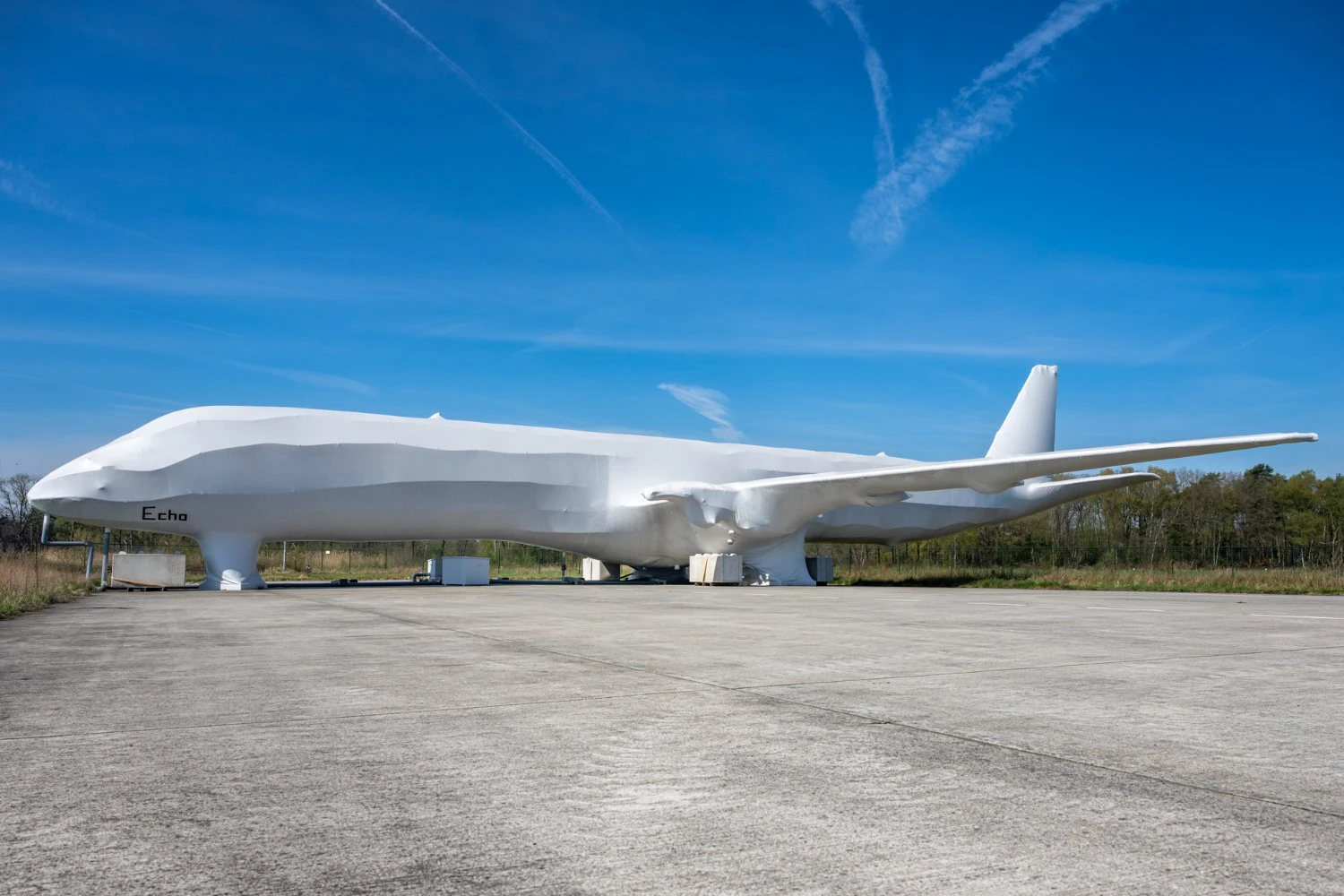
The carrier operates an all-Embraer fleet, which also includes 22 first-generation E190 jets and 17 smaller E175 aircraft. Two of the E195-E2s are currently being reactivated, while the remaining parked units are expected to follow later this year as engine supply constraints continue to ease.