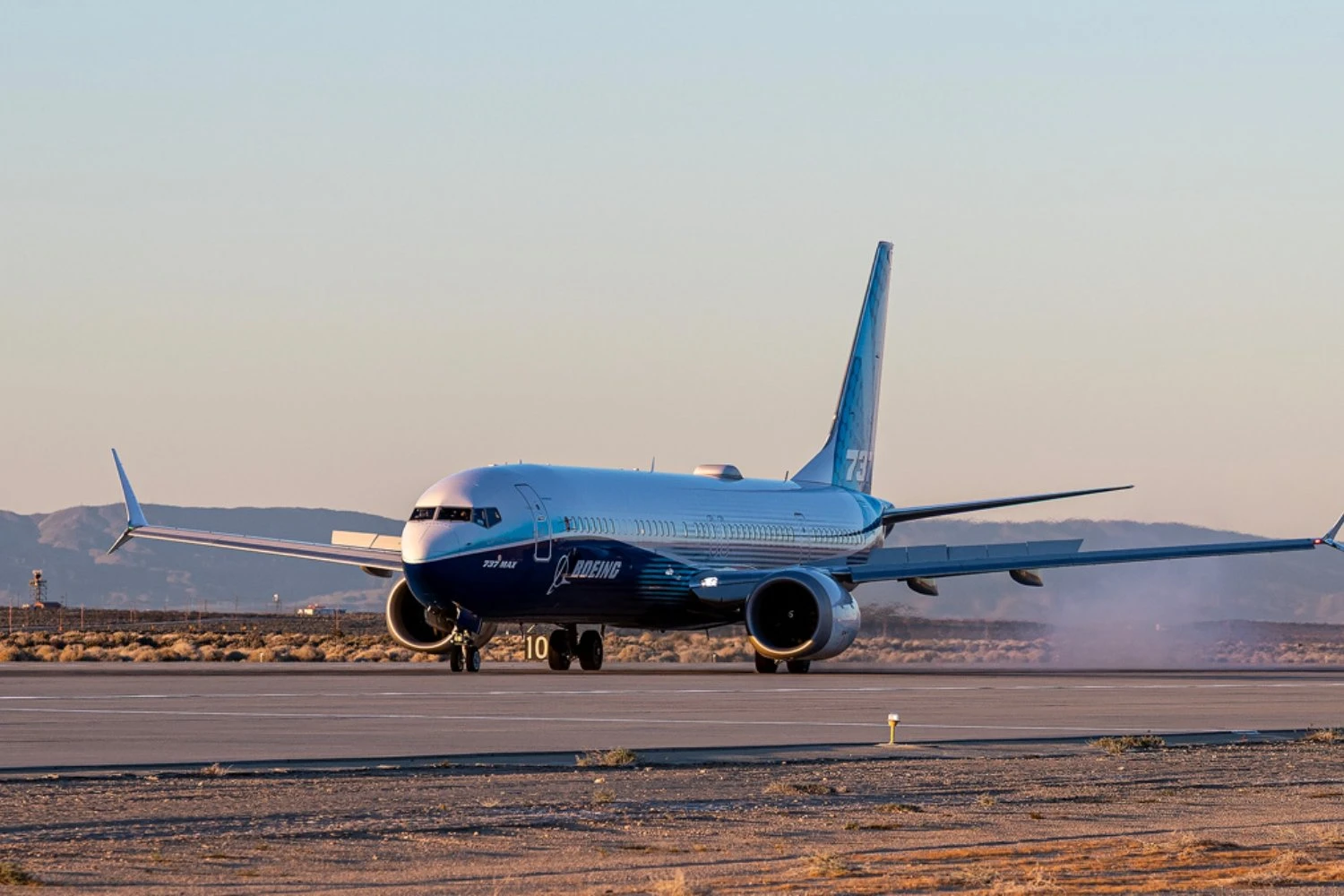
Boeing has conducted a series of high-energy brake tests on the Boeing 737 MAX 10, simulating a rejected takeoff under worst-case conditions during the aircraft’s certification campaign.
The trials included a maximum brake energy (MBE) test, in which a fully loaded aircraft accelerates to near takeoff speed before aborting and stopping using brakes alone, without thrust reversers. The test is designed to validate performance limits under these conditions.
During the evaluation, the aircraft was loaded to its maximum takeoff weight of about 89.8 tonnes and accelerated to roughly 180 knots before braking. The system must withstand the thermal stress generated by the rejected takeoff, with temperatures exceeding 2,500°F (1,370°C), while maintaining structural integrity for a defined period.
Related news
September 21, 2026
September 21, 2026
To meet these requirements, Boeing has introduced modifications to the landing gear and braking system compared with earlier 737 variants. The MAX 10 features strengthened brakes, including an additional rotor and revised components to handle higher energy loads associated with the aircraft’s increased size and weight.
The test campaign also included operations across different speeds, runway conditions and brake wear levels, culminating in trials conducted with brakes worn close to their operational limits. Following the stop, the aircraft remains stationary for several minutes to simulate the time required for emergency response at an airport. A similar maximum brake energy test was recently performed on the Boeing 777-9, the first variant of the 777X family.
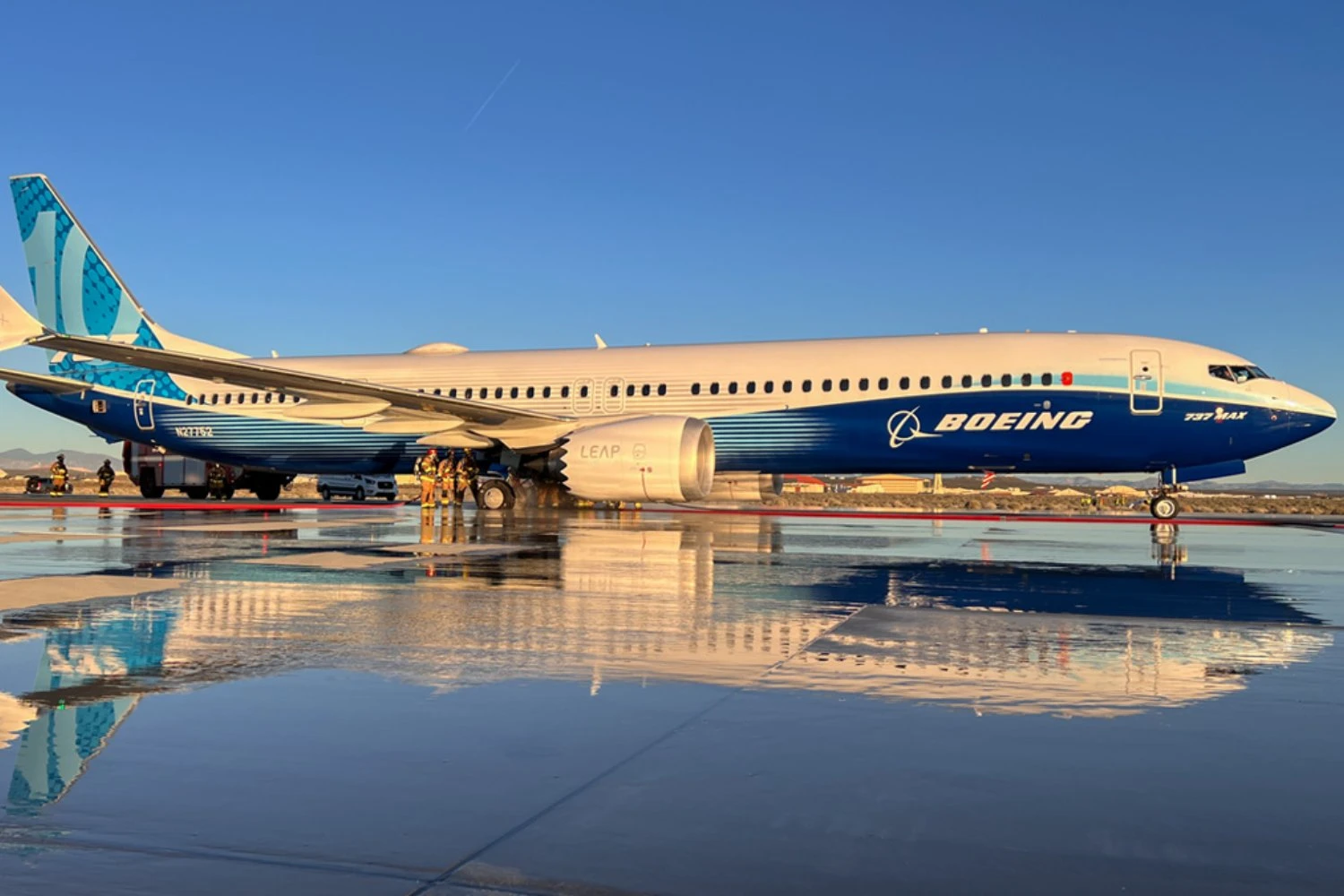
The 737-10 is the largest version of the 737 family, with a longer fuselage than the MAX 9 and capacity for up to 230 passengers, depending on configuration. The model was developed to compete more directly with the Airbus A321neo, which has dominated the upper end of the single-aisle segment in recent years.
Certification of the 737-10, along with the smaller 737-7, is expected in 2026. The variant has accumulated 1,410 firm orders to date.