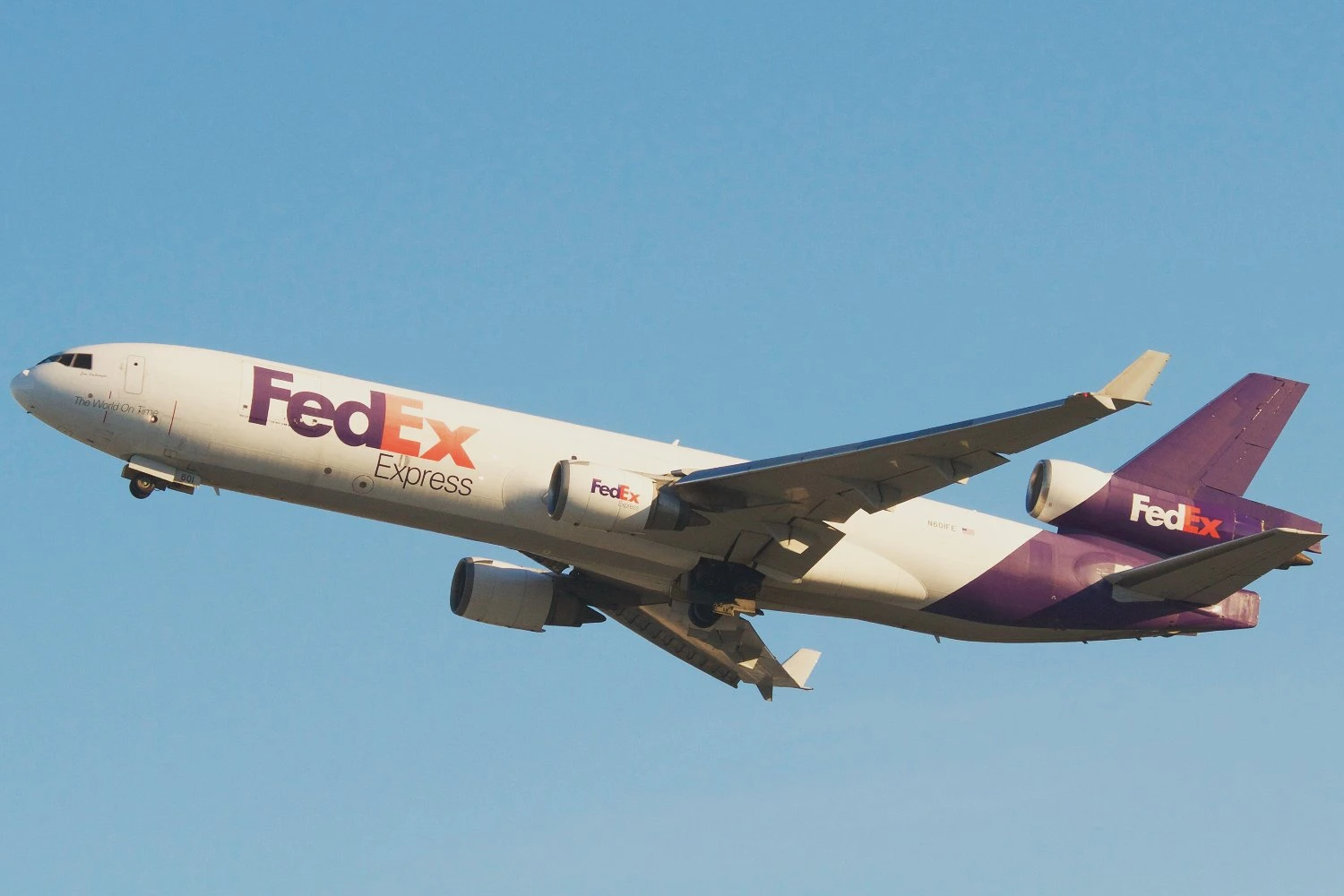
FedEx is in the final stages of returning its MD-11 freighters to service after months of inspections and structural modifications developed with Boeing, according to FreightWaves.
The first commercial flight involving a reactivated MD-11 is expected to operate between Memphis and Miami following a series of test flights and final approval from the Federal Aviation Administration (FAA).
The fleet was grounded after a UPS MD-11 crashed shortly after takeoff from Louisville in November last year, when the engine and pylon separated from the wing. The aircraft went down in an industrial area near the airport, killing 14 people, including the three pilots.
A preliminary investigation by the National Transportation Safety Board (NTSB) pointed to fatigue cracks in components related to the engine attachment structure.
Related news
September 21, 2026
September 21, 2026
FedEx executives said the company worked directly with Boeing to develop a structural fix that would allow the aircraft to safely return to operation.

Engineers redesigned a critical component by removing a lubrication groove that created additional stress concentrations and increasing the thickness of part of the structural ring assembly.
The updated maintenance program will require bearing replacements every 4,000 flight cycles and detailed inspections every 450 cycles using ultrasonic and eddy current testing methods.
Follow Air Data News: WhatsApp | Google News | Instagram | LinkedIn | Twitter | Facebook
FedEx had 29 MD-11 freighters in operation when the FAA suspended flights involving the type. The company had already extended the aircraft’s planned retirement from 2028 to 2032 because of the need for additional long-haul cargo capacity.
Despite its high fuel consumption and lower efficiency compared with modern twin-engine freighters, the MD-11 remains valued for its payload capability and intercontinental range.
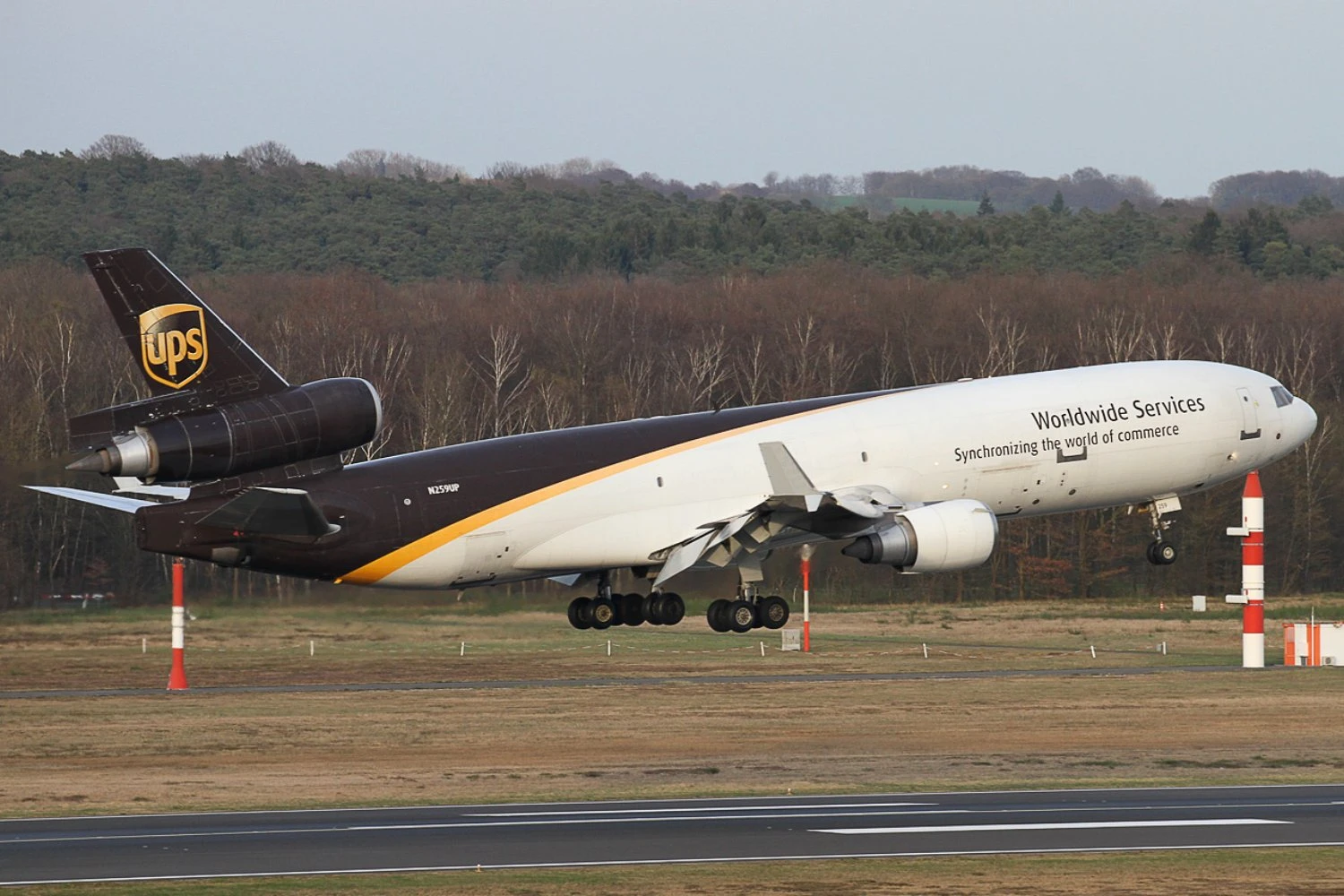
According to the company, the fleet carried about 3 million pounds of cargo per day before the grounding.
Recent news
September 21, 2026
September 21, 2026
September 21, 2026
FedEx said the MD-11s had gradually been replaced on international routes by Boeing 777 freighters, while increasingly operating high-density domestic routes within the United States.
The carrier plans to restore about 24 aircraft to active service, while the remaining jets will be used as reserve capacity during peak shipping periods.