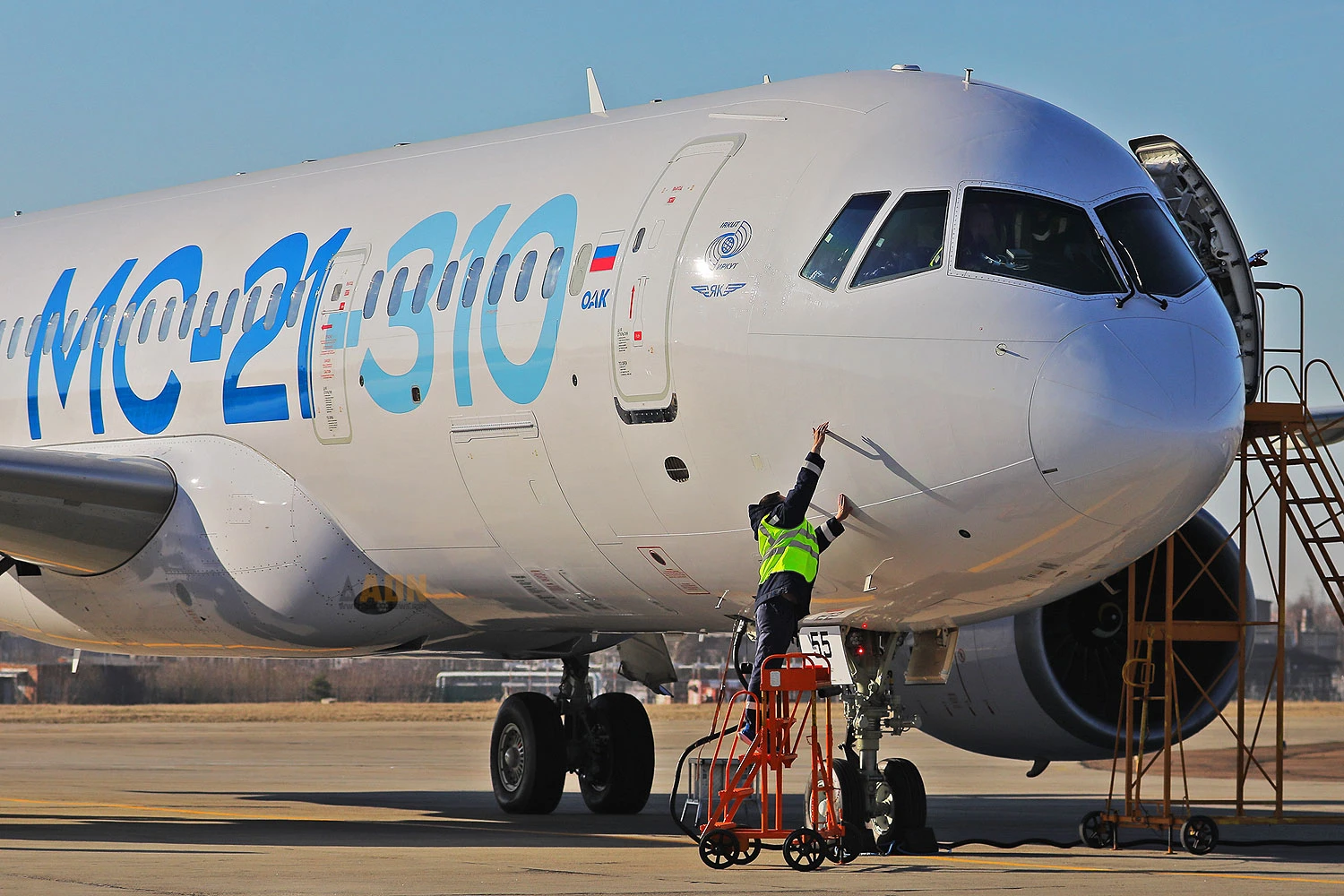
Certification and initial deliveries of the Yakovlev MC-21-310 have been pushed back again, with entry into service now expected no earlier than 2027, according to Rostec chief executive Sergei Chemezov.
Speaking during a meeting with President Vladimir Putin, Chemezov said about one-third of the aircraft’s certification flight campaign has been completed. “I hope that we’ll finish this in the first quarter of next year, and begin mass production of the aircraft next year,” he said, according to Flight Global.
The revised timeline means the MC-21 will reach customers roughly a decade after the first variant, the -300, made its maiden flight in May 2017.
Related news
September 18, 2026
September 10, 2026
The original MC-21-300 relied on Western-built systems, including Pratt & Whitney PW1400G engines. Sanctions imposed on Russia in recent years forced a shift toward a fully domestic version, the MC-21-310, requiring the replacement of key components such as avionics, composite structures and engines.
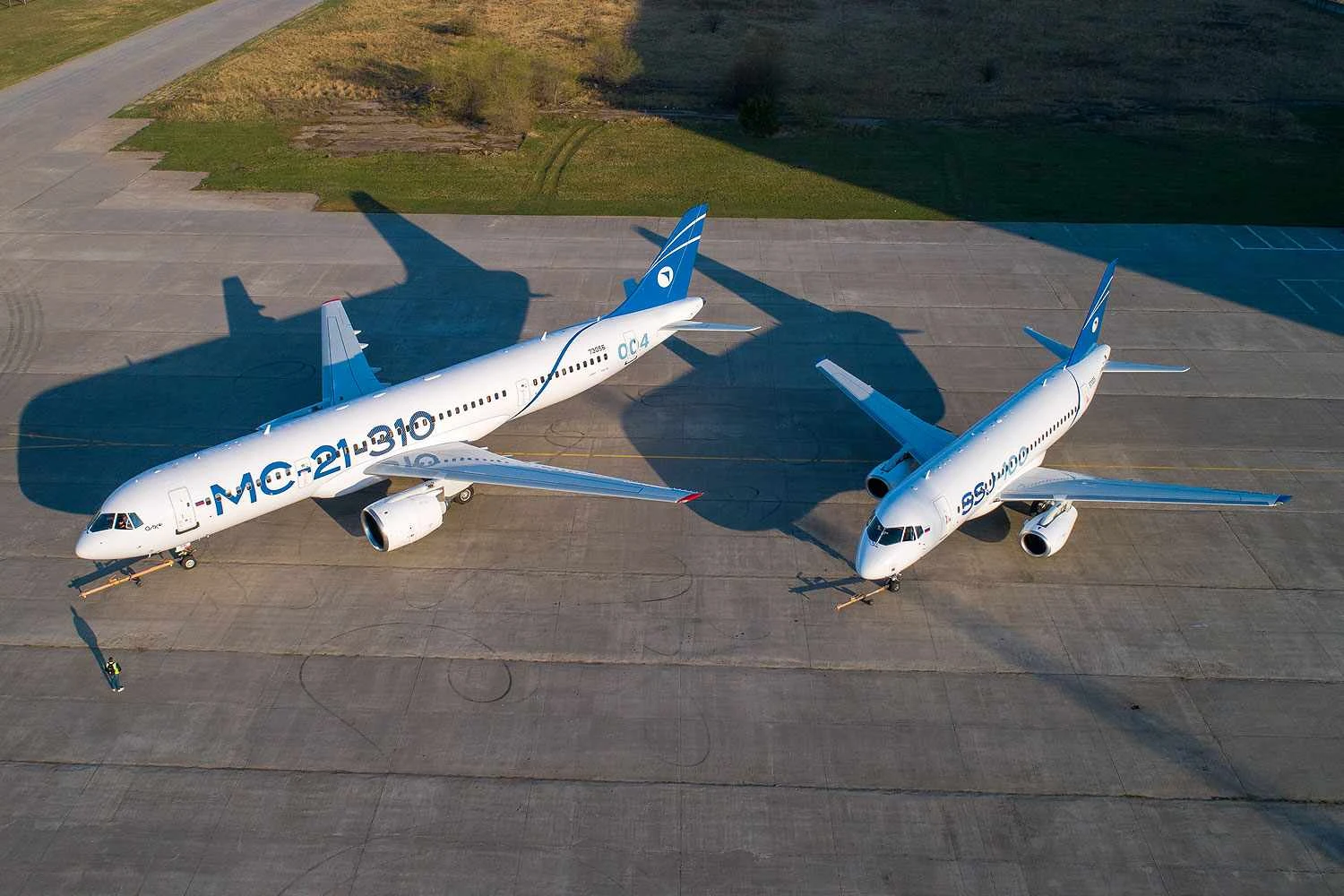
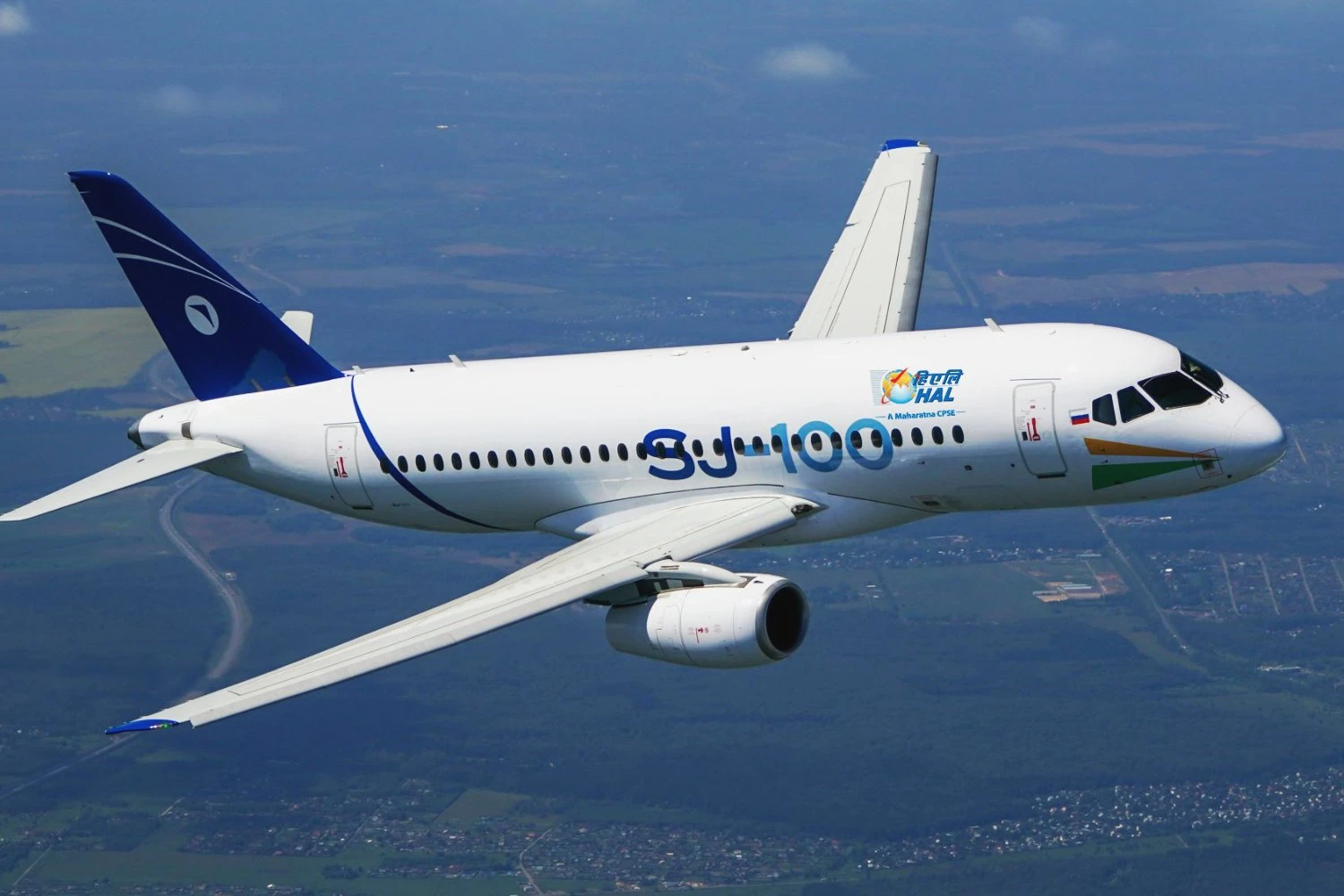
The MC-21-310 and SJ-100 jetliners (UAC) 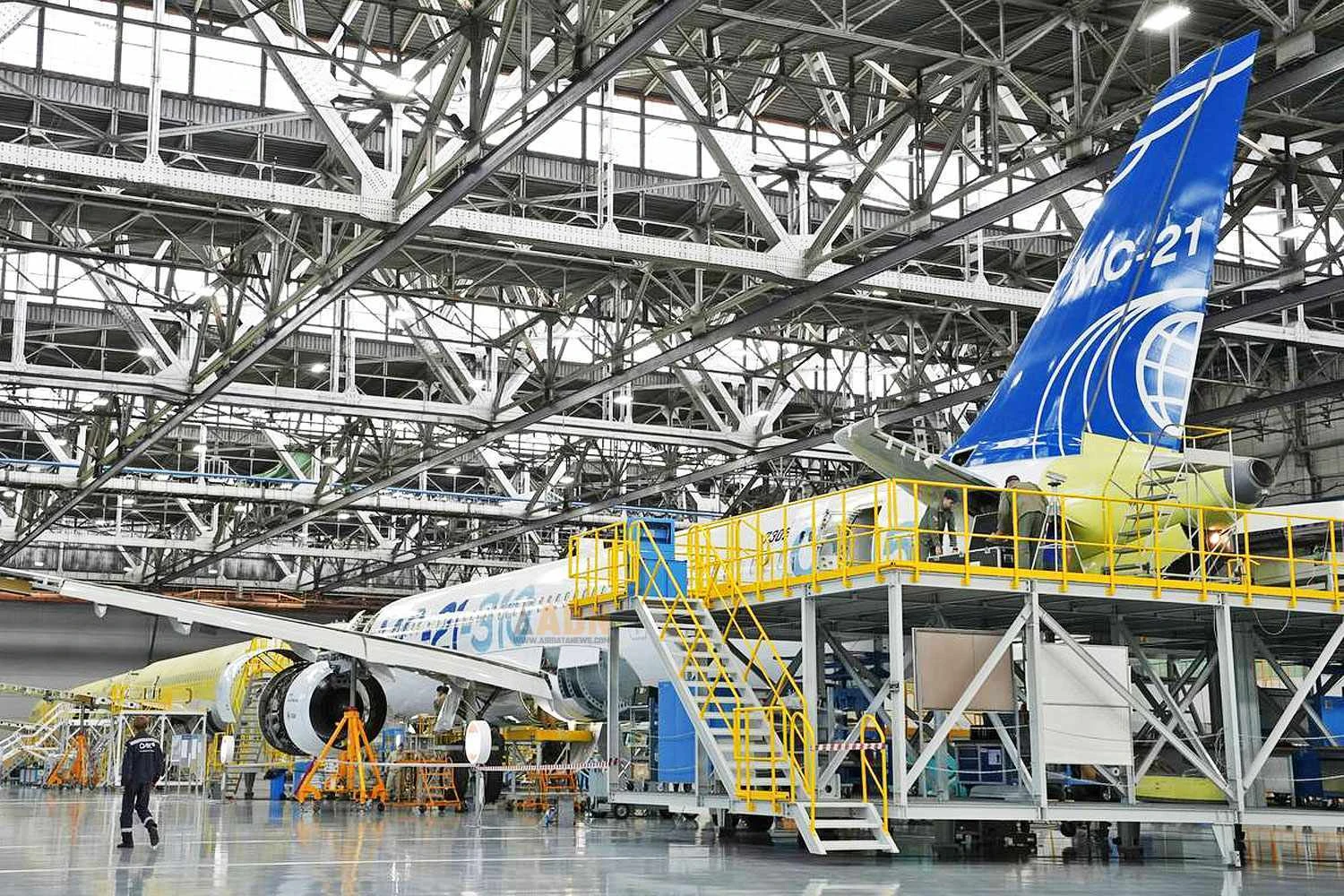
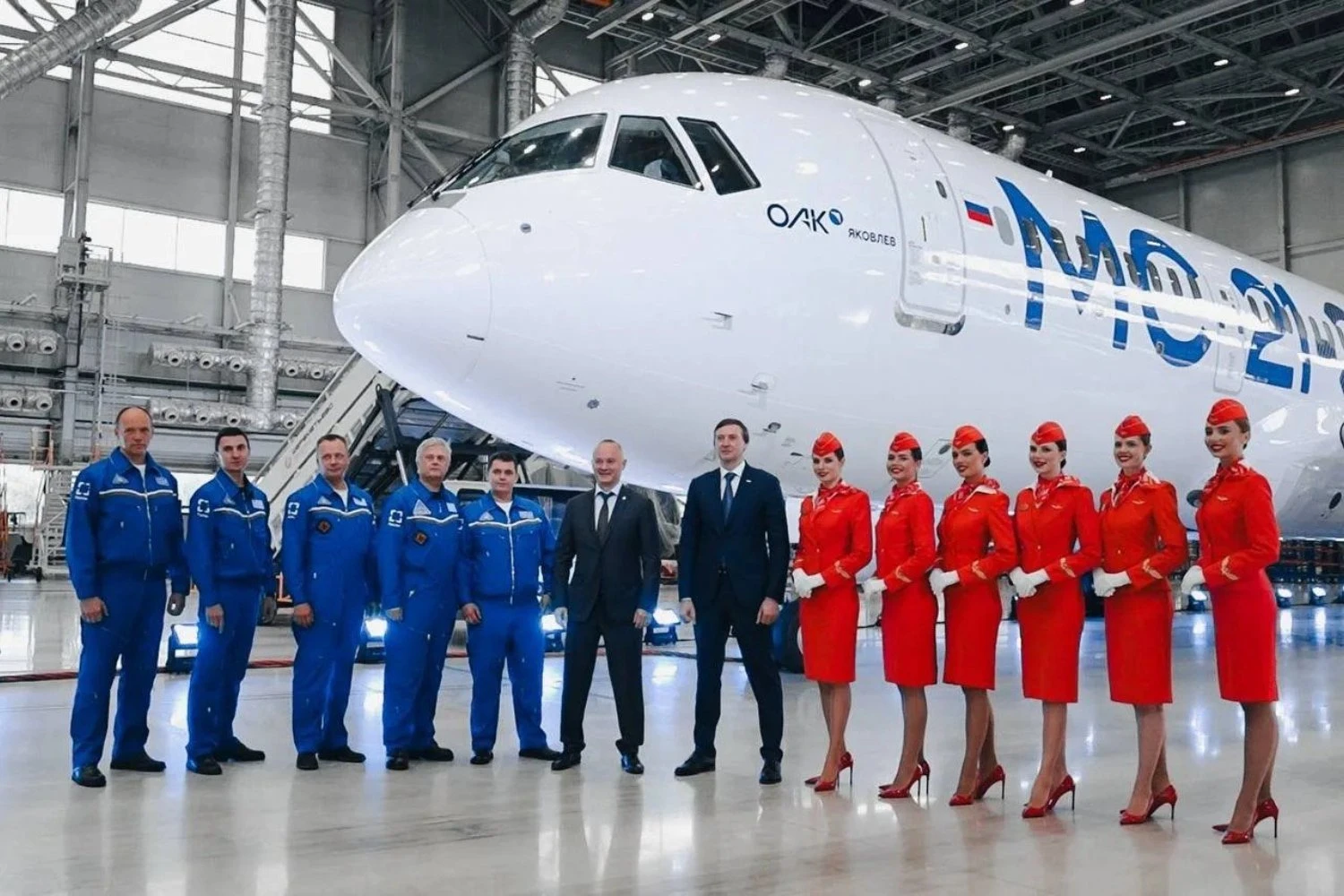
MC-21-310 73055 test aircraft (UAC) 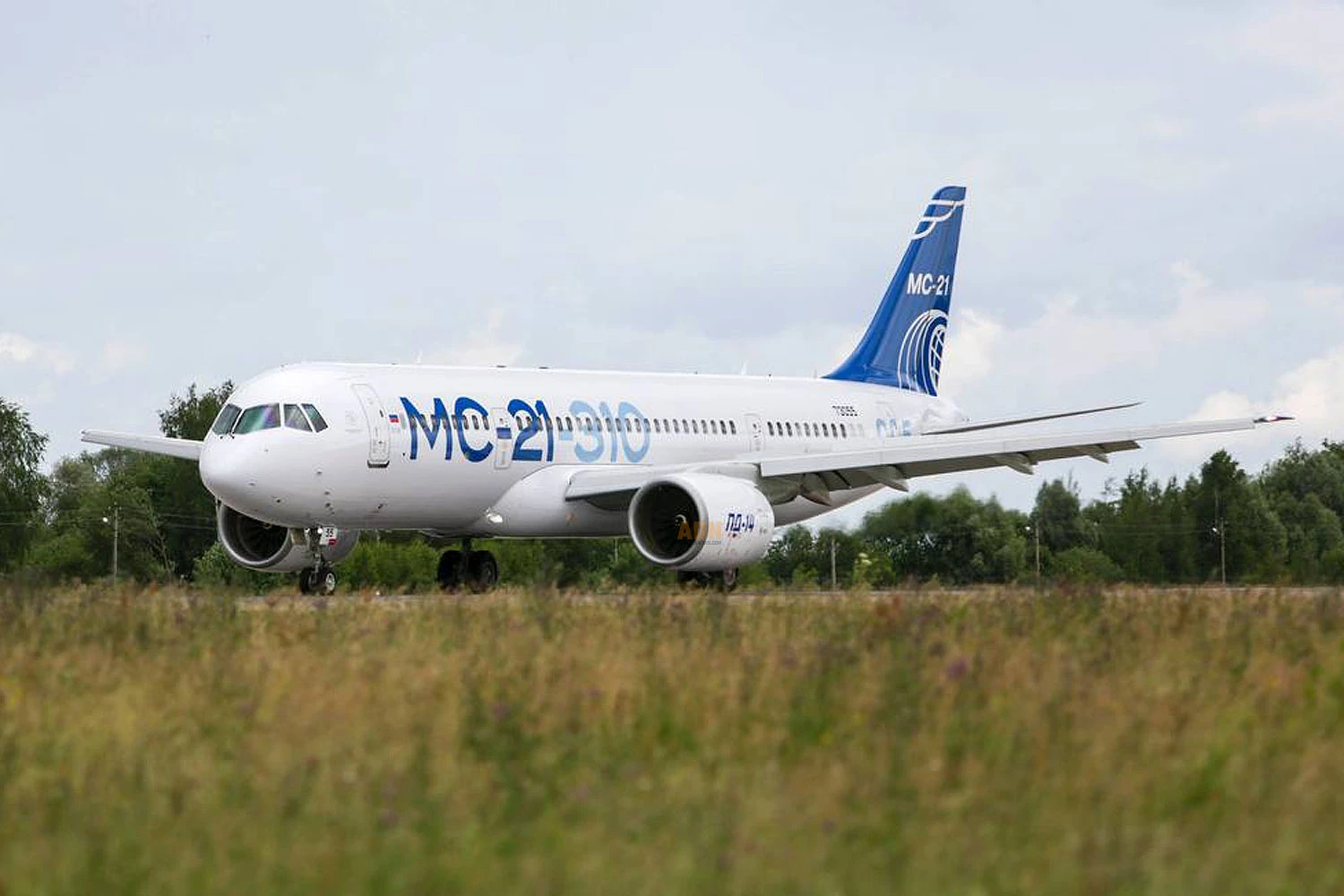
MC-21-310 airliner (UAC)



The -310 is powered by the Russian-built Aviadvigatel PD-14 and incorporates locally developed systems across the aircraft. The first fully import-substituted example flew in October last year, following earlier tests with partially localized airframes.
Chemezov had previously indicated that certification and production could begin by the end of 2026, but acknowledged the delay during the latest update to Putin.
Rostec outlined ambitious production targets for the end of the decade. By 2030, United Aircraft aims to produce 36 MC-21 aircraft annually, alongside 20 Yakovlev SJ-100 regional jets and 12 Ilyushin Il-114-300 turboprops.
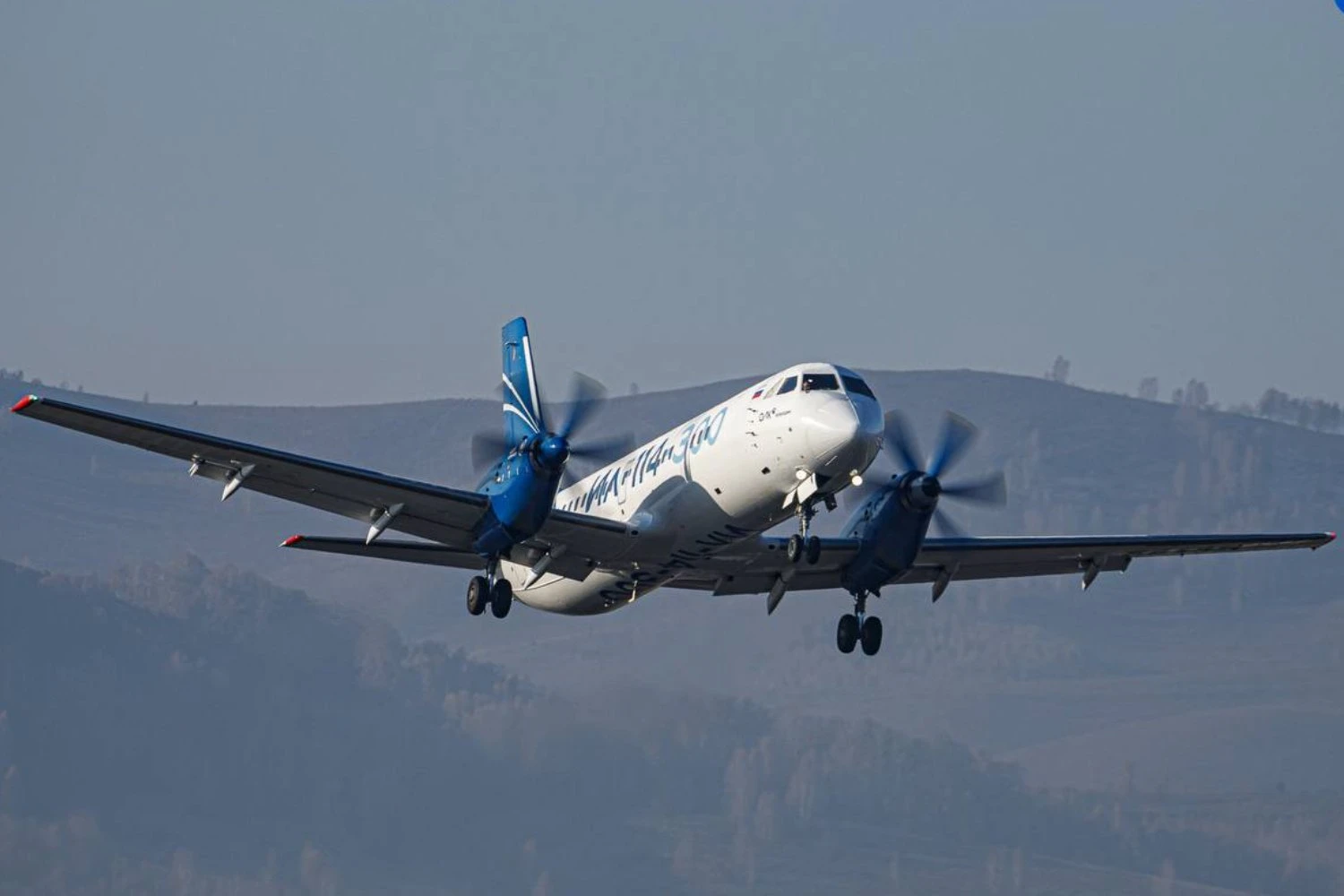
The SJ-100, a domestically reworked version of the Superjet, has completed about 80% of its certification flights, with approval expected this year. Serial production, however, is scheduled to start only in 2027.
Chemezov said the Il-114-300 is nearing certification, with deliveries planned for 2026. The turboprop is intended to replace aging Antonov An-24 and An-26 aircraft, which face increasing maintenance challenges and parts shortages.