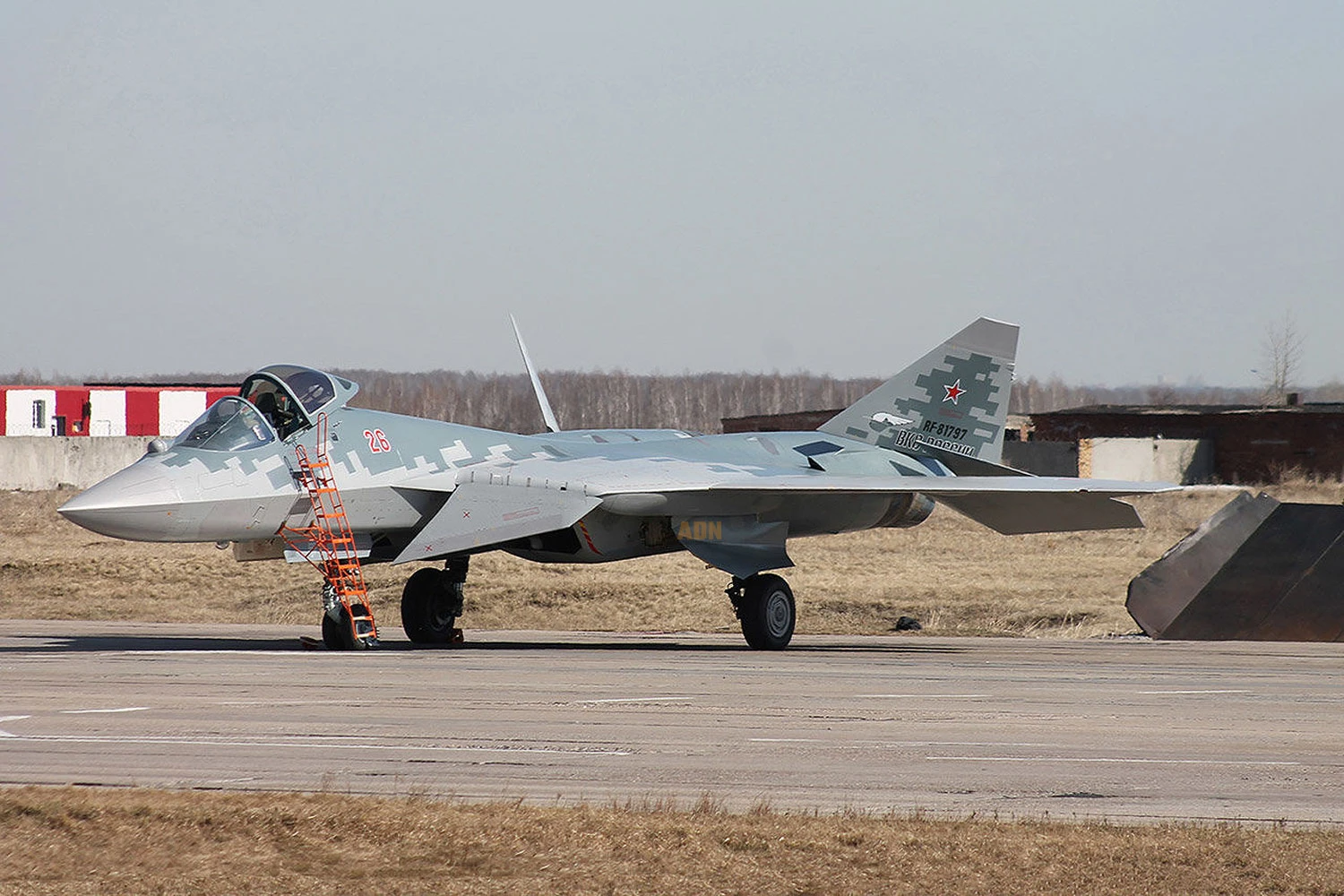
Ukraine said it struck Russian military aircraft, including Sukhoi Su-57 fighters and a Sukhoi Su-34 bomber, in an April 25 attack in the Chelyabinsk region, about 1,700 km (1,050 miles) from the border.
According to Ukraine’s General Staff, “several” Su-57s and one Su-34 were damaged. Officials did not disclose the method used or confirm the exact number of aircraft affected.
Satellite images shared on social media appear to show damage to three aircraft — two Su-57s and one Su-34 — at Shagol airbase. However, the assessment is based on visual comparisons between images from different dates and does not allow a precise confirmation of the extent of the damage.
Follow Air Data News: WhatsApp | Google News | Instagram | LinkedIn | Twitter | Facebook
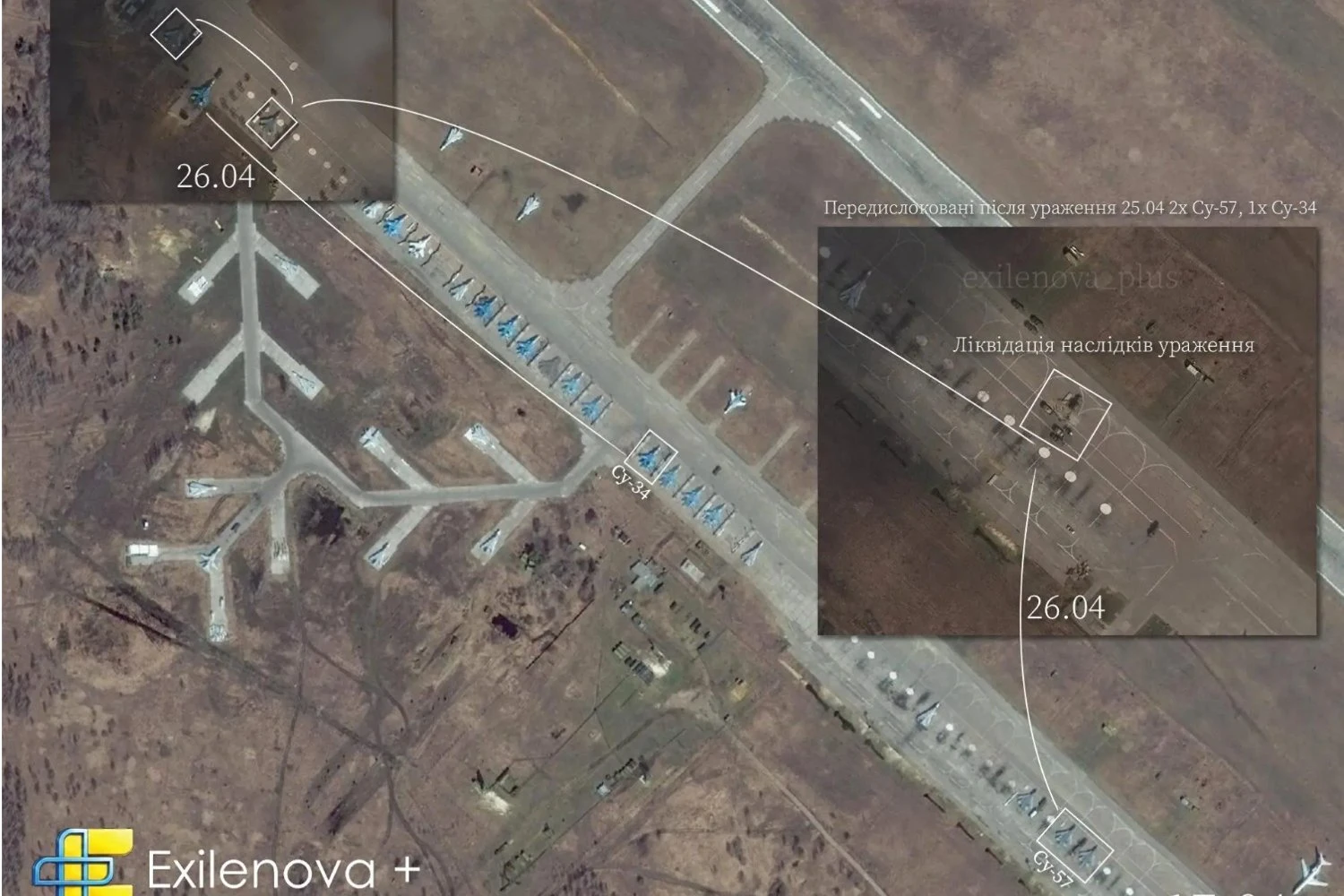
If confirmed, the strike would represent one of Ukraine’s deepest attacks inside Russian territory since the start of the war and a rare case involving the Su-57, Russia’s most advanced combat aircraft.
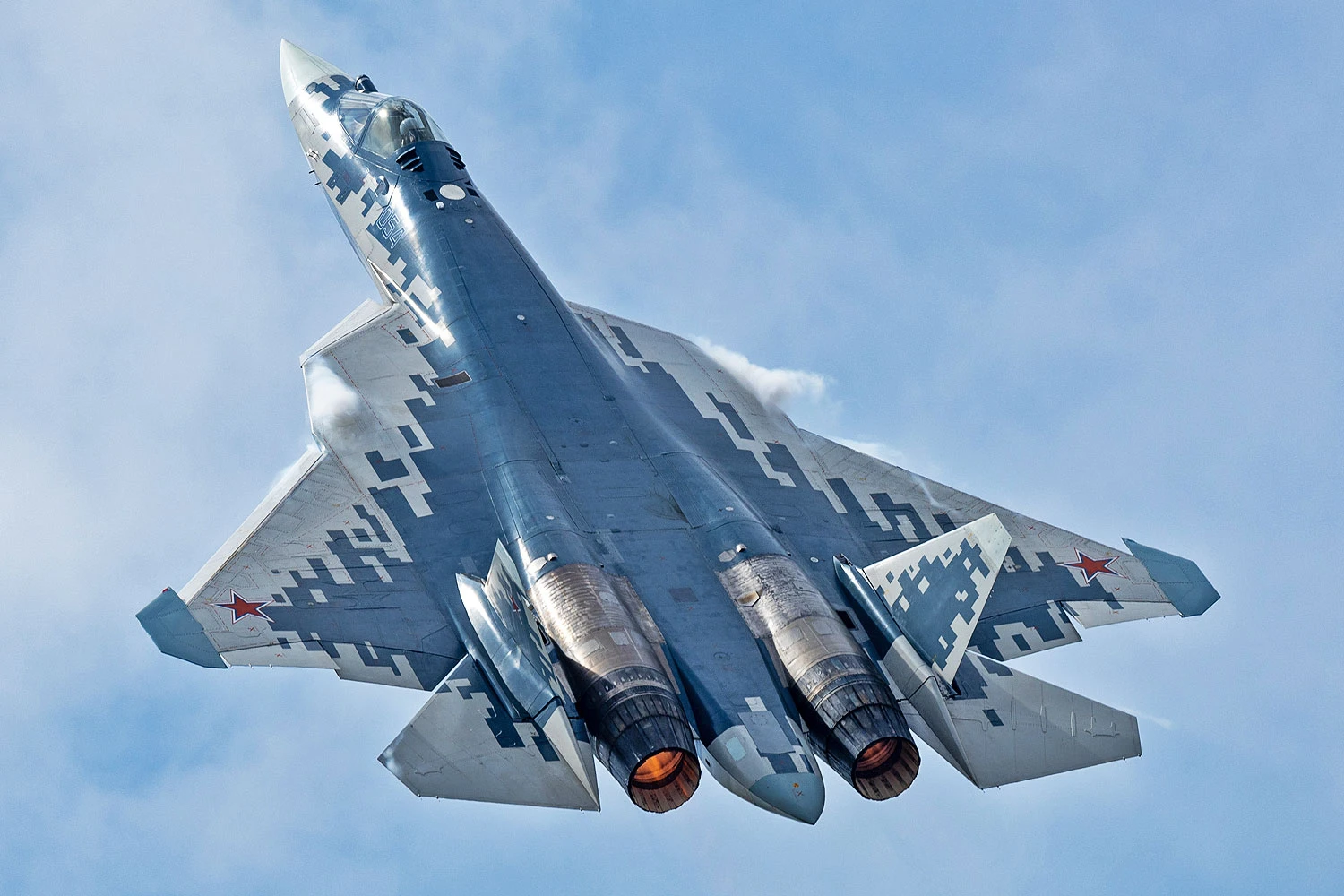
The Su-57 is Russia’s only operational fifth-generation fighter, with production progressing at a limited pace. The aircraft are built at the Komsomolsk-on-Amur plant, and the Russian Air Force has an official order for 76 units, in addition to a number of pre-production aircraft already in service.
Analysts cited by sources sharing the imagery note that the distance involved raises questions about the method used, as conventional drones would have limited range to reach the area.
Unconfirmed reports suggest the use of long-range drones such as the Liutyi, which can fly more than 1,000 km. Even so, there is no conclusive evidence on how the strike was carried out.
Related news
September 10, 2026
September 07, 2026
September 03, 2026
The Su-57 had previously been targeted in June 2024, when the Akhtubinsk airbase, about 460 km from the border, was hit.
Both the Su-57 and Su-34 are estimated to cost tens of millions of dollars per unit, potentially increasing the financial impact if the reported damage is confirmed.