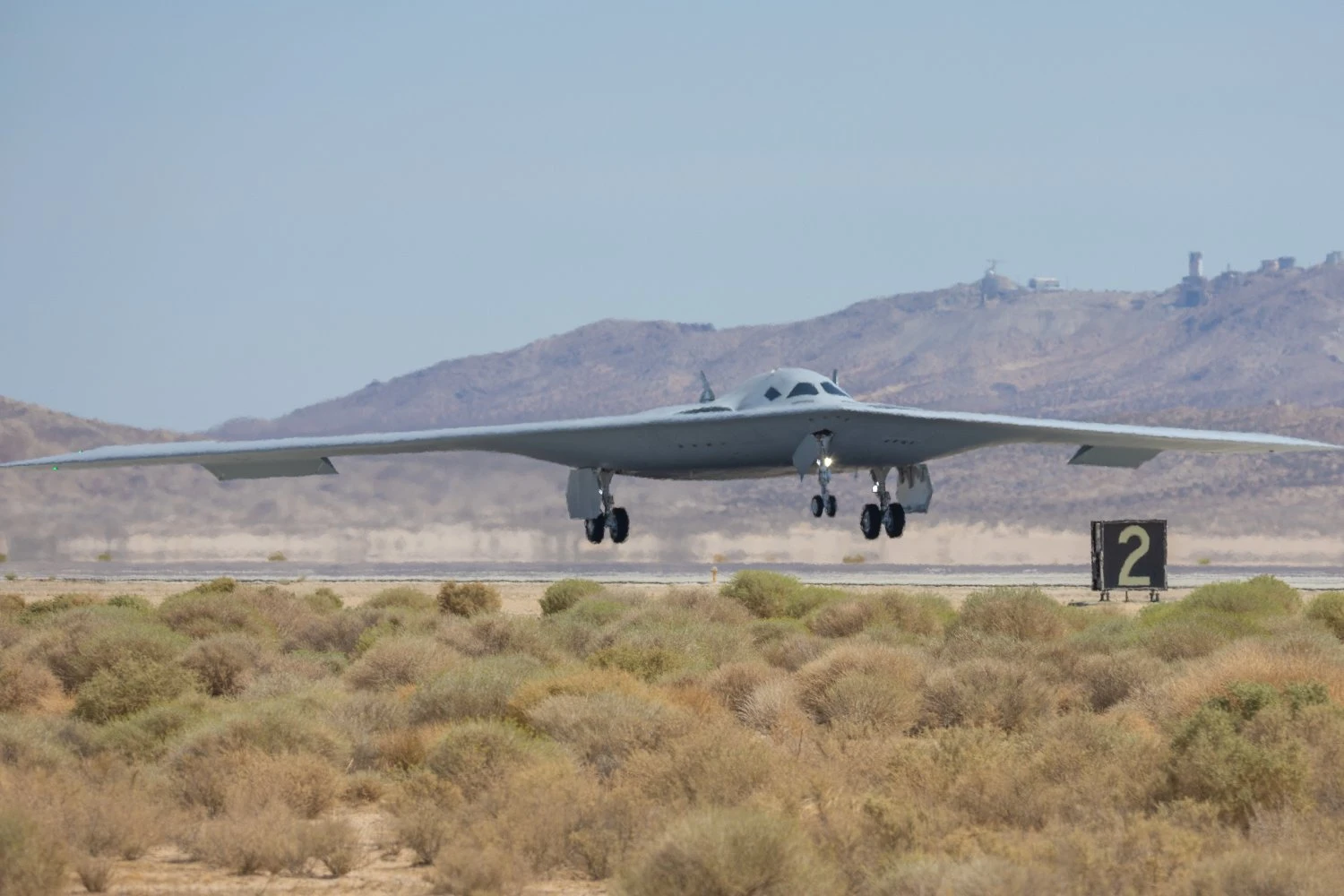
Senior U.S. defense officials are signaling openness to increasing the planned fleet of Northrop Grumman B-21 Raider bombers, as discussions intensify over the future size of the Air Force’s next-generation strike capability.
The current program of record calls for at least 100 aircraft, but recent statements from Pentagon leadership suggest that figure could rise. Defense Secretary Pete Hegseth told lawmakers that “we believe we will require a lot more — over 100 — in the future,” describing the B-21 as a central element of future airpower alongside next-generation fighters.
The comments add to a series of public endorsements for a larger fleet. The head of U.S. Indo-Pacific Command, Adm. Samuel Paparo, said he would support acquiring up to 200 aircraft, citing both conventional strike requirements and the need to sustain nuclear deterrence.
Follow Air Data News: WhatsApp | Google News | Instagram | LinkedIn | Twitter | Facebook
The B-21 is intended to replace both the Northrop Grumman B-2 Spirit and the Boeing B-1B Lancer over time, becoming a core component of the U.S. nuclear triad alongside submarine- and land-based missiles.
Rising concern over China’s military expansion, particularly its nuclear arsenal, has helped drive calls for a larger bomber force. Officials have also pointed to the role of long-range aircraft in recent operations, where bombers have been used for both strike missions and strategic signaling.
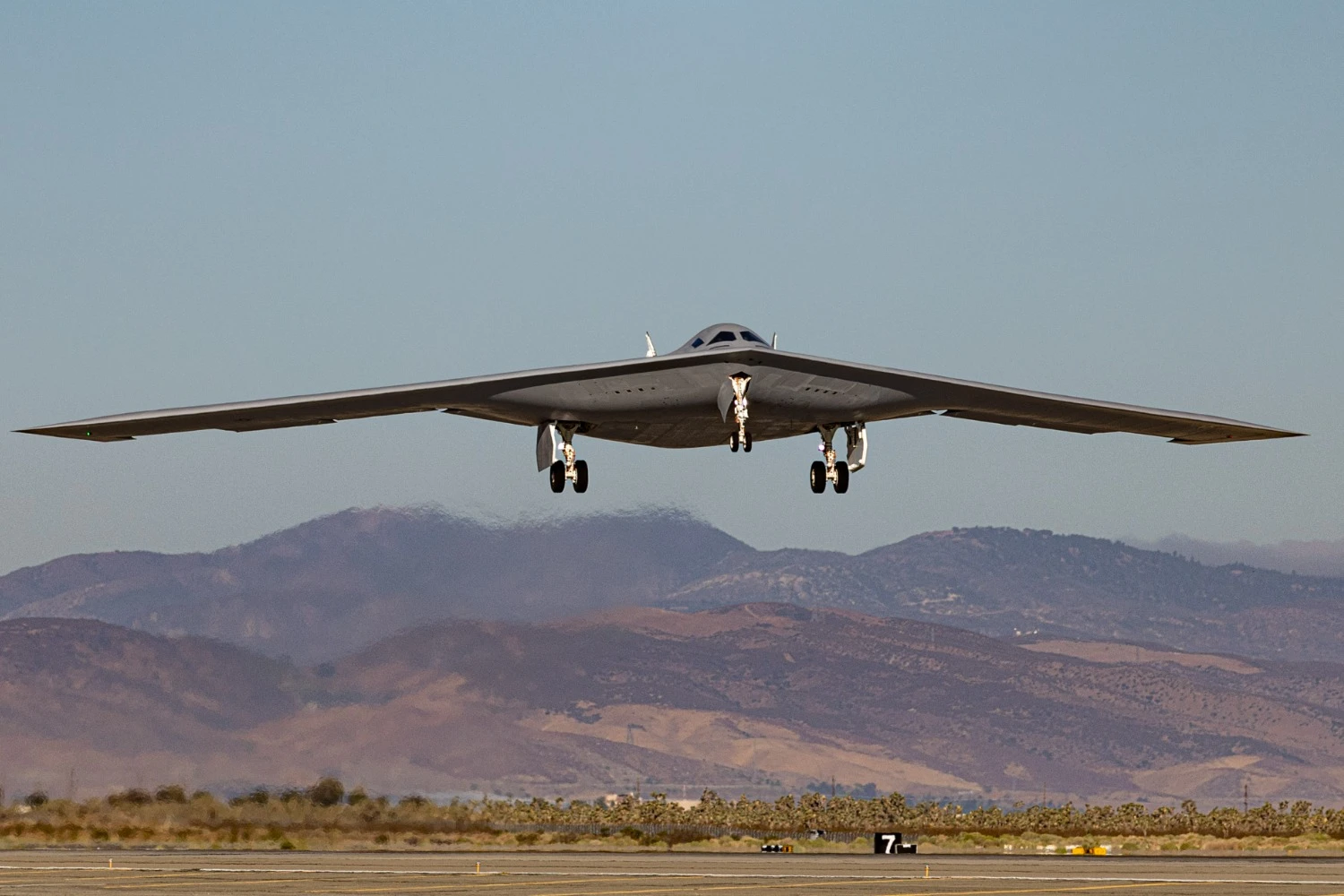
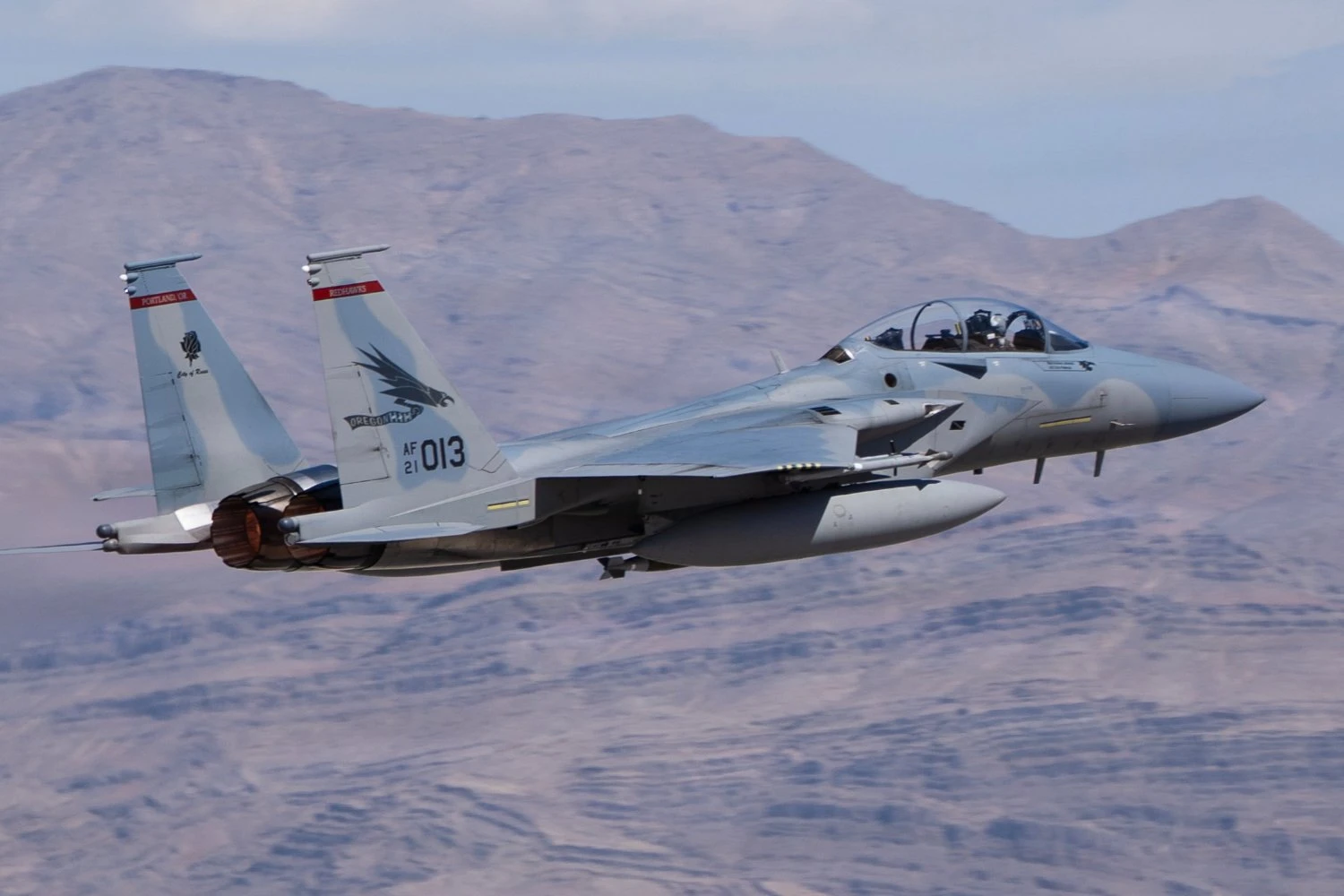
At the same time, the push for higher numbers has not yet translated into formal budget changes. The Pentagon’s latest spending request includes funding to continue development and early production of the B-21, but does not commit to increasing total procurement.
Military leadership has taken a more measured approach. Chairman of the Joint Chiefs of Staff Gen. Dan Caine said any decision to expand the fleet would depend on a review of operational plans and future threat assessments. “We want to make sure… that we’re staying well in front of it,” he said, while noting that further analysis is needed before defining the final number.
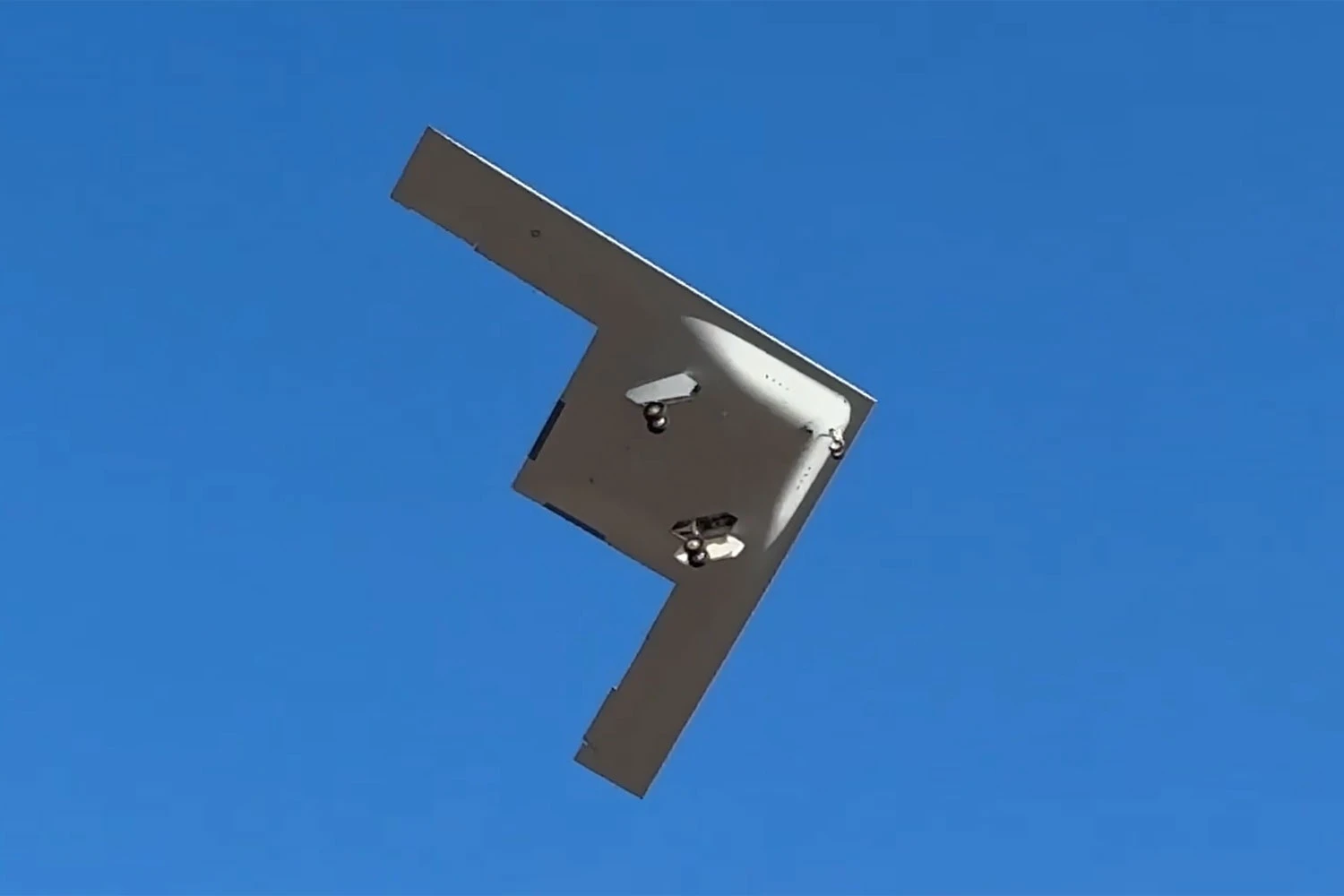
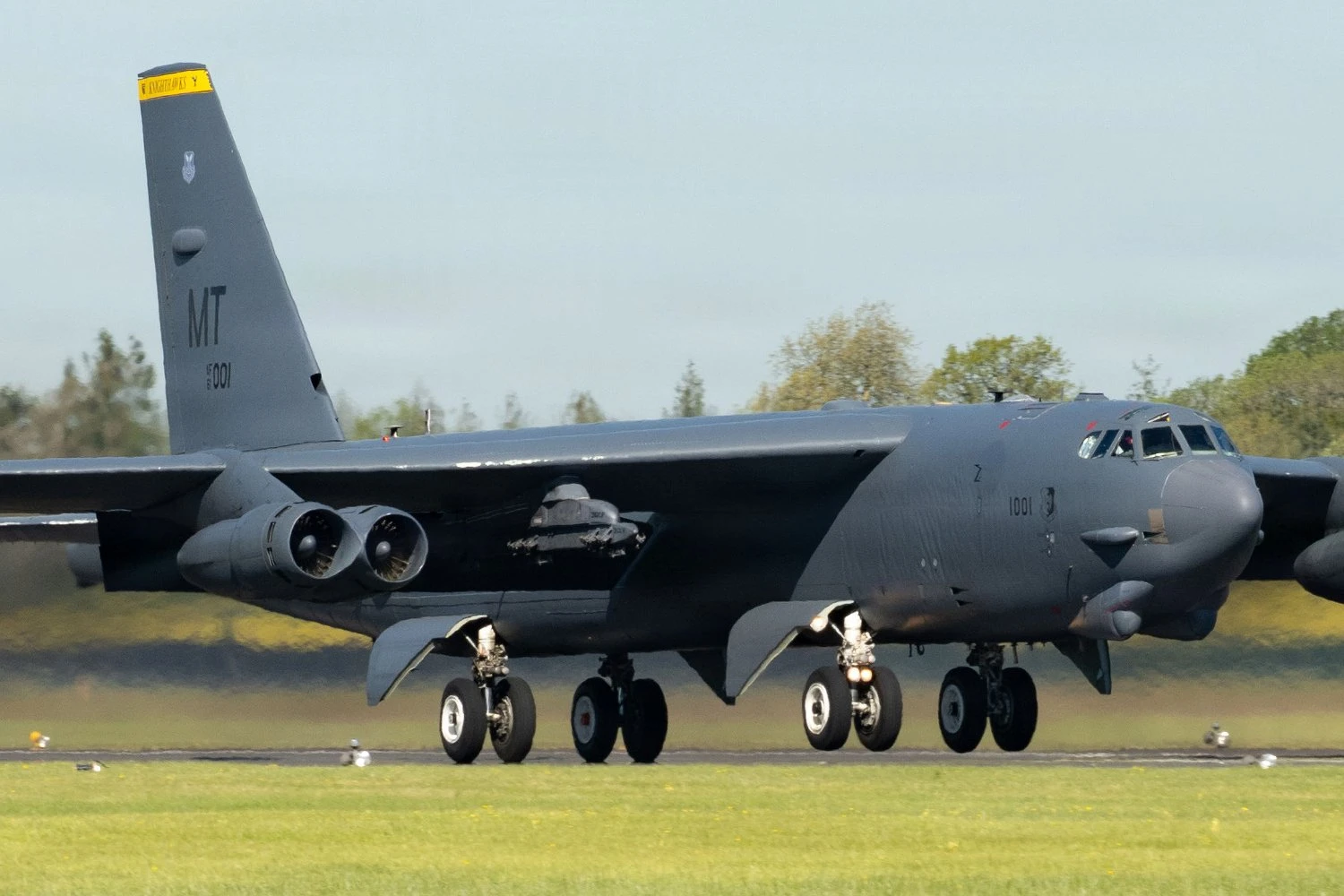
The debate touches on a recurring problem in US bomber programs. The previous stealth bomber, the B-2, was originally planned in far larger numbers but ultimately capped at 21 aircraft due to cost and changing strategic priorities.
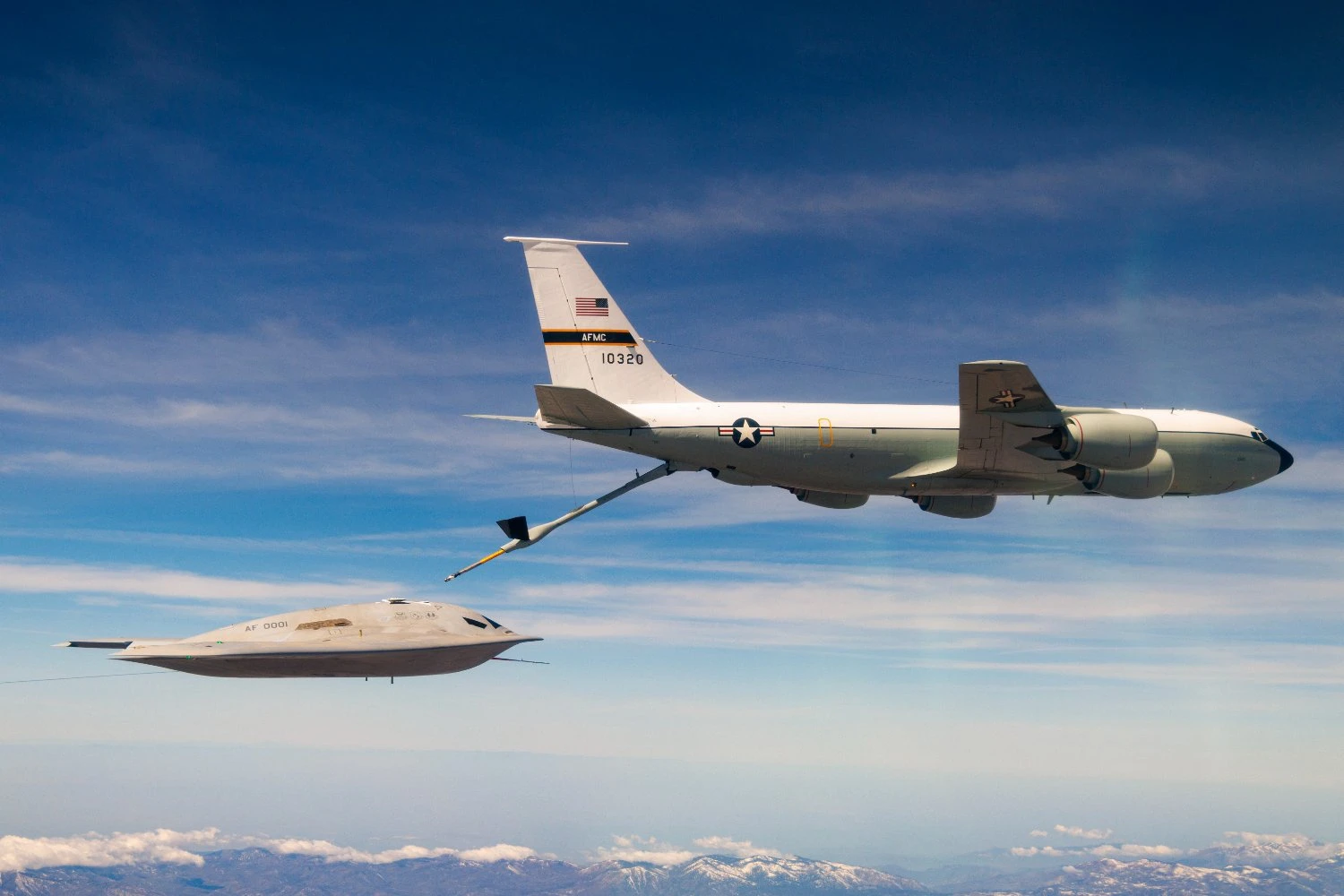
The B-21 is scheduled to enter operational service later this decade, with initial aircraft expected to be based at Ellsworth Air Force Base in South Dakota. Flight testing is already underway, including recent milestones such as aerial refueling trials, as the program moves toward early operational capability.