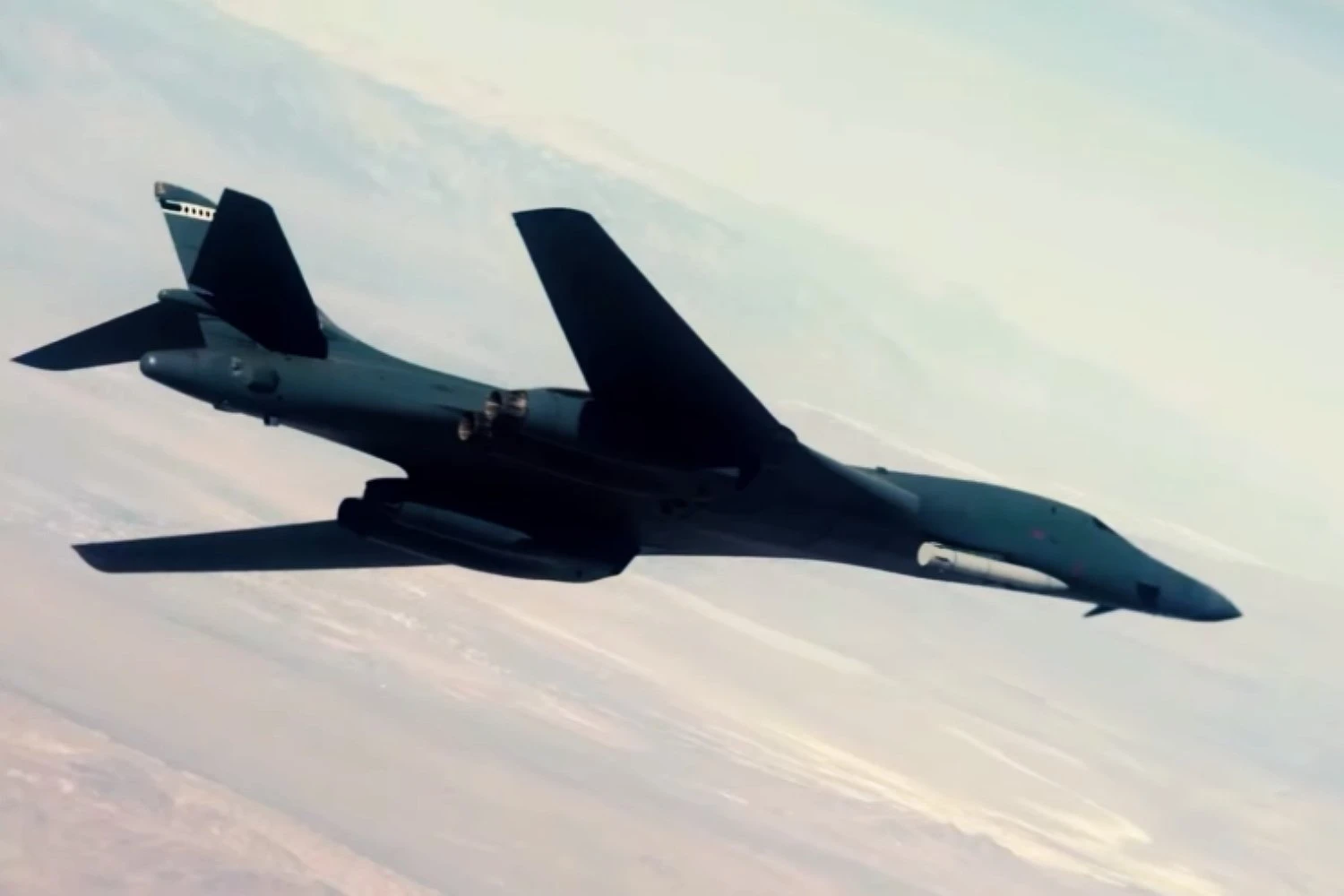
A B-1B Lancer bomber has been seen carrying the AGM-183A ARRW for the first time, based on a short clip from a U.S. Air Force video highlighting maintenance crews at Edwards Air Force Base. The presence of the missile was first identified by The Aviationist.
The roughly two-second segment appears in a broader video showcasing the work of maintainers responsible for supporting a wide range of U.S. Air Force aircraft, including test and development platforms operated at Edwards.
The clip shows the weapon mounted on an external pylon under the bomber’s fuselage, a configuration previously used for test loads and targeting pods. The timing of the flight has not been disclosed.
https://www.instagram.com/reel/DXt5uAOCM5B/
The U.S. Air Force has previously indicated interest in integrating the ARRW on the B-1B, but the missile has so far been primarily associated with the Boeing B-52H Stratofortress, which has served as its main test platform.
The ARRW is designed as a high-speed, air-launched weapon intended to strike time-sensitive targets at long range. The program faced multiple test setbacks in earlier phases, and the Air Force had indicated it would not proceed with procurement, although testing continued to gather data on hypersonic technologies.
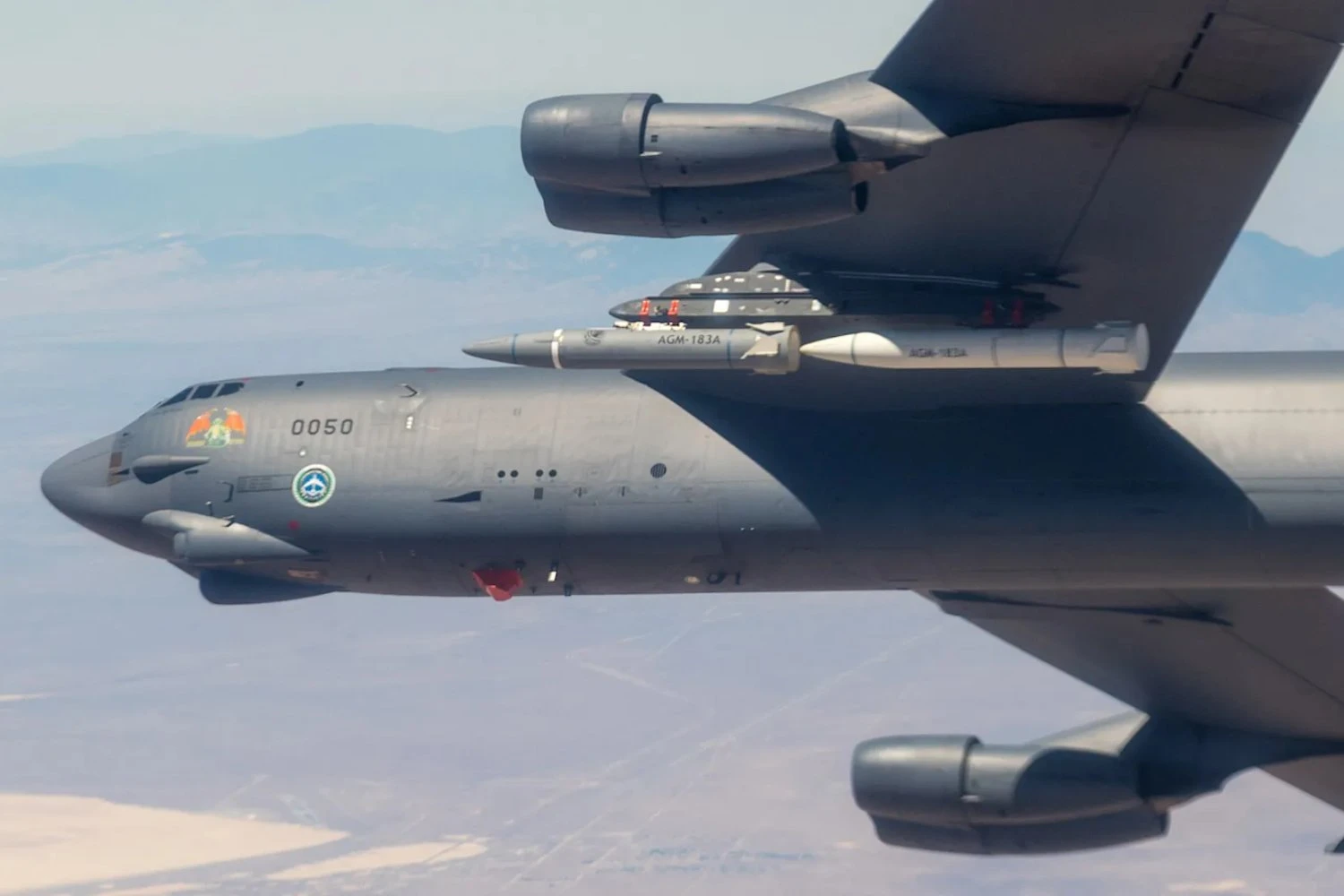
Recent budget documents point to renewed funding tied to an upgraded version of the weapon and related systems, including its integration on additional platforms such as the B-1B.
The appearance of the missile on the B-1B also aligns with efforts to expand the bomber’s weapons options through new external pylons, allowing it to carry larger and more diverse munitions.
The development comes as the U.S. Air Force reassesses the future of the B-1B fleet. The service operates 44 aircraft and plans to keep them in service through at least 2037, supported by about $342 million in upgrades between fiscal years 2027 and 2031.
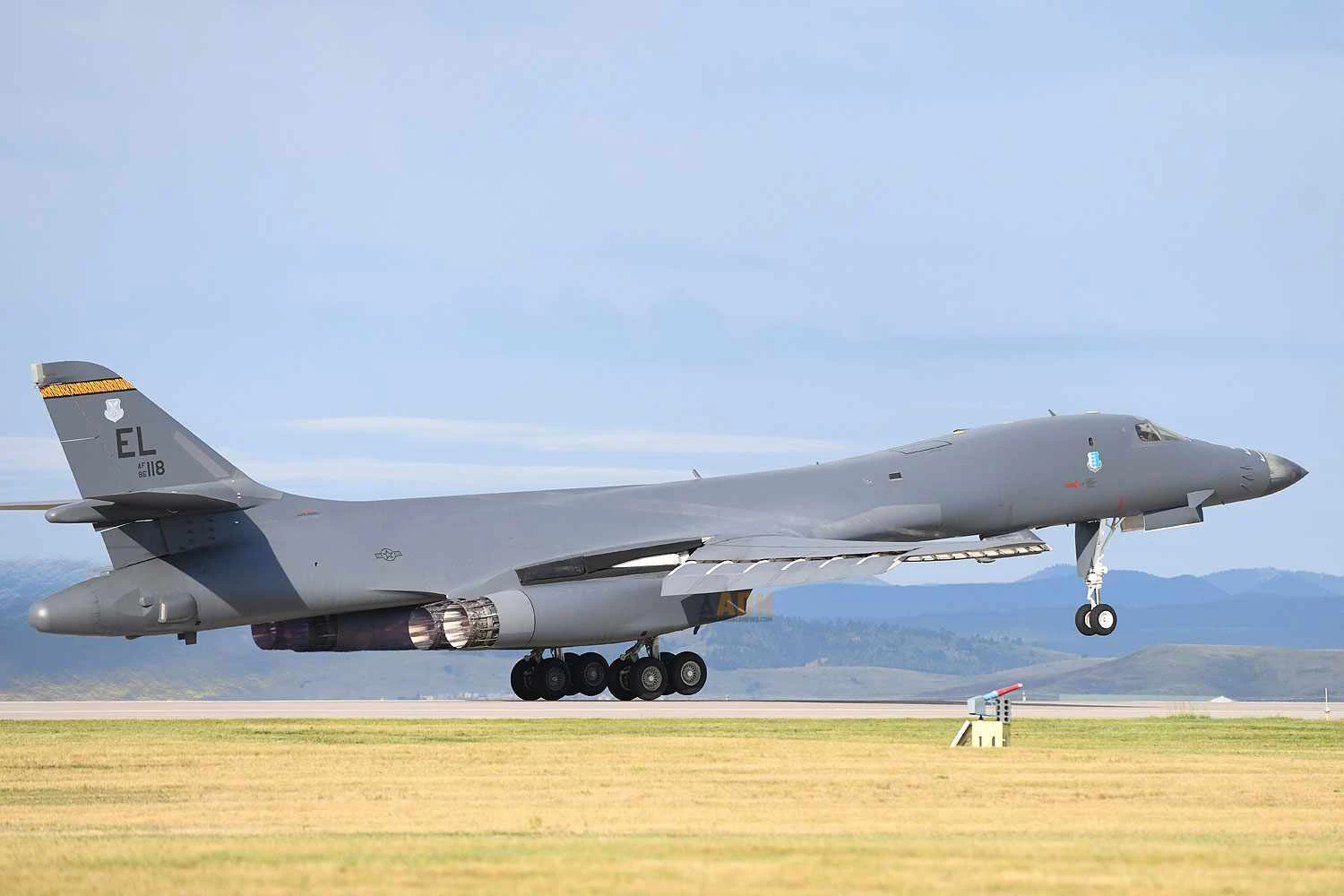
While no longer nuclear-capable, the B-1B remains the Air Force’s largest conventional weapons carrier and continues to play a role in long-range strike missions.
The bomber’s extended timeline reflects adjustments to fleet planning, with both the B-1B and the Northrop Grumman B-2 Spirit now expected to remain in service longer than previously planned, amid delays in the introduction of the Northrop Grumman B-21 Raider and a shifting geopolitical environment.