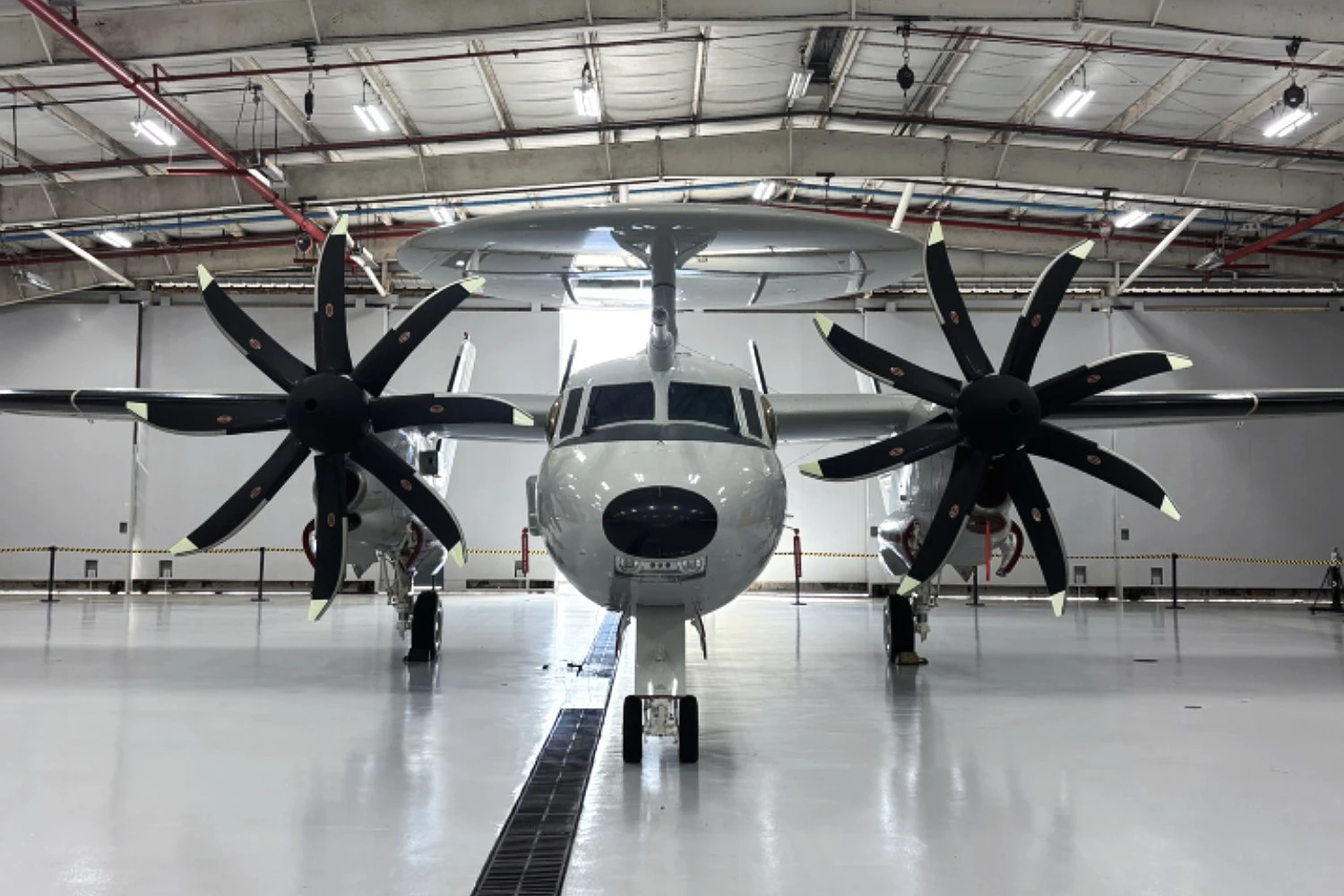
Northrop Grumman has delivered the 70th E-2D Advanced Hawkeye to the U.S. Navy, as the long-running platform continues to evolve through incremental upgrades.
The company said a total of 82 E-2D aircraft have been produced so far, including units delivered to Japan.
The E-2D is the latest version of the Hawkeye family, originally developed in the late 1950s by Grumman as a purpose-built airborne early warning aircraft. The program has remained in continuous production in various forms since then, giving it one of the longest production runs among carrier-based aircraft.
Recent news

September 16, 2026

September 16, 2026

September 16, 2026
The aircraft provides airborne surveillance and battle management for carrier strike groups, detecting and tracking threats while coordinating responses across naval and joint forces.
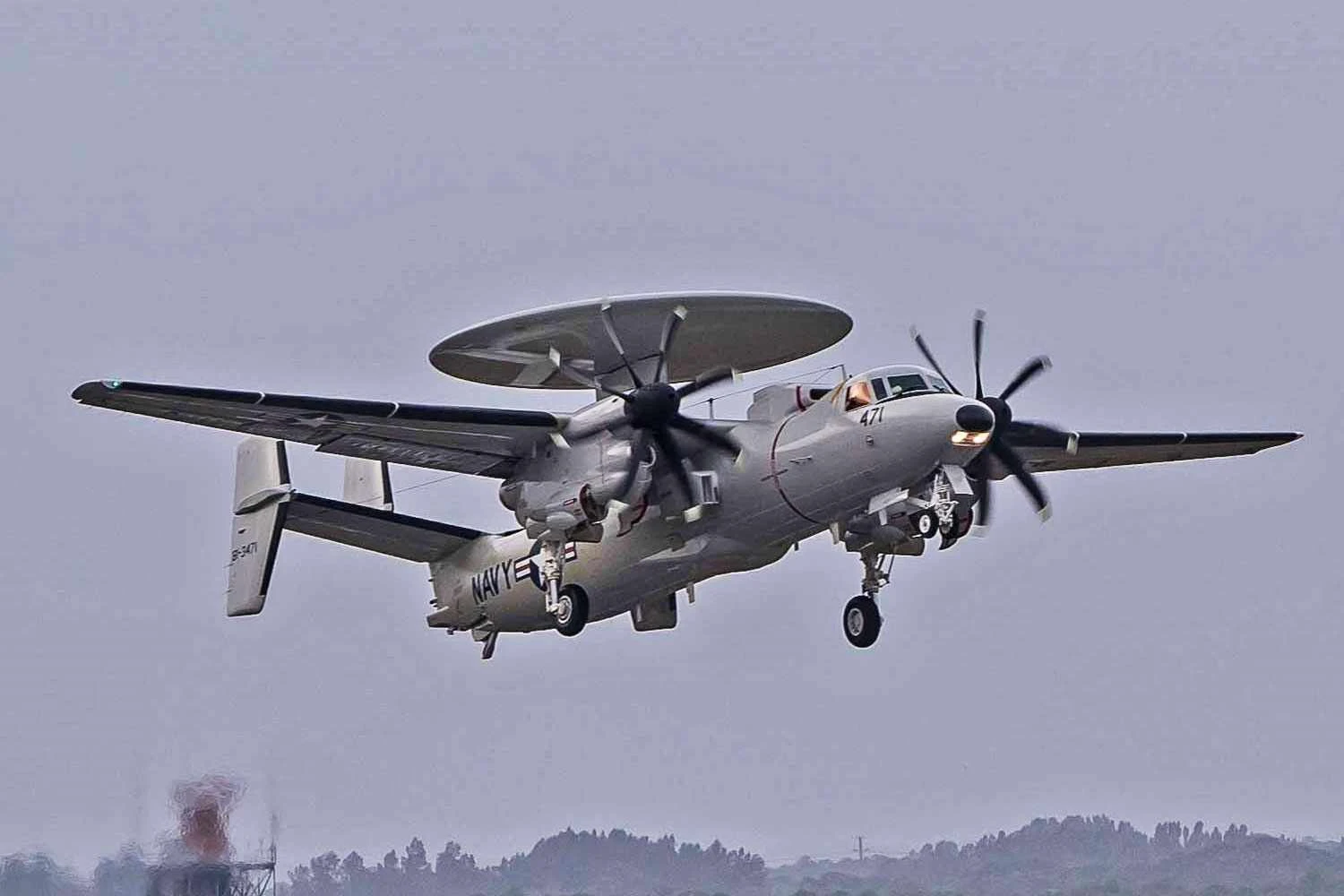
Despite successive upgrades, the Hawkeye retains its distinctive rotating radar antenna mounted above the fuselage, rather than adopting fixed active electronically scanned array configurations seen on newer platforms such as the Boeing E-7 Wedgetail.
The current E-2D variant first flew in 2007 and introduced a new radar and updated mission systems, improving detection range and data-sharing capabilities compared with earlier versions.
Ongoing modernization efforts continue to focus on the radar and mission systems. Recent flight tests validated a new Digital Receiver Exciter Recorder (DREXR) upgrade developed with Lockheed Martin, designed to enhance radar performance and extend operational life.
Follow Air Data News: WhatsApp | Google News | Instagram | LinkedIn | Twitter | Facebook
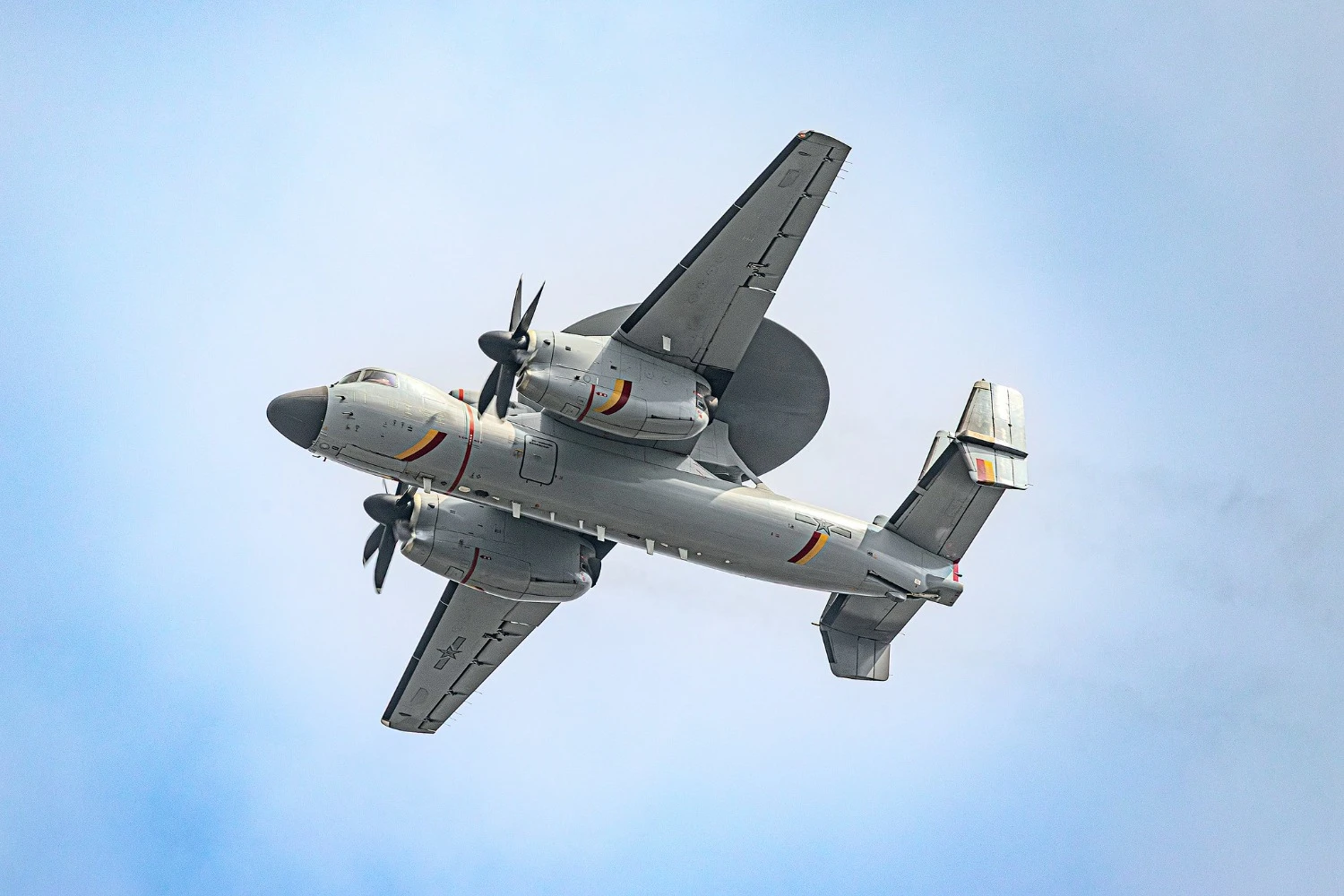
The U.S. Navy operates a mixed fleet of E-2C and E-2D aircraft, with additional units on order. China is also developing a similar carrier-based early warning aircraft, the Xi'an KJ-500A, intended to operate from the Fujian aircraft carrier.