The Boeing 737 MAX 10 has finally received certification from the Federal Aviation Administration (FAA), nearly a decade after the largest member of the MAX family was launched. Boeing says it has accumulated 1,555 orders from more than 30 customers.
The FAA approved the amended type certificate on Tuesday after a flight-test program that included nearly 1,000 flights and more than 2,000 flight hours. The approval clears Boeing to begin deliveries, although certification from authorities outside the United States is still required for some customers.
The first delivery is expected in early 2027. Aviation Capital Group (ACG), which has 63 MAX 10s on order, says it will deliver the first aircraft to Canadian carrier WestJet.
Boeing does not publish a complete customer-by-customer breakdown of its MAX backlog by variant, which makes reconstructing all 1,555 orders difficult. Public orders and fleet data, however, identify most of the aircraft and show a backlog heavily concentrated among a relatively small group of airlines.
United remains the largest customer
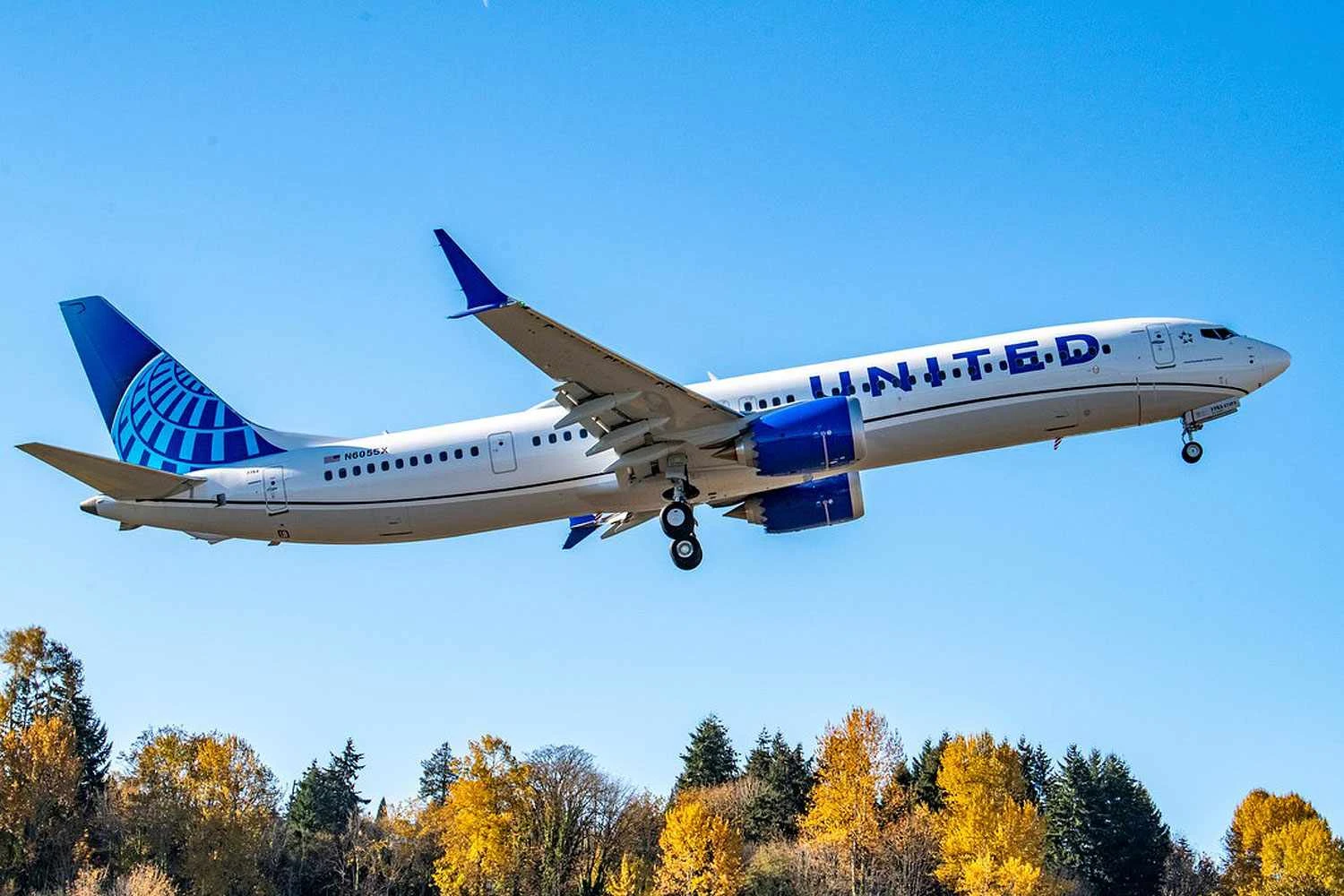
United Airlines has the largest identified MAX 10 order, with 167 aircraft. The US carrier was one of the original customers announced when Boeing launched the variant in 2017 and was described by the manufacturer as a launch customer.
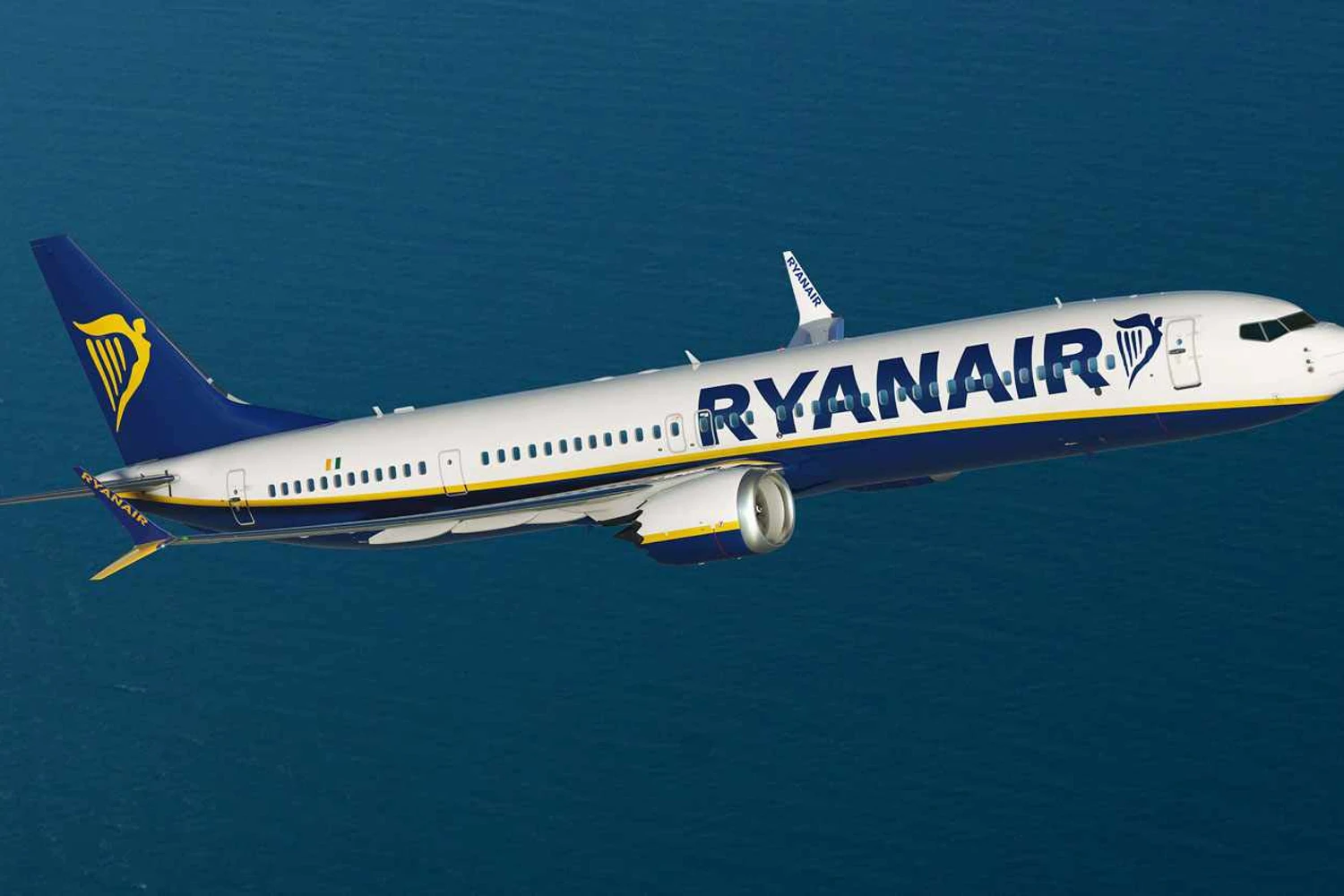
Ryanair follows with 150 firm orders and options for another 150 aircraft. The Irish group ordered the MAX 10 in 2023 for its future high-capacity fleet.
American Airlines has 115 firm orders after placing a new order for 85 aircraft in 2024 and converting 30 previous MAX 8 orders to the larger variant.
WestJet has 107 direct orders, while VietJet Air has 106. Alaska Airlines follows with 105 aircraft after placing its first MAX 10 order in January 2026.

Luxair Boeing 737-10 (Boeing) 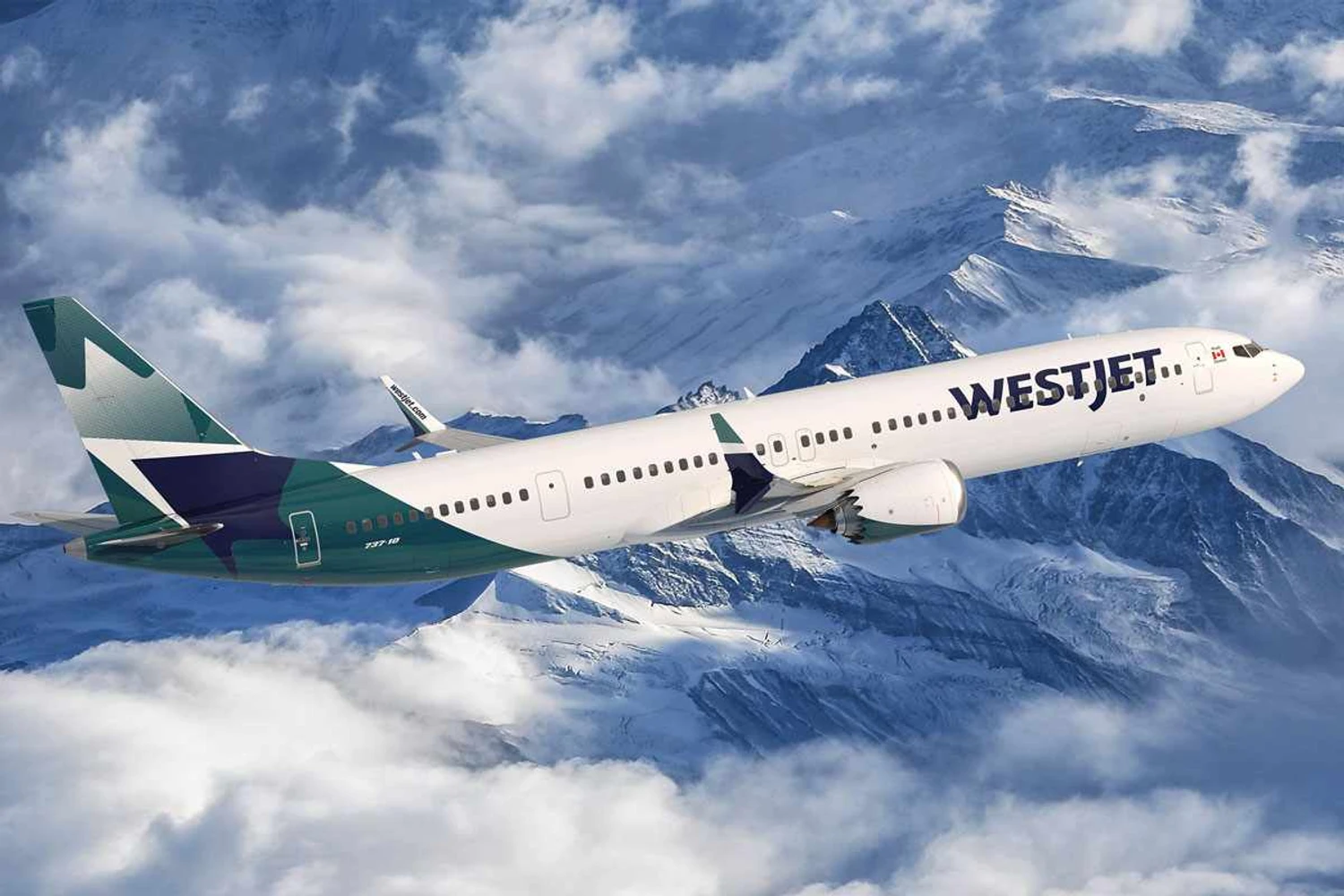
A WestJet receberá pelo menos 50 737 MAX 10 (Boeing) 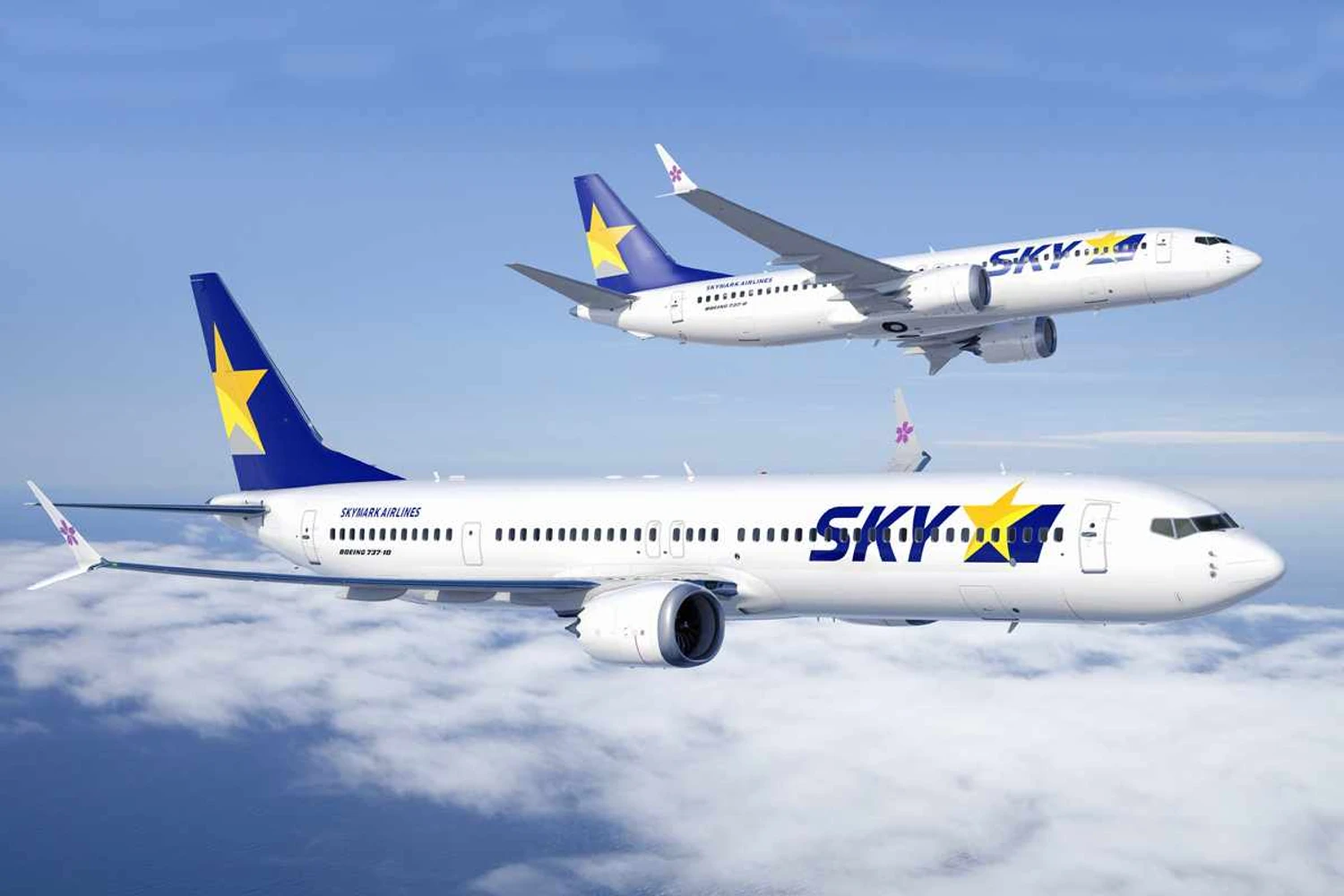
Tradicional operador de aeronaves da Boeing, Skymark Airlines quer renovar sua frota com os jatos 737-8 e 737-10 (Boeing)



Delta Air Lines and Pegasus Airlines each have 100 firm orders. These seven airline groups alone account for 844 aircraft, or about 54% of Boeing's entire MAX 10 order book.
Akasa Air is another major customer, although its exact position is less clear. The Indian airline ordered 150 aircraft in 2024 divided between the MAX 10 and high-density MAX 8-200. Boeing did not disclose the split, but fleet databases attribute about 99 of those aircraft to the MAX 10.
Related news
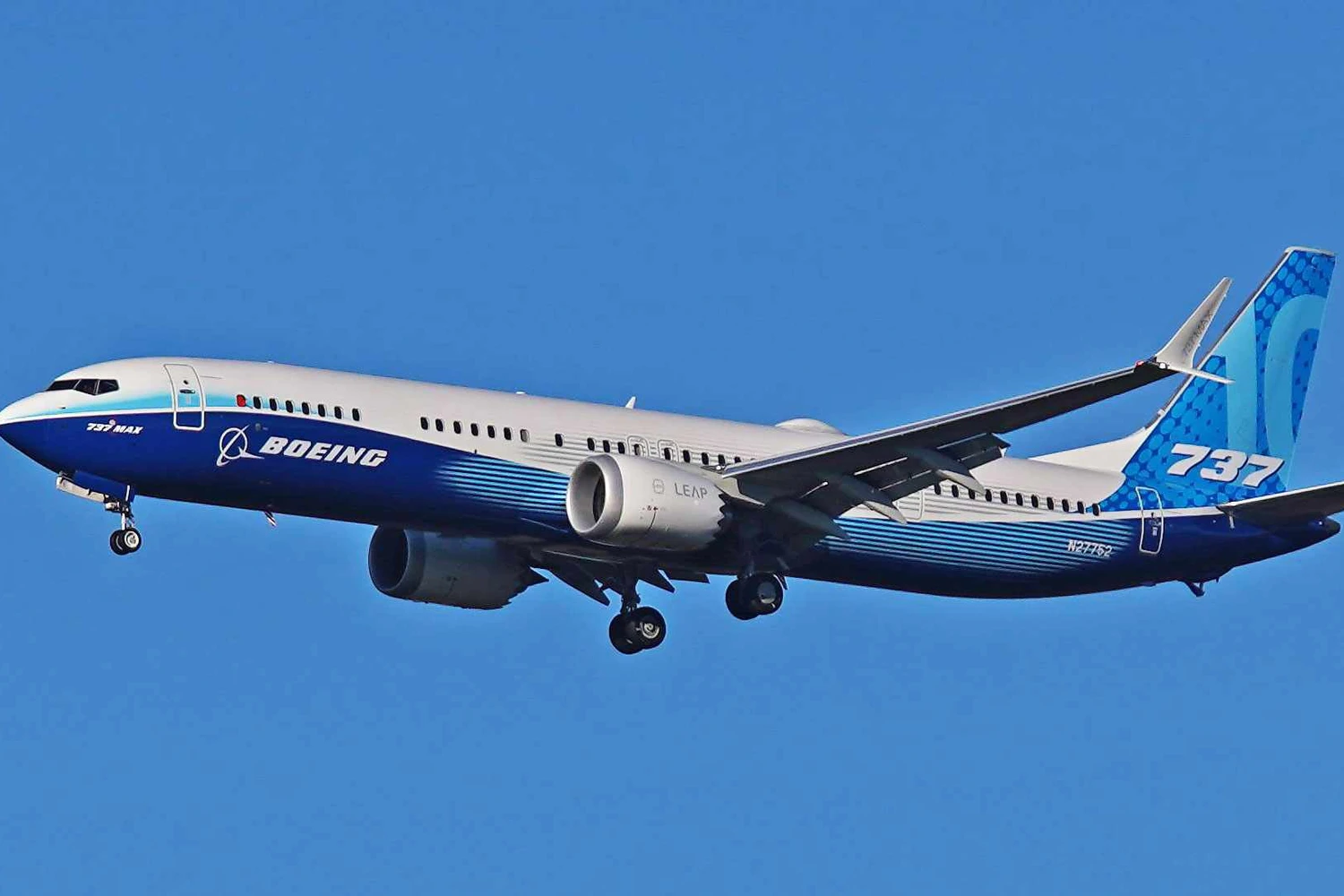
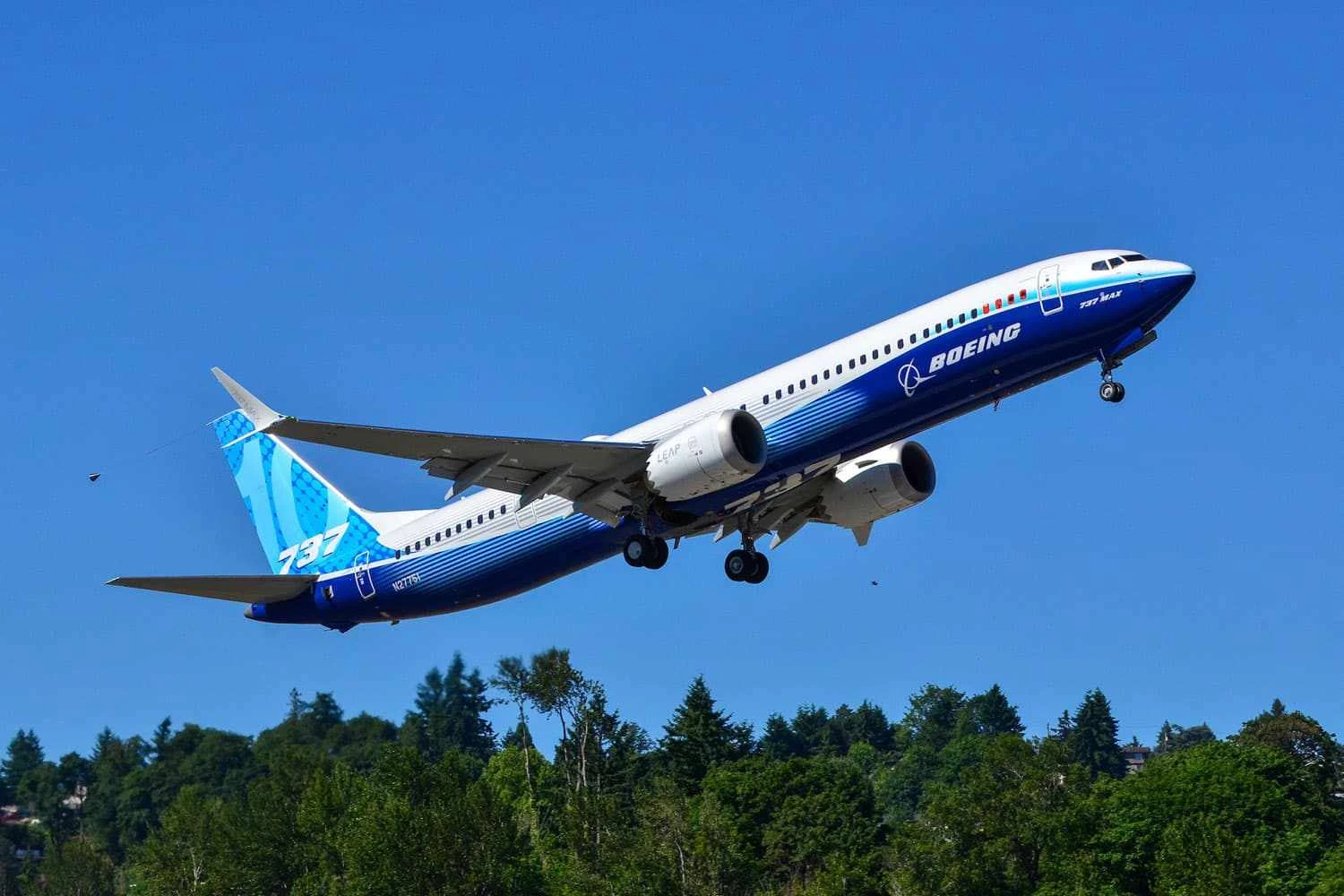
Lessors also hold substantial positions. ACG has 63 firm orders and SMBC Aviation Capital has 60. Aircraft from these orders will eventually appear in the fleets of other airlines, which creates another complication when MAX 10 customer lists are compared.

Korean Air has 50 MAX 10s on firm order after completing an agreement announced in 2025. Lion Air Group also ordered 50 aircraft, while Brazilian carrier GOL has been associated with 42 MAX 10s following conversions and additions to its earlier MAX order.
SpiceJet has 40 aircraft attributed to the variant. IAG ordered 25 MAX 10s, which are intended for Vueling, while Lufthansa Group has 20.
Smaller customers include TUI Group with 18, SunExpress with 17, Copa Airlines with 15, Malaysia Aviation Group with 12 and Air India with 10.
Donghai Airlines and Xiamen Airlines have also been associated with orders for 10 MAX 10s each. Other customers with smaller commitments include EL AL, Okay Airways, Luxair and several companies whose original MAX orders have undergone conversions or changes since they were announced.
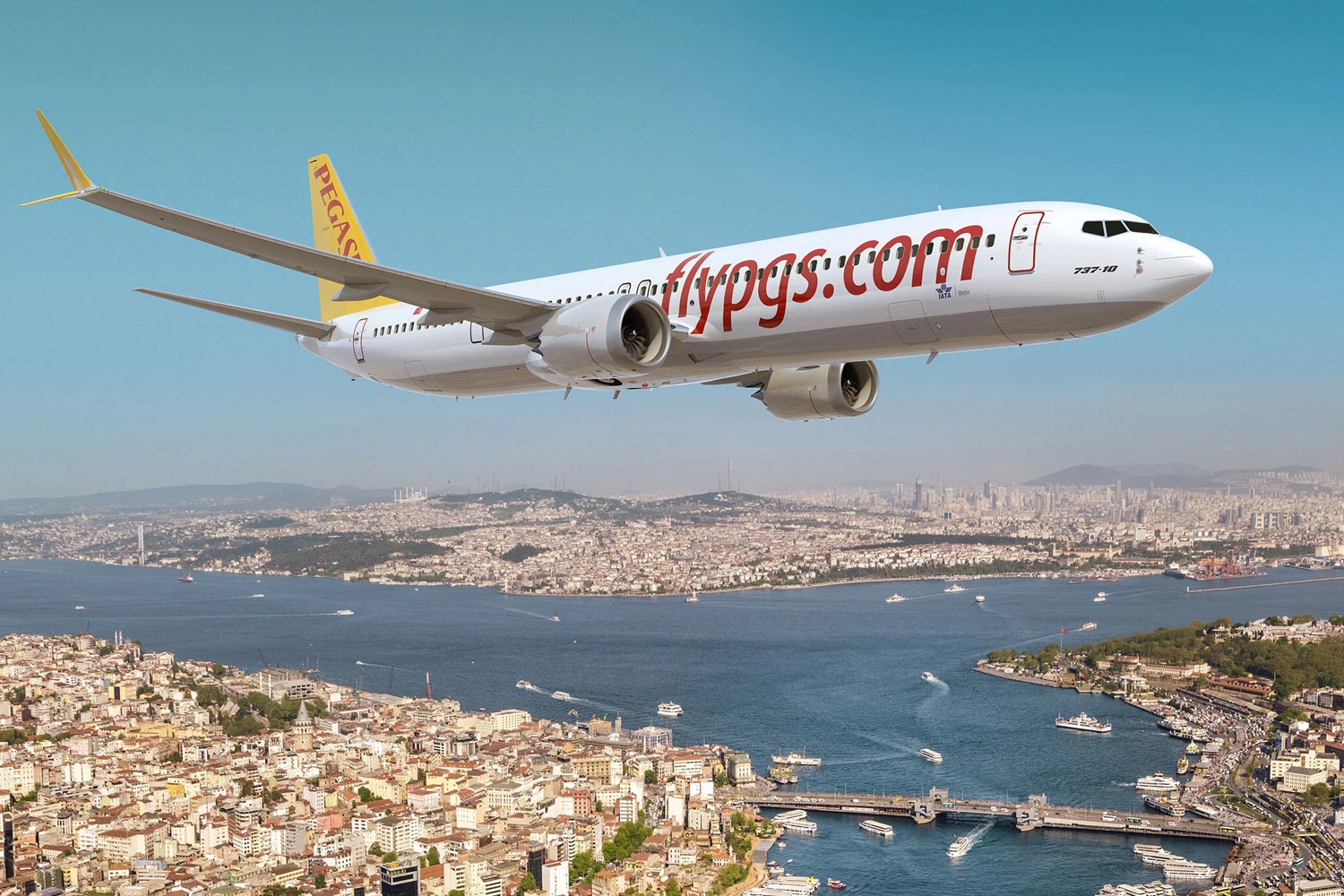
Pegasus 737-10 (Boeing) 
Aviation Capital Group Boeng 737-10 rendering


Orders do not always reveal the operator
Leasing companies make the picture more complicated. An airline can be publicly identified as a future MAX 10 operator without having ordered the aircraft directly from Boeing.
Aerolíneas Argentinas, for example, is due to receive six MAX 10s from ACG. Skymark Airlines has also been identified as an operator of MAX 10s supplied by the lessor. Those aircraft cannot be added to Boeing's 1,555 total separately because they are already included in ACG's 63 orders.
WestJet provides another example. It has its own large direct order with Boeing but is also scheduled to operate the first MAX 10 delivered by ACG.
The distinction also helps explain ACG's description of itself as a launch customer after certification. United was identified by Boeing as a launch customer of the MAX 10 program years earlier, while ACG is expected to own the first aircraft delivered and WestJet is scheduled to operate it.

Why the numbers do not add up neatly
Some of the remaining MAX 10 backlog cannot be reconstructed precisely from public information.
Boeing has announced orders covering multiple MAX variants without disclosing the final distribution between them. Akasa Air's 150-aircraft deal is one example. Other customers have converted orders from one MAX variant to another during the years that the MAX 10 remained in development.
Several orders announced when the aircraft was launched in 2017 have also changed. Leasing companies have merged, modified their order books or allocated aircraft to airlines, while some customers that originally selected the MAX 10 no longer show the same variant distribution in their current fleets.
Boeing also continues to carry orders attributed to unidentified customers. The company therefore confirms 1,555 MAX 10 orders from more than 30 customers but does not provide enough public detail to assign every aircraft in that total to a named buyer.
The MAX 10 typically accommodates 185 to 210 passengers in a two-class configuration and can carry up to 230 passengers in its maximum-density layout. Its range is 3,100 nautical miles (5,740 km), shorter than the smaller MAX variants but with the highest capacity of any 737 built.
The model now accounts for more than 30% of Boeing's unfilled 737 MAX orders. Nearly 2,500 aircraft from the MAX family had been delivered by the end of September 2026, from 7,350 orders received by Boeing.
