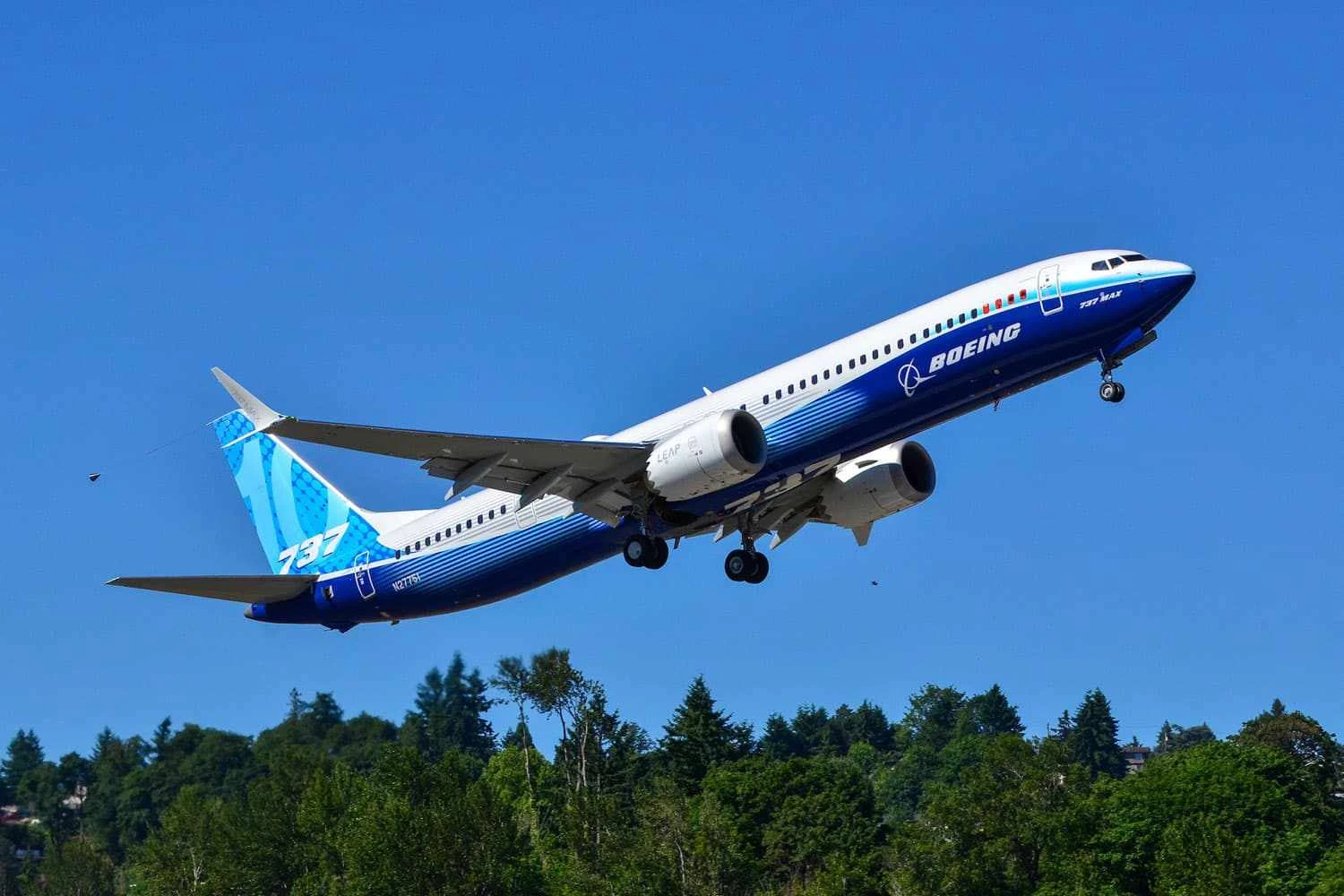
The Boeing 737 MAX 10 could receive Federal Aviation Administration (FAA) certification this Tuesday, nearly a decade after the largest member of the 737 family was launched.
The US regulator is expected to announce the approval during a visit by Transportation Secretary Sean Duffy to Boeing facilities, sources familiar with the matter told Reuters. The certification would allow Boeing to begin preparations for the first deliveries in 2027.
Boeing launched the 737 MAX 10 at the Paris Air Show in June 2017 as its answer to the Airbus A321neo, which had gained a strong position at the upper end of the single-aisle market.
The manufacturer initially expected the aircraft to enter service in 2020. At launch, Boeing announced more than 240 orders and commitments from 10 customers, with United Airlines converting an order for 100 MAX 9s to the larger variant.
Follow Air Data News: WhatsApp | Instagram | LinkedIn | Twitter | Facebook
The MAX 10 is the longest 737 ever developed and can accommodate up to 230 passengers. Boeing lists its range at 3,300 nautical miles (6,110 km), positioning the aircraft primarily on high-capacity short- and medium-haul routes.
Its development was affected by the grounding of the 737 MAX family following two fatal accidents involving the MAX 8 in 2018 and 2019. Boeing eventually rolled out the first MAX 10 in November 2019, but the aircraft did not make its maiden flight until June 18, 2021.
At that point, Boeing expected the model to enter service in 2023. Certification instead continued for another five years.
The flight-test program accumulated 976 flights and more than 2,060 flight hours, according to Boeing. The company completed the final planned certification flight on July 28, 2026.
Further delays involved regulatory requirements and technical issues, including changes related to the engine anti-ice system. More recently, regulators examined a software issue that Reuters reported would not need to be corrected before certification.
Almost 1,500 aircraft on order
Despite the delays, airlines have continued ordering the MAX 10. Boeing now has nearly 1,500 aircraft of the variant in its backlog, accounting for around 30% of its outstanding 737 orders.
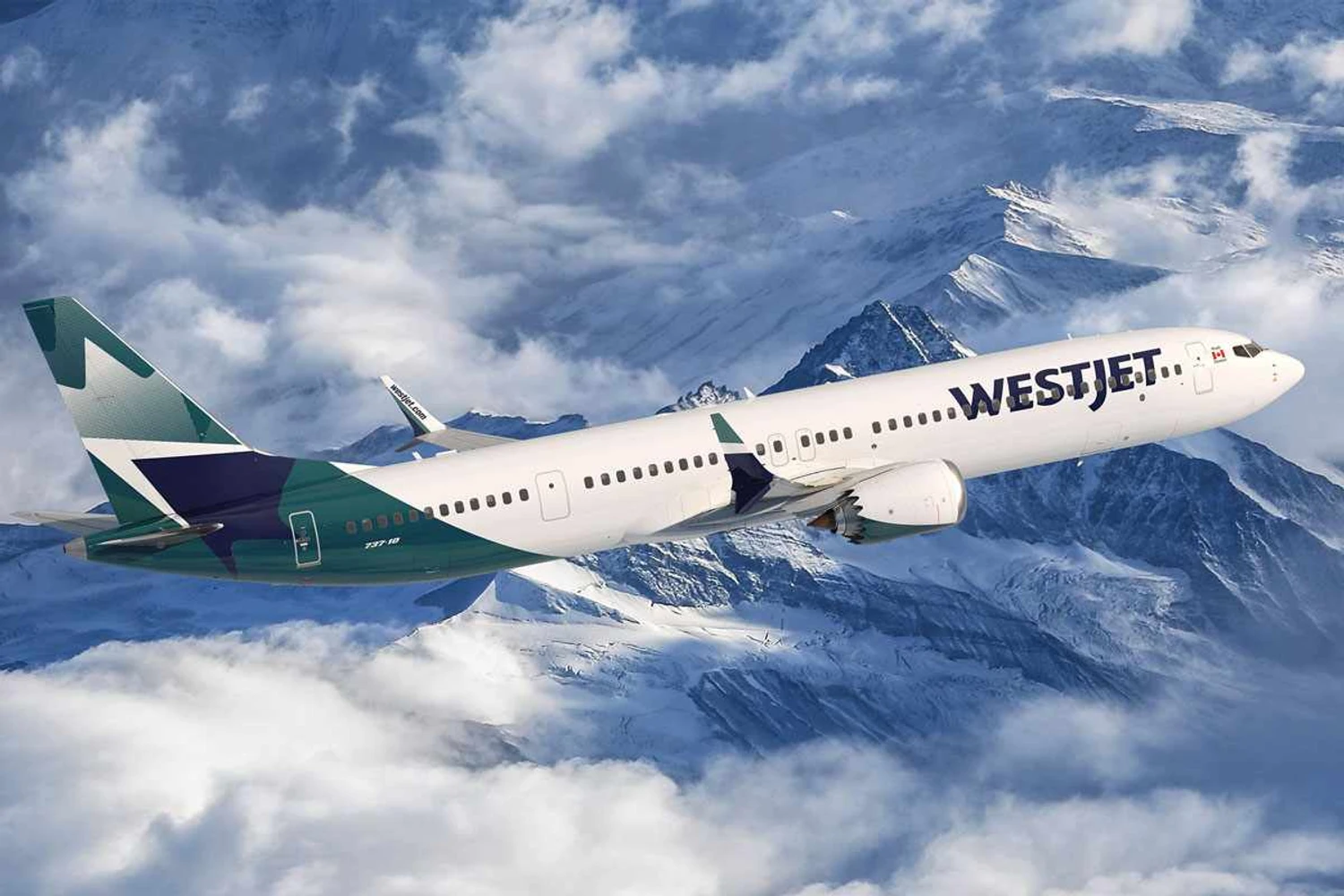
WestJet is expected to become the launch operator of the 737 MAX 10. The Canadian airline has 60 aircraft on direct order and will also receive 13 leased jets from Aviation Capital Group (ACG), including the first MAX 10 expected to be delivered by Boeing.
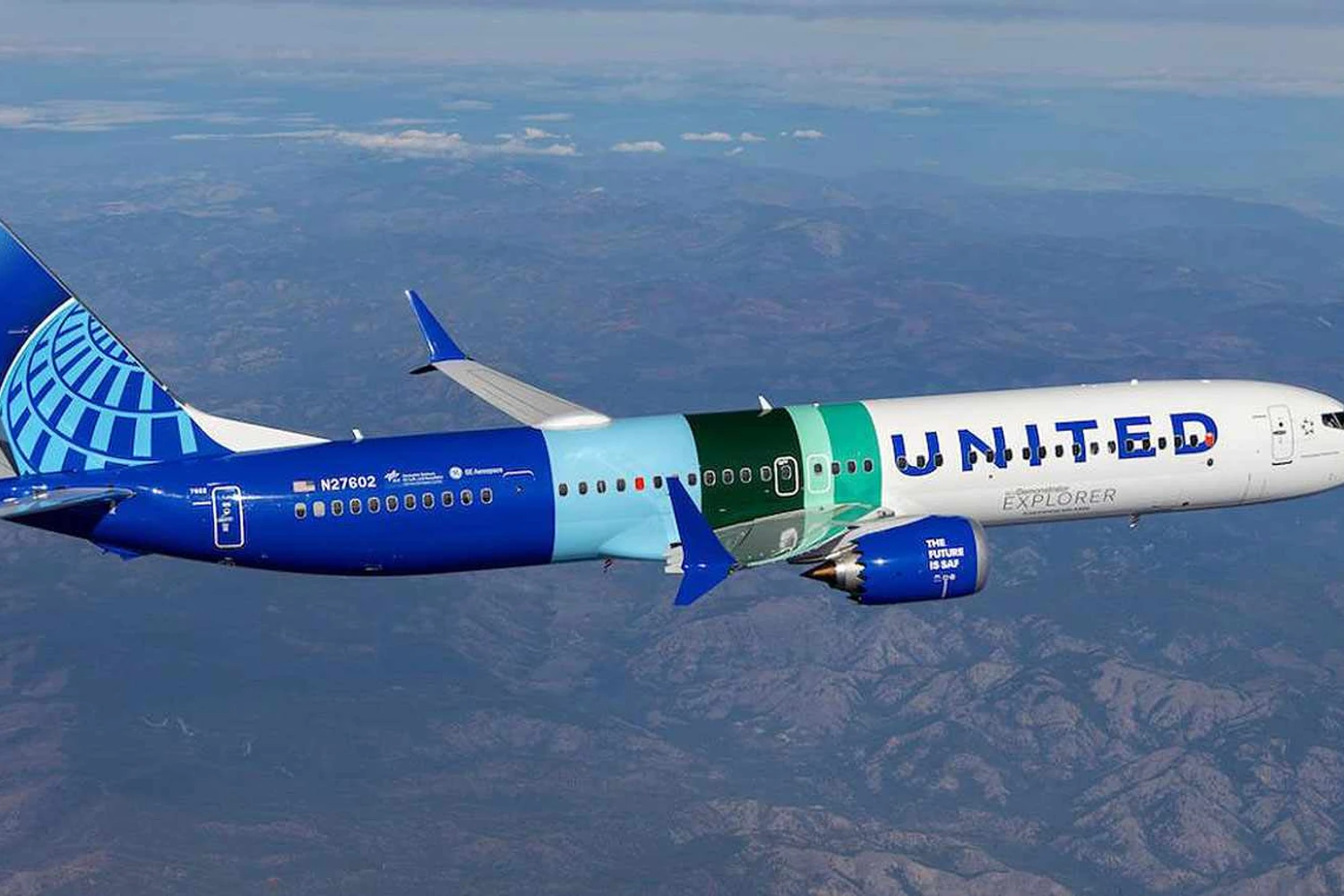
United, Ryanair, Delta Air Lines, Alaska Airlines and American Airlines are among its major customers. Ryanair expects to receive its first MAX 10s in early 2027, provided certification is completed soon.
Boeing has also started building production aircraft ahead of approval. At the end of June, the manufacturer had around 40 completed MAX 7 and MAX 10 aircraft in inventory awaiting certification, although it does not disclose how many belong to each variant.
A321neo rival
The MAX 10 was developed to give Boeing a larger competitor to the Airbus A321neo at the upper end of the single-aisle market.
Boeing lists the 737 MAX 10 with 185 to 210 seats in a typical two-class configuration and a maximum capacity of 230 passengers. Its range is up to 3,100 nautical miles (5,740 km).
The A321neo typically accommodates 180 to 220 passengers and can carry up to 244 in a high-density configuration. Airbus lists a range of up to 4,700 nautical miles (8,700 km), although that figure applies to the longer-range capability available within the A321neo family.
The MAX 10 is slightly shorter, at 43.8 meters compared with 44.5 meters for the A321neo. Both use CFM International LEAP engines, with the Boeing powered by the LEAP-1B and the Airbus available with the LEAP-1A or Pratt & Whitney PW1100G.
The MAX 10 would complete the certification of Boeing's current 737 MAX family. The smaller MAX 7 received FAA approval on August 3 after a certification program that began in 2018.