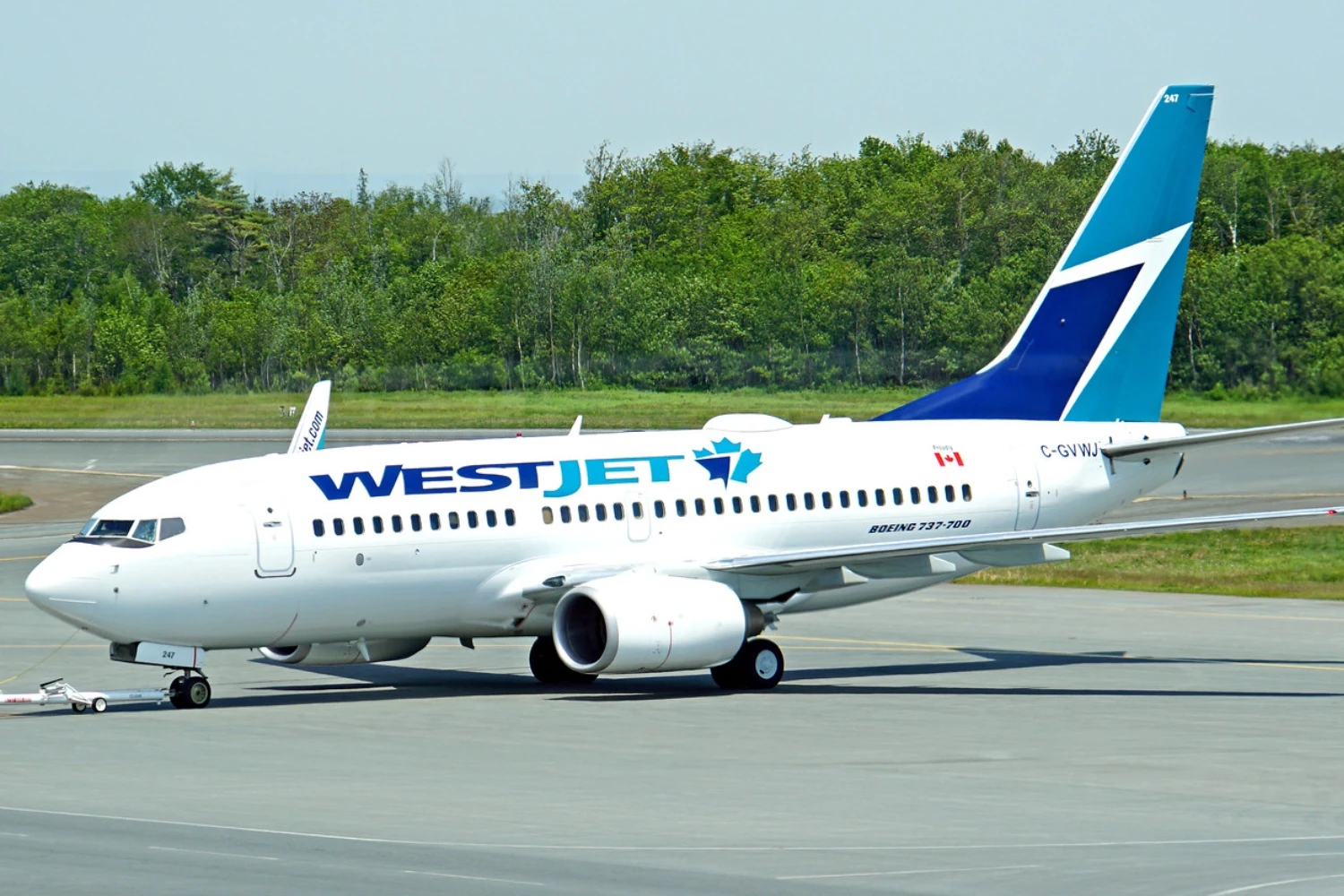
WestJet has begun retiring its Boeing 737-700 fleet through the sale of 27 aircraft to FTAI Aviation, in one of the asset management company’s largest aircraft transactions to date.
The deal allows the Canadian airline to withdraw part of the subfleet while retaining 17 aircraft for a transitional period. Ten other 737-700s will leave service and support FTAI’s engine maintenance and parts business.
Financial terms and a schedule for the remaining aircraft to exit WestJet’s fleet were not disclosed.
FTAI divided the acquisition into two parts. Its 2026 special-purpose investment vehicle acquired 17 aircraft through a sale-and-leaseback agreement.
Follow Air Data News: WhatsApp | Instagram | LinkedIn | Twitter | Facebook
WestJet sold the aircraft to the investment vehicle but will continue to operate them under leases. This structure provides the airline with capital while avoiding the immediate removal of all 27 jets from its network.
The FTAI vehicle focuses on mid-life Boeing 737NG and Airbus A320ceo aircraft that already have operators. Its predecessor, established in 2025, raised $2 billion in equity commitments and has committed approximately $6 billion across more than 300 aircraft.
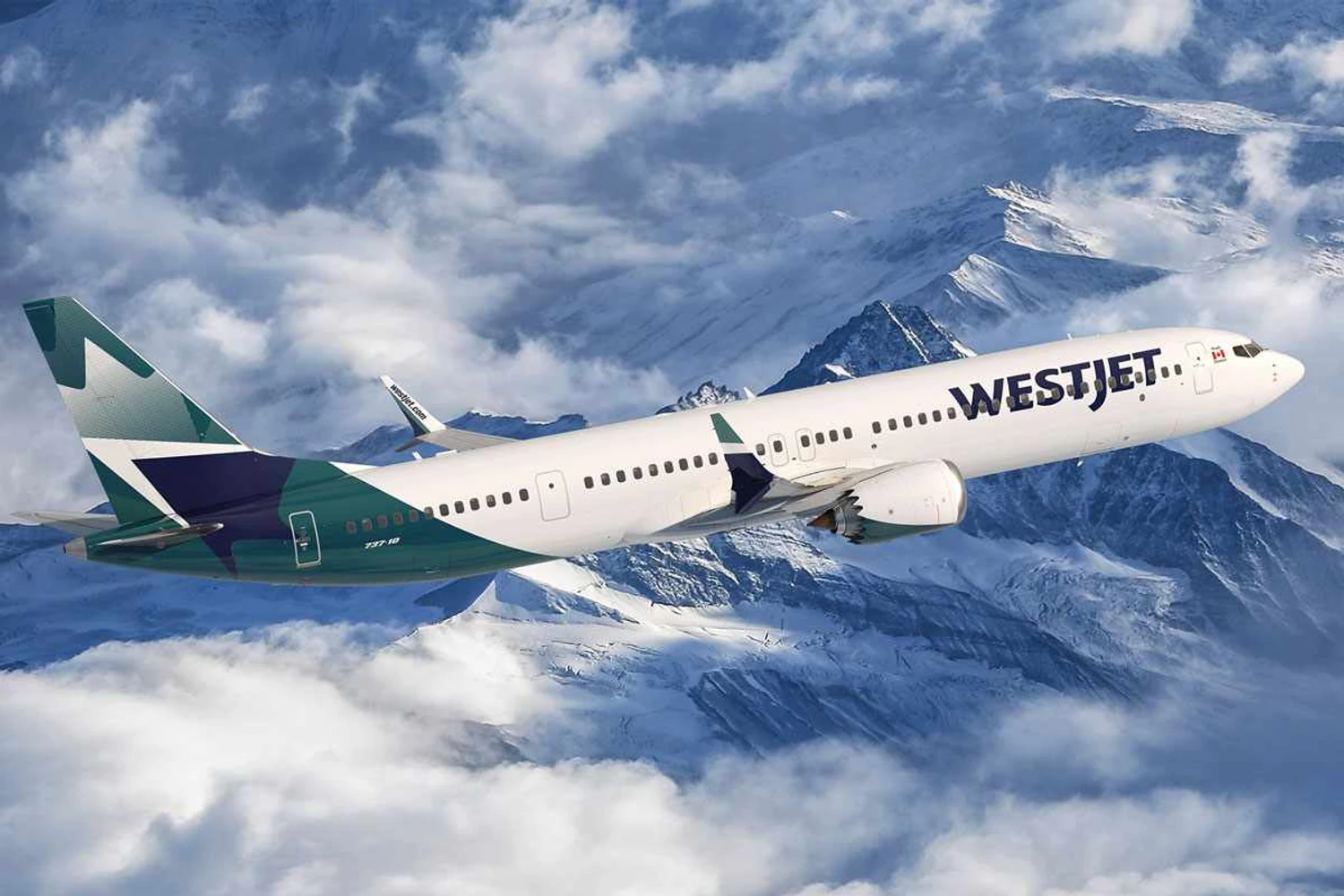
Ten aircraft will supply CFM56-7B engines
FTAI acquired the other ten 737-700s after they came off lease. These aircraft will support its Aerospace Products division rather than return to passenger service with another airline.
Their CFM56-7B engines and modules will enter FTAI’s inventory for maintenance, repair and exchange customers. At least one former WestJet aircraft, previously registered C-GWBF, has already been re-registered in the United States as N757FT and listed as acquired for spare parts.
FTAI’s business combines aircraft ownership with engine maintenance and component supply. The company can retain aircraft that still have economic value under lease while using retired examples to expand its engine exchange pool.
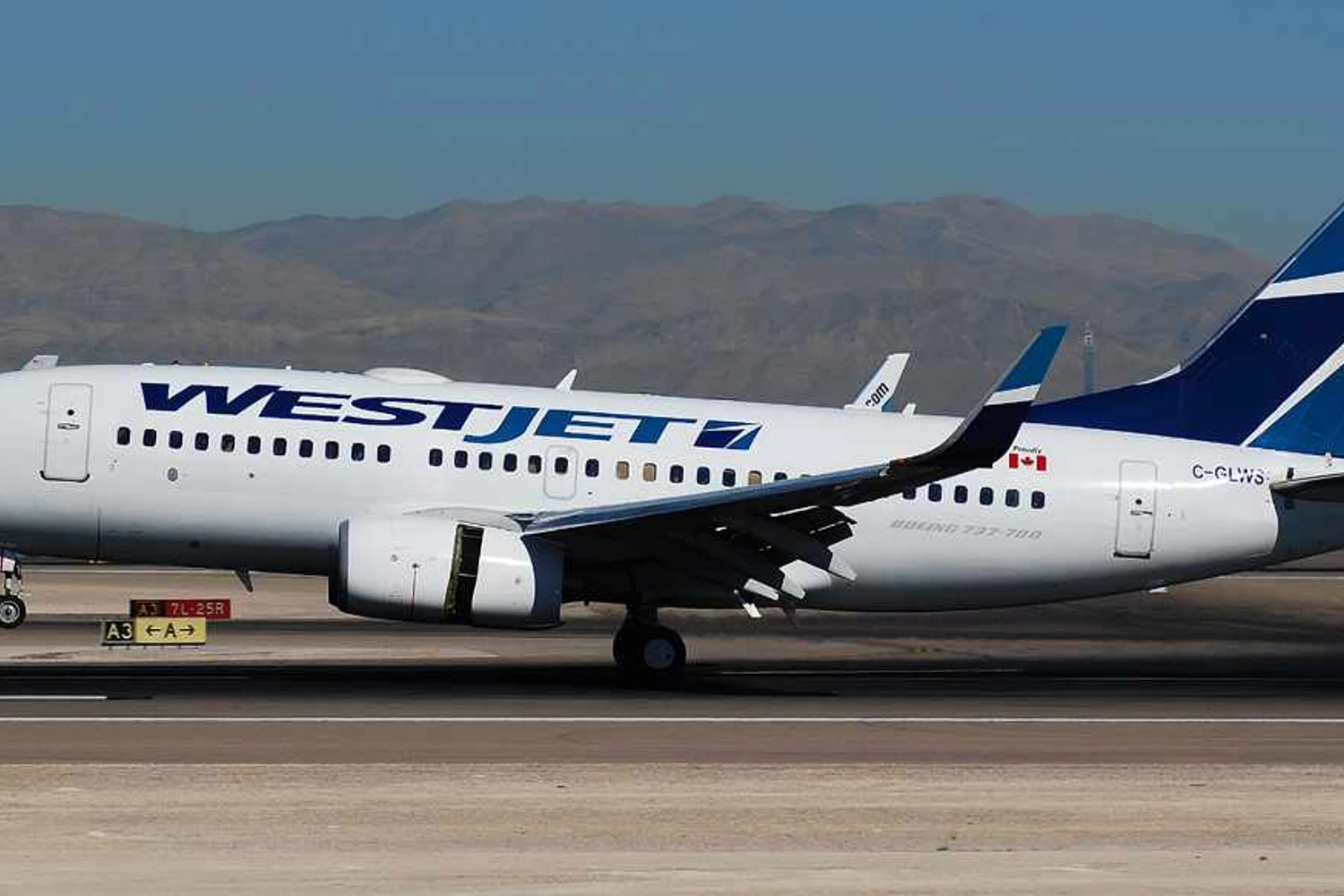
737-700 phaseout starts during MAX expansion
WestJet described the transaction as the official start of its 737-700 retirement. The smaller 737NG variant has been part of the airline’s fleet since 2001 and currently carries 132 passengers in its two-class configuration.
The 737-700 remains useful on lower-demand routes, but its capacity and fuel consumption make it less attractive than newer members of the 737 MAX family. The leaseback portion of the agreement gives WestJet time to replace the aircraft without removing 17 jets from service at once.
The airline placed an order in September 2025 for 60 Boeing 737 MAX 10 aircraft, with options for another 25. The same agreement included seven 787-9 Dreamliners and options for four more widebody jets.