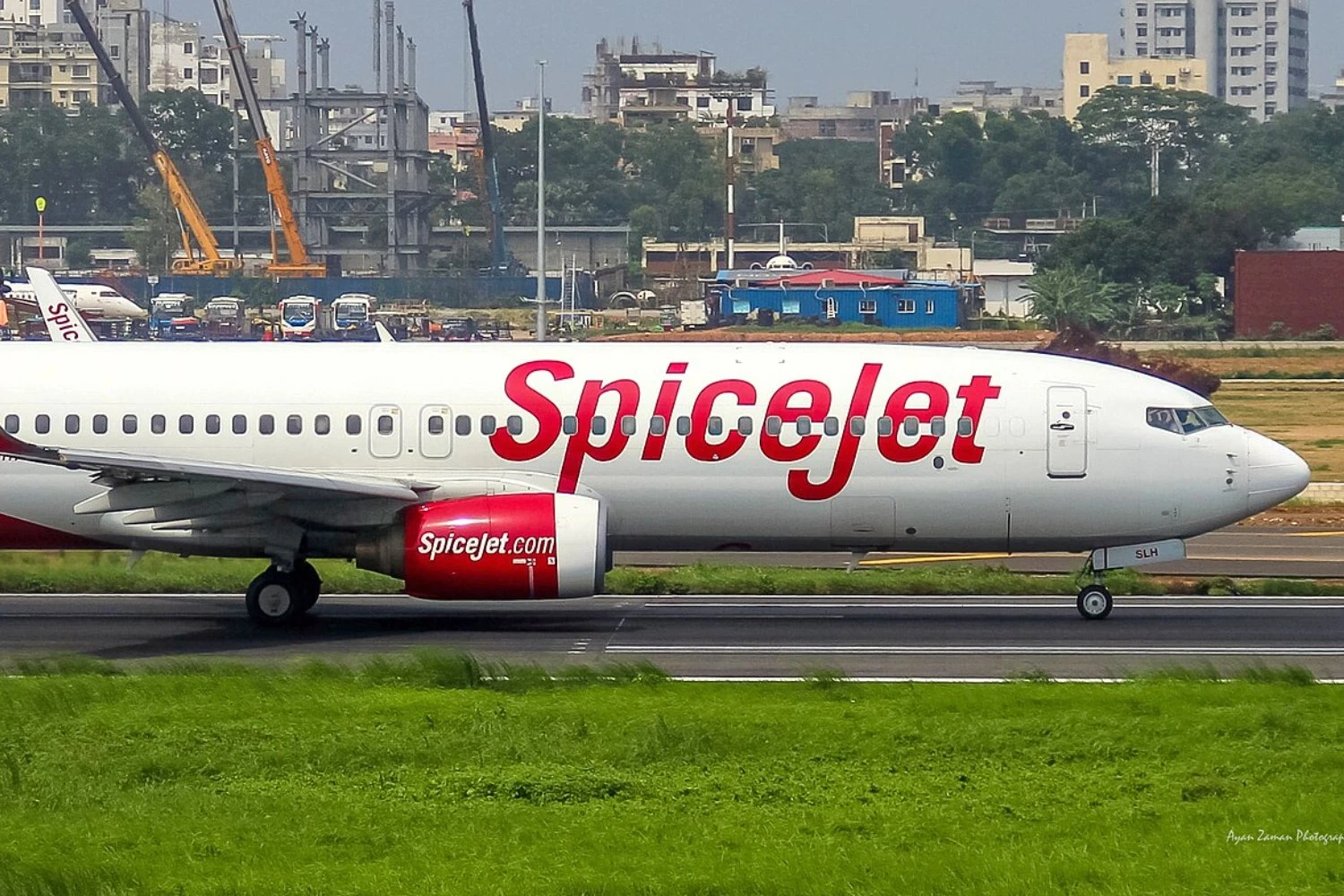
SpiceJet has agreed to bring in 20 aircraft on short-term leases as the Indian low-cost carrier attempts to restore capacity just days after its remaining operational Boeing 737 MAX jets left the fleet.
The airline signed agreements with three operators for 15 Boeing and five Airbus aircraft, which are expected to arrive between mid-October and mid-November. They will be supplied under wet and damp lease arrangements, meaning the aircraft will not become part of SpiceJet's permanent owned or dry-leased fleet.
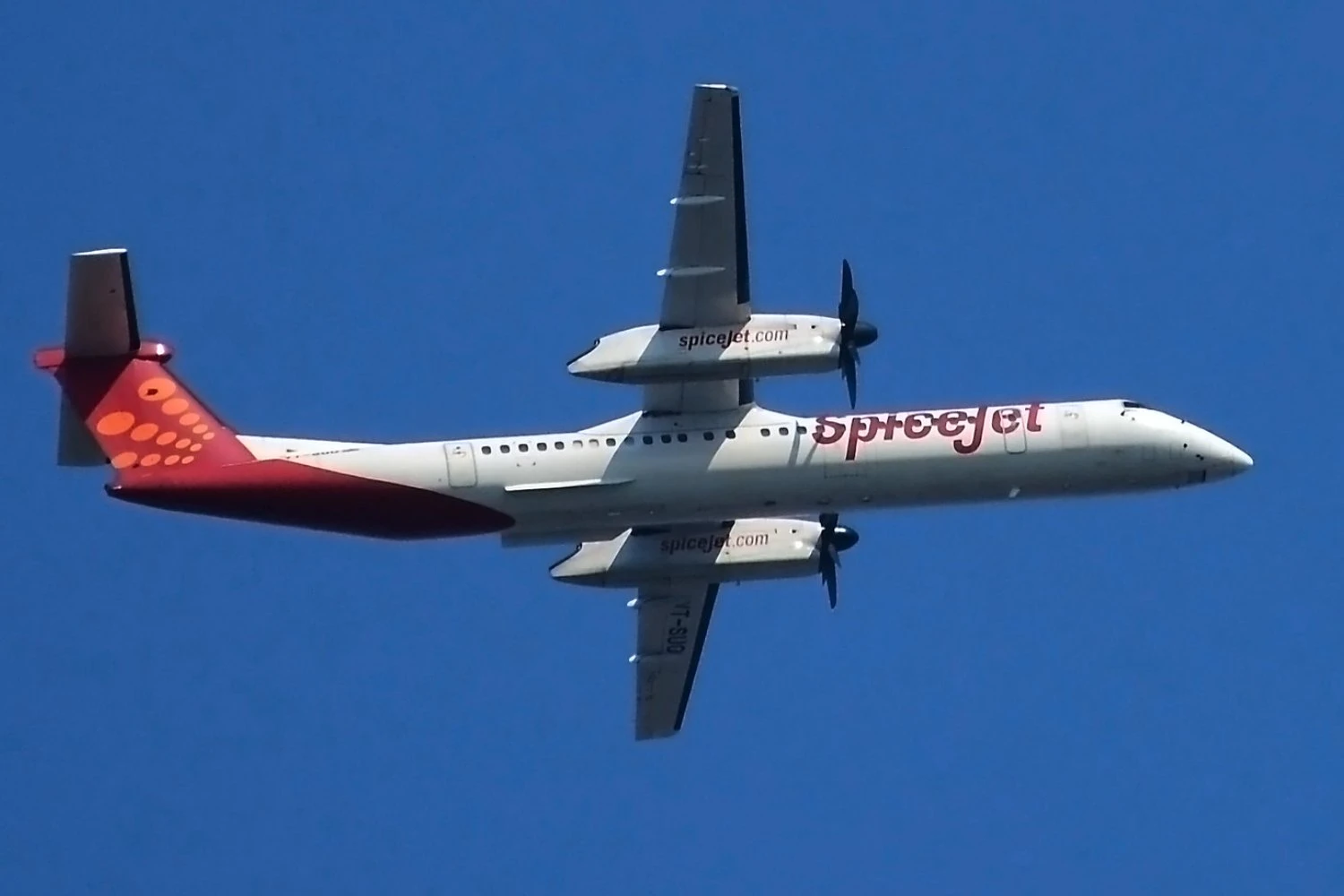
Some of the Airbus aircraft will be A321s, adding a higher-capacity type to an operation historically centered on the Boeing 737 and De Havilland Canada Dash 8-400.
SpiceJet expects the additional aircraft to help increase its schedule to around 200 daily flights during India's winter travel season. The plan is substantial compared with the airline's current operation, which has shrunk to only 11 active aircraft.
Follow Air Data News: WhatsApp | Instagram | LinkedIn | Twitter | Facebook
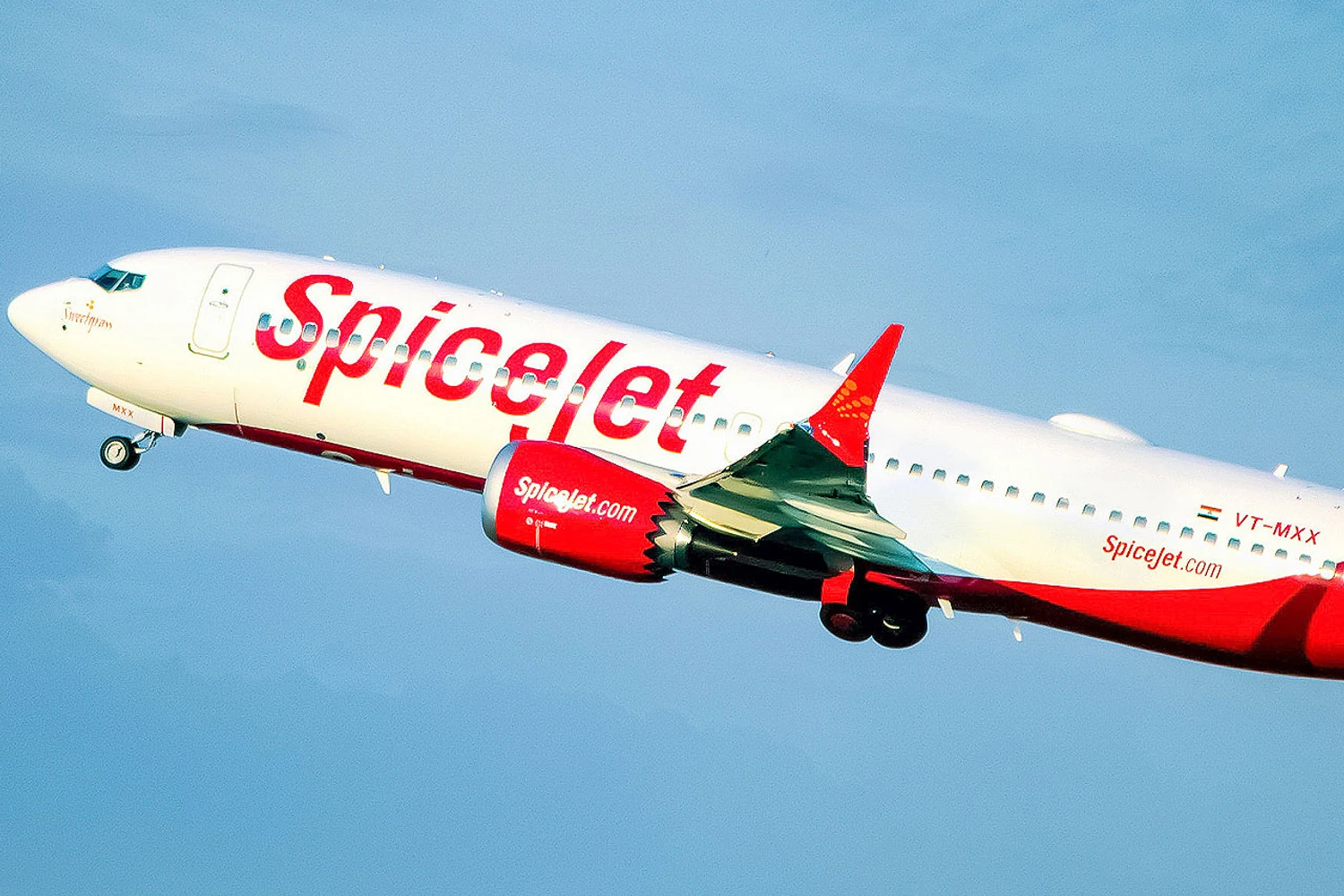
The latest expansion comes shortly after SpiceJet stopped operating the 737 MAX. Its final three active 737-8s, VT-MXD, VT-MXE and VT-MXI, were deregistered for return to their lessors, reducing the airline's active fleet to eight aircraft before three Airbus A320s arrived on damp lease from Cambodia's Sky Angkor Airways.
Many aircraft, few flying
The small operational fleet does not mean SpiceJet has only a handful of aircraft associated with it. A much larger number of Boeing 737s and Dash 8-400s have remained grounded as the airline has struggled with financial problems, maintenance requirements and disputes with lessors.
The situation with its 737 MAX fleet became particularly complicated this year. In July, Chinese lessor ICBC sought the return of four 737-8s leased to SpiceJet. The airline said the aircraft had already been grounded for a prolonged period because of manufacturing problems involving high-pressure turbines in their engines.
SpiceJet argued at the time that returning those aircraft would eliminate lease payments on jets that were not contributing capacity and would therefore have no effect on its operations.
The subsequent departure of its remaining operational MAX aircraft was different. With those jets gone, SpiceJet lost aircraft that had still been flying, contributing to the reduction in its active fleet.
The airline is now filling part of that capacity gap with aircraft and operational support supplied by other carriers rather than immediately returning its own grounded fleet to service.
Short-term capacity
Wet and damp leases are commonly used to add capacity quickly because they can include crews, maintenance and insurance provided by the supplying operator. They also allow SpiceJet to increase flying without waiting for grounded aircraft to complete maintenance or committing immediately to conventional long-term leases.
The strategy is not new for the airline. SpiceJet has repeatedly relied on short-term leased aircraft during periods of high demand while working to restore aircraft from its own fleet.
The scale of the latest agreement, however, is notable. Adding all 20 aircraft would take the operational fleet from about 11 to more than 30 aircraft, although the number available at any particular time will also depend on aircraft entering and leaving short-term lease agreements.
SpiceJet once had a much larger presence in the Indian domestic market and was an early customer for the 737 MAX. Its long-term fleet plans were based heavily on the Boeing narrowbody, but financial difficulties and aircraft groundings have prevented the carrier from following the expansion path envisioned when the jets were ordered.
The company has been trying for several years to return grounded aircraft to service while settling claims from lessors and other creditors. The arrival of another large batch of wet- and damp-leased aircraft will give SpiceJet additional capacity for the winter peak, but leaves the longer-term question of its own inactive fleet unresolved.