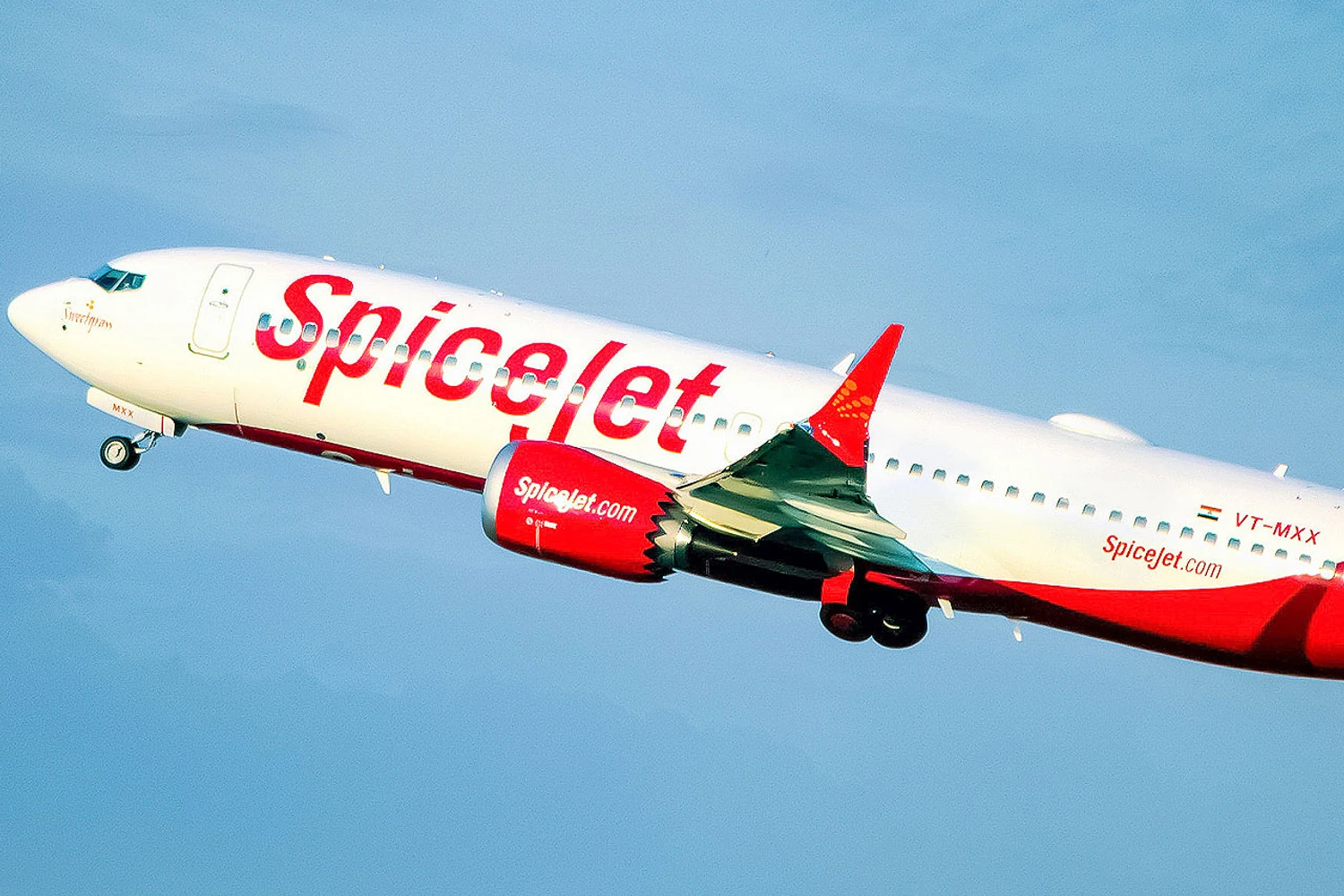
SpiceJet has stopped operating its remaining Boeing 737 MAX aircraft as the Indian low-cost carrier struggles with a long-running financial crisis that has left most of its fleet on the ground.
The suspension was first reported by TravelExtra on August 28, citing a written statement from SpiceJet. The publication said the decision was related to financial and leasing constraints rather than a new technical or safety problem with the 737 MAX.
Flight records reviewed by Air Data News support the report. The three SpiceJet 737-8s that had recently remained active all stopped flying within two days. VT-MXD completed its last known commercial flight on August 20, from Kozhikode to Delhi. VT-MXE last flew on August 19 between Pune and Delhi, while VT-MXI completed its last recorded service that day from Srinagar to Delhi.
Later flights continued to appear in schedules assigned to the aircraft, but several were canceled or operated by other 737s. No subsequent commercial flight by the three MAX aircraft was identified.
Follow Air Data News: WhatsApp | Instagram | LinkedIn | Twitter | Facebook
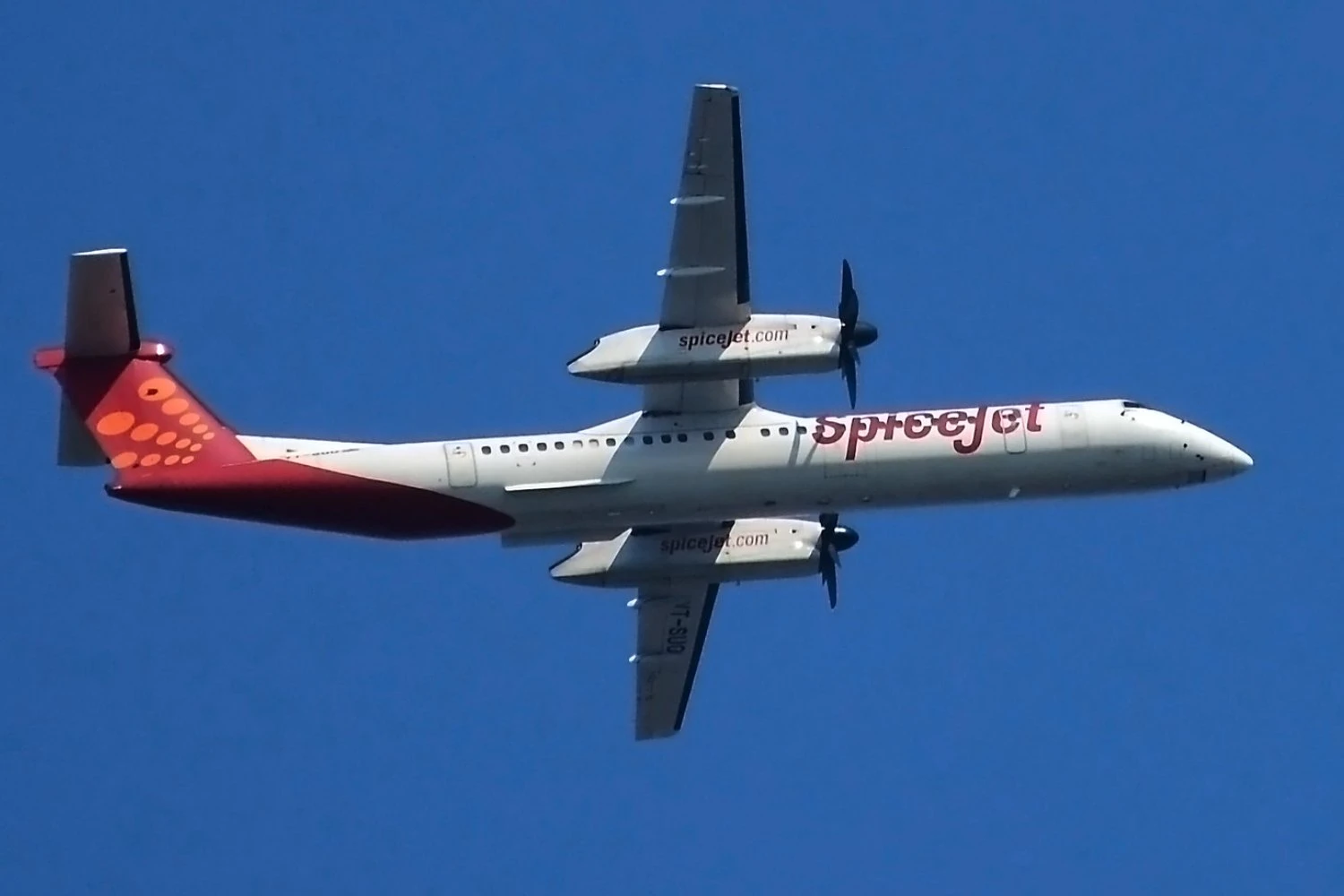
The loss of the MAX further reduces an operation already running with a small fraction of SpiceJet’s registered fleet. Planespotters.net lists 11 aircraft in service: three Airbus A320s, six Boeing 737NGs and two De Havilland Canada Dash 8-400s. Another 41 aircraft are parked, including 19 737s and 22 Dash 8s.
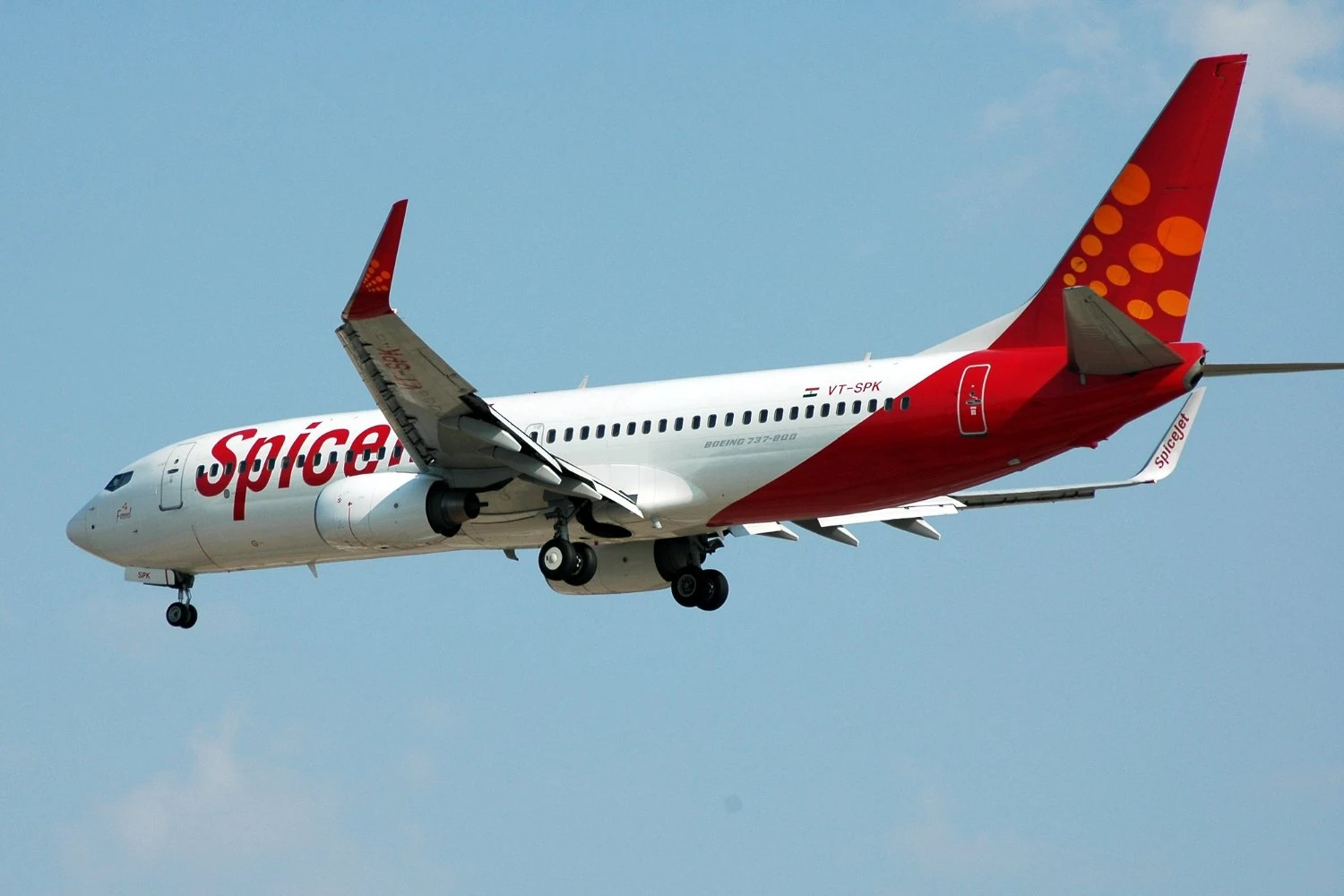
The three A320s are recent additions under damp-lease arrangements, one of the measures SpiceJet has used to add capacity while many of its own aircraft remain unavailable.
Years of financial pressure
SpiceJet’s problems predate both the current fleet shortage and the 737 MAX suspension. The airline came close to shutting down in December 2014, when fuel suppliers briefly stopped servicing its aircraft because of unpaid bills. Co-founder Ajay Singh subsequently returned to take control and led a recovery.
Another period of financial stress followed the worldwide 737 MAX grounding in 2019 and the Covid-19 pandemic. Losses, lease liabilities and insufficient cash increasingly limited the carrier’s ability to maintain and restore aircraft.
Recent news
September 21, 2026
September 21, 2026
September 21, 2026
SpiceJet attempted another turnaround in 2024 with a ₹30 billion capital raising, worth about US$360 million at the time. The proceeds allowed it to settle some liabilities to lessors and other creditors and fund plans to return grounded aircraft to service, but the operational recovery has fallen short of restoring its former scale.
The difference is visible in its domestic market position. SpiceJet accounted for about 15% of Indian domestic traffic in 2019. Its share fell to 1.9% in June 2026 and 1.6% in July, when it carried about 187,000 domestic passengers.
Cash constraints have persisted. Reuters reported in June that payments to many of the airline’s approximately 375 pilots had been delayed since March. SpiceJet has also sought additional financing under India’s government-backed Emergency Credit Line Guarantee Scheme.
Lessors have continued to pursue aircraft and unpaid obligations. Two Dublin-based companies controlled by ICBC Financial Leasing sought the deregistration of four SpiceJet 737 MAX aircraft in July through the Irrevocable Deregistration and Export Request Authorisation mechanism.
Those four aircraft were already grounded, according to SpiceJet, which attributed their prolonged inactivity to manufacturing problems involving engine high-pressure turbines. The airline said returning them would eliminate lease expenses without reducing its active fleet.
SpiceJet has faced a series of other disputes with lessors and creditors, including insolvency petitions before Indian courts. Settlements have resolved some cases, but the litigation has continued while the airline tries to preserve cash and restore aircraft.
129 MAX still in Boeing backlog
The present condition of SpiceJet contrasts sharply with its plans for the 737 MAX before the type entered service.
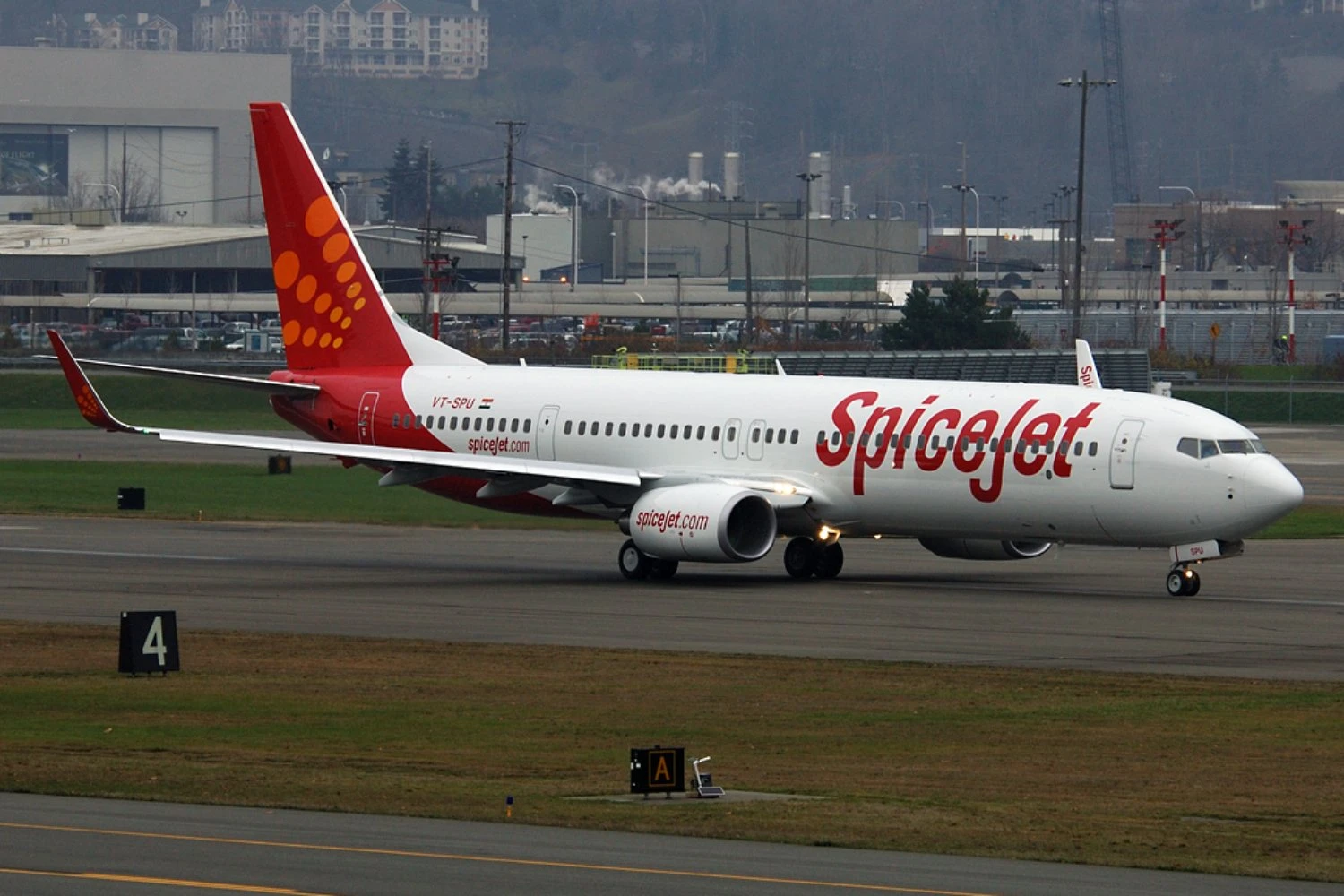
Boeing’s Orders & Deliveries database records 142 gross MAX orders from SpiceJet: 42 booked in 2013 and another 100 in 2016. Only 13 were delivered, leaving 129 aircraft in the manufacturer’s current backlog.
Those 13 aircraft arrived in rapid succession between September 2018 and March 2019. The final example was delivered on March 4, 2019, six days before the Ethiopian Airlines Flight 302 crash and shortly before regulators grounded the MAX worldwide.
The timing effectively interrupted SpiceJet’s planned transition to a much larger MAX fleet. Deliveries to the airline never resumed after the grounding, although the type eventually returned to Indian commercial service.
SpiceJet and Boeing had previously described an even larger commitment. In 2017, they announced plans covering 155 firm MAX aircraft plus purchase rights for another 50, and Boeing was still referring to 155 MAX 8, MAX 9 and MAX 10 orders in company material in 2021. Its current database records 142 gross orders. Publicly available information reviewed by ADN does not establish what accounts for the 13-aircraft difference.
The 129 aircraft that remain unfilled dwarf SpiceJet’s present operation. The backlog is almost 12 times the 11 aircraft currently listed as active across the airline’s entire fleet.
MAX fleet disperses
Several of the original 13 aircraft have since left SpiceJet and returned to their lessors. VT-MXH, VT-MXJ and VT-MXX departed in 2023, followed by VT-MXG and VT-MXK in 2024, and some have subsequently flown for other operators.
SpiceJet has also used 737 MAX aircraft supplied temporarily by other airlines. Aircraft from Corendon Airlines and, more recently, Ascend Airways have operated for the Indian carrier without constituting additional Boeing deliveries against its outstanding order.