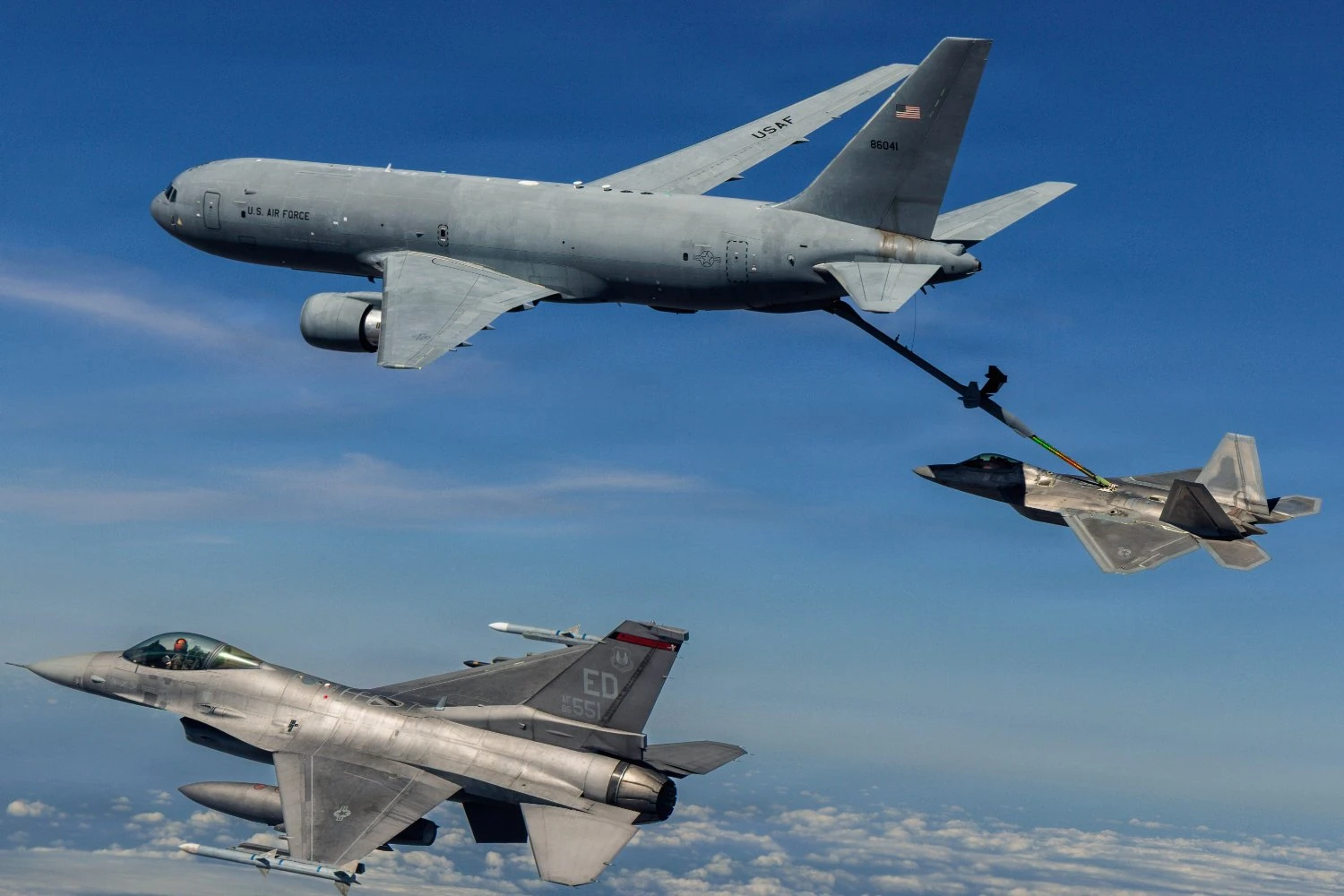
The U.S. Air Force (USAF) announced a new agreement with Boeing intended to improve operational readiness of the KC-46 Pegasus tanker fleet as the service continues dealing with aging refueling aircraft and uncertainty surrounding future tanker programs.
According to the Air Force, the plan includes repurposing early-production aircraft for spare parts and testing, speeding up installation of the Remote Vision System (RVS) 2.0 upgrade and introducing a temporary performance-based logistics support structure with Boeing.
The USAF said the measures could improve KC-46 availability by more than 20% by 2030. The service currently operates just over 100 KC-46A Pegasus tankers but is now planning for a future fleet of 263 aircraft to replace nearly all KC-135 Stratotankers in service, almost 100 more than the original requirement for 179 KC-46s.
Related news
September 21, 2026
September 21, 2026
One of the central elements involves using five early-build KC-46 aircraft as dedicated test assets while removing components such as engines and landing gear from non-operational airframes to reduce spare parts shortages affecting the active fleet.
The Air Force also plans to speed up the introduction of the revised RVS 2.0 system, a critical modification intended to solve longstanding issues with the tanker’s remote aerial refueling station.
The original remote vision system became one of the KC-46 program’s main technical problems after crews reported difficulties accurately judging depth and boom position during refueling operations under certain lighting conditions.
Under the new agreement, retrofit work will be combined with depot maintenance activities to reduce aircraft downtime. The Air Force said the overall retrofit timeline could shrink from 13 years to seven years.
The KC-46 program has faced repeated technical setbacks and delays since development began more than a decade ago, generating billions of dollars in additional costs for Boeing and slowing the replacement of older tanker aircraft.
Recent news
September 21, 2026
September 21, 2026
September 21, 2026
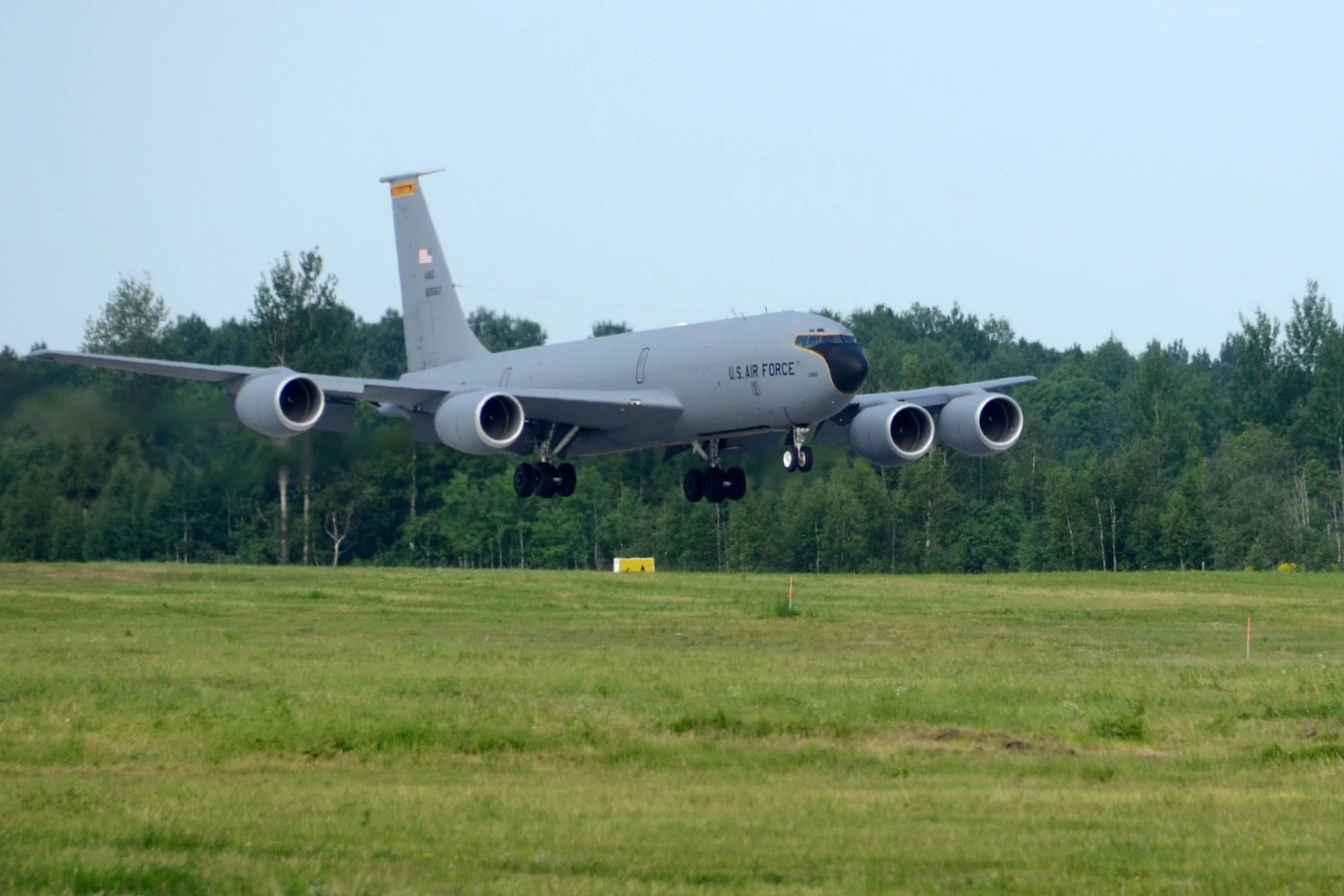
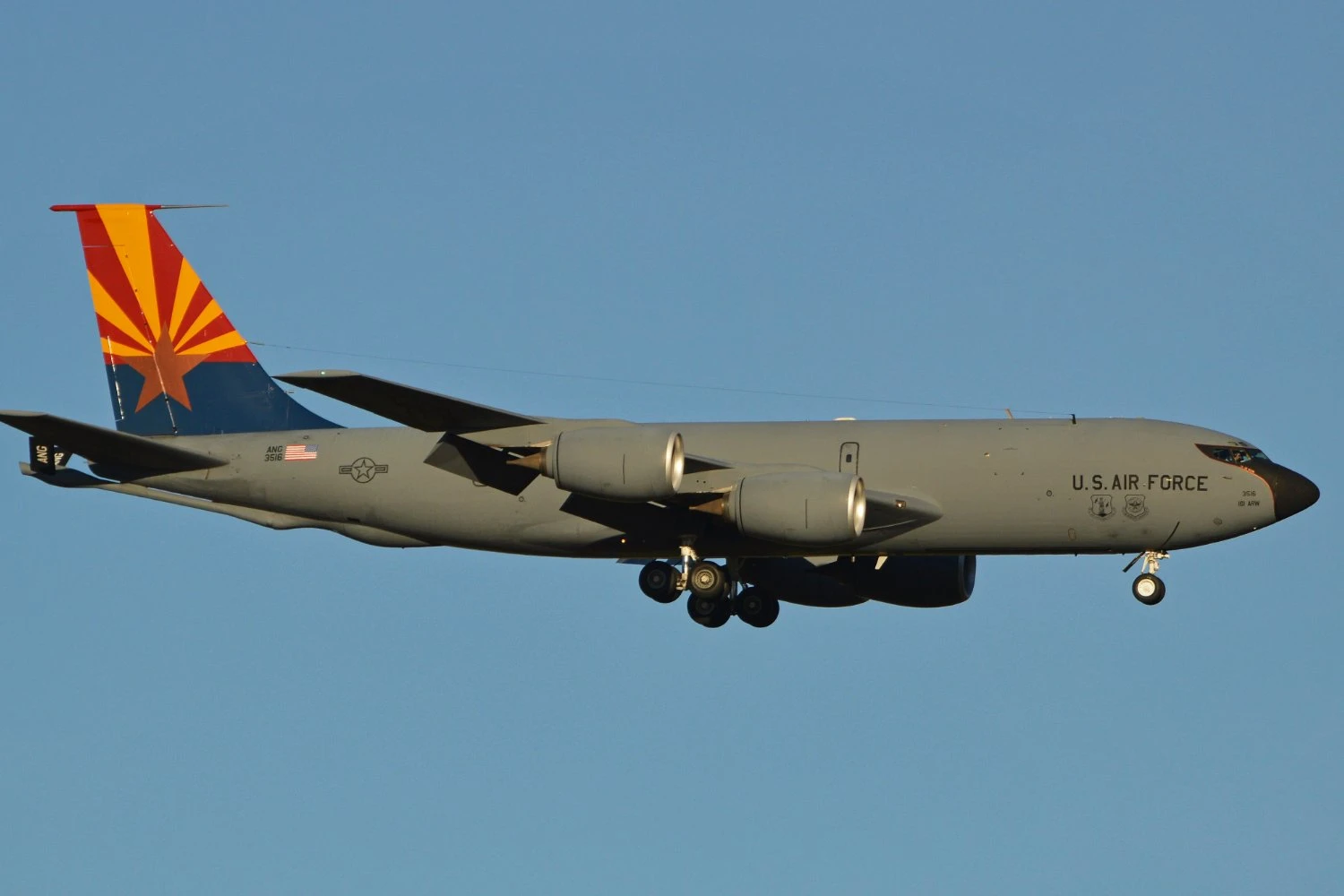
At the same time, the Air Force has been under pressure to modernize its aerial refueling fleet as KC-135R Stratotankers continue operating well beyond their original service expectations following the retirement of the KC-10 Extender.
The situation has also exposed uncertainty surrounding the next phase of the Air Force’s tanker strategy.
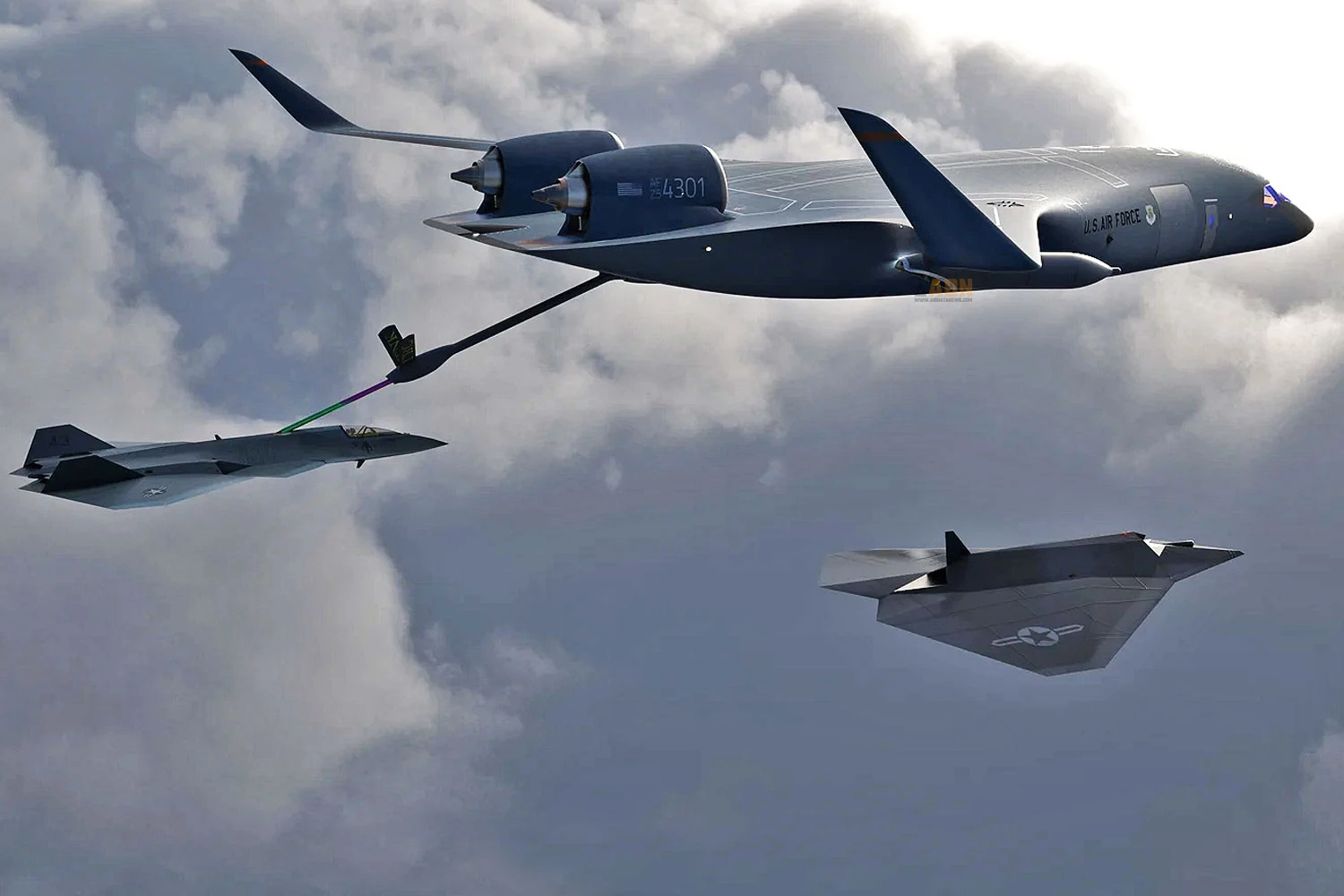
Additional KC-46 purchases remain possible, but the service continues evaluating alternatives for a future “KC-Z” program, including lower-observable tanker aircraft, autonomous refueling drones and blended-wing-body concepts.
Among the projects under evaluation is the KC-Z4 demonstrator, a blended-wing-body tanker concept backed by the USAF for future flight testing.