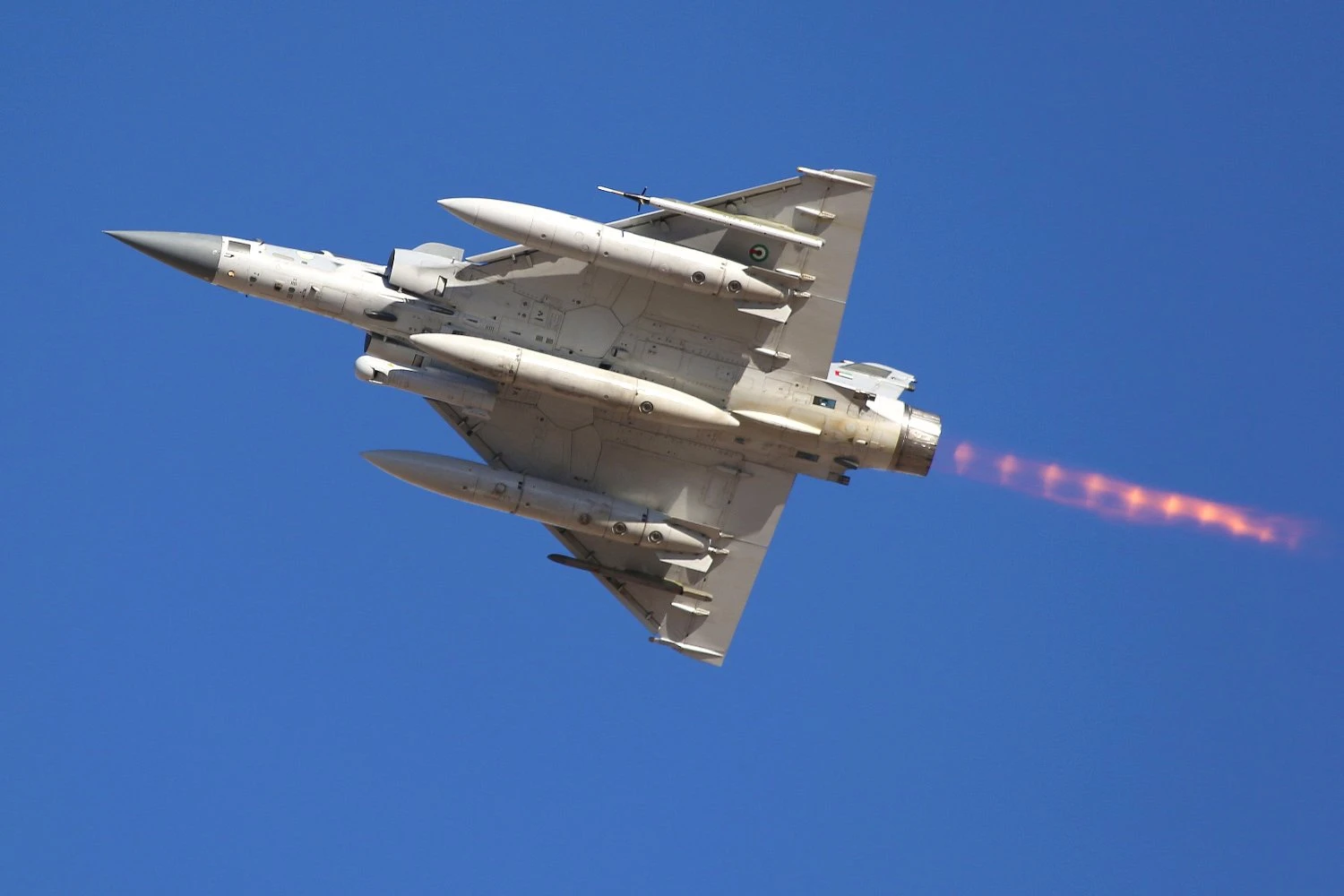
Saudi Arabia and the United Arab Emirates may have directly participated in military strikes against Iran during the recent regional conflict, according to reports published by Reuters and The Guardian.
Until now, Gulf states had largely been seen as providing logistical support to U.S. operations through military bases and airspace access while avoiding direct combat involvement against Tehran.
Reuters reported that Saudi Arabia carried out previously undisclosed retaliatory strikes against Iran in late March after Iranian missile and drone attacks targeted the kingdom. According to the report, the operations were conducted by the Royal Saudi Air Force and followed public warnings from Riyadh that it could take military action if necessary.
The specific targets were not disclosed, although Reuters said Iranian and Western officials confirmed the attacks took place before subsequent diplomatic contacts between Tehran and Riyadh helped reduce tensions ahead of the April 7 ceasefire.
Related news
September 18, 2026
September 17, 2026
The Guardian, meanwhile, cited reports that the UAE conducted strikes against Iran, including an alleged attack on Lavan Island shortly before the ceasefire announcement.
According to the newspaper, imagery reviewed during the conflict appeared to show French-built Mirage fighter jets and Chinese-made Wing Loong drones operating inside Iranian territory. Both aircraft types are used by the UAE Air Force.
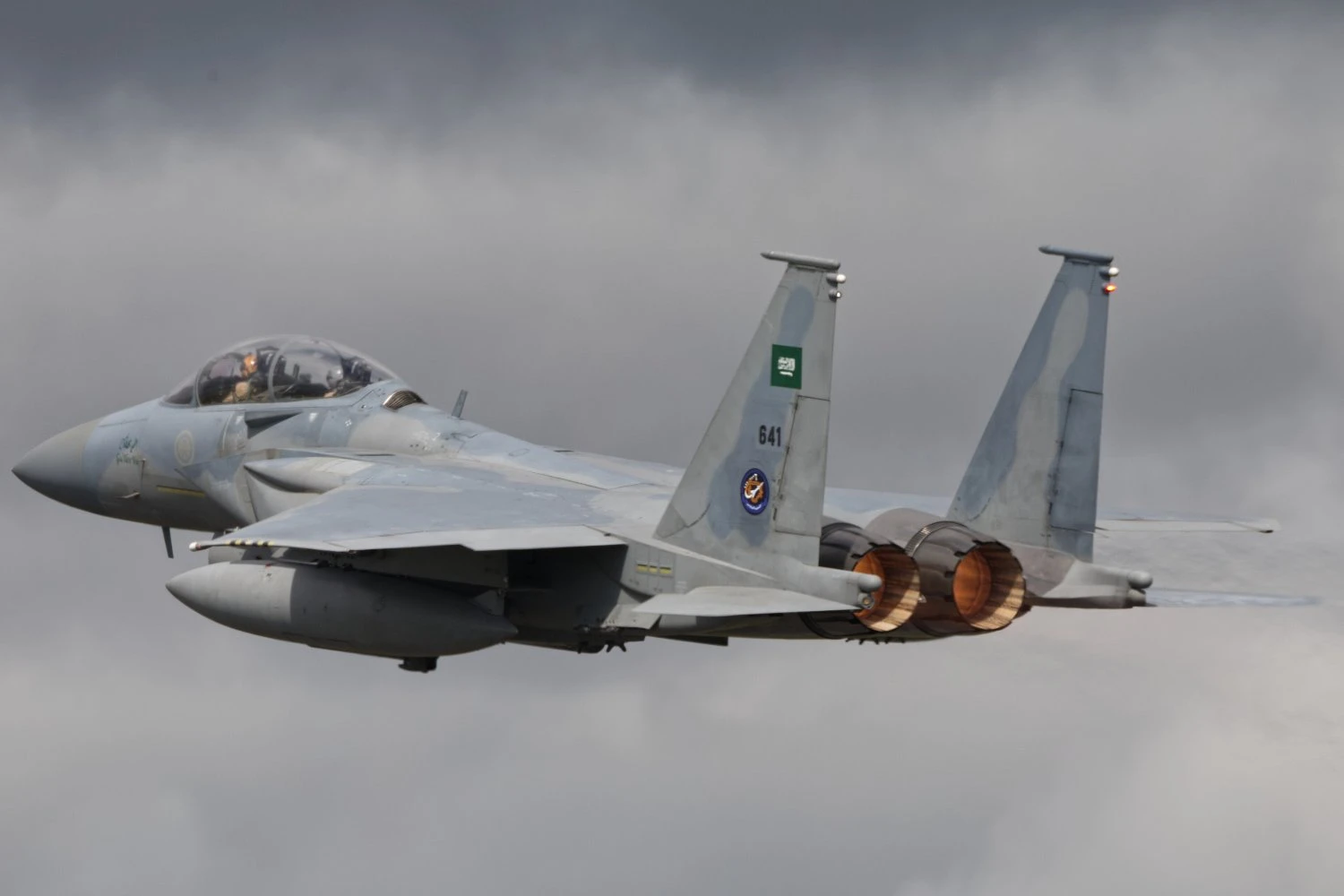
The reports suggest Gulf monarchies moved beyond defensive operations after repeated Iranian attacks against oil infrastructure, airports and military facilities during the conflict that began in late February following U.S. and Israeli strikes on Iran.
Saudi Arabia and the UAE have traditionally relied heavily on U.S. military protection and generally avoided direct military confrontation with Iran despite years of regional rivalry.
Follow Air Data News: WhatsApp | Google News | Instagram | LinkedIn | Twitter | Facebook
The conflict, however, exposed vulnerabilities in Gulf air defenses as Iranian missile and drone attacks reached several countries in the region, including Saudi Arabia, the UAE, Kuwait and Qatar.
According to Reuters, Saudi Arabia later pursued de-escalation talks with Tehran even after the retaliatory strikes, while the UAE reportedly maintained a more aggressive position toward Iran during the conflict.
The reports also highlighted differences among Gulf states regarding how far regional governments should go in confronting Iran militarily, particularly amid concerns that escalation could threaten oil facilities, maritime traffic and economic projects across the Gulf region.