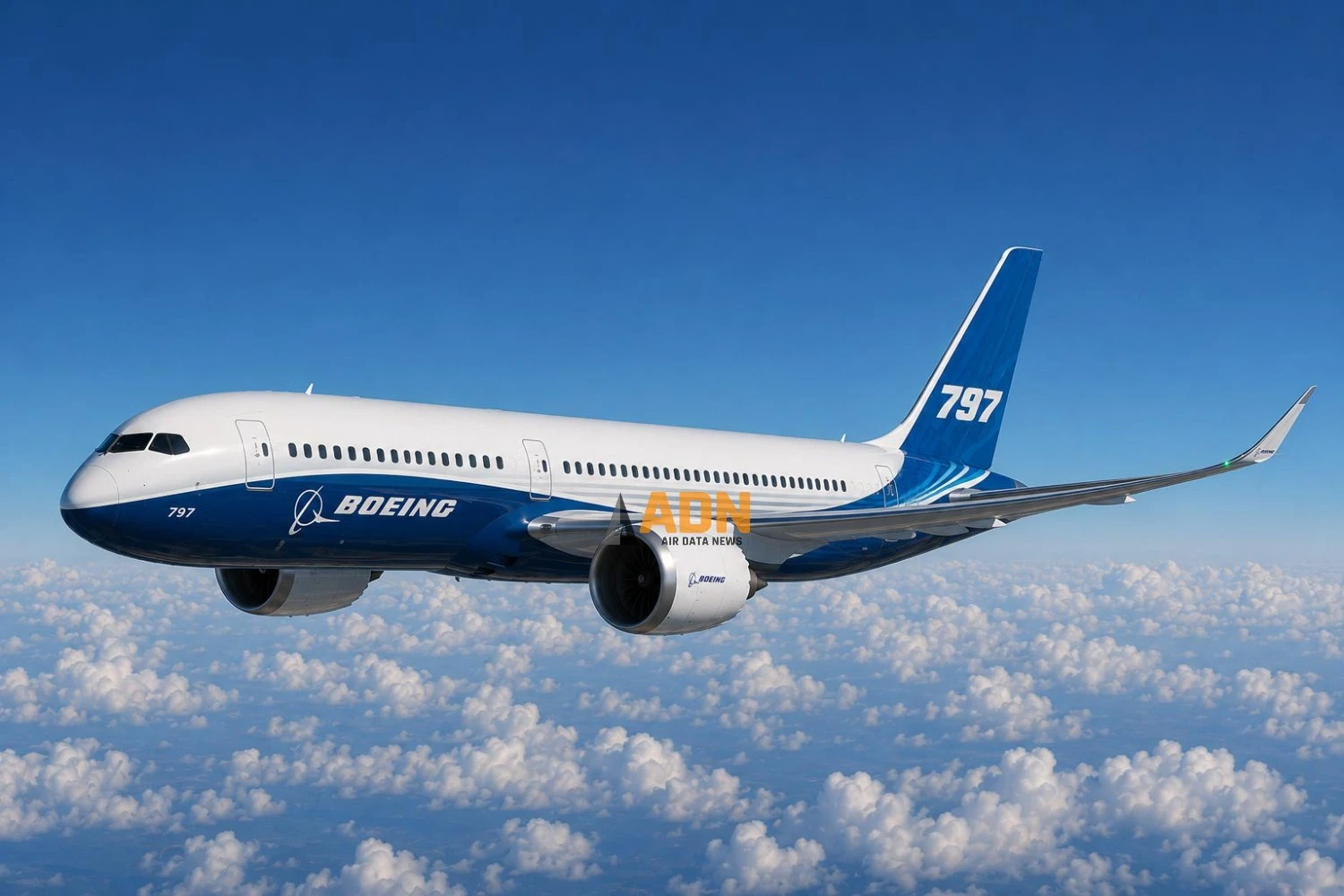
Boeing is intensifying internal studies for a new commercial aircraft aimed at the upper end of the single-aisle market, where Airbus has gained a strong advantage with the A321neo family.
According to a report published by Bloomberg, Boeing is expected to begin preparatory work on the project next year, with the company targeting a launch around the end of the decade and service entry in the mid-2030s.
The aircraft under evaluation would occupy a space between traditional narrowbodies and smaller widebodies, reviving concepts previously associated with Boeing’s abandoned New Mid-market Airplane (NMA) studies, once informally nicknamed the “797”.
While Bloomberg described the aircraft as a possible successor to the 737, the concept appears more closely aligned with the larger end of the market currently dominated by the Airbus A321neo.
Related news
September 21, 2026
September 21, 2026
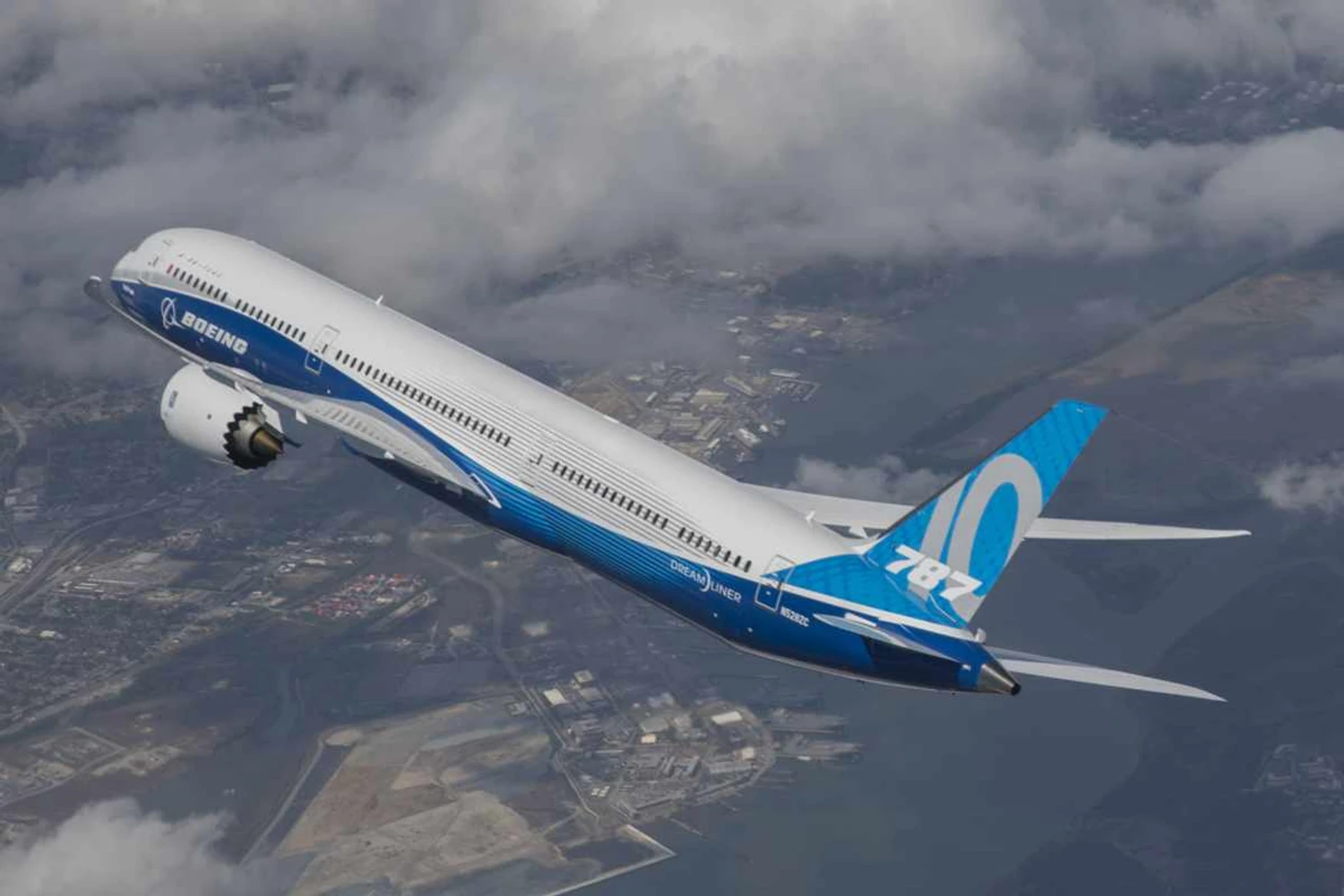
The report suggests Boeing’s future family could begin near the size of today’s 737 MAX 10 before expanding into additional variants.
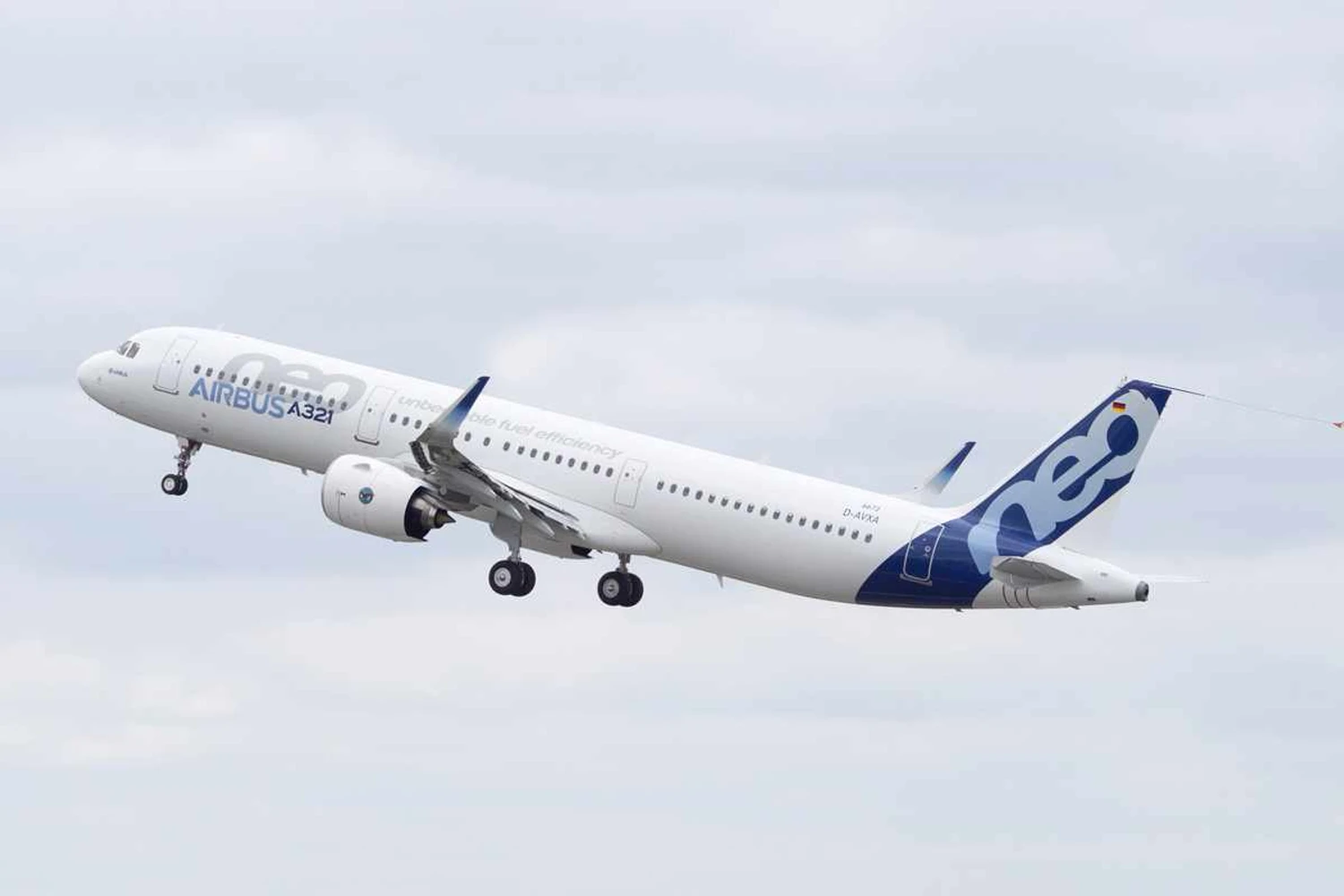
Over the past decade, airlines have gradually shifted toward larger single-aisle aircraft with greater range and passenger capacity.
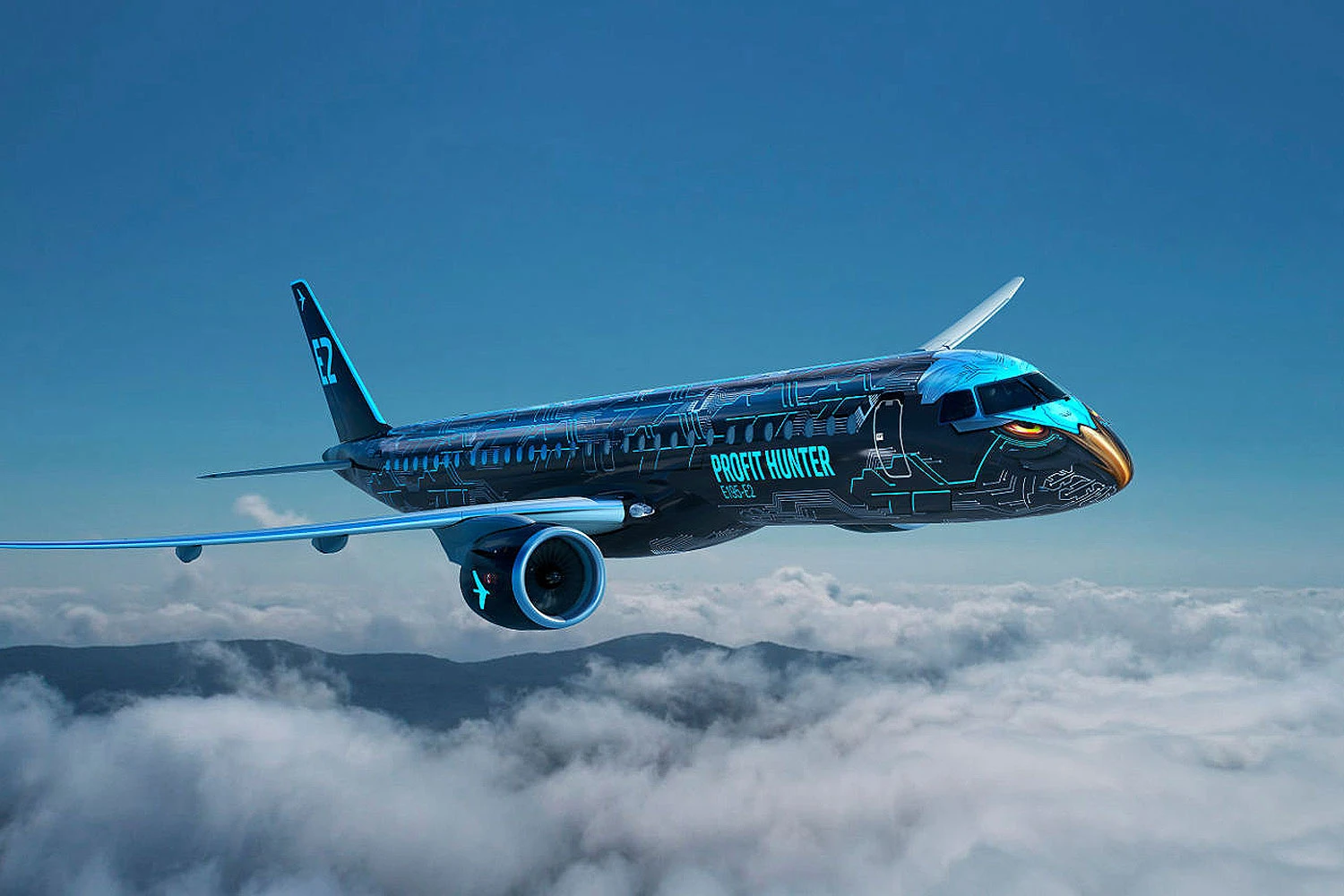
At the lower end of the market, smaller variants such as the Boeing 737 MAX 7 and Airbus A319neo have struggled to attract significant demand, while newer-generation aircraft including the Airbus A220 and Embraer E195-E2 have gained attention because of lower weight and improved efficiency in lower-capacity segments.
Lower-risk approach
Bloomberg reported that Boeing is pursuing a lower-risk approach based on conventional technologies rather than more radical concepts previously explored.
The company has reportedly reduced emphasis on the Transonic Truss-Braced Wing (TTBW) concept and is instead studying a traditional tubular fuselage design powered by ducted turbofan engines.
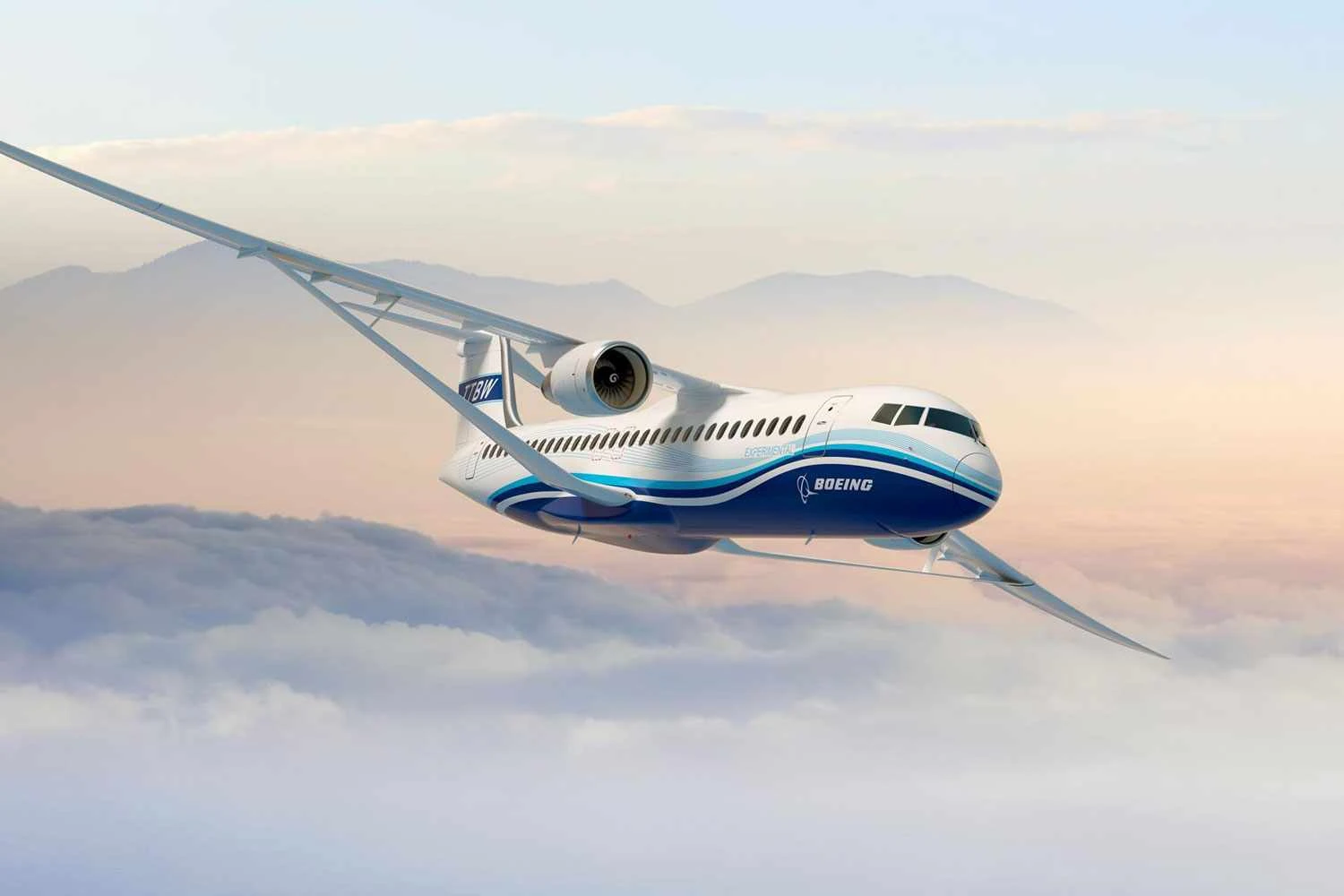
The aircraft is expected to feature highly efficient wings with greater span, thinner profiles and folding wingtips similar to those used on the Boeing 777X.
According to the report, Boeing teams are increasing exploratory work with suppliers while evaluating technologies that could realistically be available in the next decade.
The studies reportedly include redesigned cockpit concepts intended to improve pilot interaction as well as evaluations of alternative propulsion layouts, including a small auxiliary engine near the tail section.
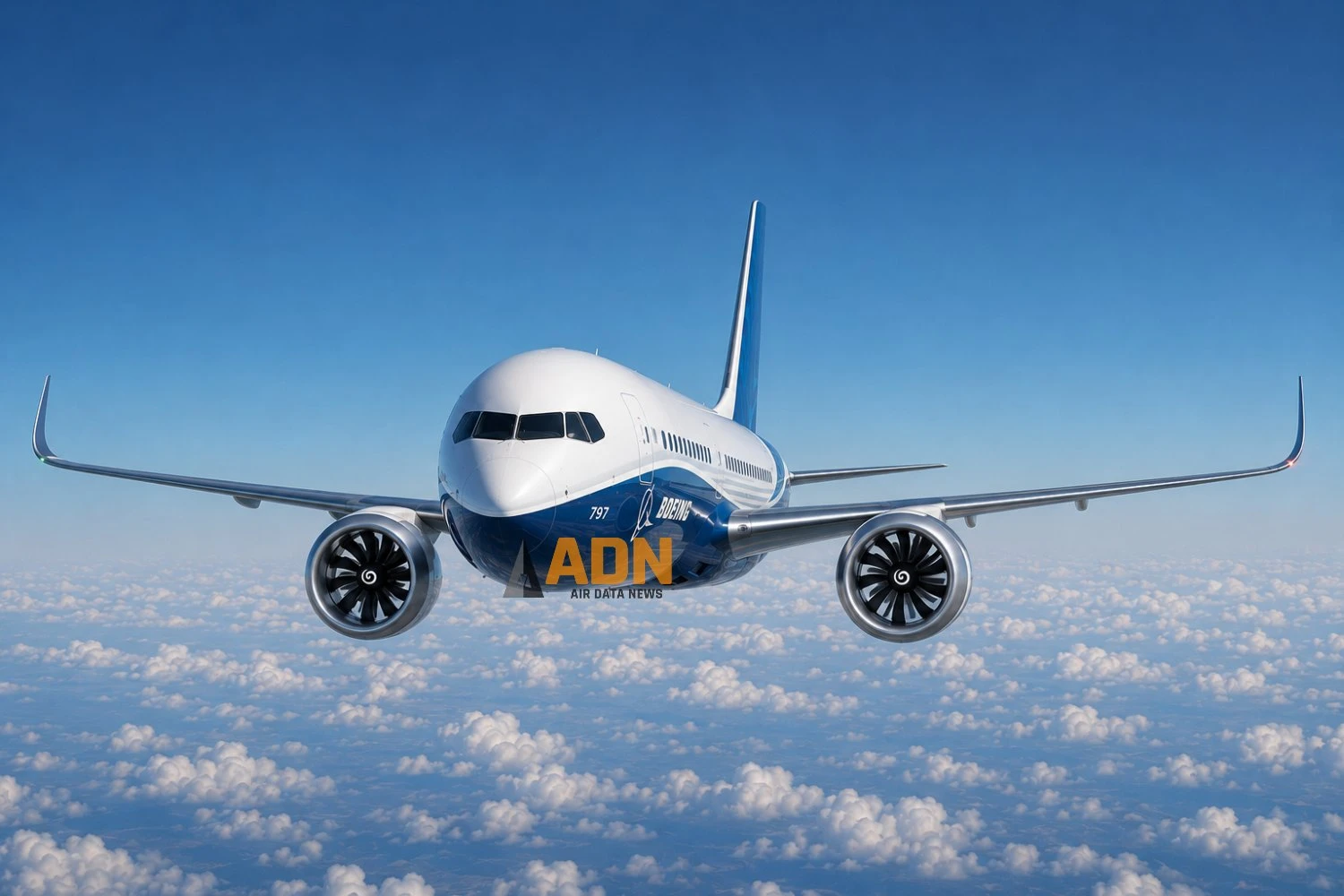
Boeing is also discussing future propulsion technologies with engine manufacturers.
Recent news
September 21, 2026
September 21, 2026
September 21, 2026
The report indicates the company has little interest in adopting open-fan propulsion concepts such as the CFM RISE demonstrator, a technology supported by Airbus as a possible path for future commercial aircraft programs. Instead, Boeing is said to favor ducted engine architectures, including possible future developments derived from RISE technology.
Much of Boeing’s future product strategy remains tied to certification of the delayed 777-9, which continues to consume substantial engineering resources inside the company.