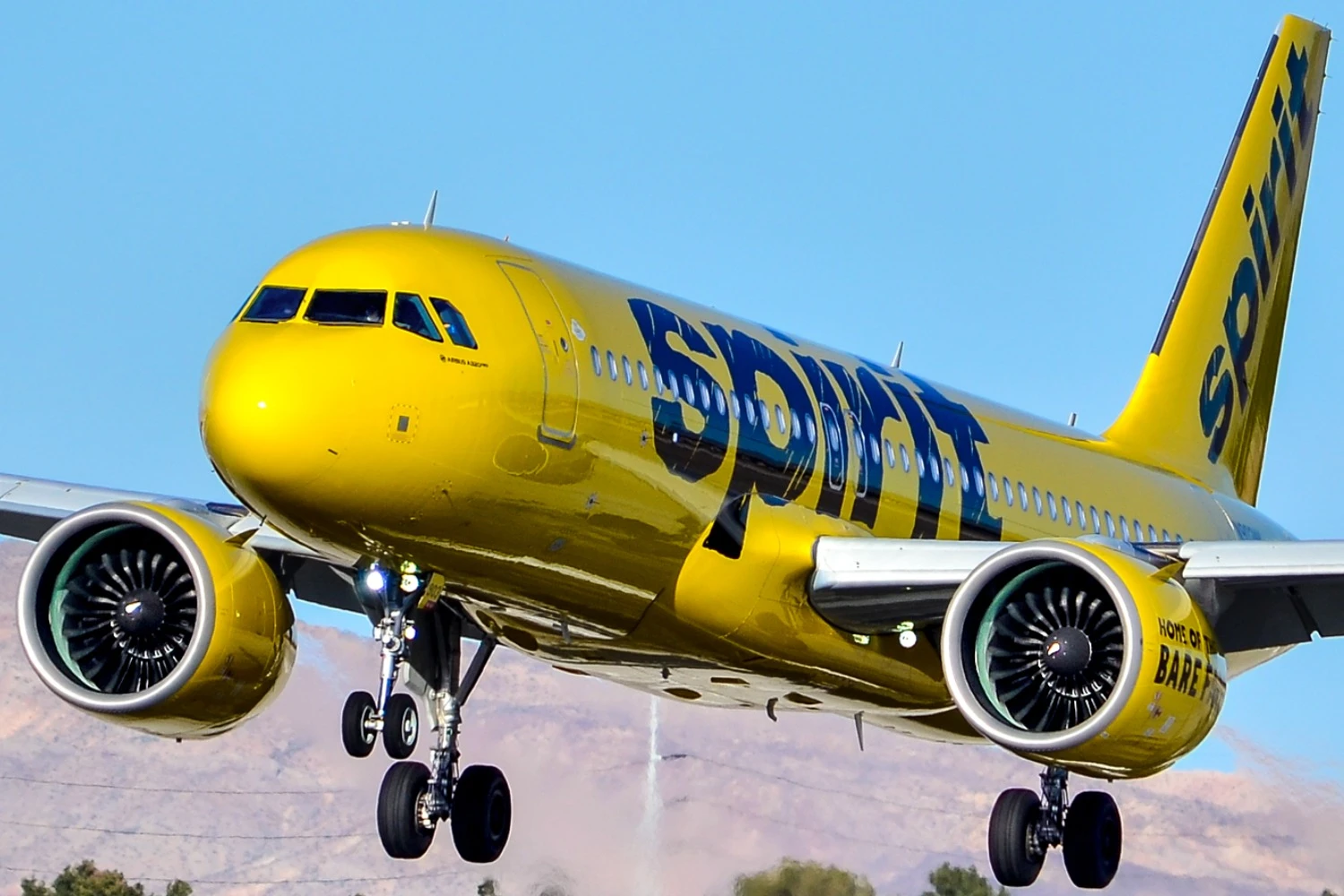
Spirit Airlines has ceased operations after failing to secure support for a proposed government-backed rescue plan, becoming the first airline collapse tied to the recent surge in jet fuel prices following the Iran conflict.
The carrier halted all flights on Saturday and said it would begin an orderly wind-down, instructing passengers not to go to the airport. The shutdown follows a breakdown in negotiations with creditors over a $500 million financing package that had been backed by the Trump administration.
Spirit had been operating under bankruptcy protection and was attempting to restructure its business, but a sharp increase in fuel costs undermined those plans. The airline had based its projections on jet fuel prices near $2.20 per gallon, while spot prices climbed to around $4.50 by late April.
Follow Air Data News: WhatsApp | Google News | Instagram | LinkedIn | Twitter | Facebook
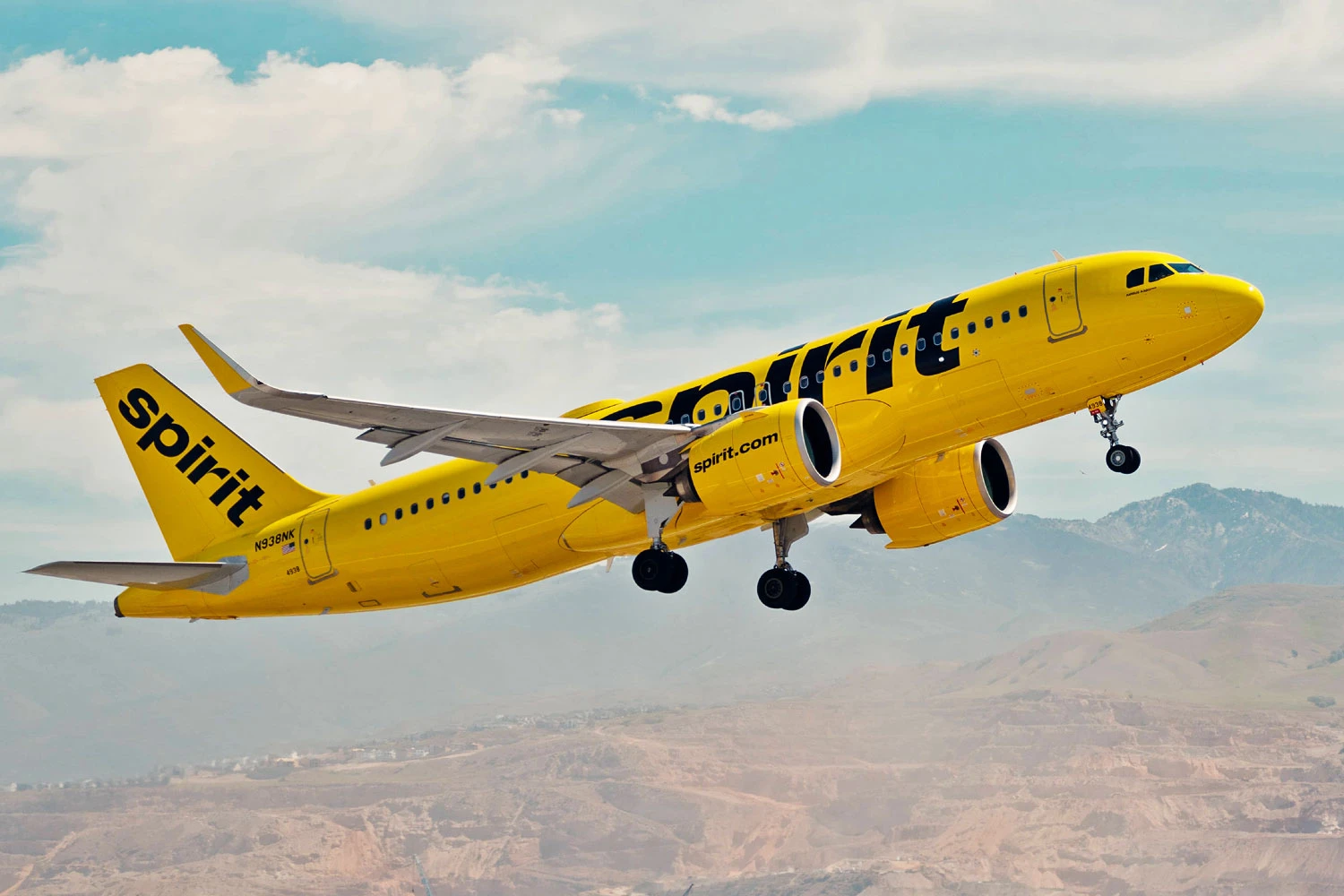
The company said the spike in oil prices and broader operational pressures “significantly impacted” its financial outlook, leaving it unable to continue without new funding.
The collapse marks the first liquidation of a U.S. airline of similar size in roughly two decades. Spirit accounted for about 5% of domestic flights at its peak and carried 1.7 million passengers in February, although its market share had declined in recent months.
The airline’s failure is expected to affect thousands of jobs and reshape competition in the low-cost segment. Rivals including JetBlue Airways and Frontier Airlines are likely to absorb part of the demand, even as they face the same cost pressures.
Facing difficulties with grounded aircraft and a failed merger
Spirit built its business model around ultra-low fares, charging separately for services such as baggage and seat selection. That approach came under strain after the pandemic, as passenger preferences shifted toward higher levels of comfort and bundled offerings.
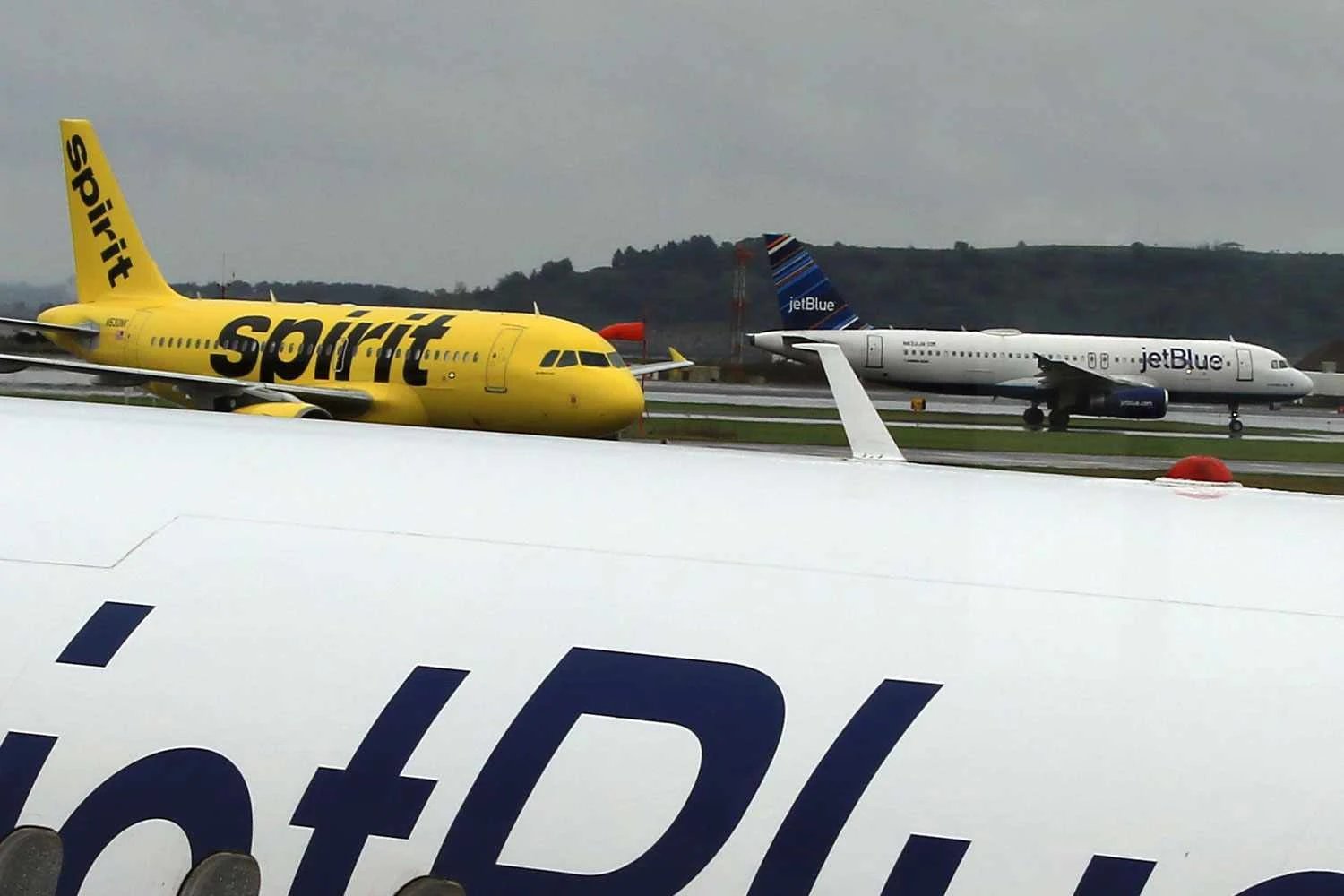
The airline had been struggling to stabilize its finances after entering Chapter 11 for a second time within a year. It first sought bankruptcy protection following the collapse of its planned merger with JetBlue Airways, which had outbid an earlier agreement with Frontier Airlines. A U.S. judge later blocked the JetBlue deal on antitrust grounds, removing what had been seen as a potential path forward.
In the months leading up to the shutdown, Spirit took a series of measures to preserve cash, including workforce reductions, aircraft sales and lease renegotiations. The airline was also attempting to shift its business model toward higher-paying passengers, moving away from its traditional ultra-low-cost approach based on ancillary fees, but those efforts failed to reverse its financial trajectory.
Operational issues added to the pressure. A recall involving Pratt & Whitney geared turbofan engines had grounded part of its Airbus fleet since 2023, while an oversupplied domestic market continued to weigh on fares. The recent surge in fuel prices ultimately worsened the situation, increasing costs for a carrier with limited pricing power and no premium revenue streams to offset the impact.
U.S. officials had explored options to keep the airline operating. President Donald Trump said the government had presented a final rescue proposal, but talks stalled amid disagreements with creditors. Transportation Secretary Sean Duffy said efforts to find a buyer for the airline were unsuccessful.