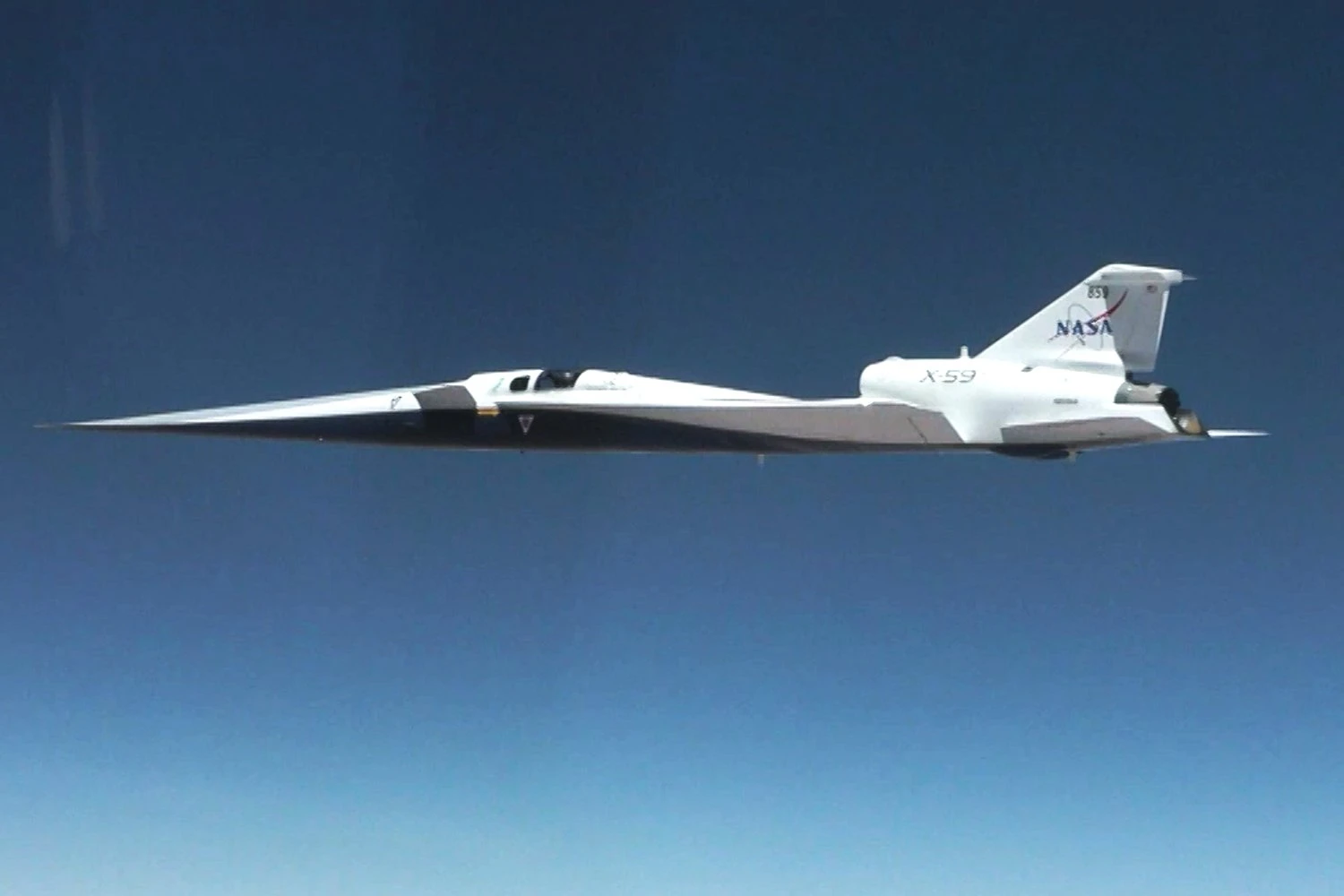
NASA's X-59 experimental aircraft completed its first supersonic flight on June 5, reaching speeds above Mach 1 for the first time and demonstrating in flight the technologies NASA hopes will make future supersonic travel significantly quieter.
The aircraft, flown by NASA test pilot Jim "Clue" Less, took off from Edwards Air Force Base in California and reached approximately Mach 1.1 at an altitude of 43,400 feet during an 81-minute test flight.
Related news
September 20, 2026
September 18, 2026
September 18, 2026
The X-59 is the centerpiece of NASA's Quesst mission, which seeks to demonstrate that future supersonic aircraft can fly faster than sound without generating the disruptive sonic booms that led regulators to prohibit routine commercial supersonic flights over land.
“X-59 is getting ready for its quiet supersonic debut,” NASA Administrator Jared Isaacman said. “Since the aircraft’s first flight on Oct. 28, 2025, the team has made tremendous progress, flying 16 times in the last 90 days and getting into a steady test rhythm.”
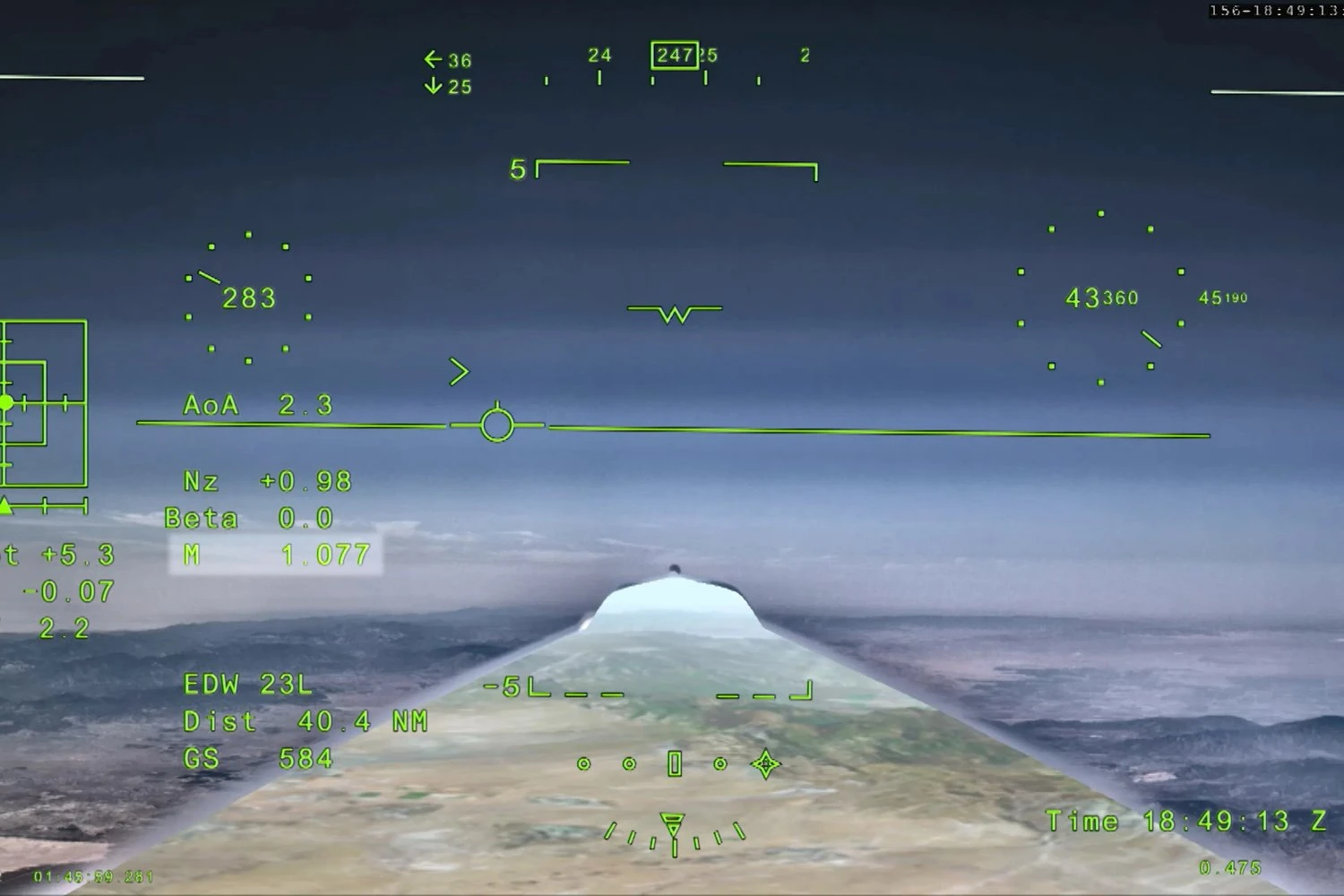
The milestone comes more than seven months after the aircraft's maiden flight and follows a series of envelope expansion tests aimed at validating handling characteristics across a growing range of speeds and altitudes.
NASA said an F-15 chase aircraft accompanied the X-59 during the flight. The sonic booms generated by the fighter masked any sound produced by the experimental aircraft, meaning the test was focused on flight performance rather than acoustic measurements.
The agency is now preparing for a more demanding mission that could occur within days. According to NASA, the aircraft is expected to fly at Mach 1.4 and approximately 55,000 feet, conditions that will eventually be used during community overflight campaigns across the United States.
“In the coming days, we expect to take the next step and push to Mach 1.4,” Isaacman said.
Follow Air Data News: WhatsApp | Google News | Instagram | LinkedIn | Twitter | Facebook
Unlike previous supersonic aircraft, the X-59 was designed around an elongated fuselage and carefully shaped airframe intended to reduce the shock waves that normally merge into a loud sonic boom. NASA expects the aircraft to generate what it describes as a quiet "thump" on the ground.
“The X-59’s first supersonic flight is a testament to America’s enduring leadership in science, engineering, and aerospace innovation,” said Michael Kratsios, Director of the White House Office of Science and Technology Policy.
Recent news
September 21, 2026
September 21, 2026
September 21, 2026
Once flight testing progresses beyond envelope expansion, NASA will begin validating the aircraft's acoustic performance before conducting flights over selected U.S. communities. Data collected during those campaigns will be shared with regulators as part of efforts to support future rules governing civil supersonic flight over land.
The X-59 was developed by Lockheed Martin's Skunk Works division under contract to NASA and is intended as a technology demonstrator rather than a prototype airliner. However, the data generated by the program could influence the design of future commercial supersonic aircraft and potentially reopen a market that effectively disappeared with the retirement of Concorde in 2003.