The U.S. Federal Aviation Administration (FAA) has proposed ending the nearly 50-year ban on civilian supersonic flights over land, replacing the blanket prohibition with noise-based certification standards intended to accommodate a new generation of faster-than-sound aircraft.
The current rule dates back to 1973, when the FAA prohibited civil aircraft from exceeding the speed of sound over the continental United States because of the disruptive sonic booms generated during supersonic flight. At the time, regulators concluded there was no practical way to protect communities from the loud shock waves created when an aircraft flew faster than approximately 1,235 km/h (767 mph) at sea level, or Mach 1.
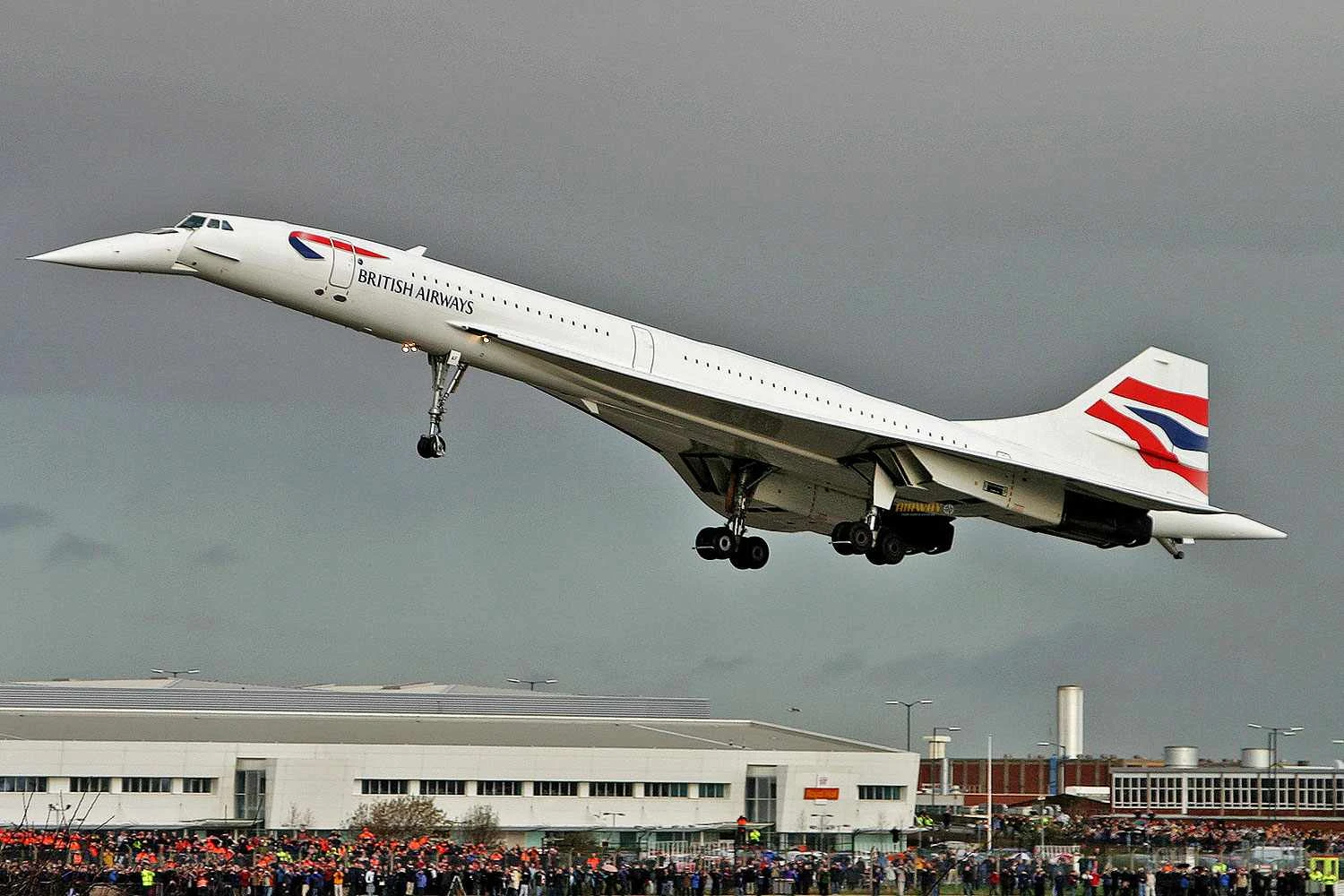
The restriction became one of the biggest obstacles to commercial supersonic travel. Although the Anglo-French Concorde entered airline service in 1976, it was effectively limited to transoceanic routes because it could accelerate beyond Mach 1 only after leaving the coastline.
The aircraft routinely cruised at Mach 2 over the Atlantic but remained subsonic over land, greatly reducing the number of viable routes it could operate.
The FAA now argues that advances in aircraft design and flight operations make the decades-old regulation outdated. Instead of prohibiting all overland supersonic flight, the proposal would allow operations that meet new limits on the pressure waves reaching the ground, replacing the current speed-based restriction with a performance-based approach.
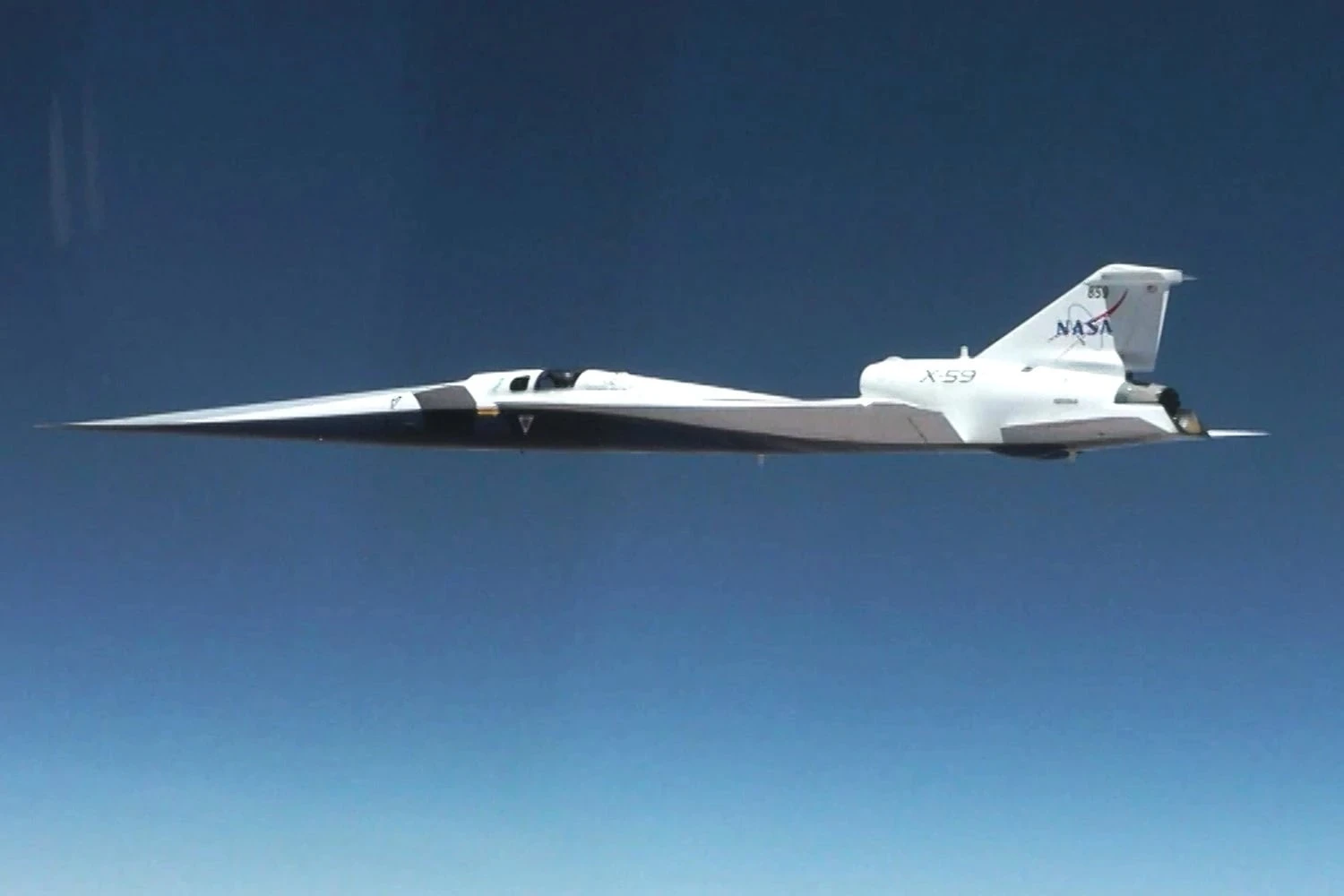
Part of that confidence stems from years of research into so-called low-boom technology. NASA's X-59 demonstrator, developed under the agency's Quesst mission, is designed to reshape the aircraft's shock waves so that people on the ground hear a soft thump rather than the explosive crack traditionally associated with supersonic flight. Data collected during the X-59 flight test campaign is expected to help regulators establish future international standards for overland supersonic operations.
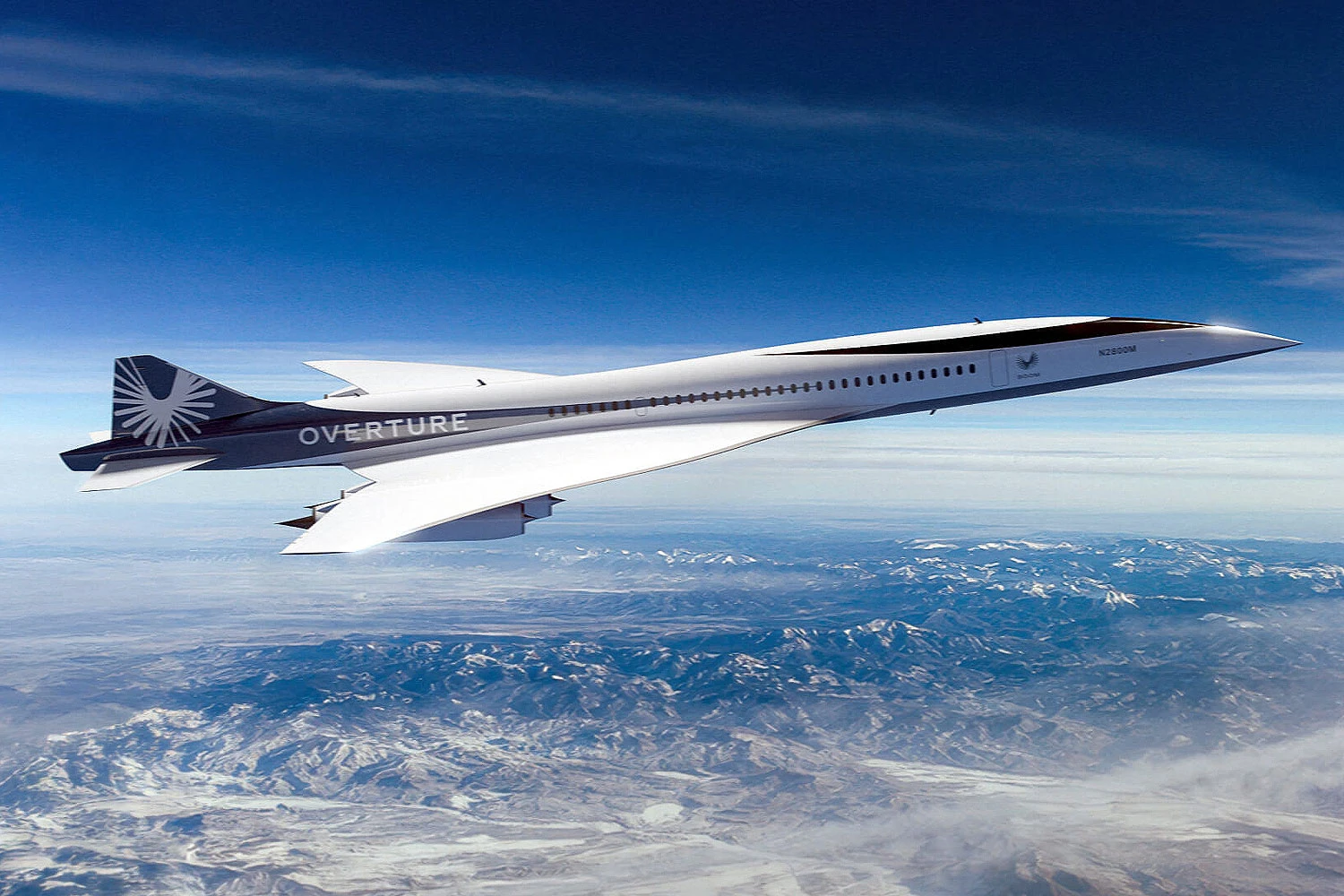
The proposed rule could benefit companies developing new commercial supersonic aircraft, particularly Boom Supersonic, whose Overture airliner is designed to cruise at Mach 1.7. While the aircraft is expected to fly supersonically primarily over oceans initially, lifting the US ban would eventually allow manufacturers to seek approval for overland operations if they can demonstrate compliance with the FAA's noise requirements.
The FAA stressed that the proposal is only the first stage of a lengthy regulatory process. Additional rulemaking will still be required before commercial supersonic aircraft can be fully certified for routine overland service in the United States