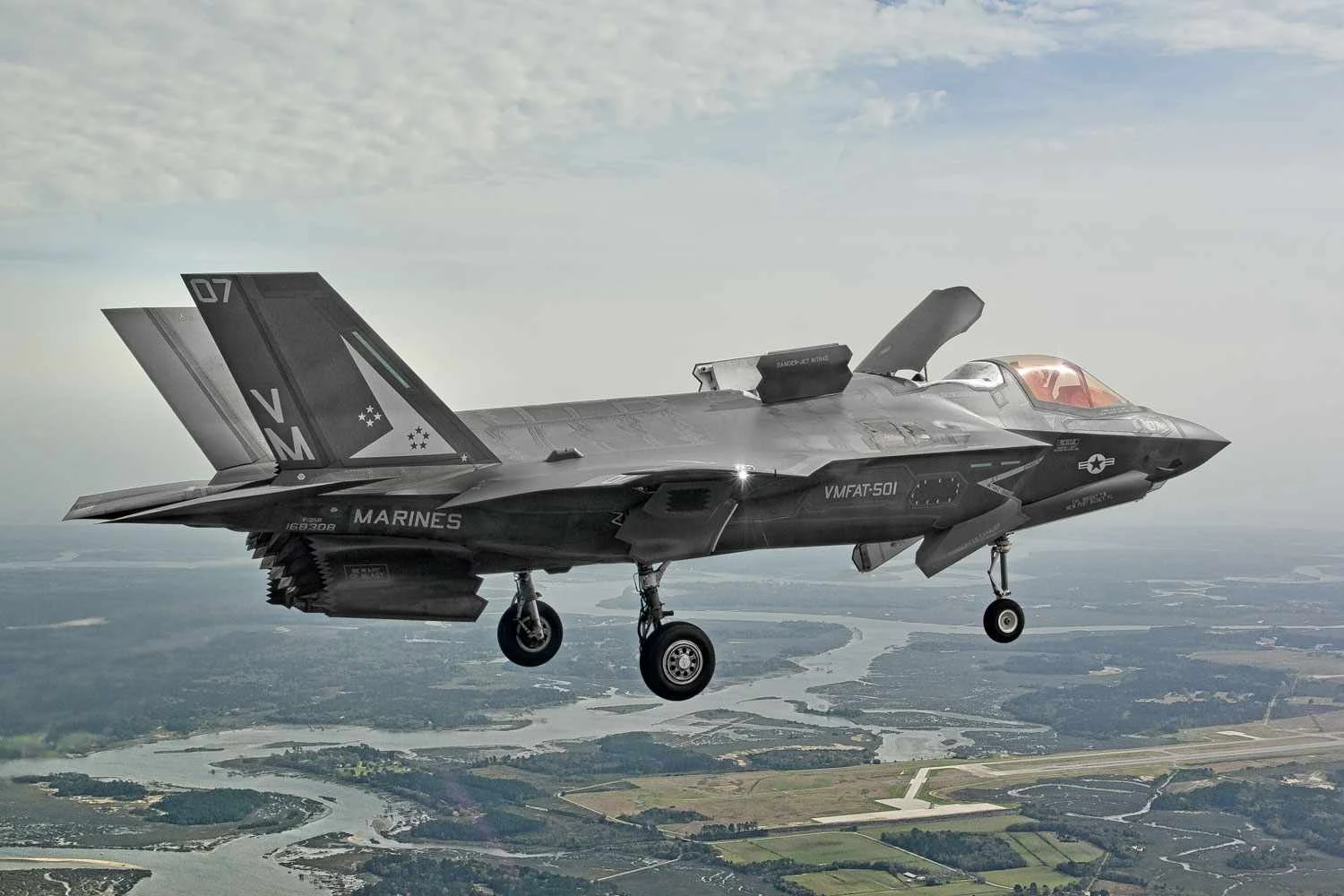
The U.S. military has begun accepting F-35 fighter jets without their primary radar because of delays affecting a new sensor planned for the aircraft, according to a report by Air & Space Forces Magazine.
The publication said the U.S. Marine Corps has already taken delivery of six F-35B fighters without the Northrop Grumman AN/APG-85 radar. Instead, the aircraft carry ballast in the nose to compensate for the missing equipment.
Related news
September 20, 2026
September 18, 2026
The issue affects aircraft built under Lot 17 production, which introduced structural changes required to accommodate the new radar. However, delays in the APG-85 program mean the fighters are leaving the assembly line before the sensors are available.
The U.S. Air Force and Navy have not yet accepted aircraft without radars, but the report said both services are expected to receive such aircraft later this year.
Without a radar, the aircraft can be used for pilot training and basic flight operations but cannot perform combat missions or tactical training that depends on the fighter's full sensor suite.
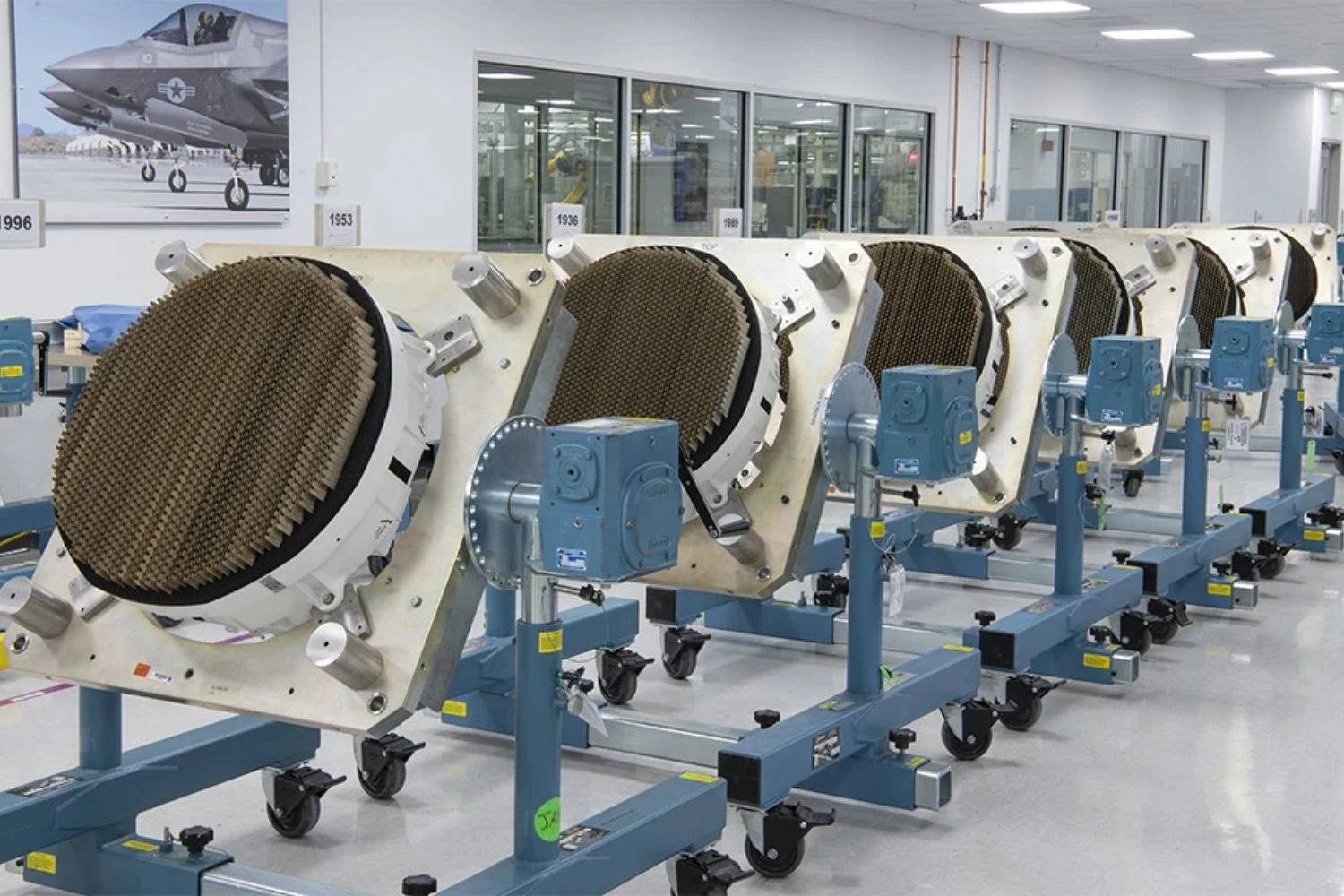
The APG-85 is intended to replace the current AN/APG-81 active electronically scanned array (AESA) radar as part of the F-35's Block 4 modernization program. Besides improved capabilities, the upgrade requires changes to the aircraft's structure and support systems.
The radar is one of several Block 4 upgrades that have faced delays. The modernization package also includes improvements to the aircraft's computing power, electronic systems and cooling capacity, all intended to support increasingly demanding mission equipment.
Recent news
September 21, 2026
September 21, 2026
September 21, 2026
The strategy allows production to continue before some new technologies are fully ready, with the missing equipment installed later.
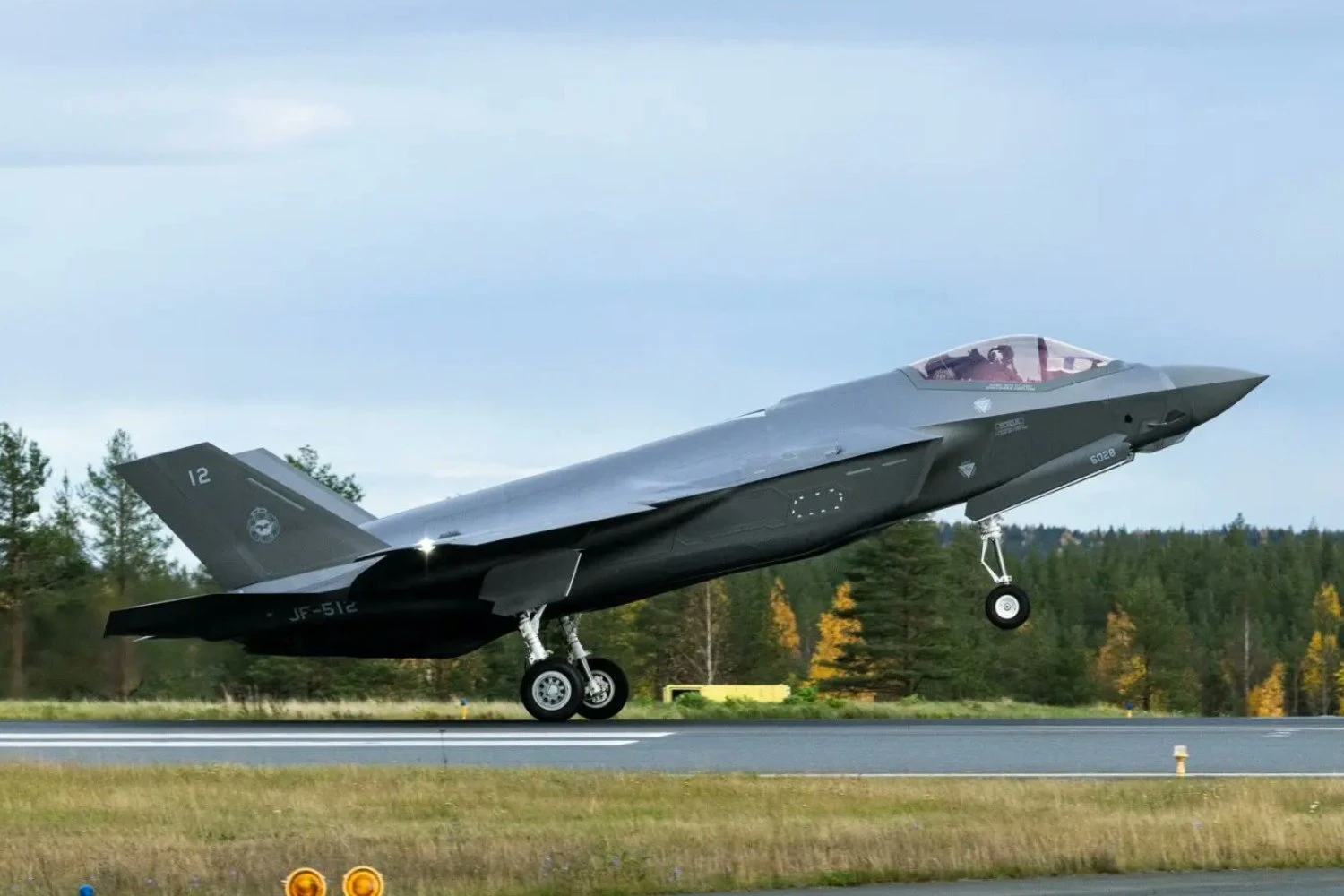
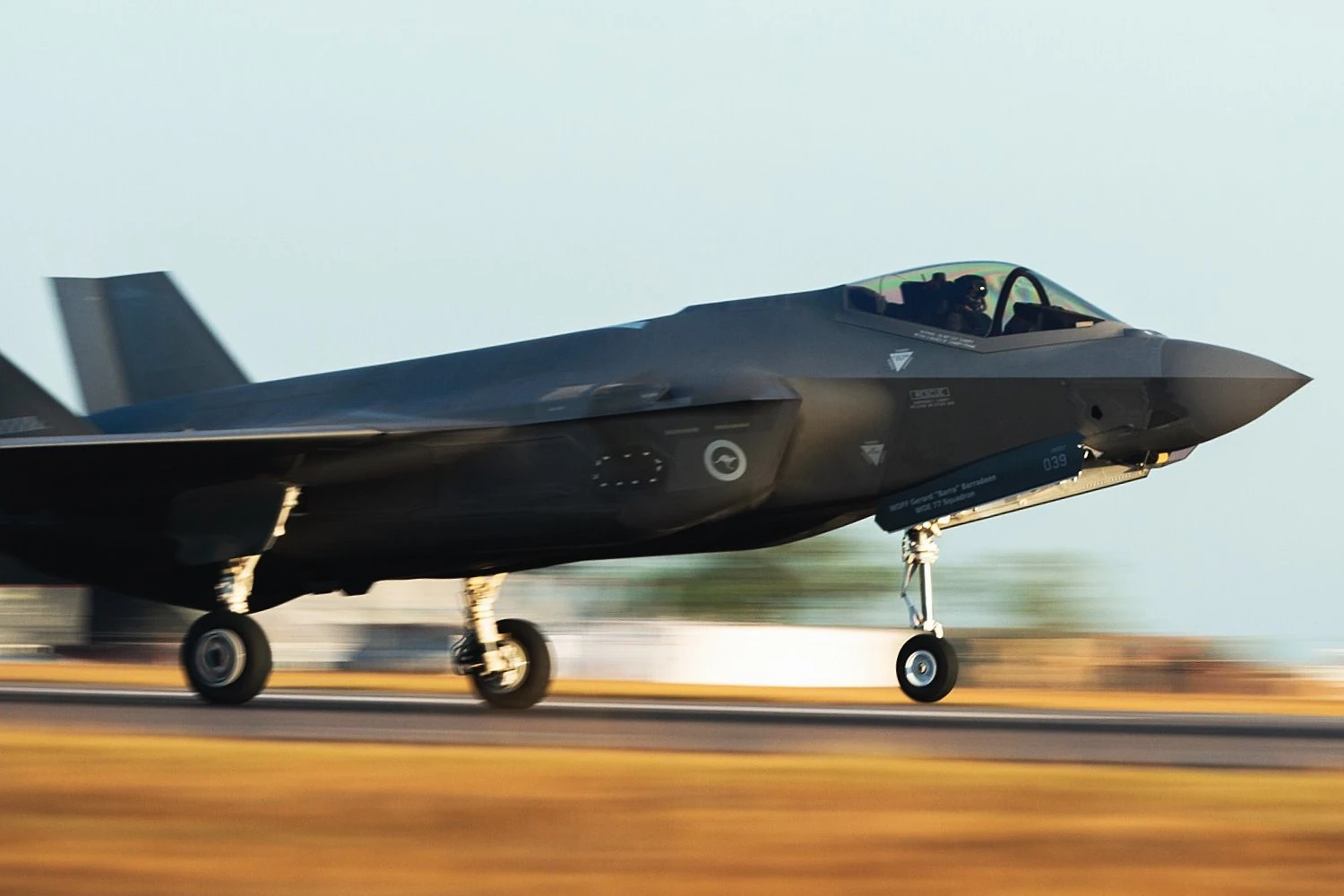
The F-35 remains the world's largest fifth-generation fighter program, with more than 1,200 aircraft delivered to operators worldwide. Its three variants serve the U.S. Air Force, Marine Corps and Navy, as well as nearly 20 international customers.