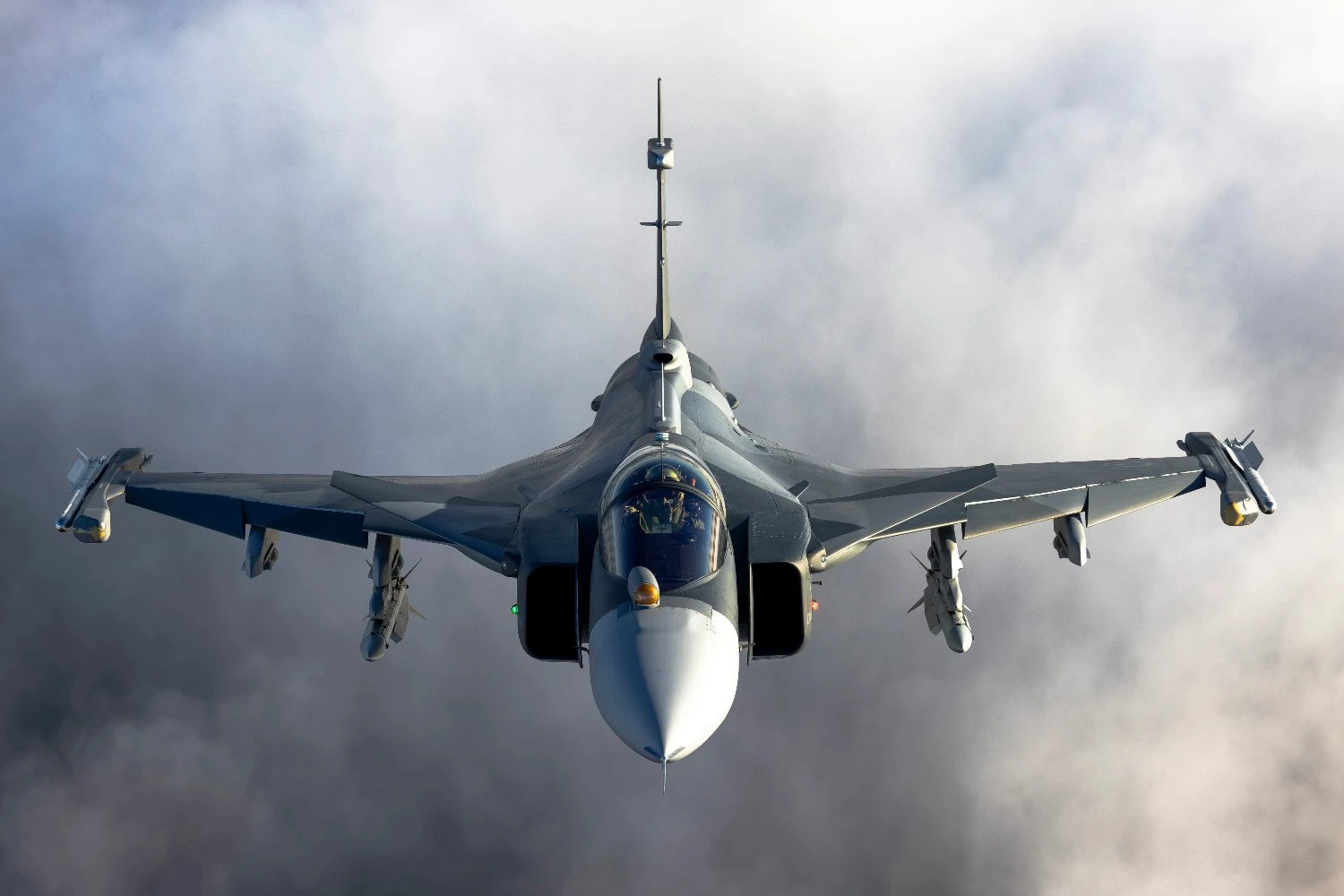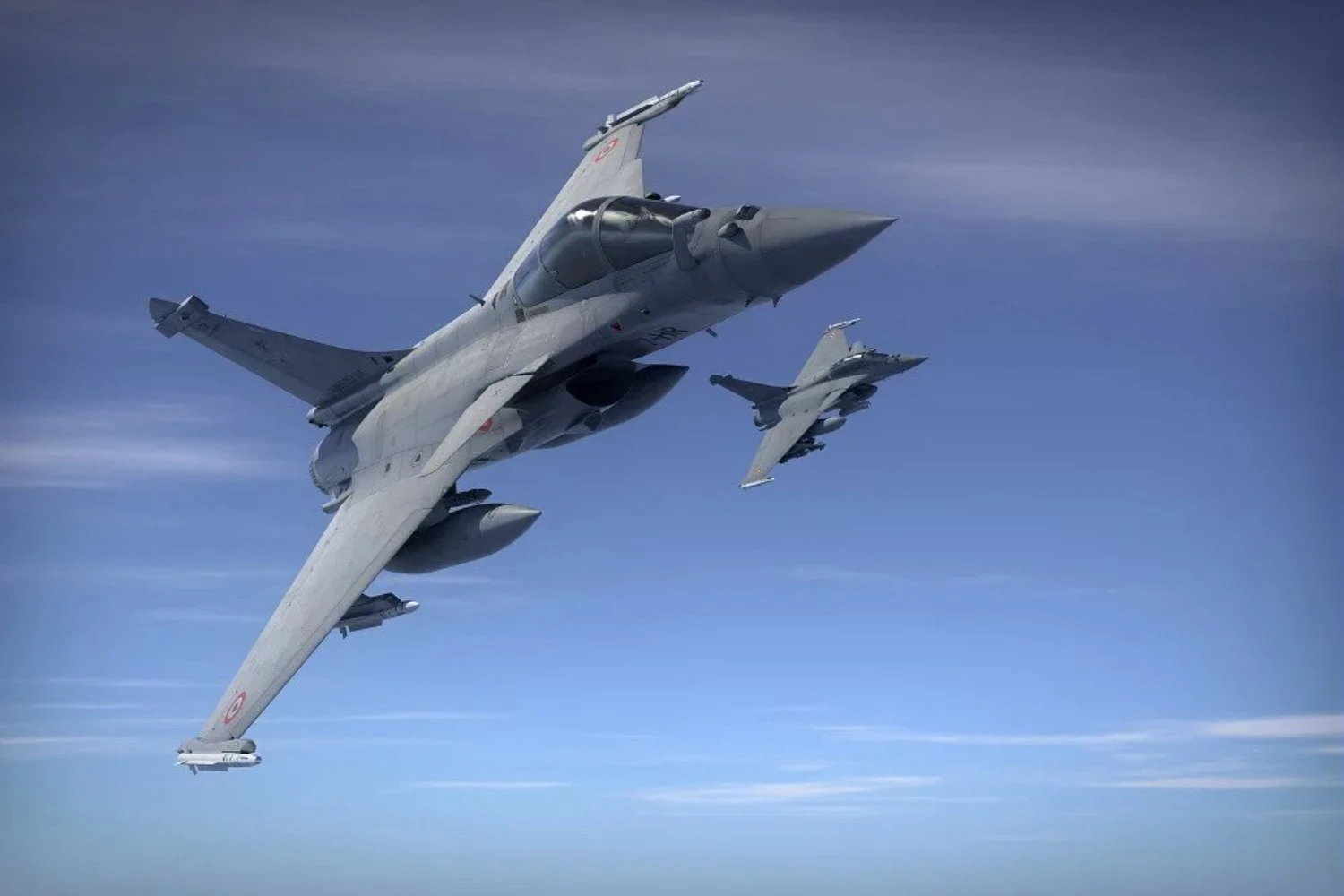
Ukraine will acquire 16 Dassault Rafale fighters from France under a defense agreement announced by President Emmanuel Macron on Monday. The aircraft are expected to enter service in 2028 and 2029, giving the Ukrainian Air Force another modern Western combat aircraft alongside the Saab Gripen E.
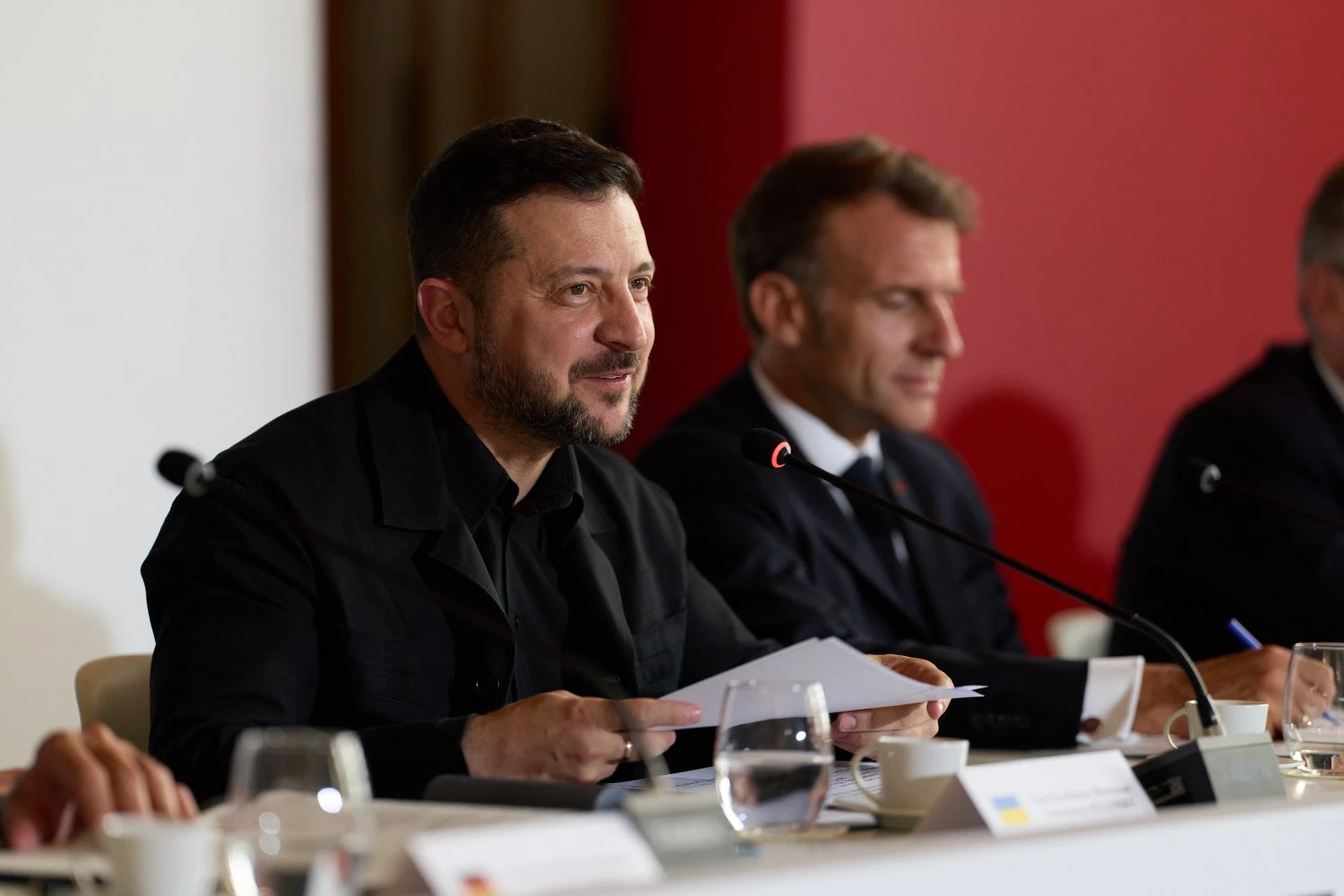
Macron unveiled the agreement after meeting Ukrainian President Volodymyr Zelenskyy in Paris. Besides the Rafales, France will authorize production in Ukraine of SCALP air-launched cruise missiles, AASM precision-guided bombs and Aster air-defense missiles. Paris will also provide additional SAMP/T air-defense systems and radar equipment.
Recent news
September 21, 2026
September 21, 2026
September 21, 2026
The Rafale becomes the second new-generation fighter ordered directly by Ukraine. Sweden recently confirmed an order for 16 Gripen E fighters, with deliveries scheduled to begin later this decade. Stockholm also plans to transfer 16 Gripen C/D aircraft before the new fighters arrive.
Kyiv already operates Western-built fighters supplied by European allies. Denmark, the Netherlands, Norway and Belgium have transferred second-hand F-16s, while France has delivered Mirage 2000-5 fighters. Those aircraft have entered service to strengthen Ukraine's air defenses against Russian attacks and replace part of the country's Soviet-era fighter fleet.
Unlike the donated F-16s and Mirage 2000s, the Rafales and Gripen Es will come from new production. Their arrival will gradually reshape the Ukrainian Air Force into a force equipped with Western aircraft and weapons.
The Rafale is a twin-engine multirole fighter capable of air-defense, strike, reconnaissance and maritime attack missions. Depending on customer requirements, it can carry weapons such as the Meteor beyond-visual-range missile, MICA air-to-air missiles, SCALP cruise missile and AASM precision-guided bombs. France has not disclosed the configuration planned for Ukraine.
The Gripen E and Rafale orders also signal a change in Ukraine's long-term fighter procurement. Rather than relying only on donated aircraft, Kyiv has started ordering new fighters that are expected to remain in service well beyond the current conflict.