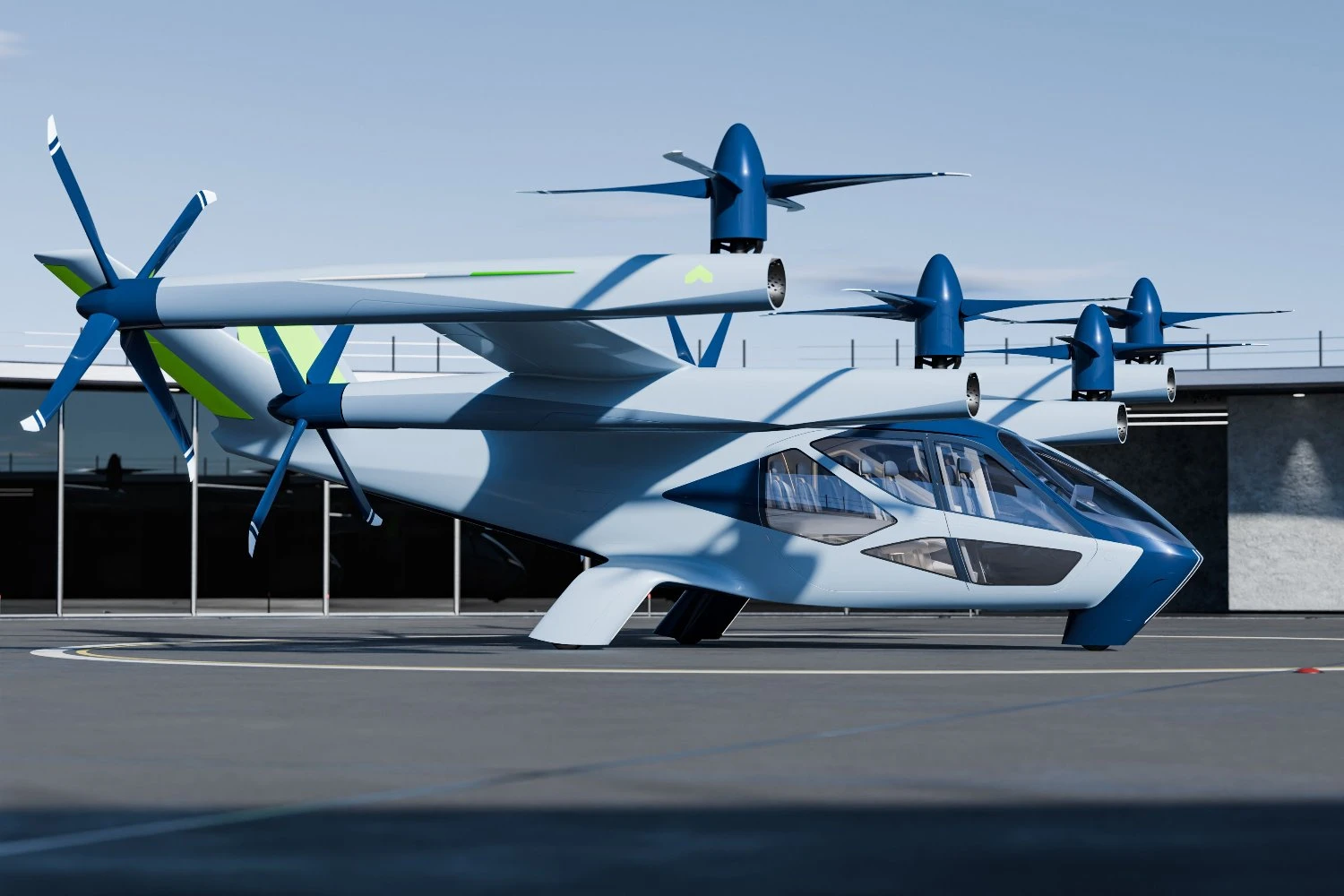
Hyundai Motor Group is attempting to restart its advanced air mobility prgram after signing a memorandum of understanding with Korea Aerospace Industries (KAI) to jointly develop future aircraft for the sector.
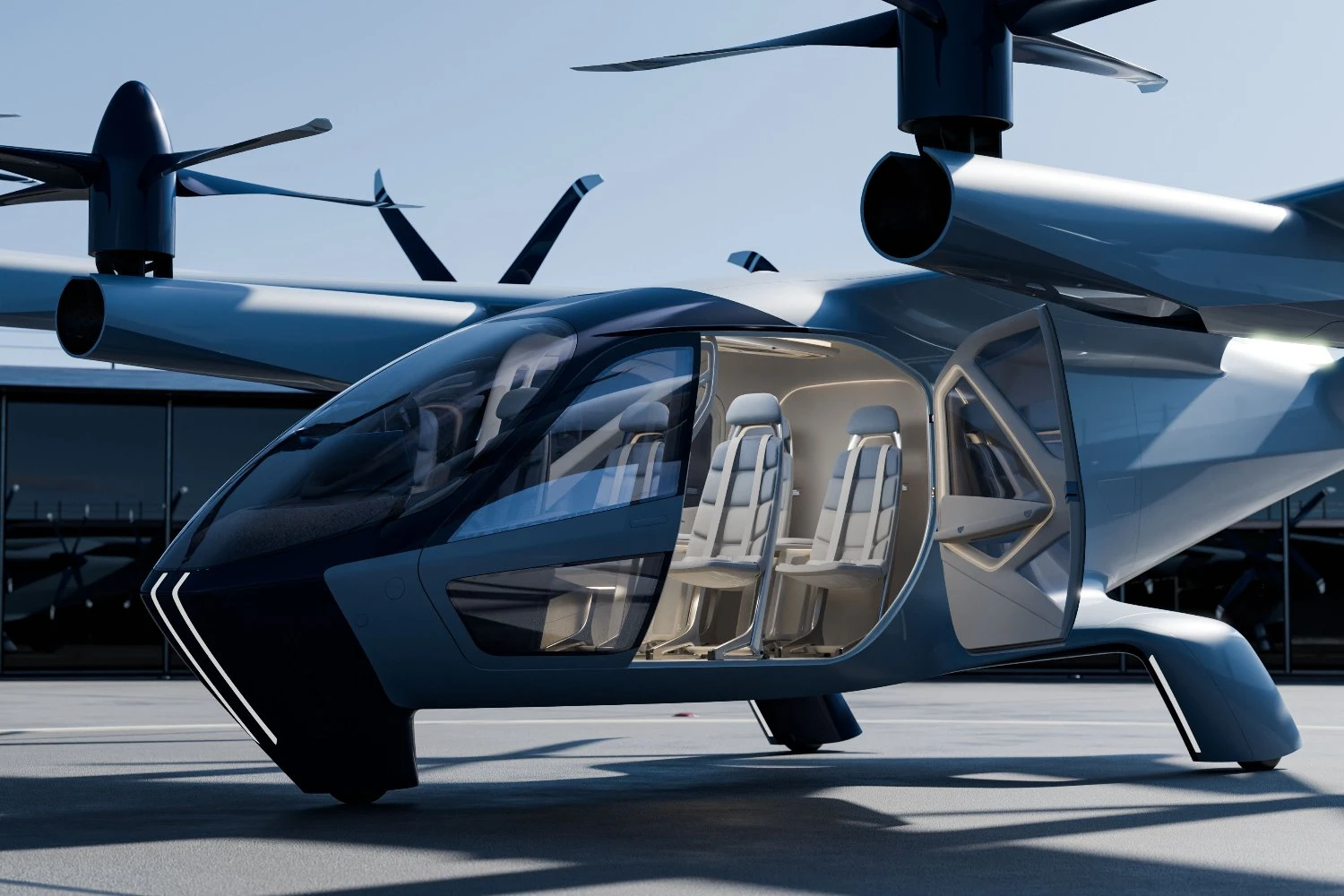
The agreement comes about eight months after Hyundai’s U.S.-based subsidiary Supernal paused development of its electric vertical takeoff and landing (eVTOL) aircraft program amid uncertainty surrounding the company’s future direction.
Under the partnership, Hyundai and KAI said they will combine expertise in electric propulsion systems, aircraft development and aerospace manufacturing to pursue new advanced air mobility projects.
Related news
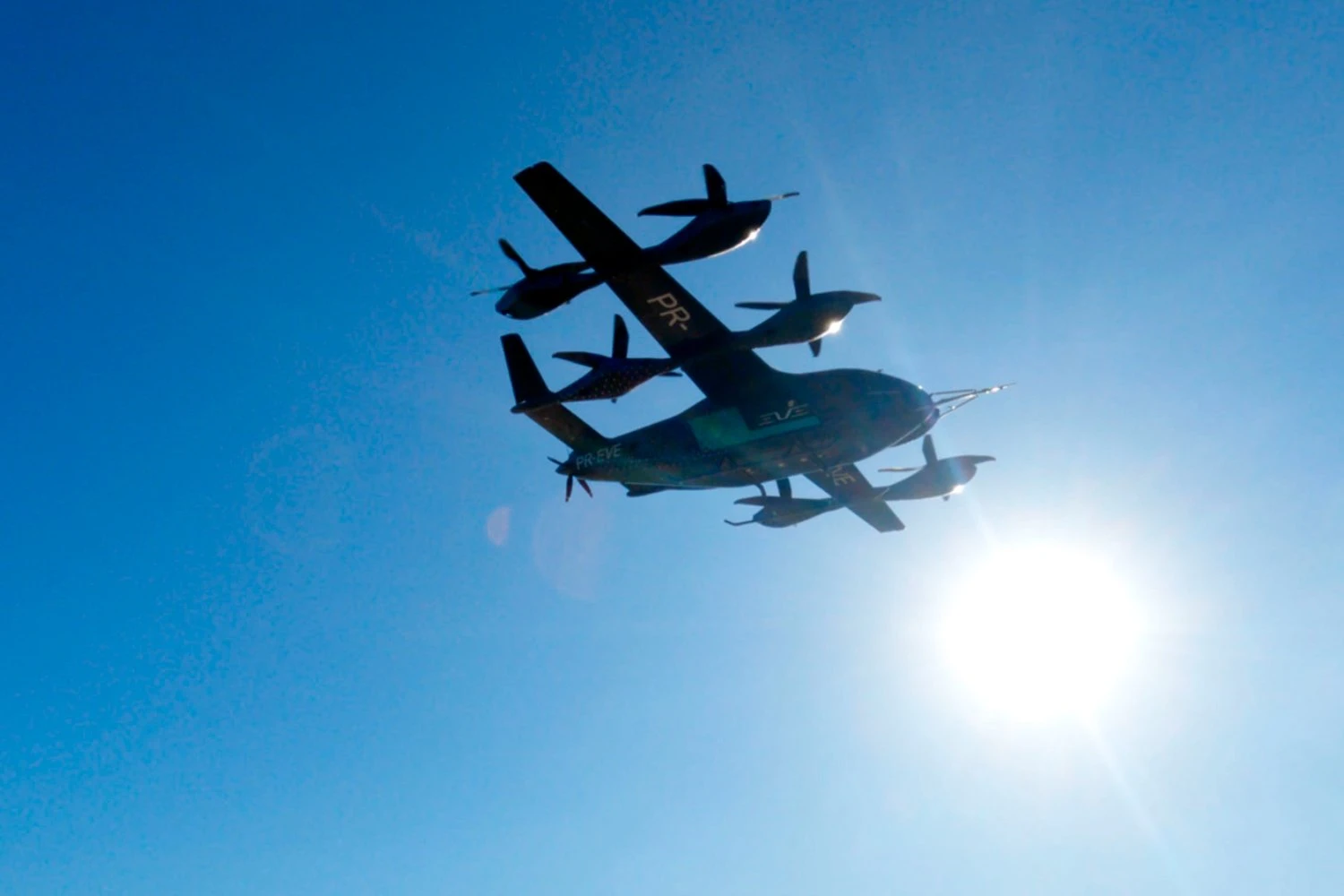
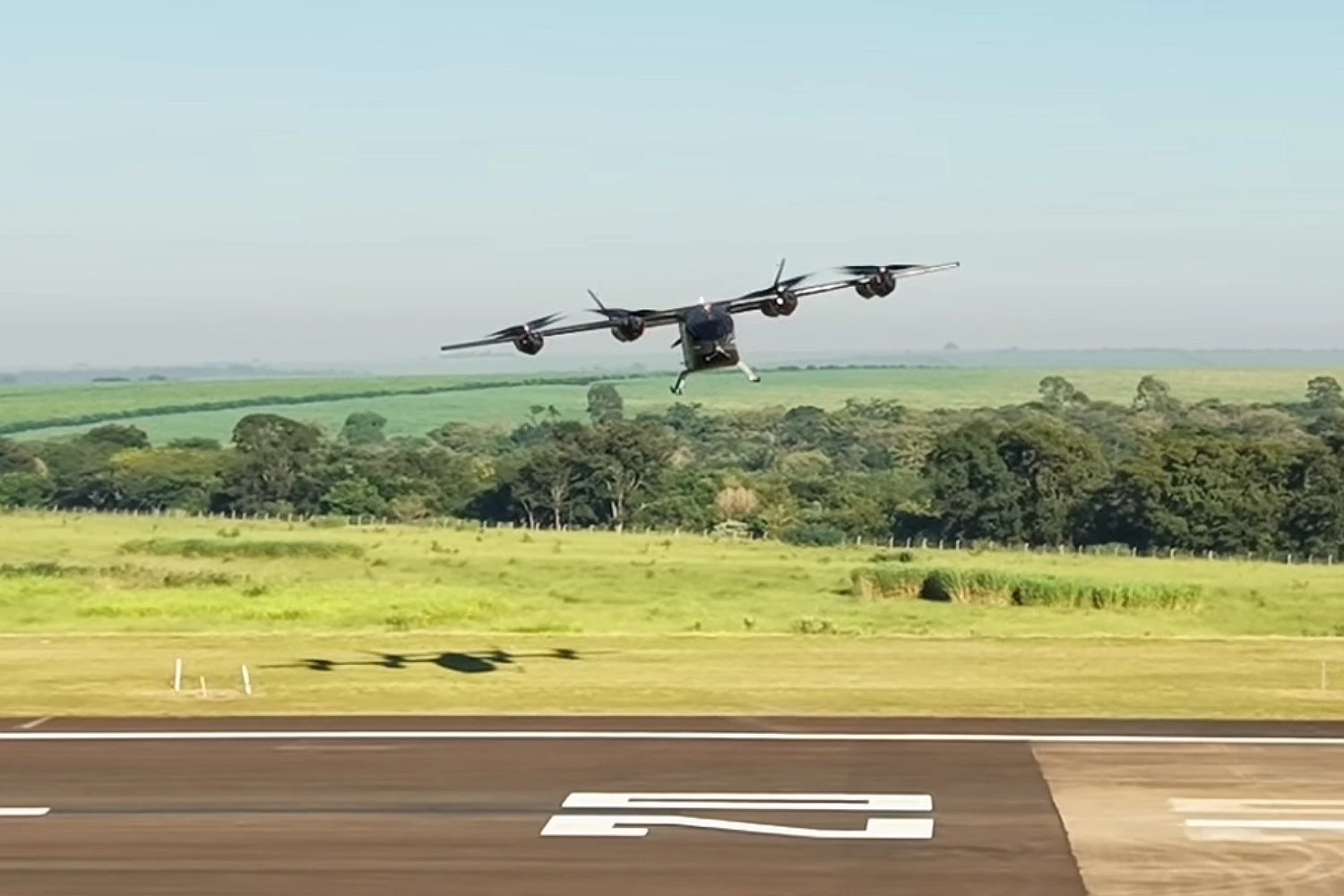
Supernal and KAI are expected to jointly develop the aircraft, with Hyundai contributing electric aviation powertrain technologies derived from its automotive electrification programs, while KAI will support airframe development, certification and industrial production capabilities.
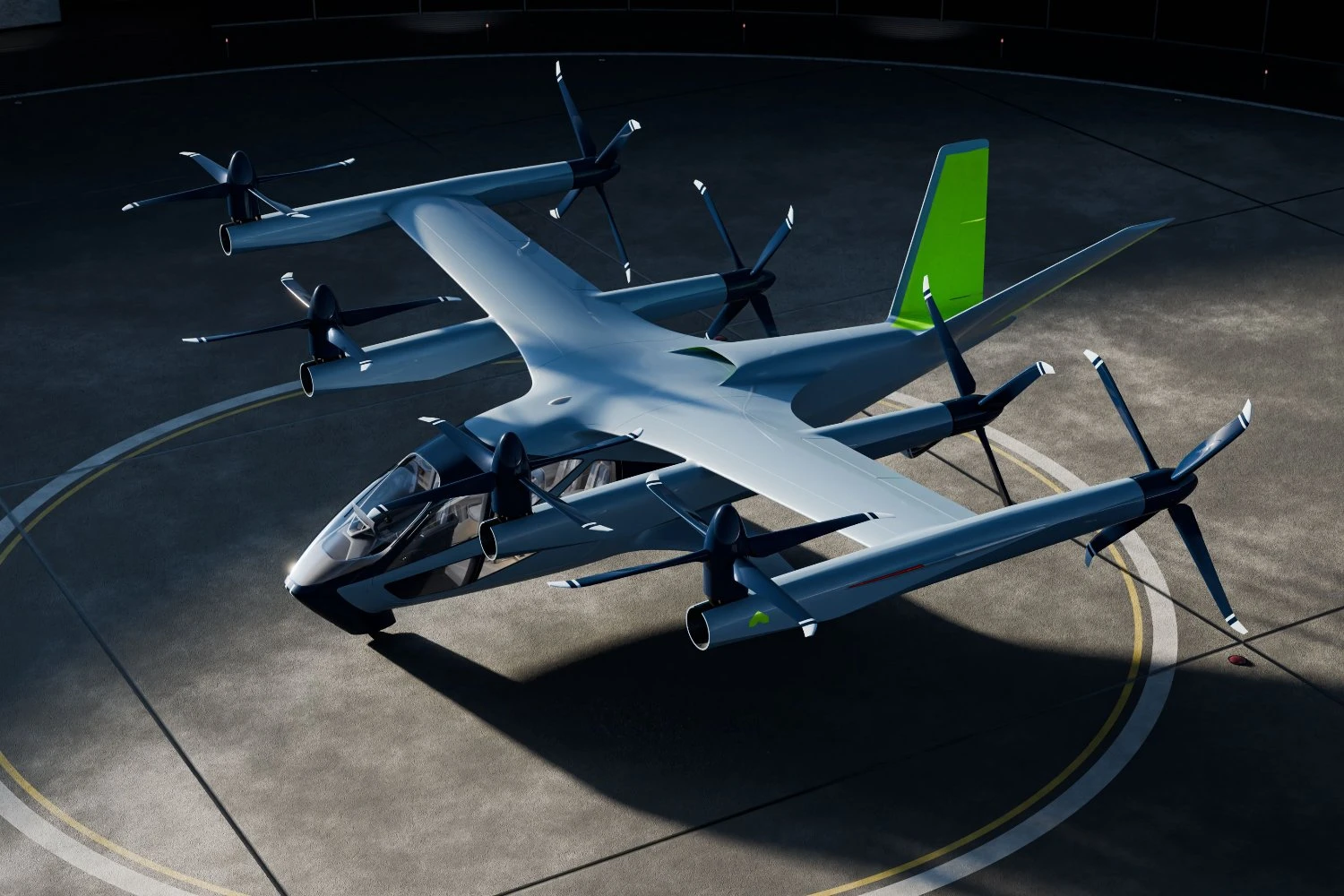
The announcement suggests Hyundai is reversing course after dramatically scaling back Supernal’s operations in September 2025. At the time, the company halted work on its eVTOL aircraft, reduced most of its workforce and said it was reviewing strategic alternatives for the business.
No details were disclosed regarding a possible restart of aircraft development activities, hiring plans or additional financial support for Supernal.
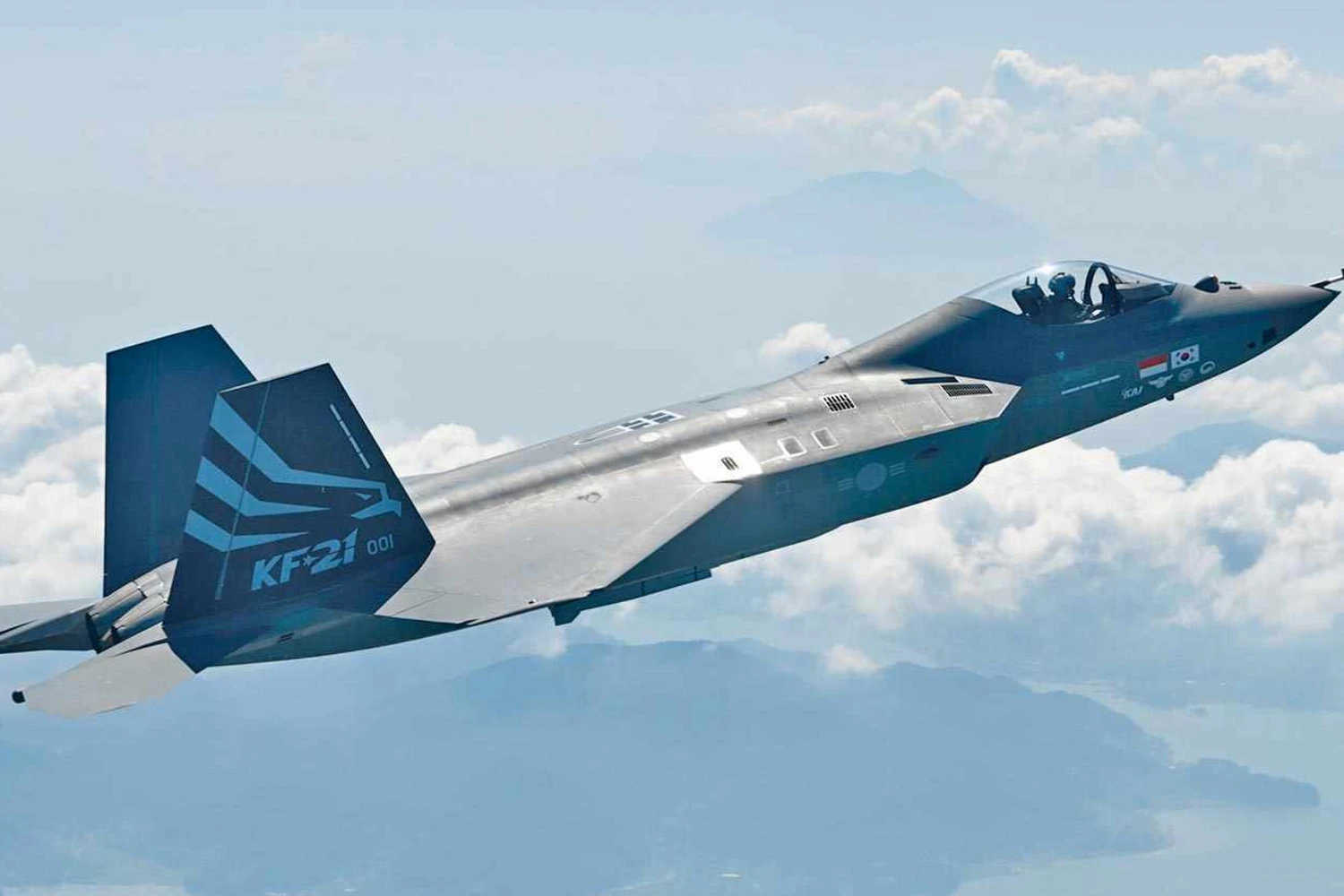
KAI, South Korea’s main aerospace company, has been seeking to expand beyond military aircraft and unmanned systems into the civilian aviation sector. The manufacturer produces aircraft such as the KT-1 trainer and the KF-21 fighter jet and has increasingly signaled interest in advanced air mobility initiatives.
Recent news
September 21, 2026
September 21, 2026
September 21, 2026
The agreement also includes cooperation on supply chains, certification activities and commercialization strategies for future aircraft and propulsion systems.
Earlier this month, Supernal appointed rotorcraft specialist Farhan Gandhi as its new chief technology officer, another indication that the company may be rebuilding its engineering structure after months of uncertainty.
Advanced air mobility programs have faced mounting pressure worldwide in recent years as developers struggled with certification timelines, funding constraints and questions surrounding the commercial viability of urban air taxi operations.