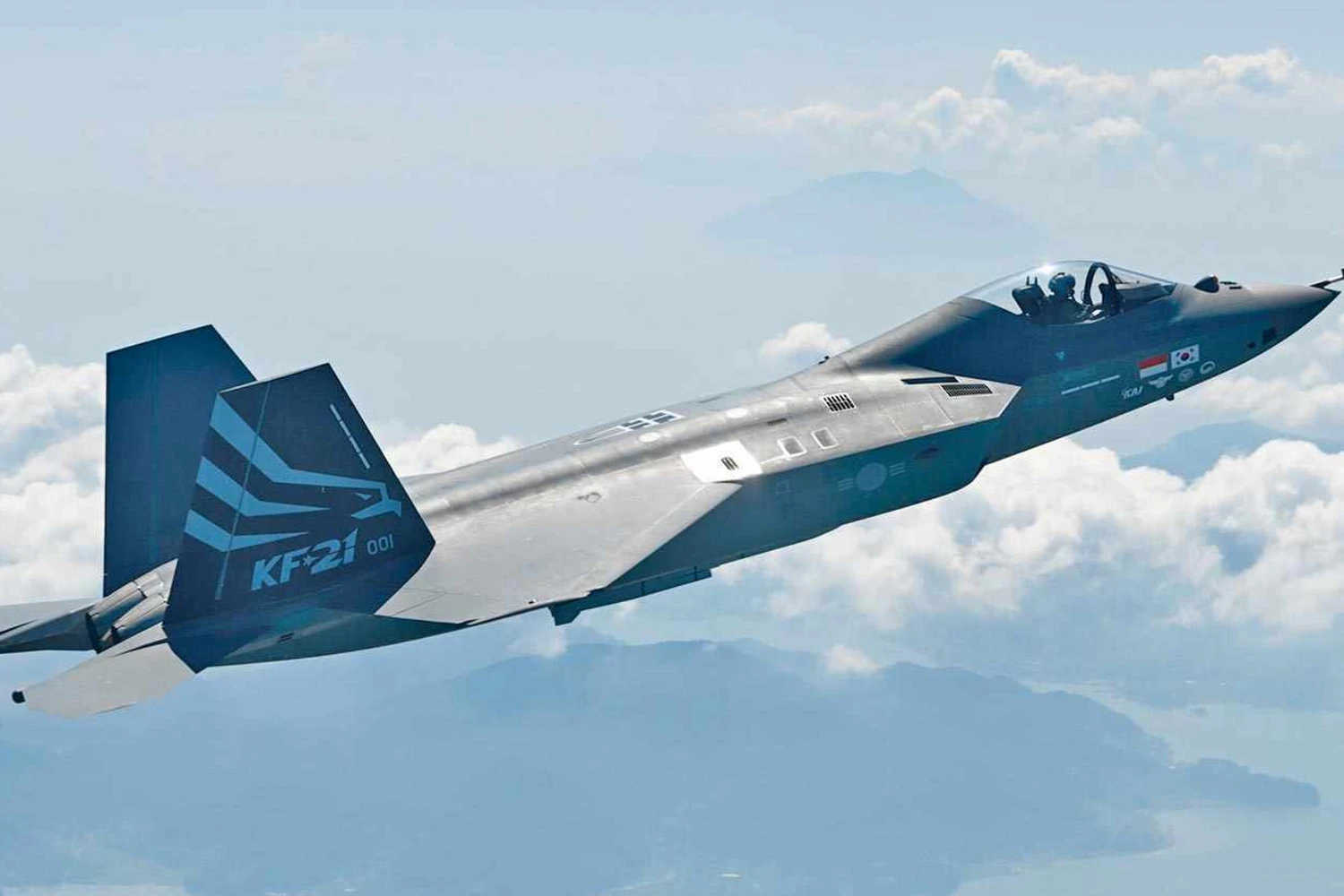
South Korea’s Defense Acquisition Program Administration (DAPA) confirmed that the Korea Aerospace Industries (KAI) KF-21 Boramae fighter has completed its final combat suitability evaluation, clearing the aircraft for operational missions.
The approval covers the KF-21 Block I configuration, focused on air-to-air combat missions, and marks the final certification stage before the end of the aircraft’s development program in June.
The first production aircraft is scheduled to be delivered to the Republic of Korea Air Force (ROKAF) in the second half of 2026.
According to DAPA, the KF-21 achieved the required levels of stability, performance and operational capability for frontline combat use after about three years of additional testing following provisional certification granted in 2023.
Related news
The fighter has been under development for more than a decade as part of the KF-X program, intended to replace South Korea’s aging F-4 Phantom II and F-5 Tiger II fleets.
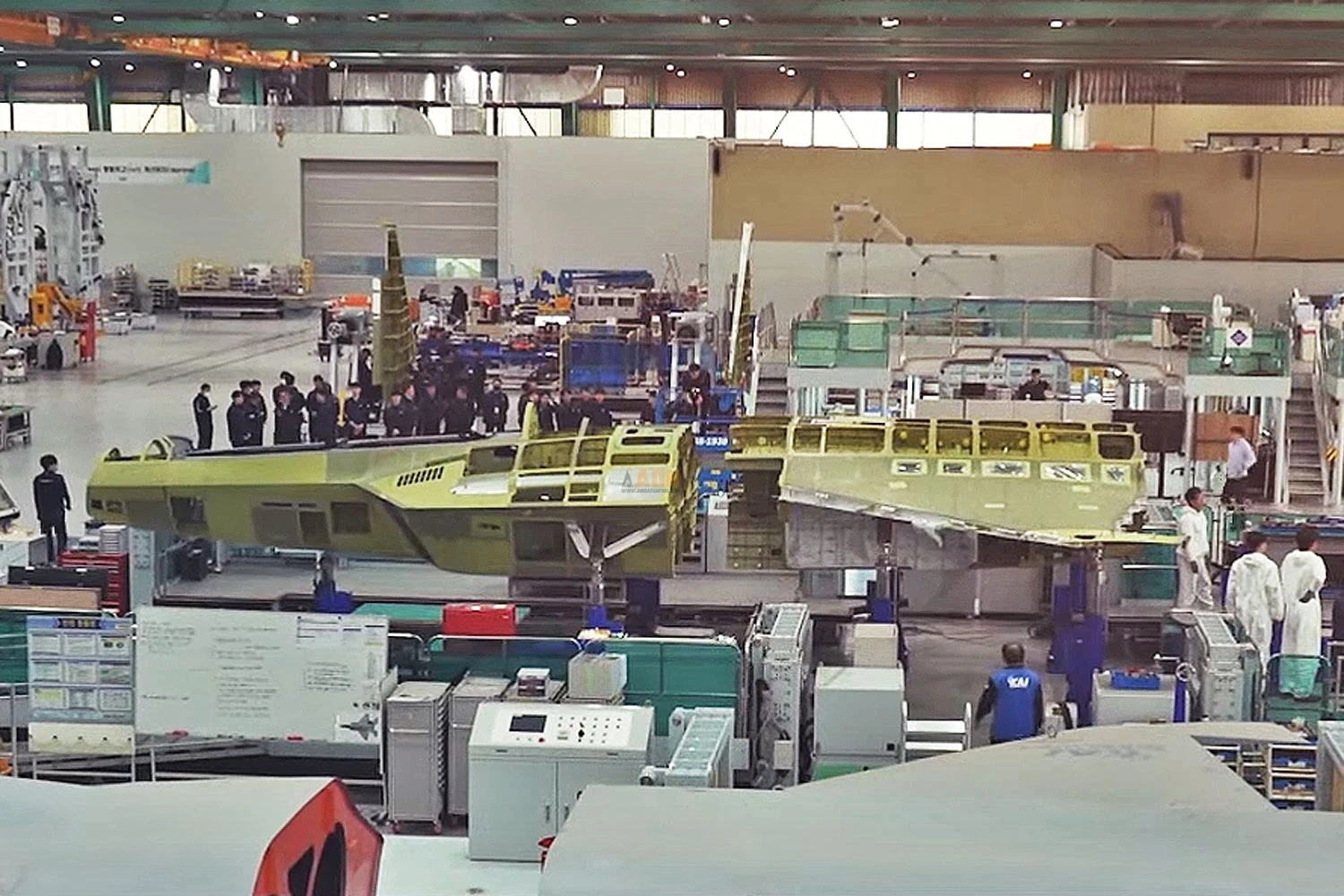
Since the rollout of the first prototype in 2021, six test aircraft have completed around 1,600 sorties and validated roughly 13,000 test conditions, including aerial refueling and weapons release trials, according to South Korean authorities.
Powered by two General Electric F414 engines, the KF-21 is classified as a 4.5-generation fighter and has demonstrated speeds up to Mach 1.81 with a range of about 2,900 km.
The aircraft also features a domestically developed AESA radar produced by Hanwha Systems.
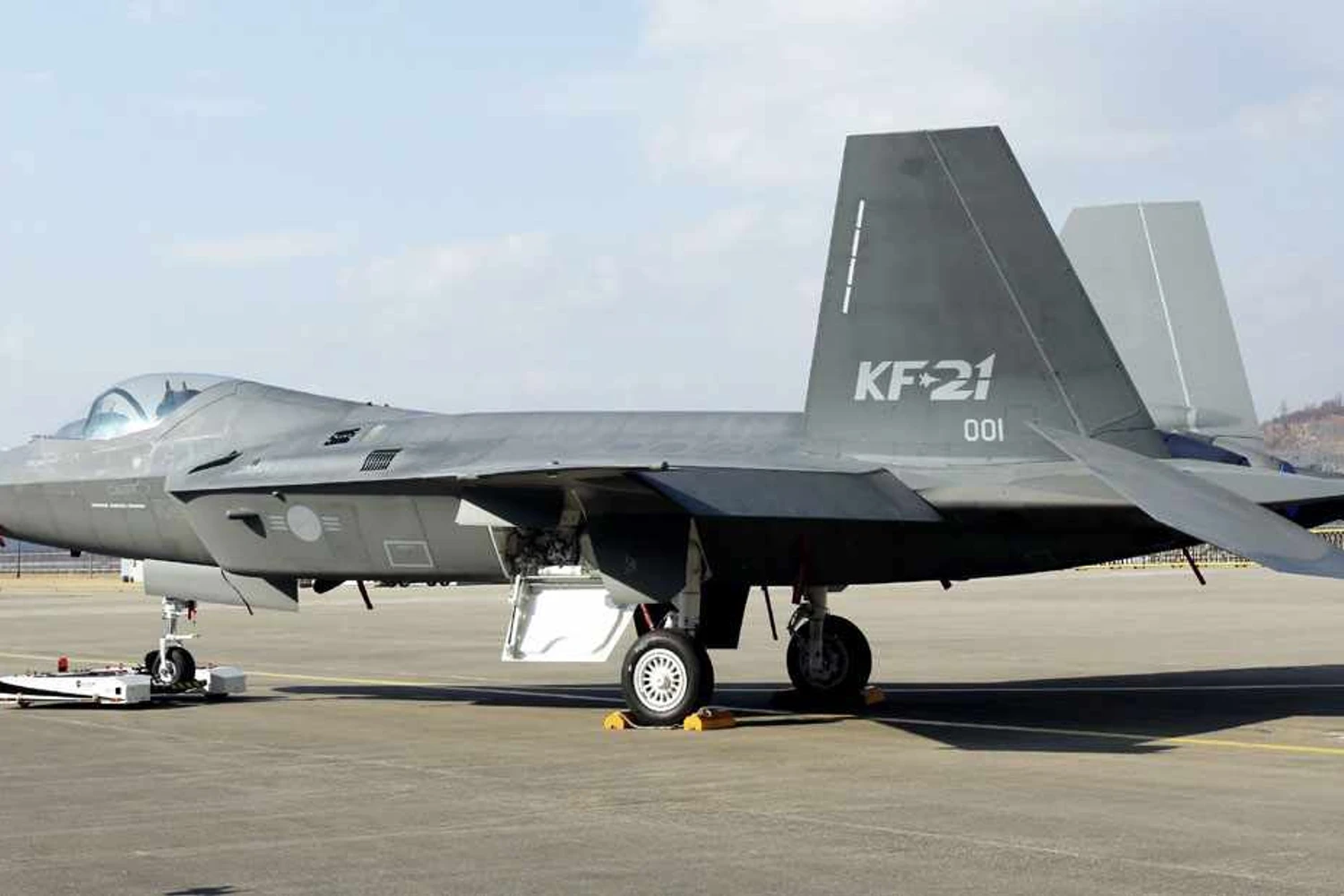
South Korea plans to acquire 120 KF-21s
The current schedule calls for delivery of 40 Block I fighters optimized for air-to-air missions by 2028, followed by 80 Block II aircraft with expanded strike and anti-ship capabilities.
DAPA accelerated development of the Block II configuration last year, with integration testing for air-to-ground weapons now expected to begin in early 2027.
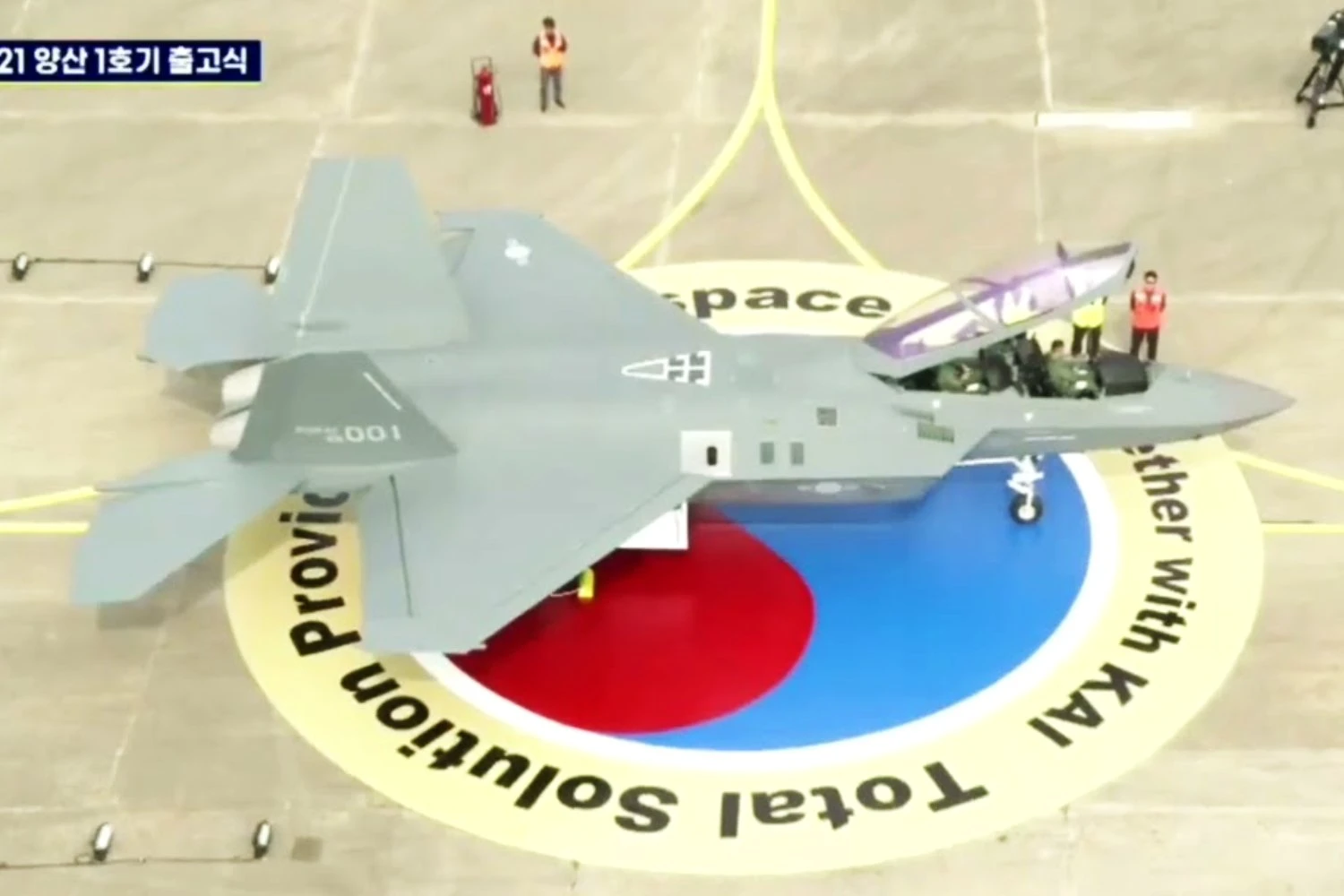
Separately, Hanwha Aerospace increased its stake in KAI to 5.1% and disclosed plans to raise the holding to about 8% by the end of the year.
Hanwha manufactures the KF-21’s F414 engines under license and is also developing indigenous technologies for future versions of the aircraft, including sensors and a locally developed engine planned for the Block III variant.
Beyond domestic requirements, South Korea has also been positioning the KF-21 as an export product for international customers.