 Air Transport
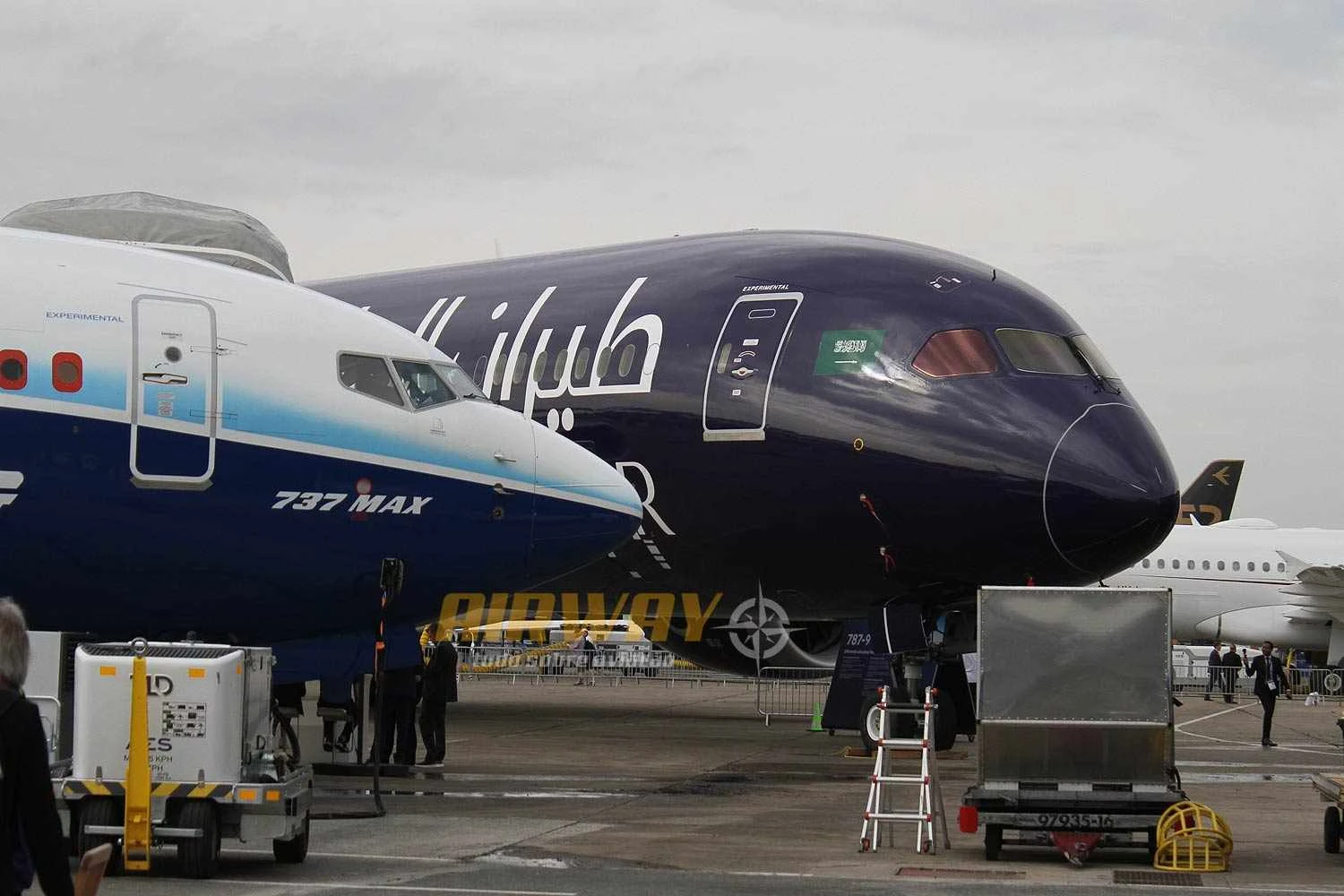
The US Federal Aviation Administration (FAA) will permit Boeing to resume issuing airworthiness certificates for certain 737 MAX and 787 aircraft beginning September 29. The decision follows an extensive review of Boeing’s manufacturing quality processes after previous suspensions due to safety concerns.
Airworthiness certificates are mandatory documents that confirm an aircraft is considered safe to operate. Boeing lost the ability to self-certify 737 MAX aircraft in 2019 and the 787 in 2022, after the FAA identified production quality lapses. The new arrangement stipulates that Boeing and the FAA will alternate issuing certificates on a weekly basis, providing continued regulatory oversight.
“Resuming limited delegation to the Boeing ODA will enable FAA inspectors to provide additional surveillance in the production process. For example, there will be more FAA inspectors observing critical assembly stages, examining trends, ensuring Boeing mechanics are performing work to approved type design and engineering requirements”, said the FAA in a statement.
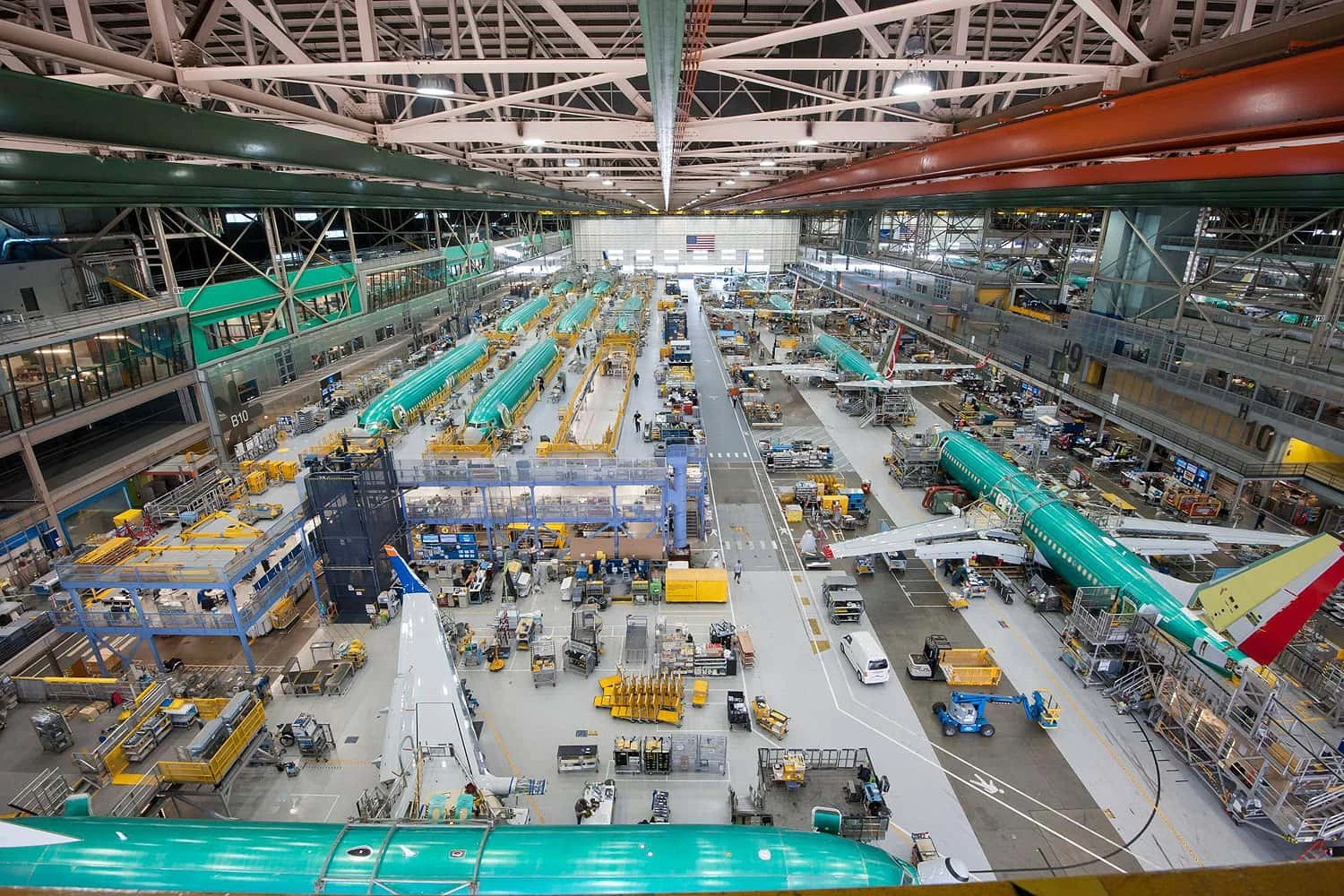
This move is part of a broader shift in FAA supervision, which includes maintaining strict oversight of Boeing’s manufacturing practices. In June, the FAA renewed Boeing’s organizational designation authorization (ODA) for three years, allowing the company to participate in certain certification activities under regulatory supervision.
Recent FAA audits found hundreds of quality system violations at Boeing’s Renton, Washington facility. The agency has also imposed a monthly production cap of 38 737 MAX aircraft and has proposed a $3.1 million fine for safety violations. Additionally, criminal investigations remain ongoing after Boeing submitted two non-airworthy aircraft for approval.
The 737 MAX and 787 are critical for Boeing’s commercial operations, both representing significant portions of the company’s backlog and airline fleets worldwide. Any changes in certification or production rates can impact airline deliveries and broader supply chains.