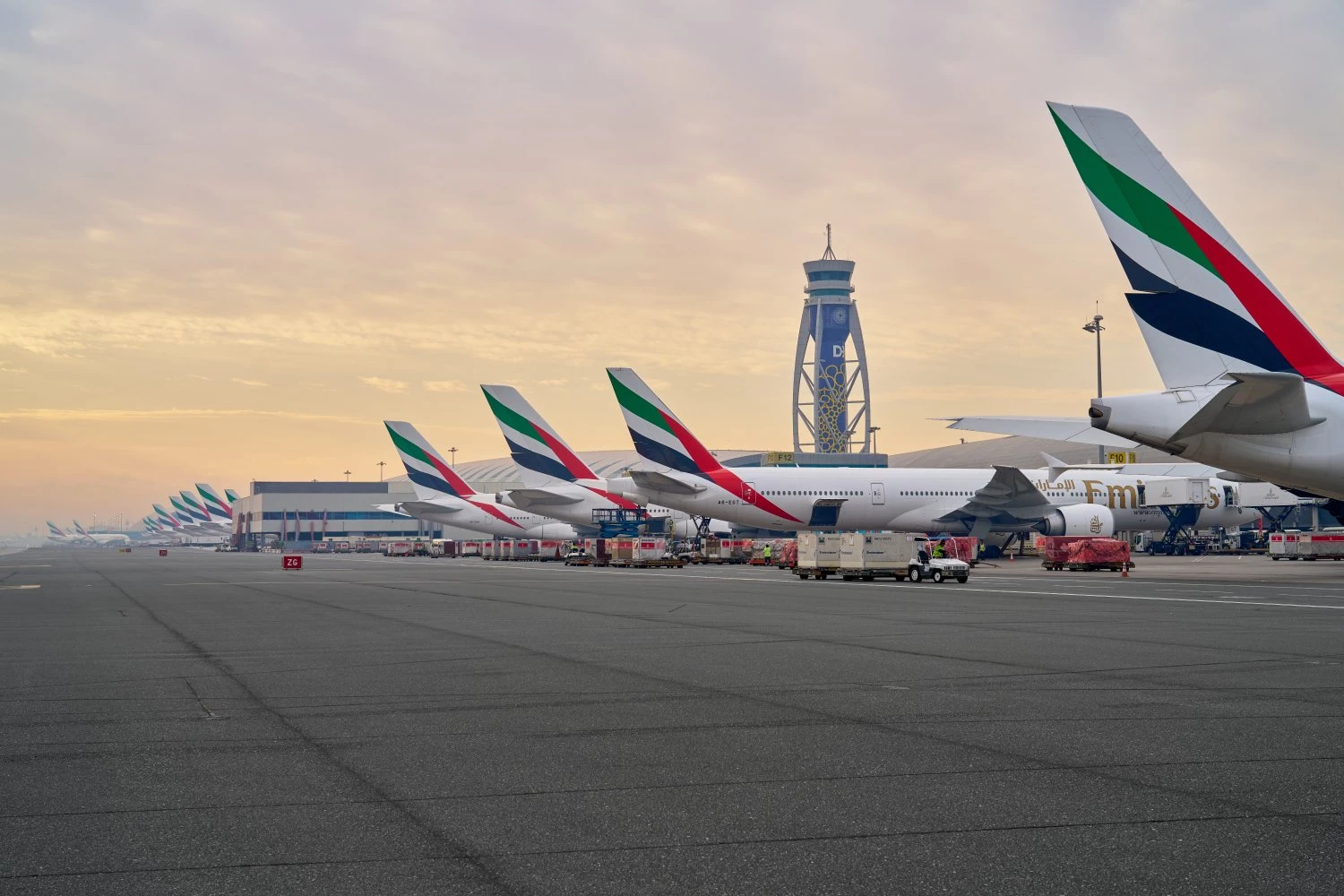
Emirates Airline and Dubai International Airport (DXB) are scaling up operations after weeks of disruption caused by the conflict involving Iran, which forced widespread airspace restrictions across the Middle East.
Emirates said it has restored 96% of its global network, now serving 137 destinations with more than 1,300 weekly flights, equivalent to about 75% of its usual capacity. The airline had suspended a large share of its schedule as regional airspace closures limited routing options from its Dubai hub.
At the same time, Dubai Airports reported that DXB remained operational throughout the crisis, handling around 6 million passengers, 32,000 aircraft movements and 213,000 tonnes of cargo between late February and the end of April, albeit under constrained conditions.
Recent news

September 21, 2026
September 21, 2026
September 21, 2026
The disruption significantly affected one of the world’s most critical aviation corridors, where long-haul traffic between Europe, Asia and Africa depends heavily on Middle Eastern hubs. Passenger traffic at DXB fell sharply, with 18.6 million travelers handled in the first quarter, down more than 20% year-on-year, and a steep decline in March as restrictions intensified.
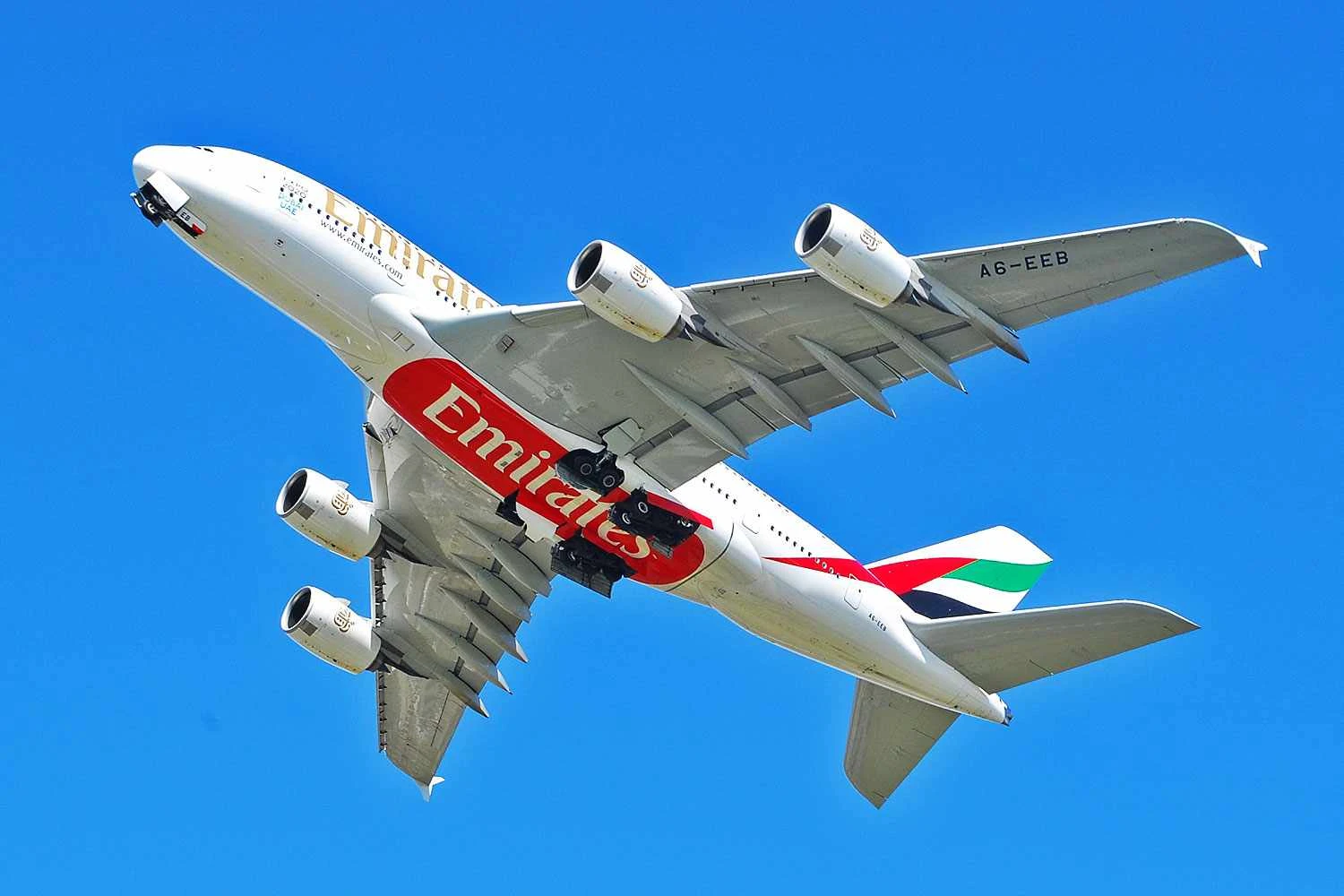
With UAE airspace now fully reopened, both the airport and airlines are increasing flight activity, although capacity still depends on the availability of routes through neighboring countries, where some constraints remain.
“The extraordinary events of the past few weeks are unprecedented for any major airport hub such as DXB,” said Paul Griffiths. “Maintaining the smooth operation of DXB is therefore critical to keep global journeys moving.”
Related news

September 03, 2026
August 09, 2026
Dubai’s role as a transfer hub has been central to the recovery. The airport handles a large share of connecting passengers in the region, and demand is expected to return quickly as flight schedules stabilize.