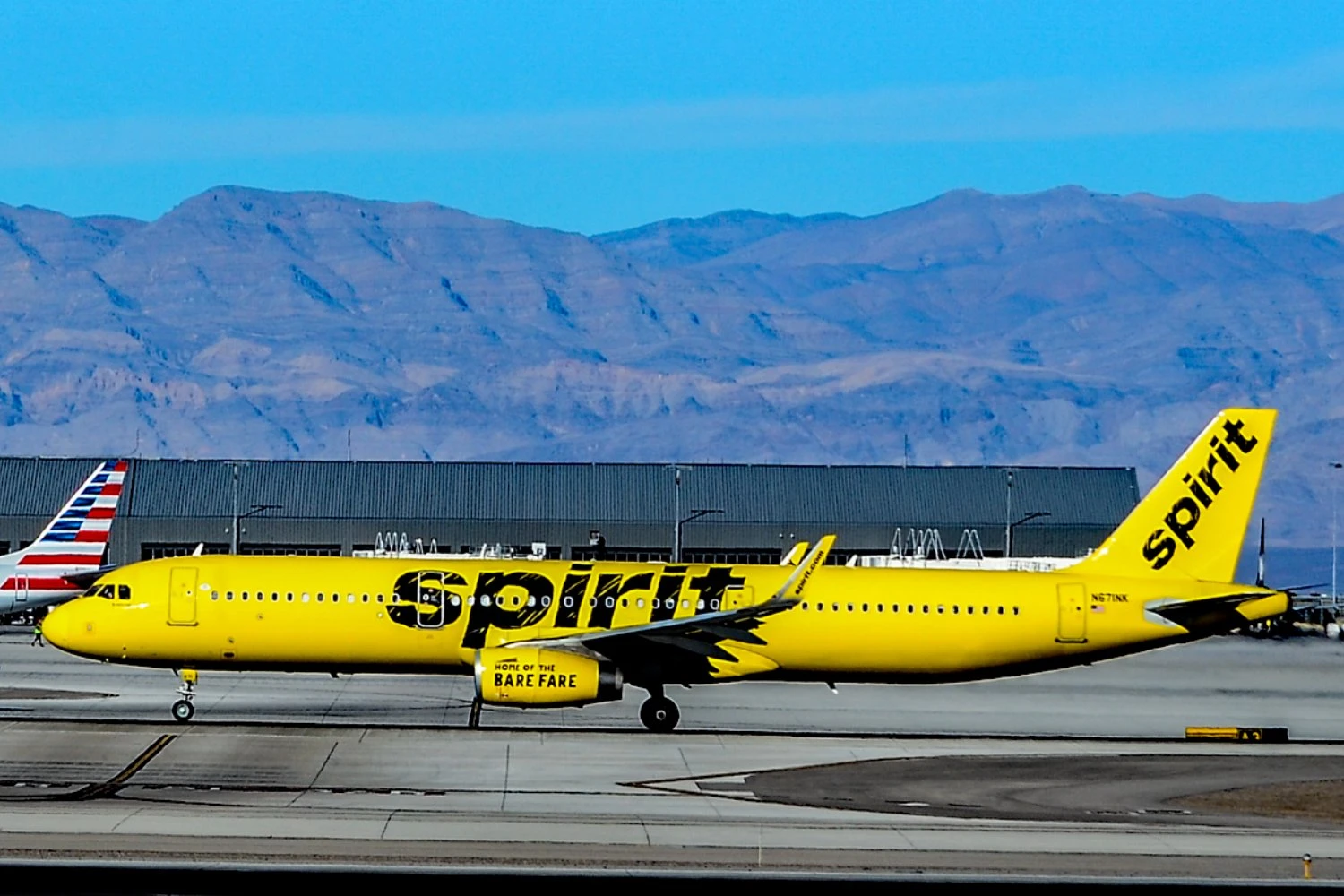
Major U.S. carriers have launched a range of support measures for passengers and employees affected by the shutdown of Spirit Airlines, which ceased operations on May 2.
American Airlines said it introduced so-called “rescue fares” on routes previously served by Spirit where it also operates nonstop flights. The airline is also reviewing options to increase capacity, including deploying larger aircraft and adding frequencies. American noted it serves most of the airports and routes previously covered by Spirit and is working with authorities to mitigate disruption.
United Airlines implemented capped fares for affected travelers, generally limiting one-way tickets to $199, or $299 on longer routes, for bookings made within a two-week window. Passengers are required to provide proof of a canceled Spirit booking to access the fares. United also extended travel benefits to displaced Spirit employees and set up a dedicated hiring channel.
Follow Air Data News: WhatsApp | Google News | Instagram | LinkedIn | Twitter | Facebook
Southwest Airlines introduced similar fare caps at airport ticket counters and online, with prices set at $199 for shorter routes and $299 for longer flights. The airline also established dedicated customer service lines in key cities such as Fort Lauderdale, Las Vegas and Orlando, while offering standby travel options for former Spirit staff.
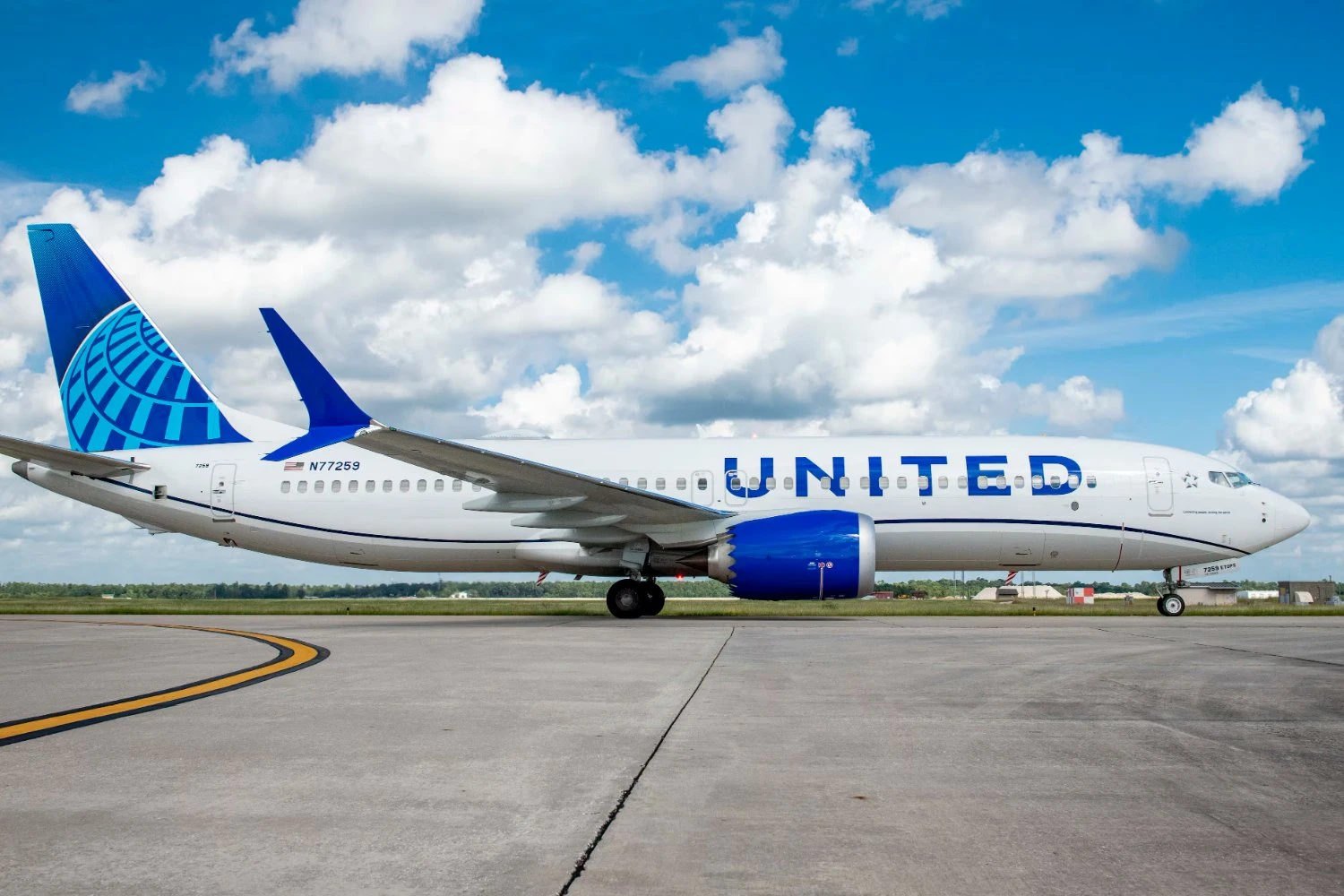
Boeing 737 MAX 8 (United Airlines) 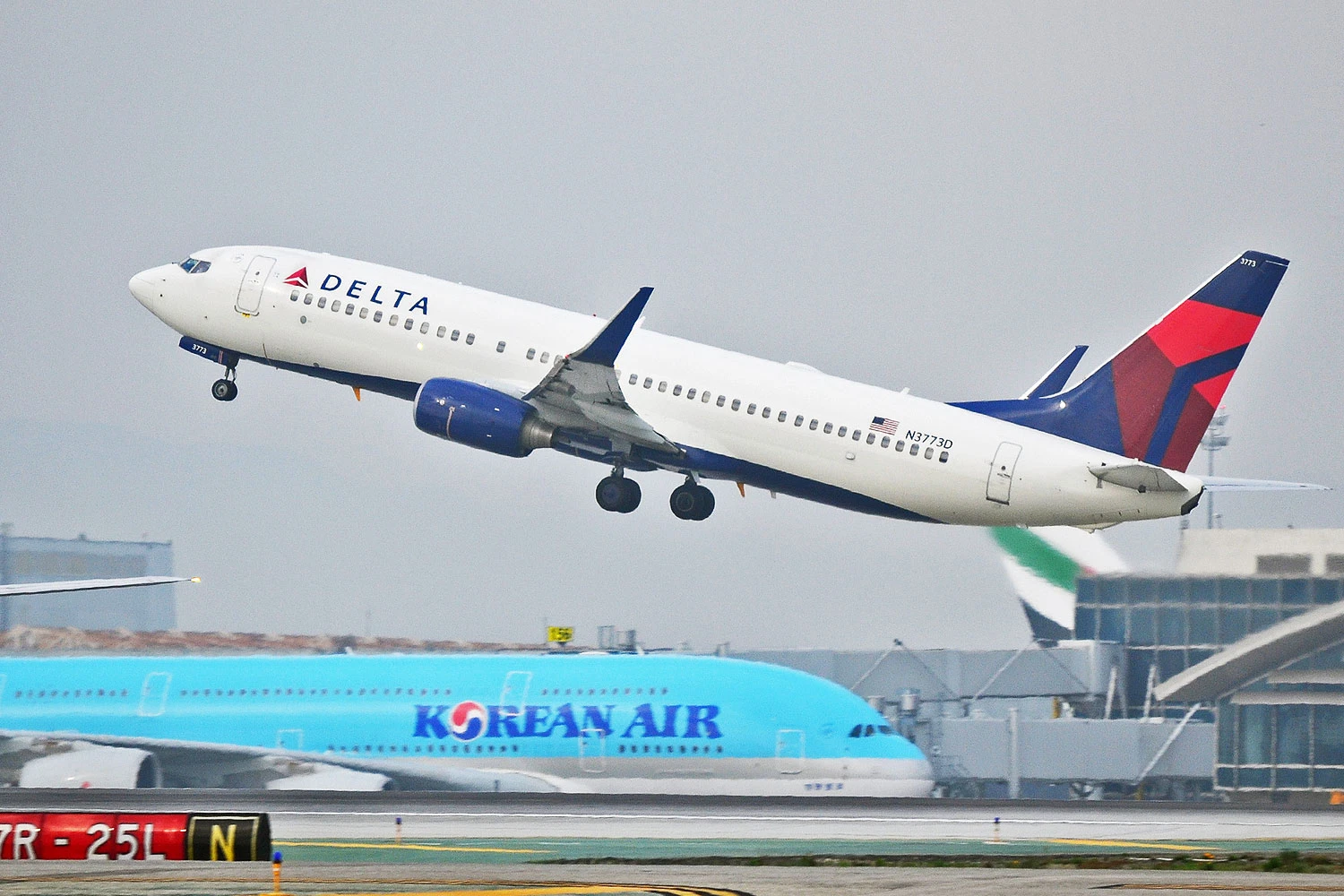
Delta uand Korean Air aircraft (Ian Abbott) 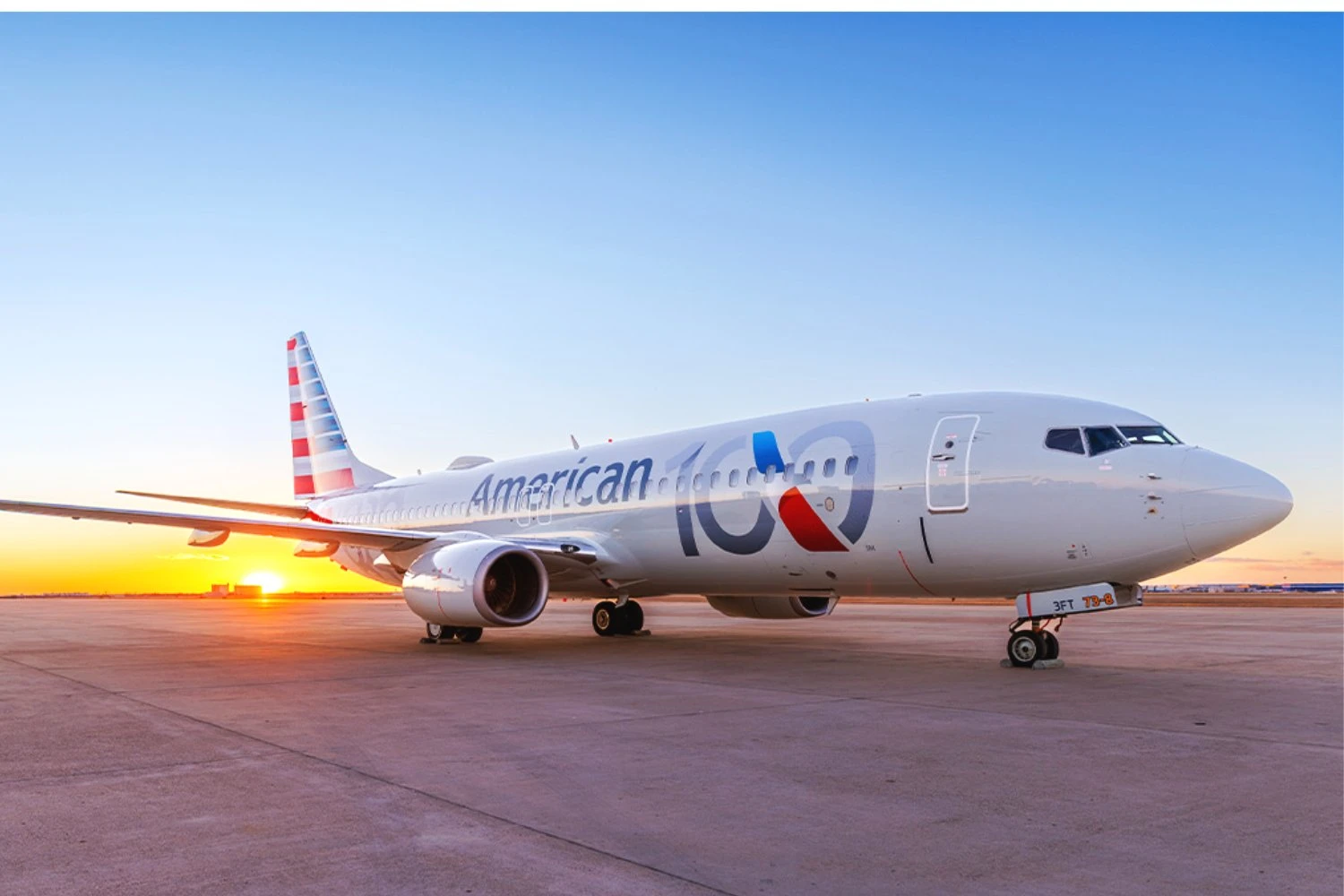
American Boeing 737 | American Airlines 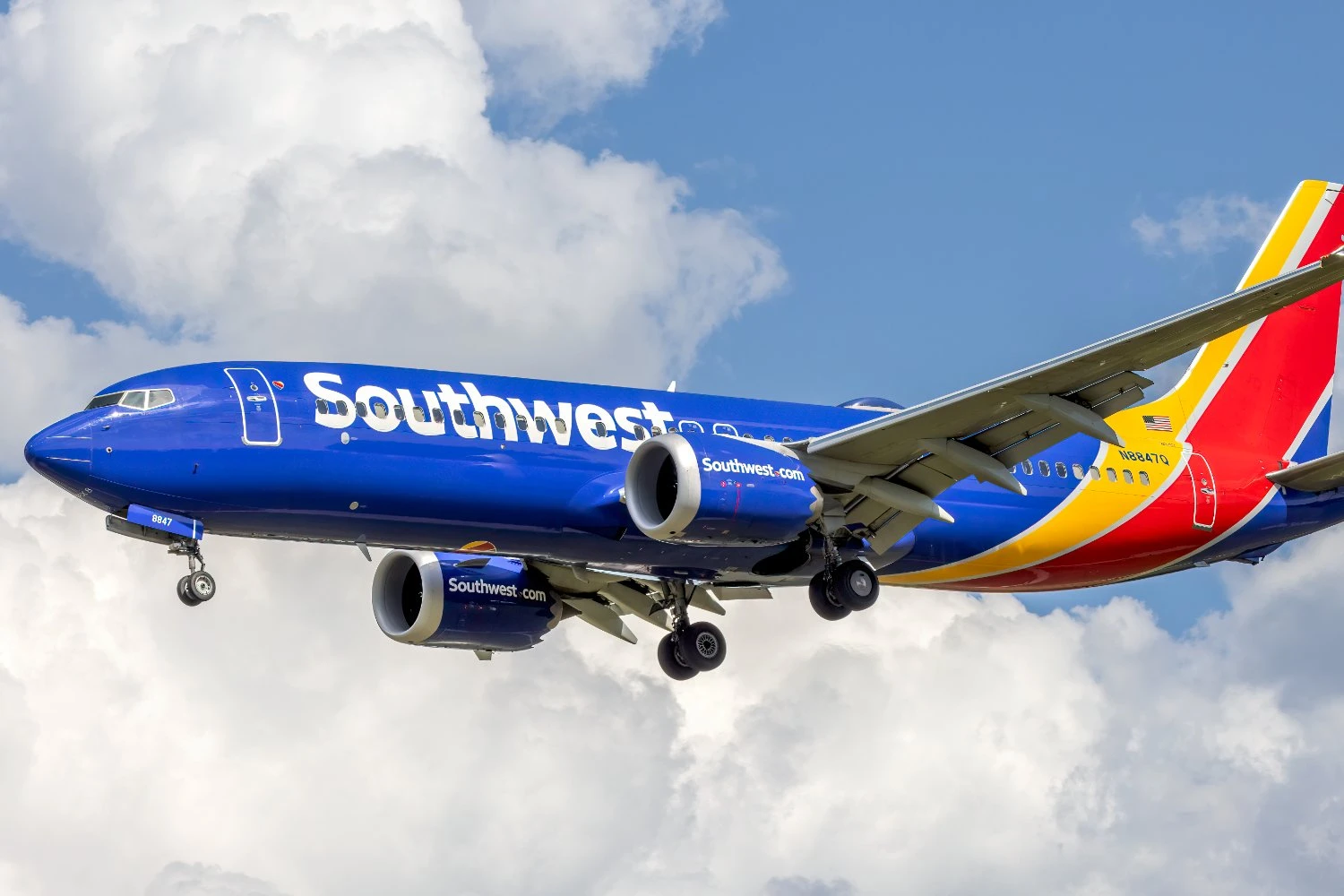
Southwest Airlines Boeing 737 MAX 8 (Acroterion)




Delta Air Lines said it is offering reduced fares across domestic and select international markets for a limited period, including flights nearing full capacity. The airline extended standby travel access to Spirit pilots and flight attendants under existing agreements and opened a recruitment channel for affected employees.
The support measures come after Spirit Airlines halted all operations over the weekend, following the collapse of efforts to secure a government-backed rescue plan.
The carrier had been operating under bankruptcy protection and was attempting to restructure its business, but a sharp increase in jet fuel prices undermined those plans. Its financial projections had assumed fuel costs near $2.20 per gallon, while spot prices climbed to around $4.50 by late April, leaving the airline unable to sustain operations without additional funding.