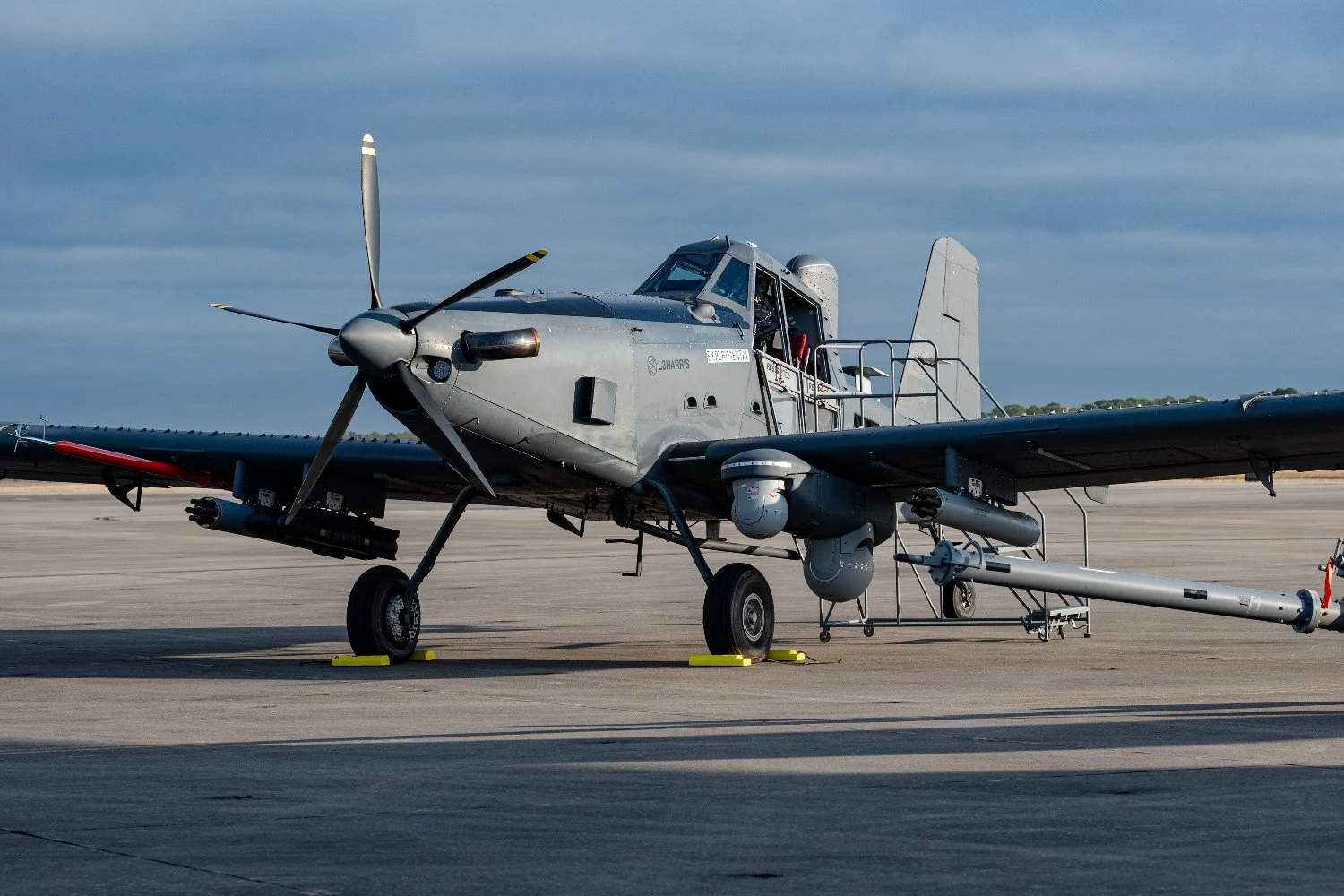
U.S. Special Operations Command (SOCOM) is scaling back its planned acquisition of the OA-1K Skyraider II while increasing investment in unmanned systems built around the MQ-9 Reaper, according to its fiscal 2027 budget request.
The command now plans to procure 53 OA-1K aircraft, down from 62 previously budgeted and well below the original requirement of 75 under the Armed Overwatch program. Procurement will also slow in the near term, with just two aircraft requested for 2027, compared with six in 2026 and 12 in 2025.
The OA-1K is based on the Air Tractor AT-802, a single-engine turboprop adapted for military use by L3Harris Technologies after winning the Armed Overwatch competition in 2022. The program sought a low-cost platform capable of conducting light attack, close air support and intelligence missions, particularly in counterinsurgency environments.
Follow Air Data News: WhatsApp | Google News | Instagram | LinkedIn | Twitter | Facebook
The selection of a modified agricultural aircraft over purpose-built military designs drew criticism, especially as U.S. defense priorities shift toward more contested environments such as the Indo-Pacific. A 2023 assessment by the Government Accountability Office suggested the fleet size could be reduced based on evolving requirements.
SOCOM says the latest reduction means a reallocation of resources rather than a formal change to the program’s long-term requirement, which remains at 75 aircraft, according to Air Forces & Space Magazine.
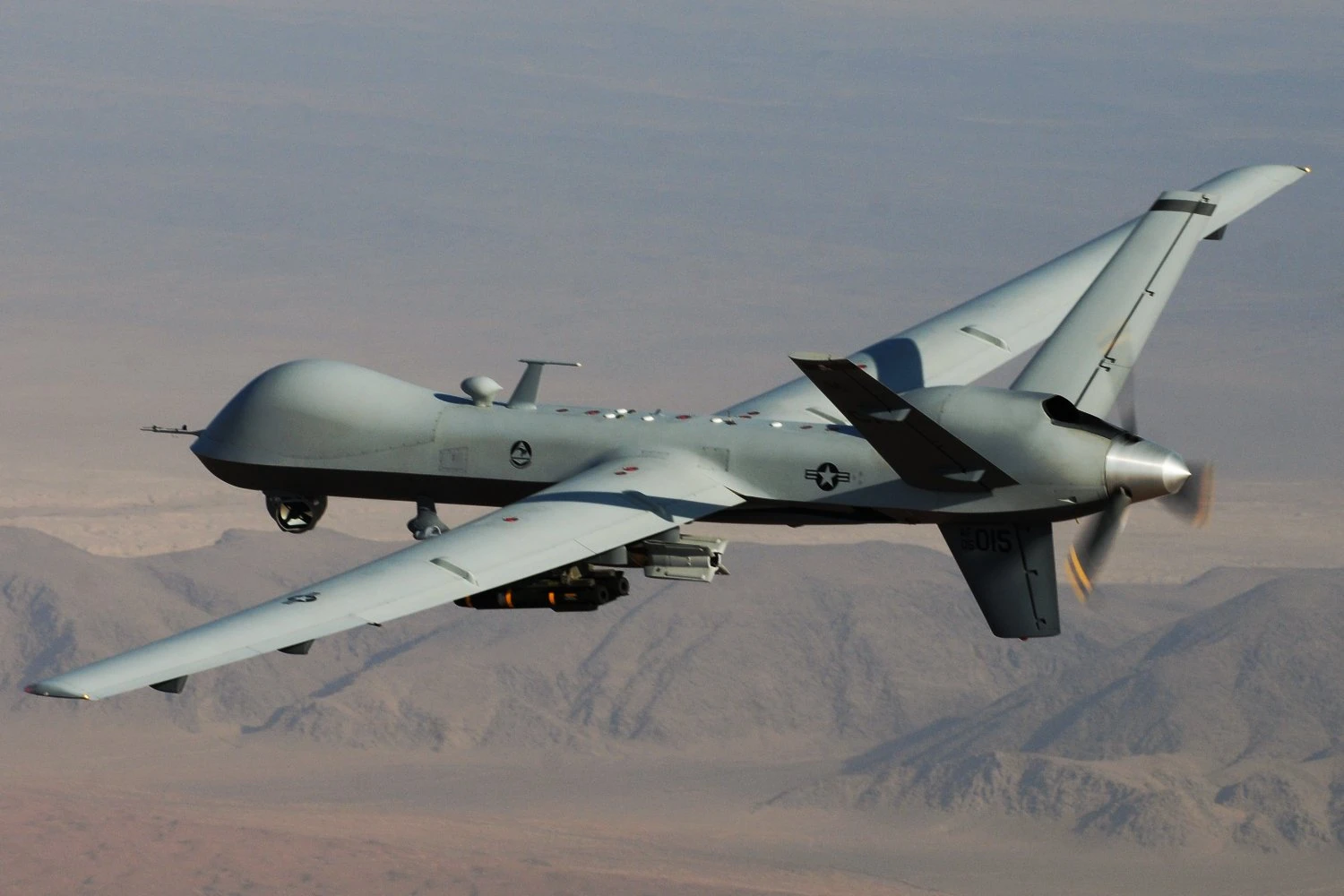
At the same time, the command is expanding efforts to use the MQ-9 as a central node for drone operations. Under the Adaptive Airborne Enterprise concept, the Reaper would act as a “mothership” controlling groups of smaller unmanned systems designed for surveillance, communications and targeting support.
Funding for the MQ-9 program is set to increase to $75.8 million in 2027, more than triple the previous year, with a significant portion directed toward integrating so-called air-launched effects and other small drones.
These systems include Group 2 and Group 3 unmanned aircraft, ranging from lightweight surveillance drones to larger platforms designed with reduced electromagnetic signatures. SOCOM plans to procure around 100 such systems to operate alongside MQ-9s, forming distributed networks intended to extend sensing and communication capabilities in contested environments.