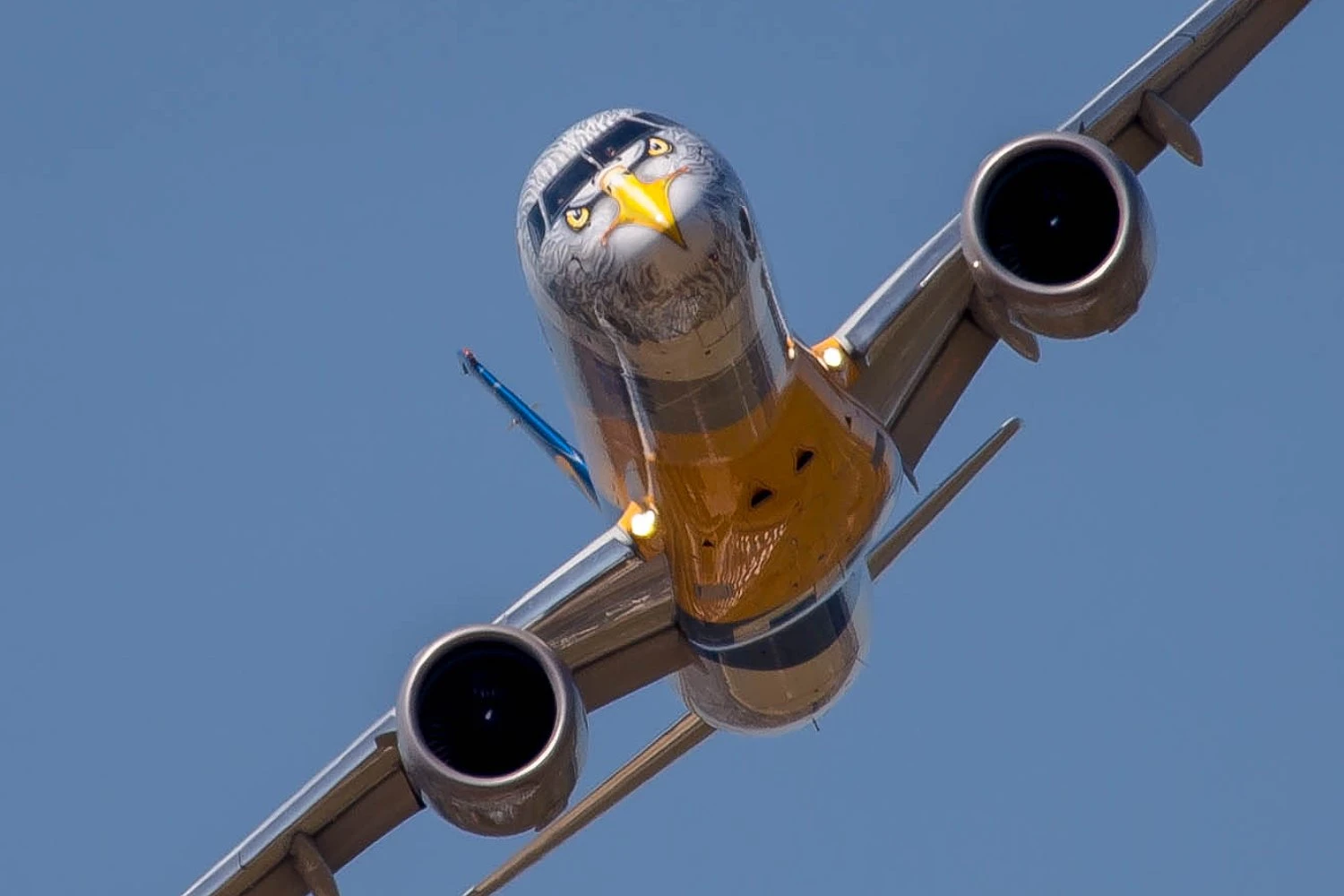
Embraer says the engine problems that affected part of its E-Jet E2 fleet have largely been resolved, with only about 1% of the aircraft currently grounded because of issues involving Pratt & Whitney geared turbofan (GTF) engines.
Speaking to reporters in Brazil, Embraer executives said the aircraft-on-ground (AOG) rate for the E2 family has fallen sharply from a peak of 22% recorded in March 2025. According to Reuters, the manufacturer expects the figure to reach zero by the end of 2026.
Related news
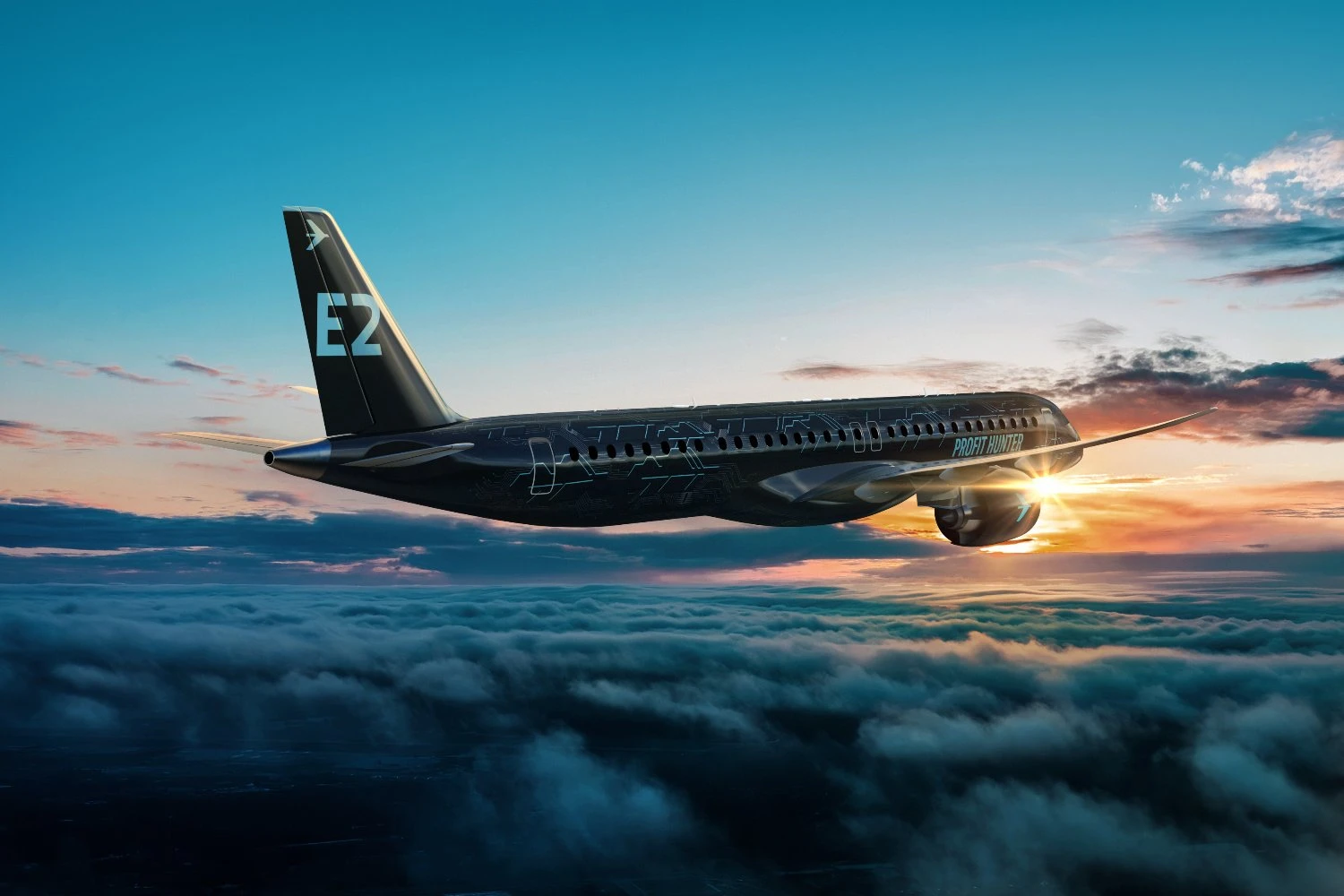
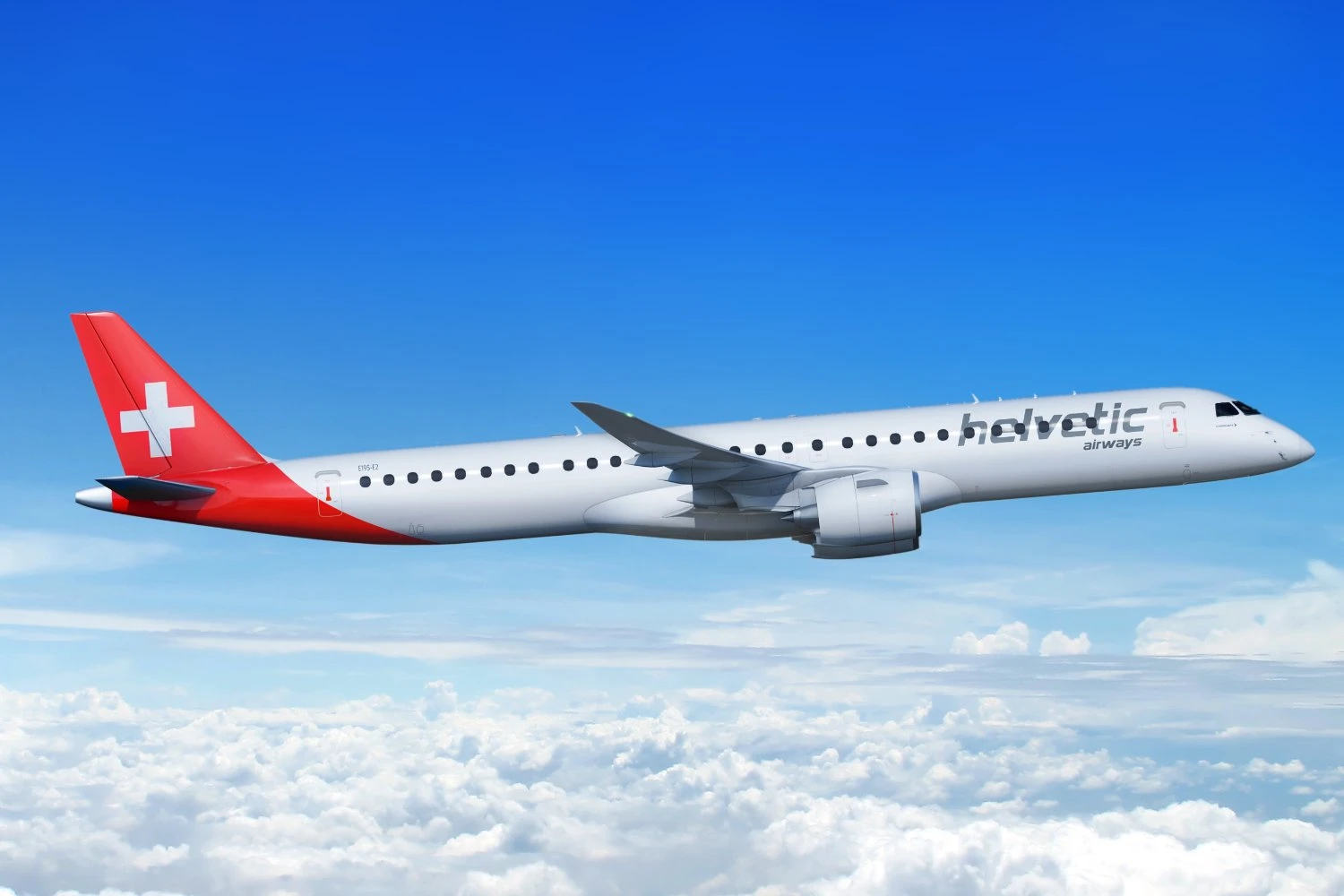
The E190-E2 and E195-E2 are powered by Pratt & Whitney PW1900G engines, a member of the GTF family that has faced durability and maintenance challenges in recent years. However, Embraer indicated that the situation affecting its fleet has improved considerably as updated engines and components enter service.
The Brazilian manufacturer also noted that Pratt & Whitney has been introducing modifications aimed at improving engine performance in hot and demanding operating environments.
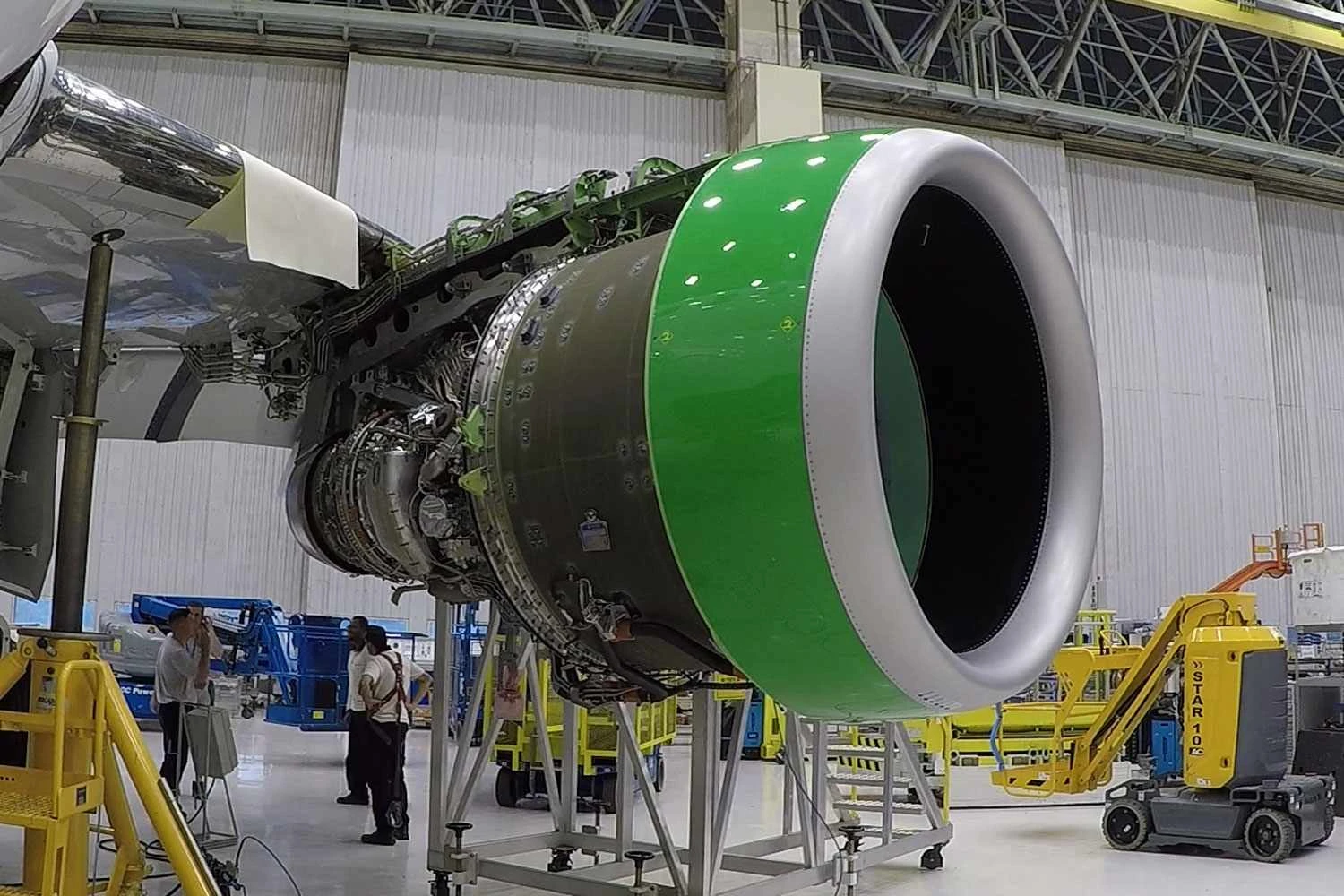
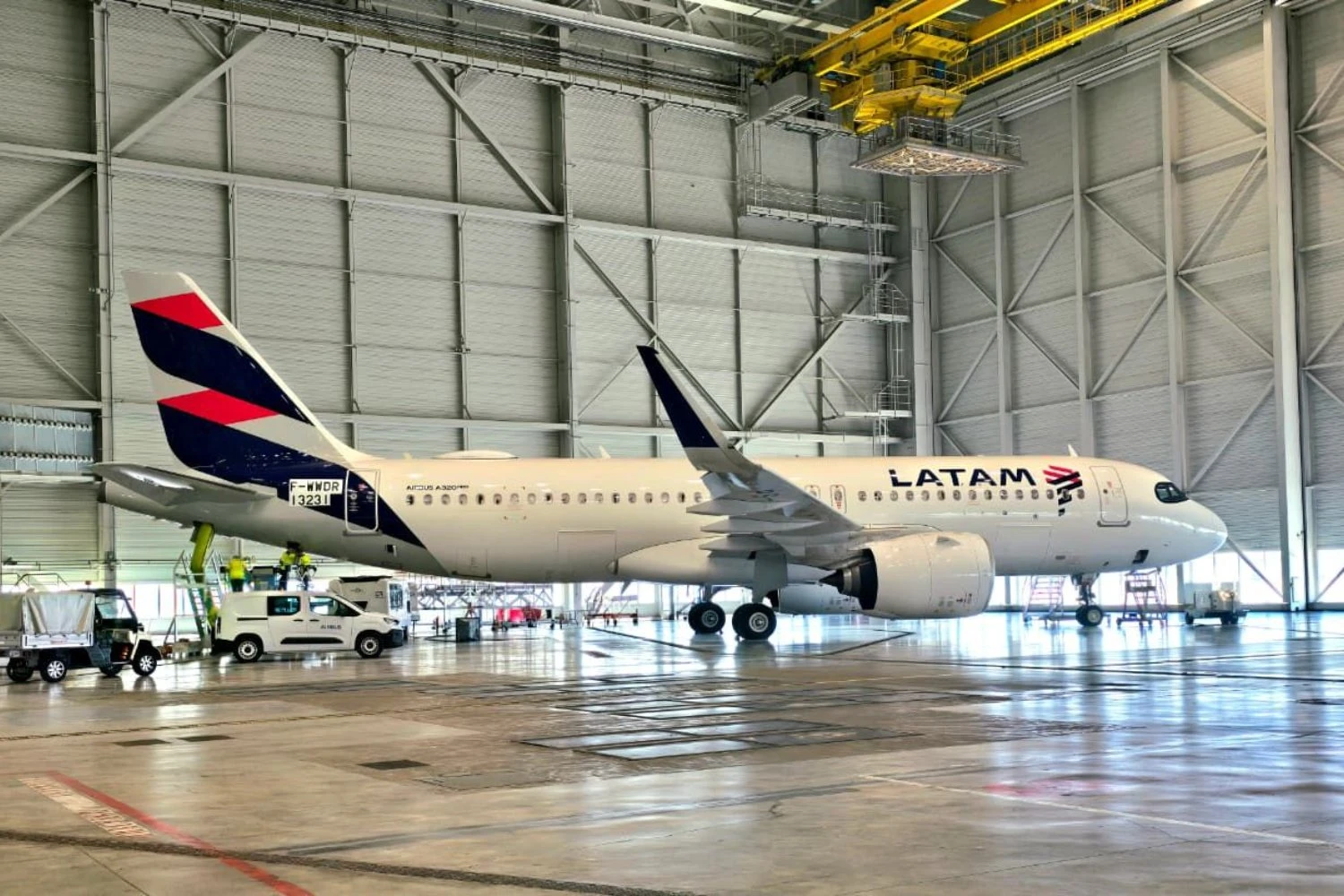
The outlook contrasts with the situation faced by operators of Airbus A220 and A320neo family aircraft, which use larger variants of the same geared turbofan architecture. Hundreds of those aircraft have been affected by inspections and engine removals linked to manufacturing issues involving powdered metal components.
Embraer's comments came as the company highlighted the strength of its commercial aviation business. The division ended the first quarter with a backlog exceeding US$15 billion, an increase of 50% compared with a year earlier.
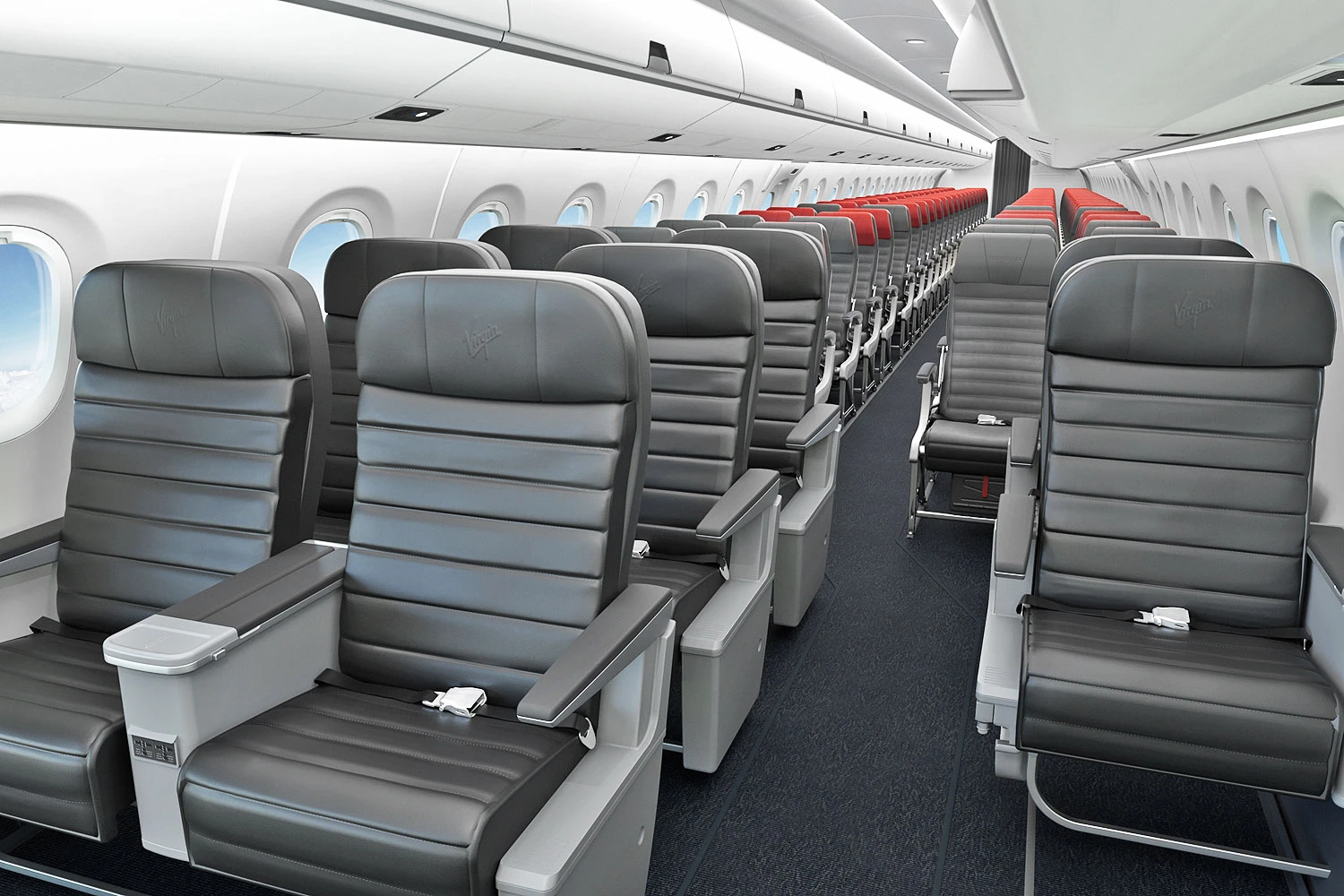
The manufacturer said it remains on track to deliver between 80 and 85 commercial aircraft this year. The forecast was reaffirmed days after lessor Azorra placed a firm order for 15 additional E195-E2 jets.
Follow Air Data News: WhatsApp | Google News | Instagram | LinkedIn | Twitter | Facebook
Unlike Airbus and Boeing, which have sold out much of their production capacity for the rest of the decade, Embraer still has delivery slots available before 2030, a factor the company sees as an advantage when competing for new airline orders.