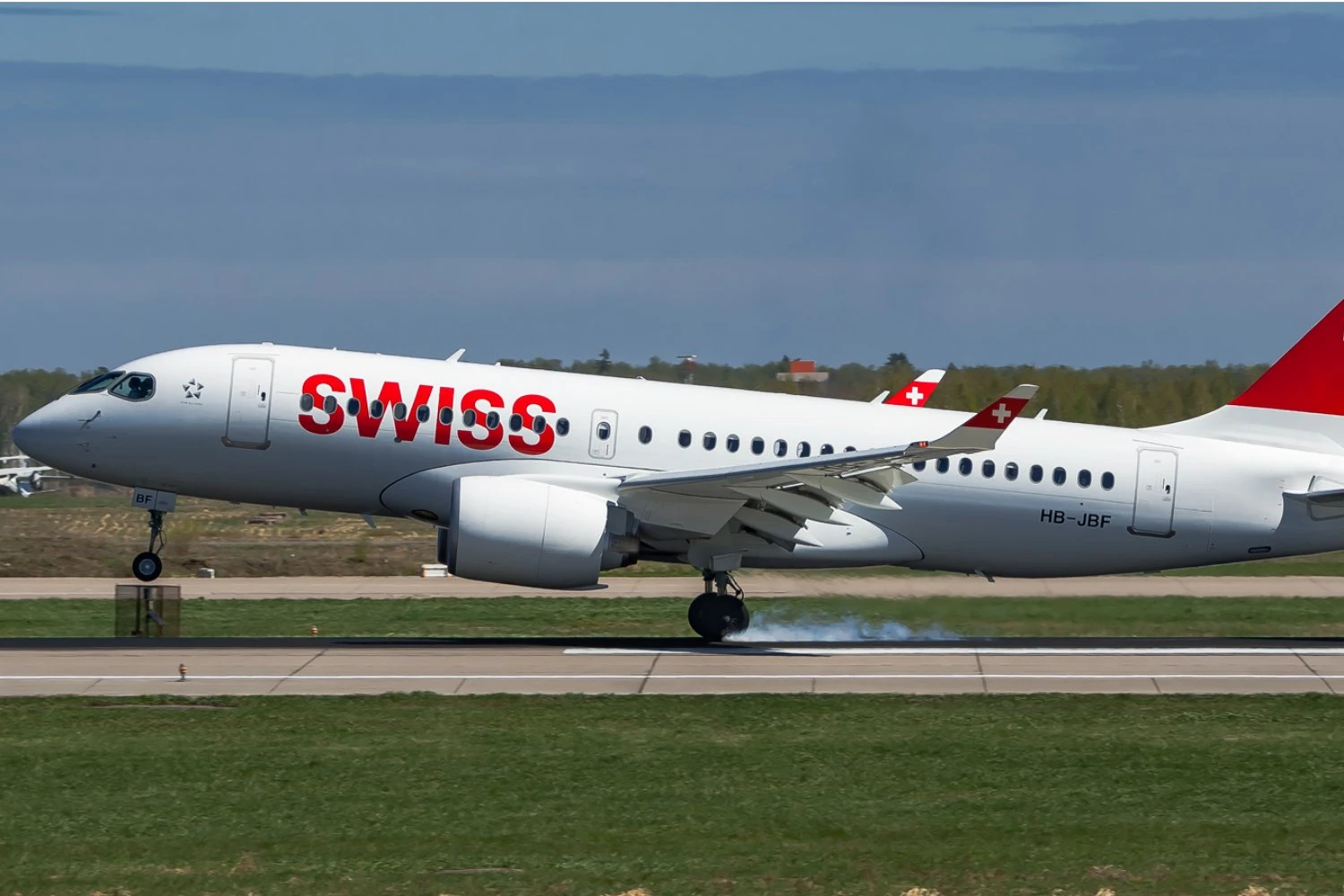
Swiss Air Lines will decommission and dismantle two of the nine Airbus A220-100s it is temporarily removing from service, using the aircraft as a source of spare parts and engines for its larger A220-300 fleet. The two A220-100s, registrations HB-JBD and HB-JBC, were placed in storage at Toulouse in January and will not be reactivated, the airline confirmed to Aviation Week.
Both airframes were delivered to Swiss in 2016, when the carrier became the launch operator of the type under its original Bombardier CSeries designation.
Swiss’s plan involves transferring Pratt & Whitney PW1500G geared turbofan (GTF) engines from the A220-100s to its 21 A220-300s, which seat 145 passengers and offer better unit economics. “By dismantling these two aircraft, we are specifically securing components for our own use,” a Swiss official said.
Of the remaining seven A220-100s, three are currently stored at Toulouse Francazal Airport, the official added, noting that Swiss intends to gradually park all nine aircraft for at least 18 months. The exact schedule will be adjusted to operational needs, with the goal of freeing up resources to sustain reliable A220-300 operations.
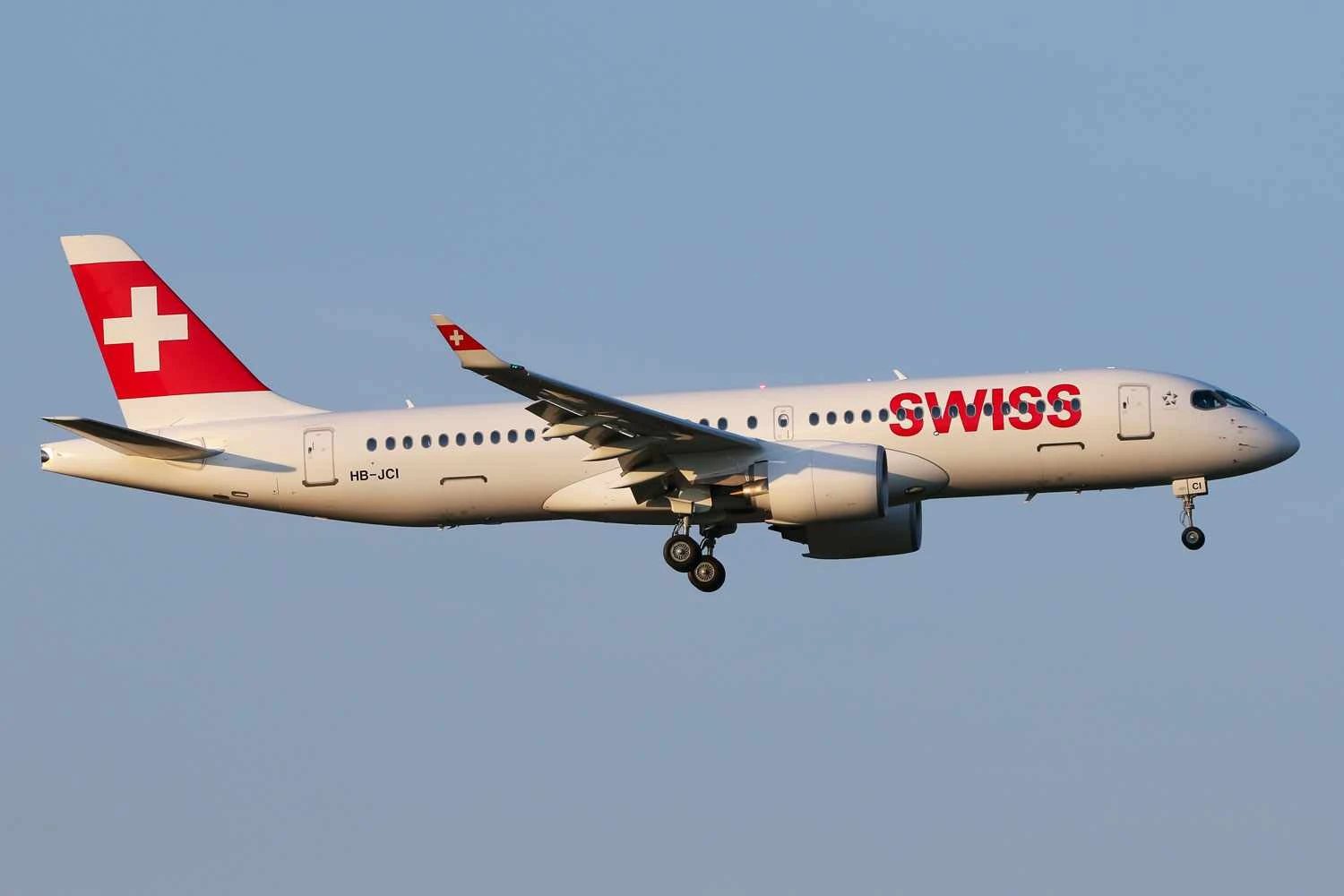

Swiss has not made a long-term decision on either A220 variant. The airline is currently prioritizing the larger A220-300 to improve operational stability and reduce costs, but that does not imply a future phase-out of the smaller A220-100 fleet.
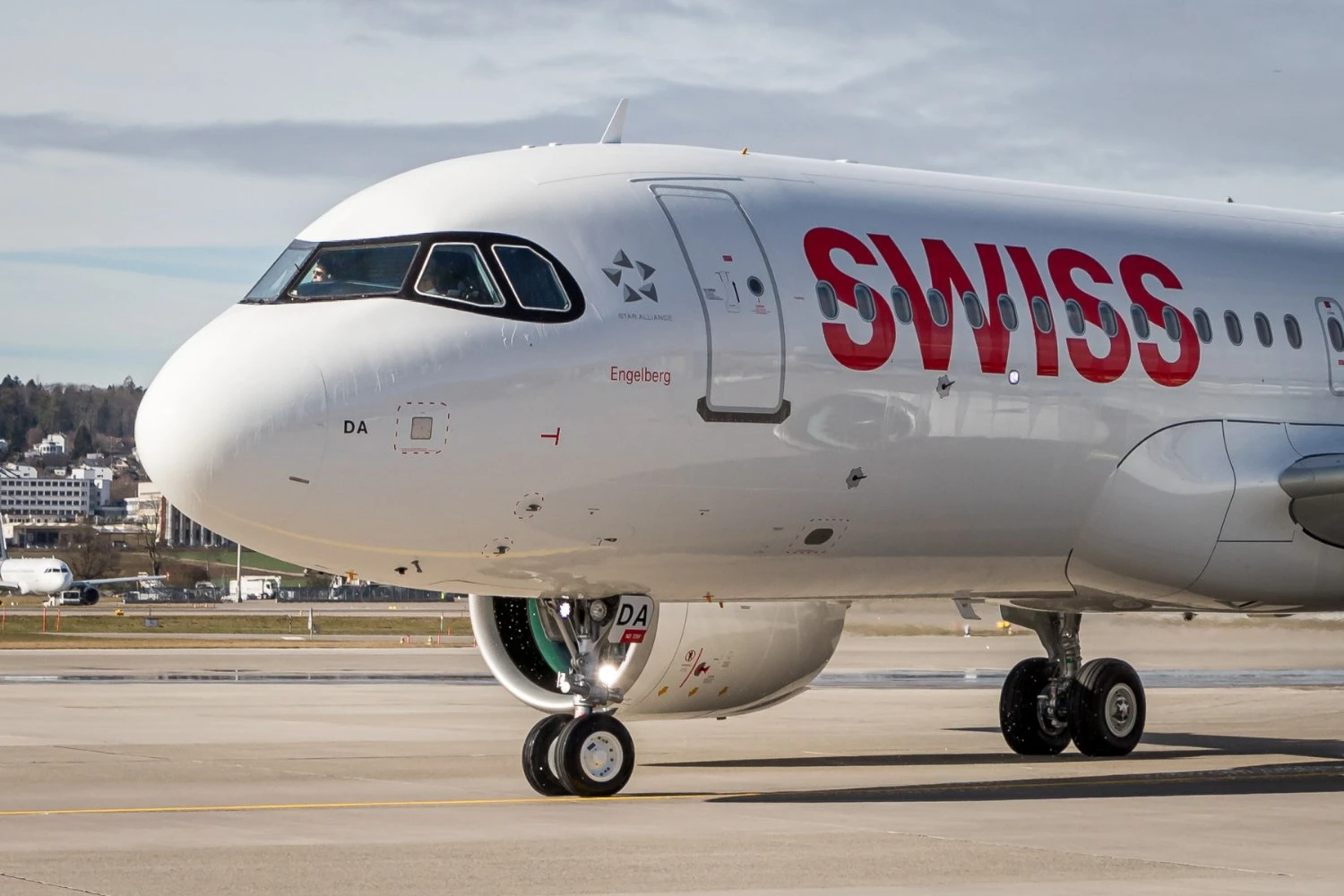
The airline is among many operators affected by durability issues with the PW1500G and the larger PW1100G that powers its A320neo-family jets. Currently, four A320neos are grounded due to engine failure.
The engine availability crisis has forced Swiss to ground part of its narrowbody fleet and reallocate powerplants. By parting out the two oldest A220-100s, Swiss can sustain a higher number of active A220-300s without waiting for new or overhauled GTF units from Pratt & Whitney. The dismantling process will also yield other serviceable components for the airline’s maintenance operations.
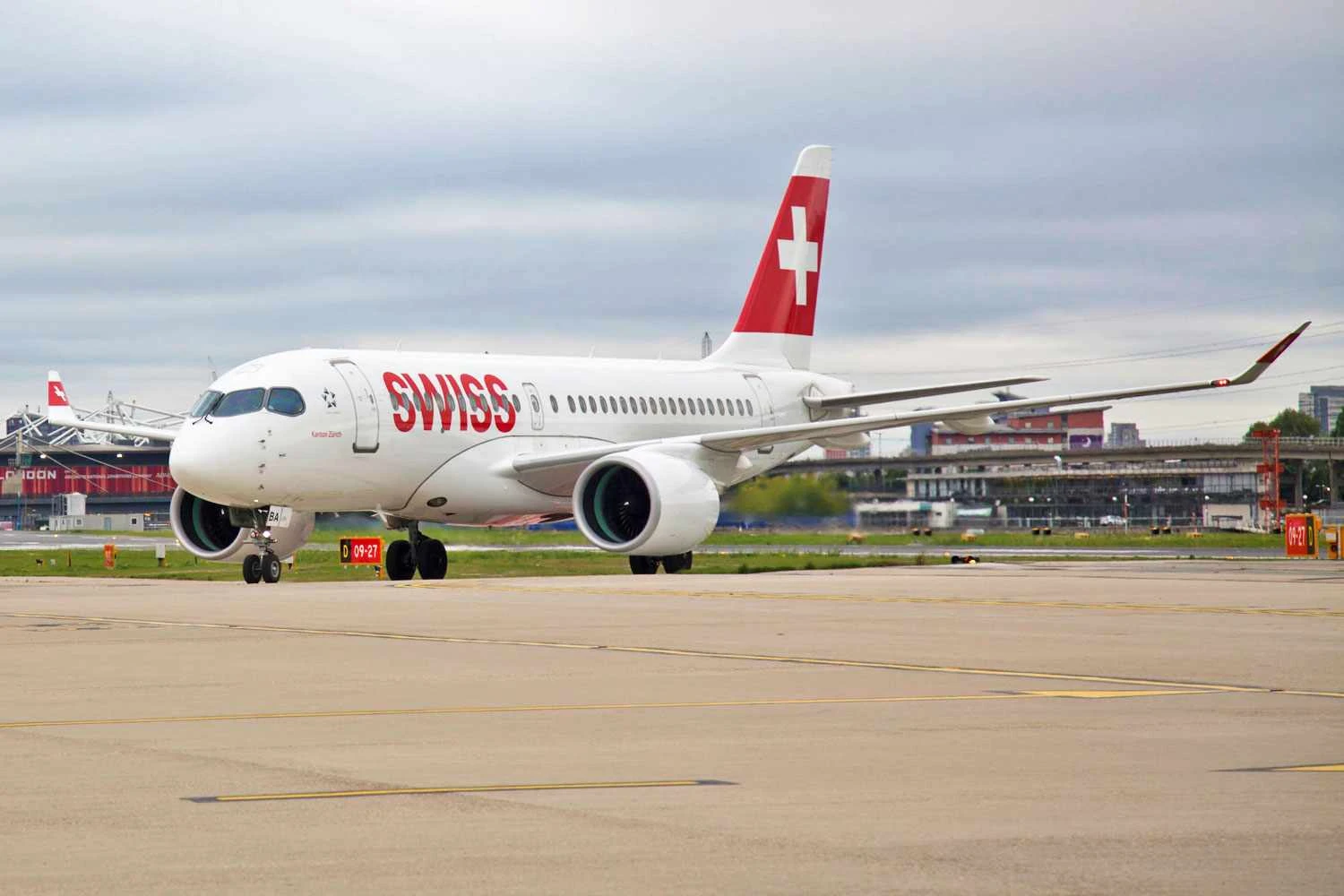
The PW1500G engine family has suffered from premature blade wear and other issues, leading to extended shop visits and reduced spare engine pools.
The carrier has not disclosed how long the remaining stored A220-100s will remain parked, but the 18-month minimum storage window suggests a prolonged period of engine shortages.