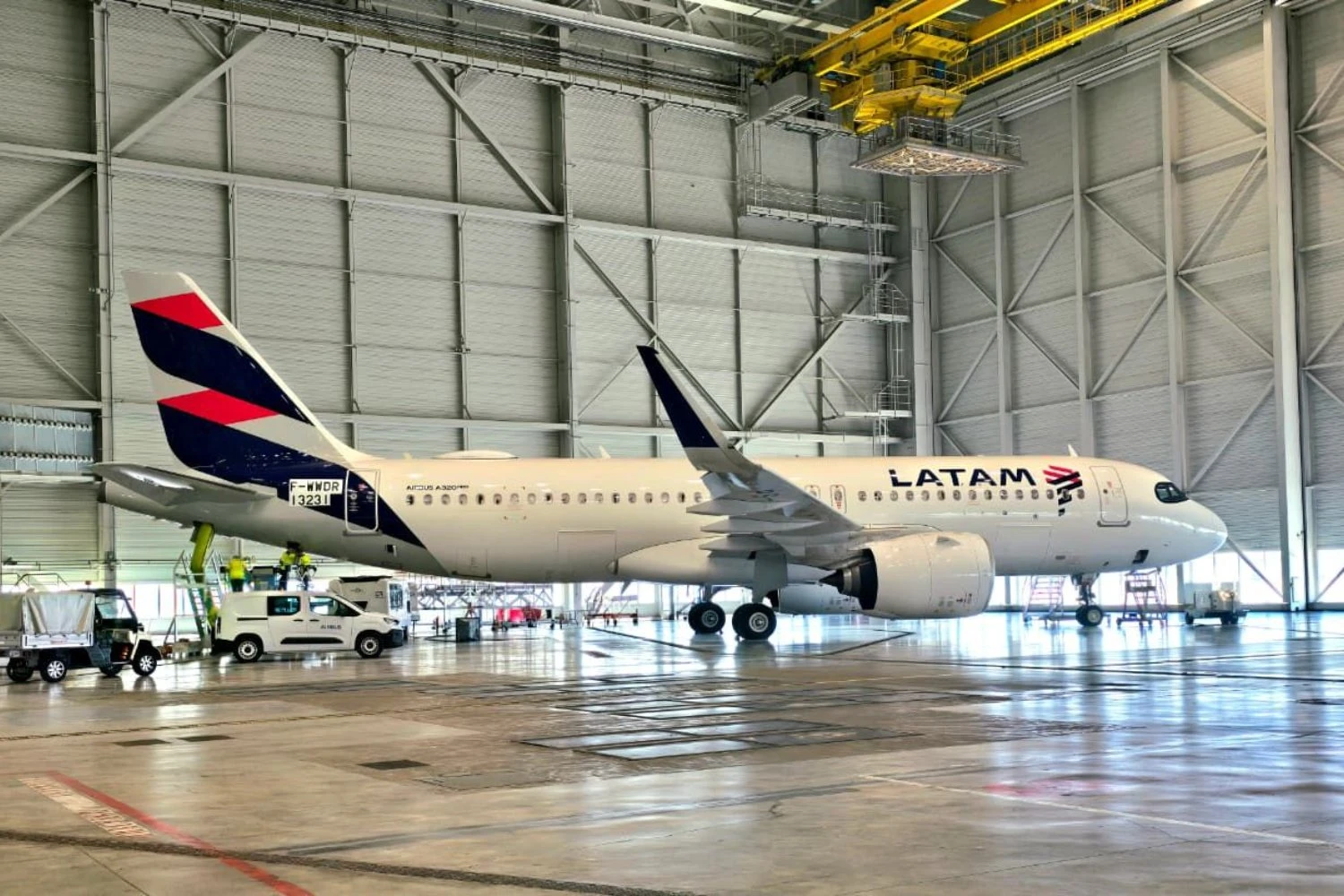
LATAM Group is on track to operate the largest fleet in its history by the end of 2026, but its expansion strategy is built around a growing mix of aircraft families rather than a standardized fleet.
The airline expects to increase its fleet from 382 aircraft at midyear to 410 by December after taking delivery of 13 new-generation aircraft during the first half of the year and another 28 before year-end. According to CEO Roberto Alvo, that would make LATAM one of the world's 12 largest airline fleets.
Recent news

July 11, 2026
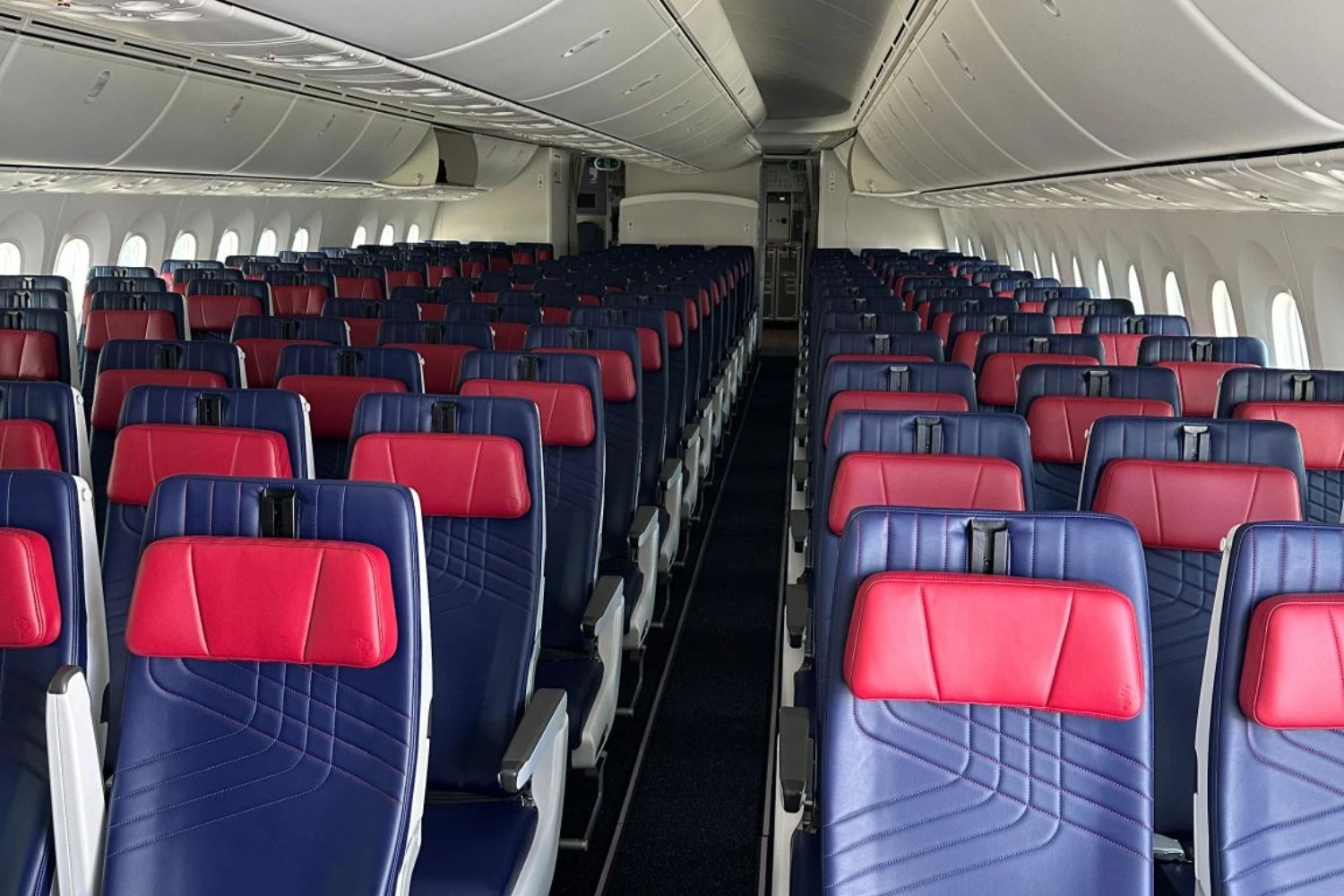
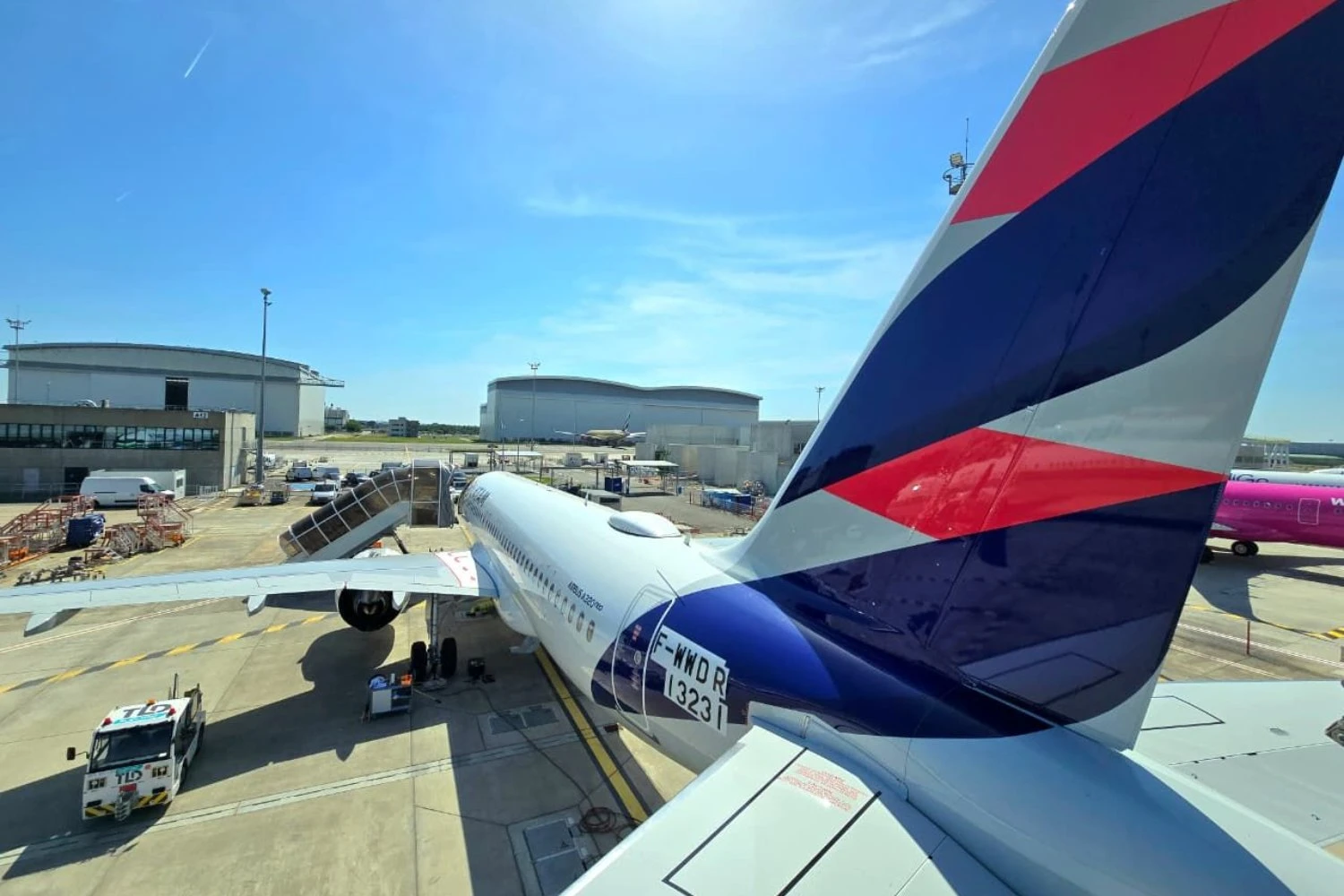
LATAM is building its fleet around aircraft assigned to different types of routes. The A320neo family remains the core of its domestic and South American network. Boeing 787-9s fly to a wider range of long-haul destinations, 787-8s are used on thinner routes and the airline's 10 Boeing 777-300ERs serve the highest-demand markets from Brazil.
The first Embraer E195-E2s will arrive in October and begin service in Brazil before being introduced elsewhere in the group. The Airbus A321XLR will follow in 2027. Its commonality with the A320 family reduces the additional burden on pilot training and operations, yet gives LATAM an aircraft capable of flying longer routes that cannot sustain a widebody.
The approach gives the airline greater flexibility to match aircraft capacity with market demand and reduces dependence on a single manufacturer or aircraft family, an advantage at a time when manufacturers and engine suppliers continue to face production and supply chain disruptions.
The tradeoff is a more complex operation. Each aircraft family requires dedicated pilot and maintenance training, separate inventories of spare parts and different technical support programs. Those requirements generally increase operating costs compared with airlines built around a single aircraft platform.
Even within its Boeing 787 fleet, LATAM has moved away from a standardized configuration. Earlier Dreamliners entered service with Rolls-Royce Trent 1000 engines before later deliveries introduced General Electric GEnx powerplants. Future aircraft are expected to return to Rolls-Royce engines, further increasing the fleet's technical diversity.
Follow Air Data News: WhatsApp | Instagram | LinkedIn | Twitter | Facebook
More than half of LATAM's aircraft are expected to be new-generation models by the end of the decade. Depending on the type being replaced, the airline says they will cut fuel consumption and carbon dioxide emissions by 15% to 25%.