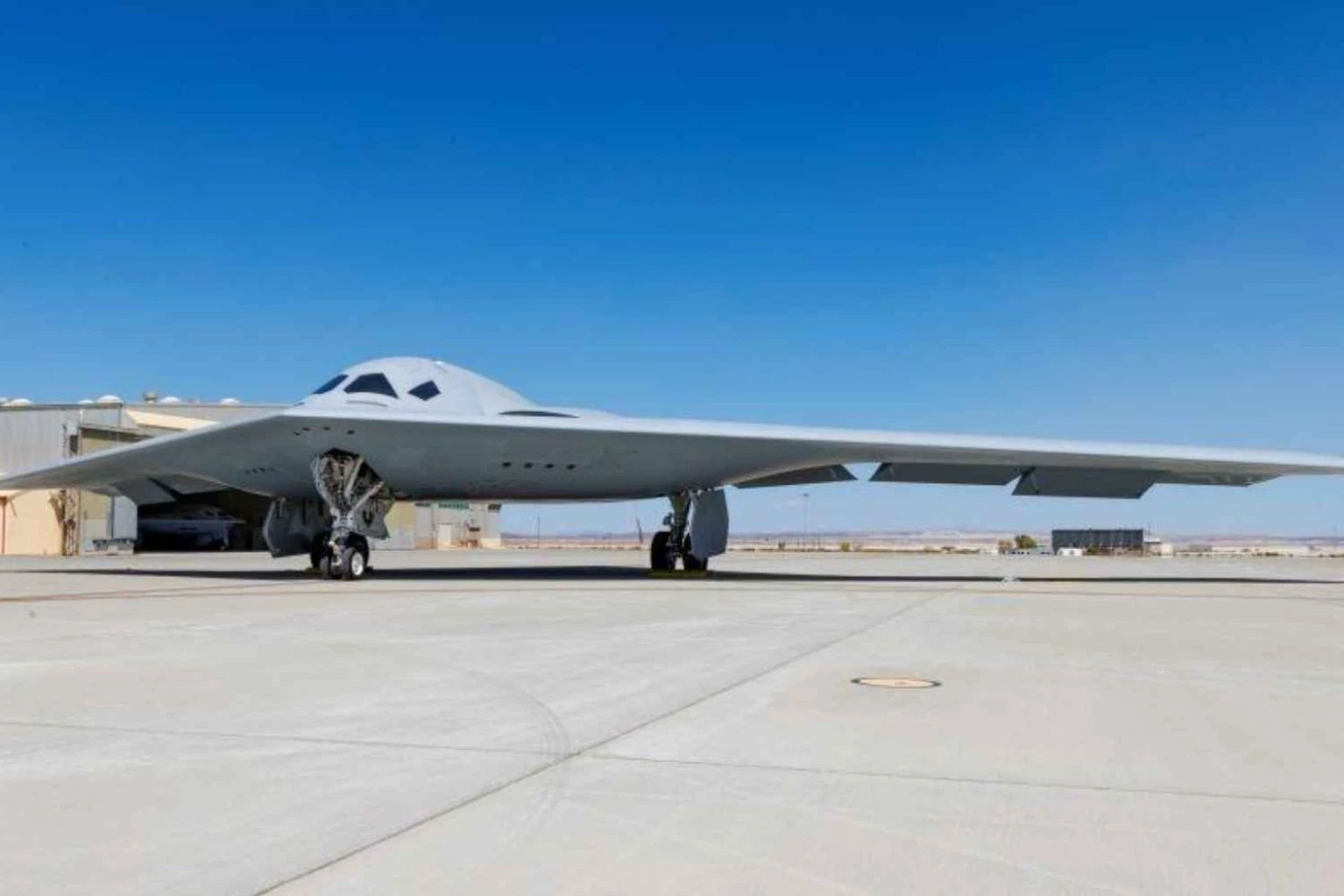
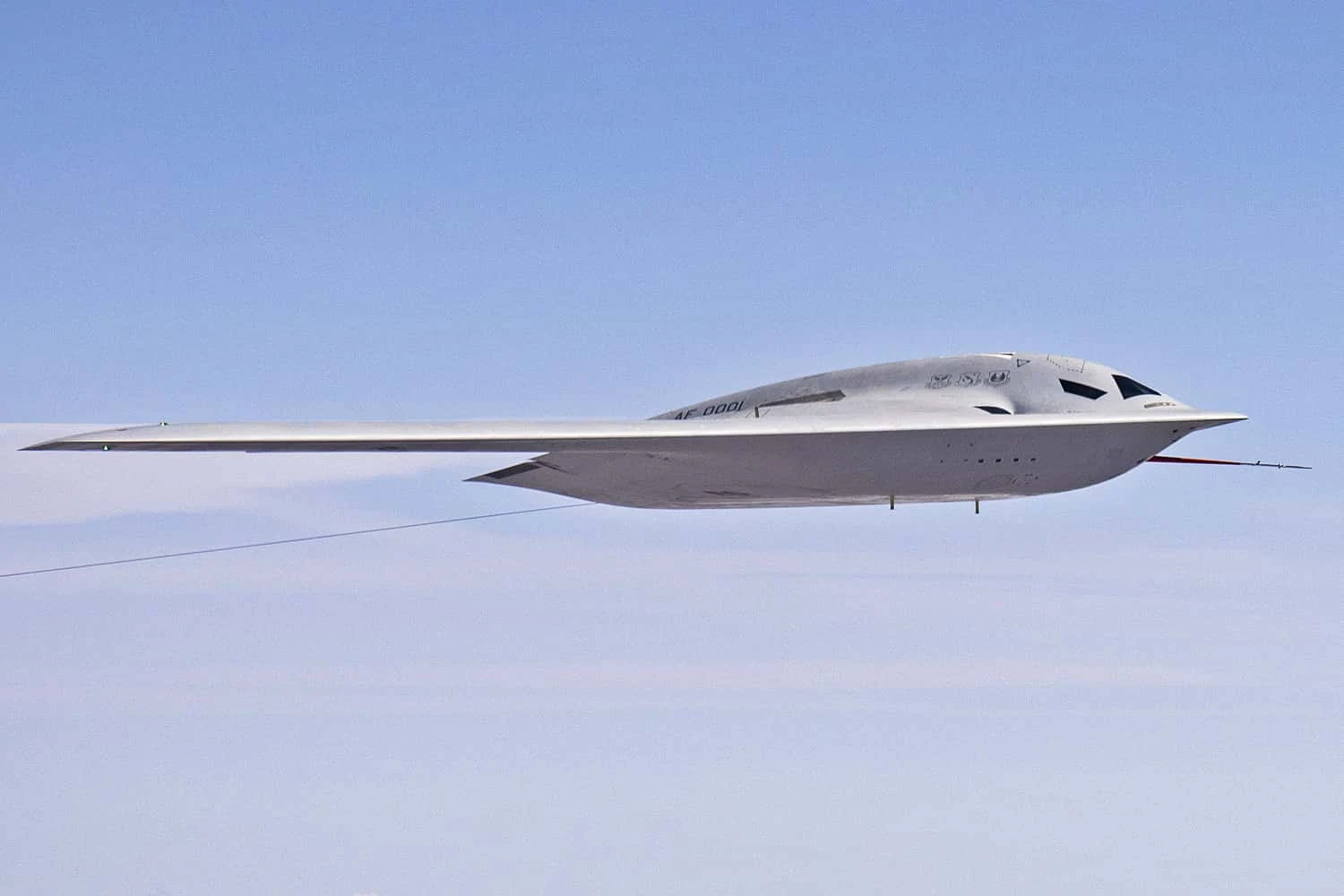
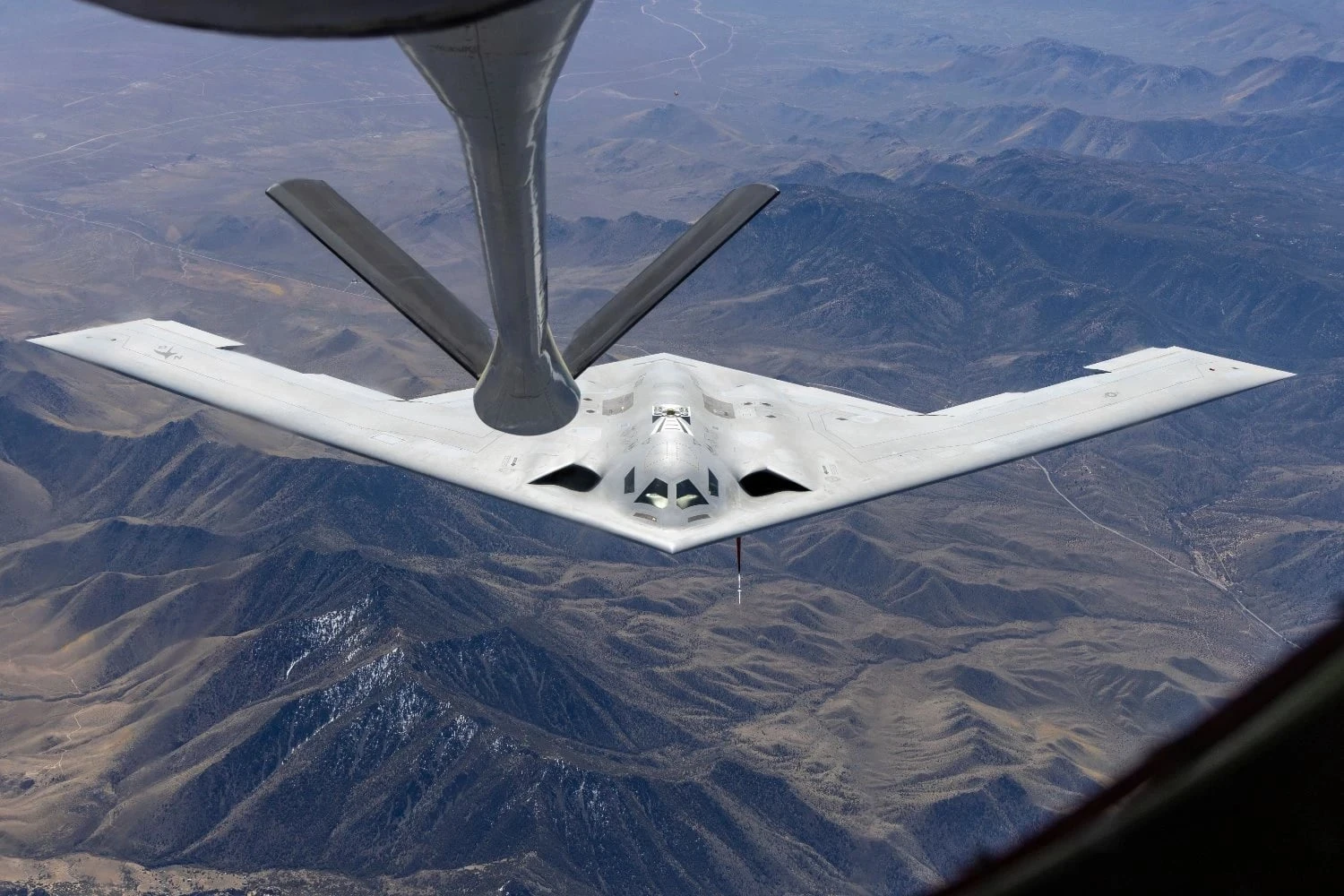
The US Air Force (USAF) has confirmed that the B-21 Raider will operate with a two-pilot crew, a configuration made possible by the aircraft's advanced automation that has prompted the service to find a new role for officers who traditionally filled other cockpit positions in legacy bombers.
Alongside the announcement, the Department of the Air Force unveiled a transition program that will allow selected Weapons Systems Officers (WSOs) and Combat Systems Officers (CSOs) to attend pilot training before being assigned to the B-21 fleet.
The initiative is intended to preserve the operational experience accumulated by those officers, whose traditional roles are no longer required aboard the Raider.
Aircraft such as the B-1B Lancer rely on larger crews that include officers dedicated to mission management, navigation and weapons employment. The B-21 consolidates those functions into a two-pilot cockpit supported by advanced onboard systems.
Related news
September 21, 2026
September 16, 2026
According to the Air Force, the decision followed an evaluation of the Raider's capabilities and concluded that a two-pilot configuration best supports the aircraft's operational requirements.
Rather than retiring experienced WSOs and CSOs from the bomber community or assigning them elsewhere, the service will convert selected officers into pilots.
The move also suggests the Air Force expects automation to handle many of the tasks that previously required additional crew members during long-range strike missions. Mission management, sensor fusion and weapons employment have increasingly shifted toward integrated software, reducing cockpit workload while allowing crews to focus on tactical decisions.
The US Air Force aims to retain personnel with extensive experience in strike planning, combat operations and complex mission execution in contested environments.
Follow Air Data News: WhatsApp | Instagram | LinkedIn | Twitter | Facebook
The B-21 Raider is being developed by Northrop Grumman as the US Air Force's next-generation stealth bomber to replace the B-1B Lancer and B-2 Spirit fleets. It will complement the B-52J Stratofortress, a modernized variant equipped with new engines and updated avionics.
Designed for both conventional and nuclear missions, the aircraft features an open-systems architecture intended to simplify future upgrades and support operations in highly defended airspace. Flight testing is underway, with the first operational aircraft expected to enter service later this decade.
The Air Force currently plans to acquire at least 100 B-21 bombers, although senior officials have indicated that the final fleet could exceed that number as the service expands its long-range strike capability to meet future operational requirements.