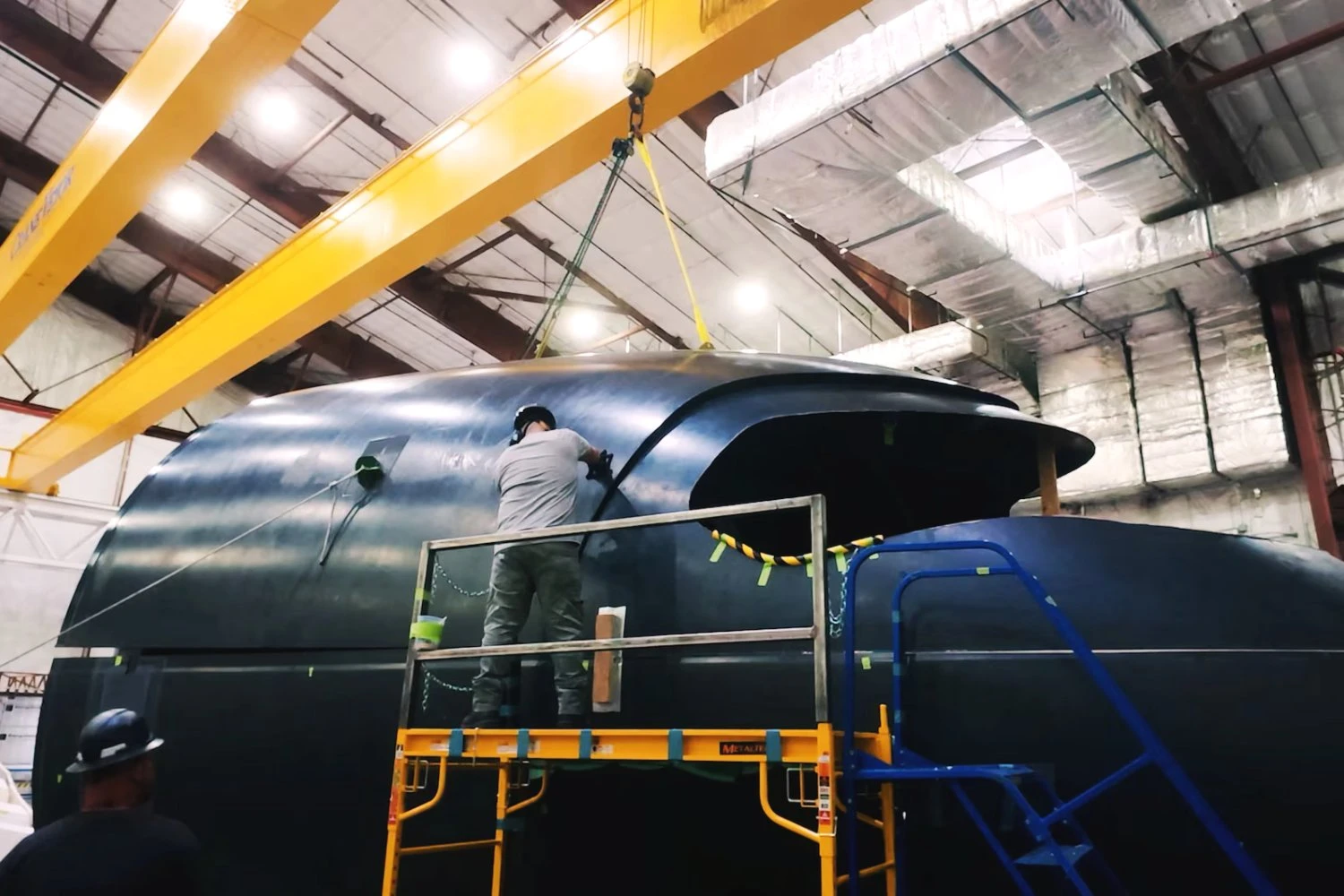
JetZero has reached a new stage in the development of its blended wing body (BWB) aircraft, with major structural components of its full-scale demonstrator now under construction at Scaled Composites' facility in California's Mojave Desert.
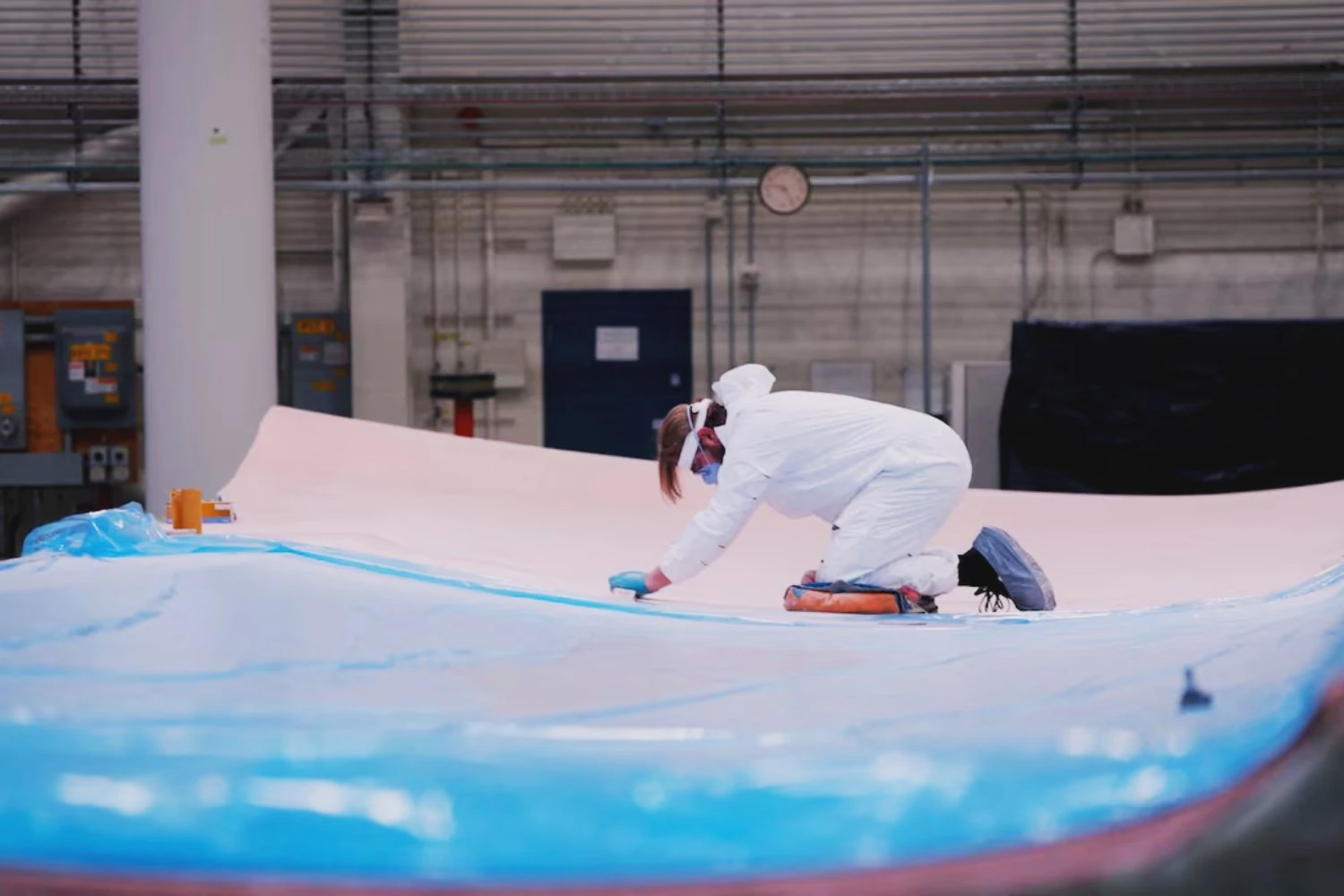
The company recently invited a small group of journalists to visit the assembly site, where composite fuselage sections, wing structures and the cockpit fairing have already been manufactured. JetZero also confirmed that final fuselage assembly has started and fabrication of the wing skins is underway.
Related news
September 21, 2026
September 16, 2026
The demonstrator, known as Jet1, is being built by Scaled Composites under a $235 million program funded by the US Air Force. The aircraft is expected to make its first flight by the end of 2027 and will validate the aerodynamic characteristics of the blended wing body configuration before the company moves toward a commercial aircraft.
Unlike many next-generation airliner concepts that rely on hydrogen propulsion or electric power, JetZero seeks higher efficiency primarily through aerodynamics. The aircraft combines the fuselage and wings into a single lifting surface that generates substantially less drag than a conventional tube-and-wing design. That configuration requires less thrust during cruise and consequently burns less fuel.
The demonstrator relies on established technologies wherever possible. It is powered by Pratt & Whitney PW2000 engines, the same engine family used on the Boeing 757, so the flight-test program can evaluate the aircraft's unconventional shape without the added complexity of an all-new propulsion system.
JetZero expects the design to reduce fuel burn by as much as 50% compared with current commercial aircraft in the same market segment, although that figure will need to be confirmed during flight testing.
The company ultimately aims to develop a commercial aircraft capable of accommodating between 200 and 250 passengers, aimed at the market once served by the Boeing 757 and smaller variants of the 767. The blended wing body also offers a much wider cabin than conventional airliners, which could accommodate new seating layouts, larger windows and more flexible placement of galleys and lavatories.
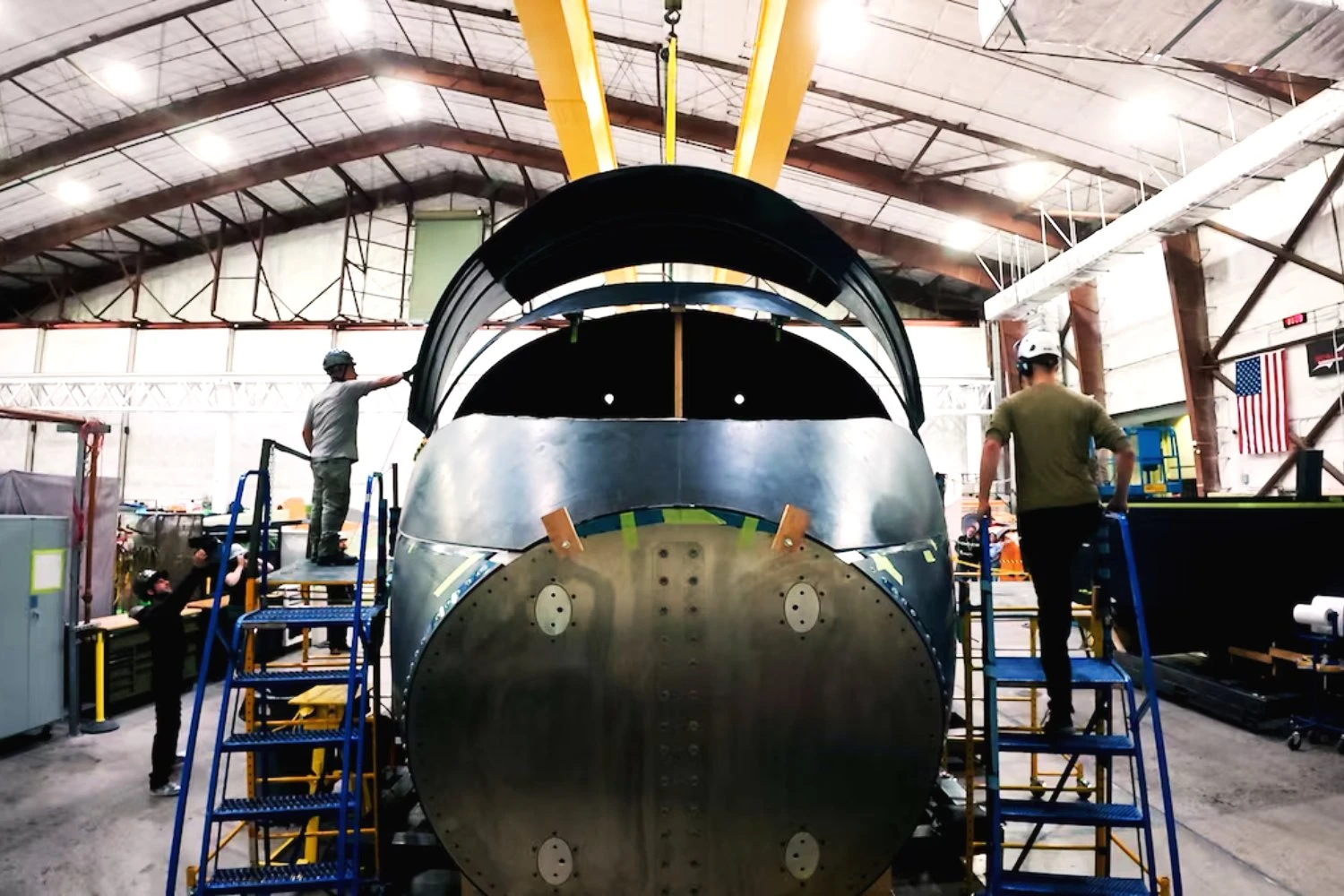
Jet1, the blended wing-body configuration demonstrator for the U.S. Air Force | JetZero 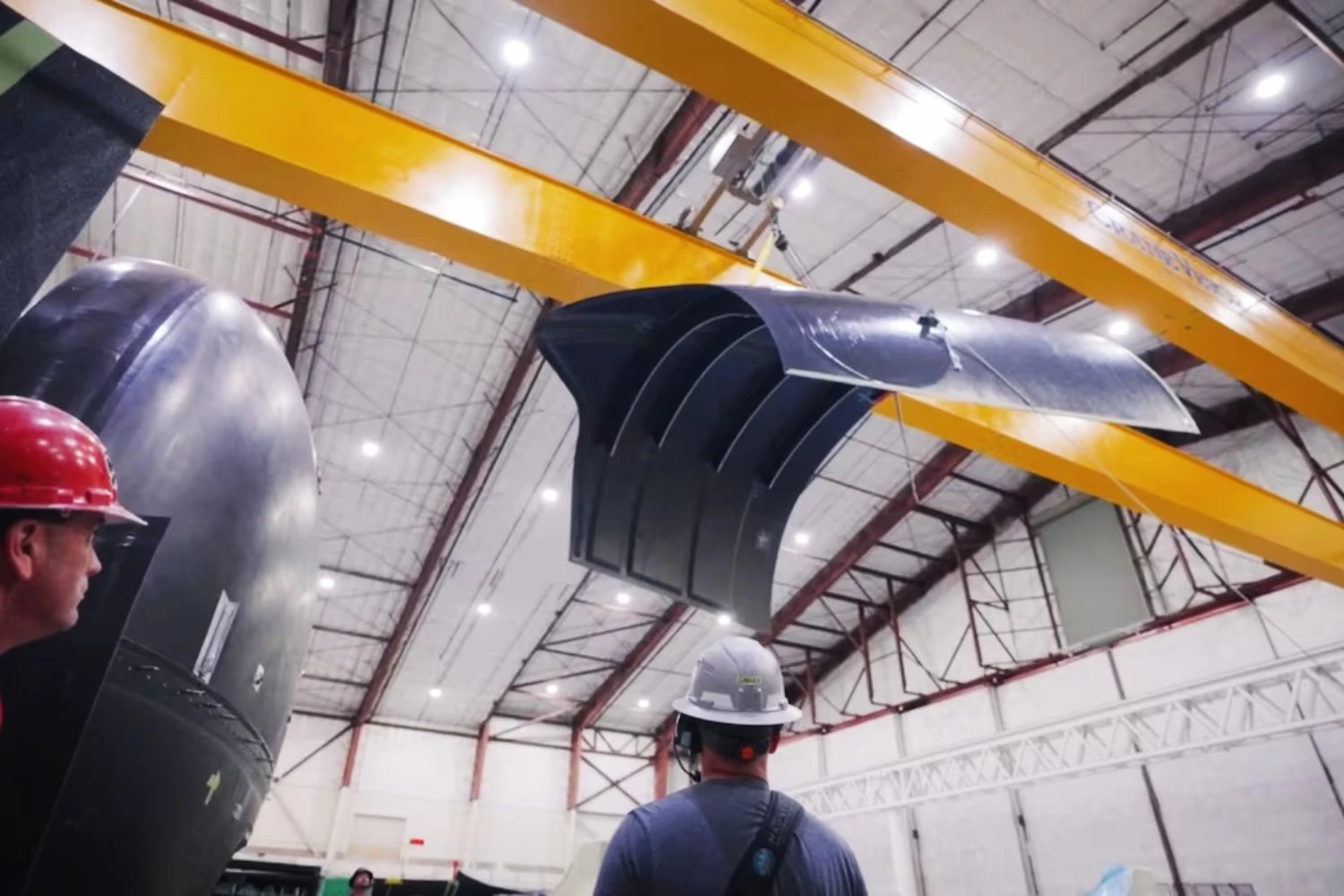
Jet1, the blended wing-body configuration demonstrator for the U.S. Air Force | JetZero 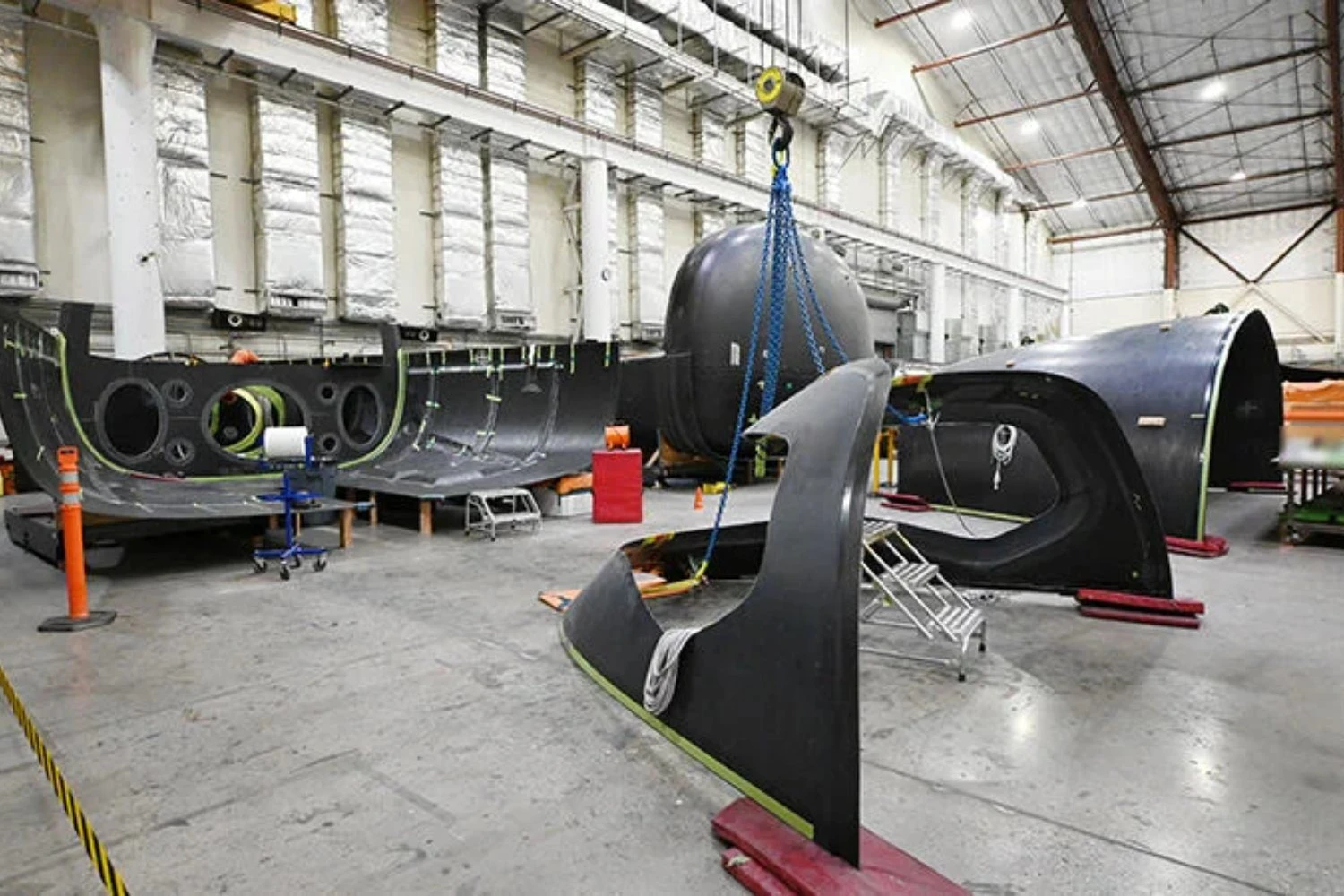
Jet1, the blended wing-body configuration demonstrator for the U.S. Air Force | JetZero 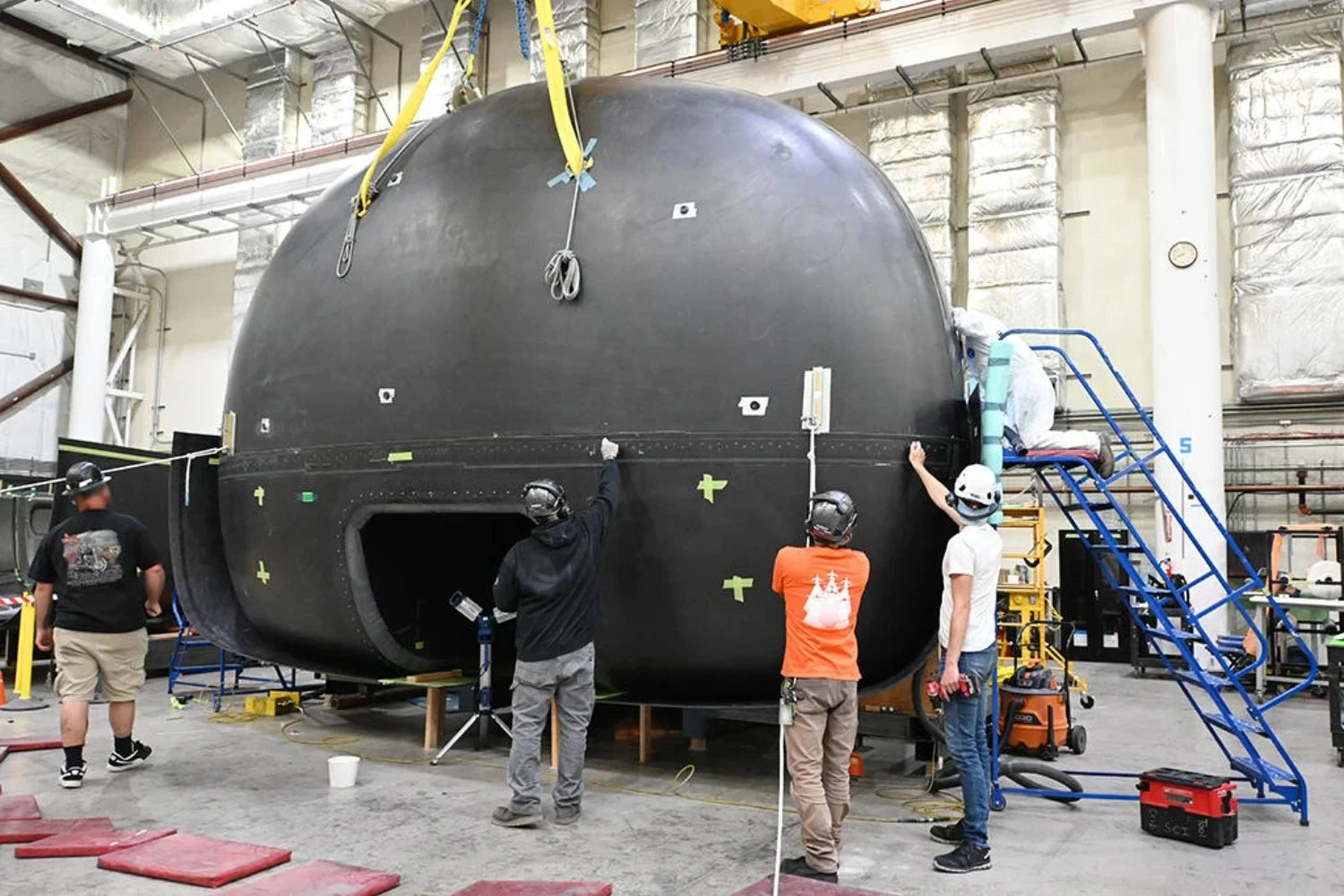
Jet1, the blended wing-body configuration demonstrator for the U.S. Air Force | JetZero




The demonstrator differs substantially from the planned production aircraft. Only the cockpit section will be pressurized, while the remaining internal volume is reserved for fuel tanks and flight-test equipment. Its purpose is to verify handling qualities, aerodynamic efficiency and structural performance rather than demonstrate a passenger cabin.
Building the aircraft also presents manufacturing challenges. Because of the wing's dimensions, Scaled Composites will construct a temporary curing oven around the structure to process the low-temperature composite materials used in the demonstrator instead of relying on a conventional autoclave.
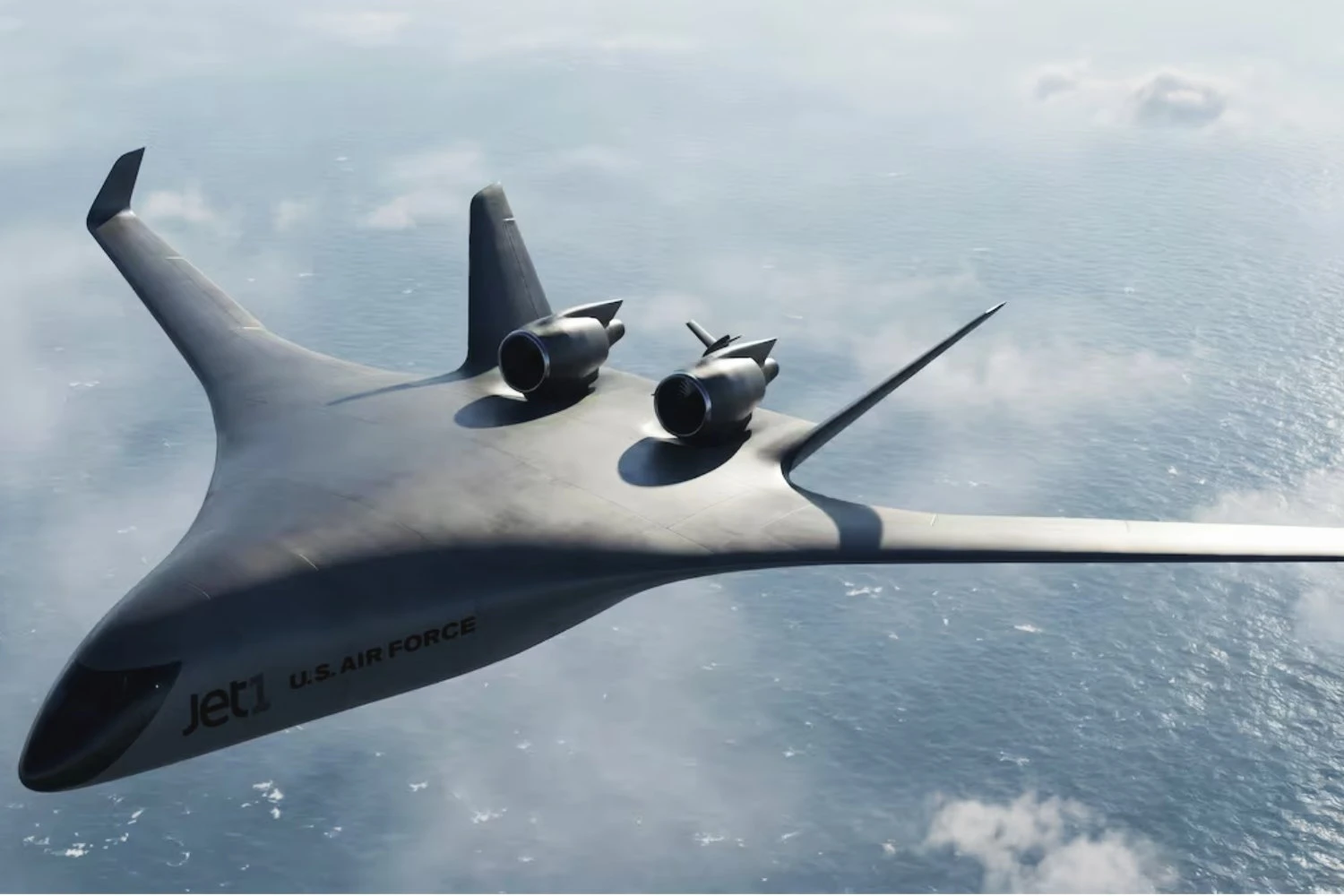
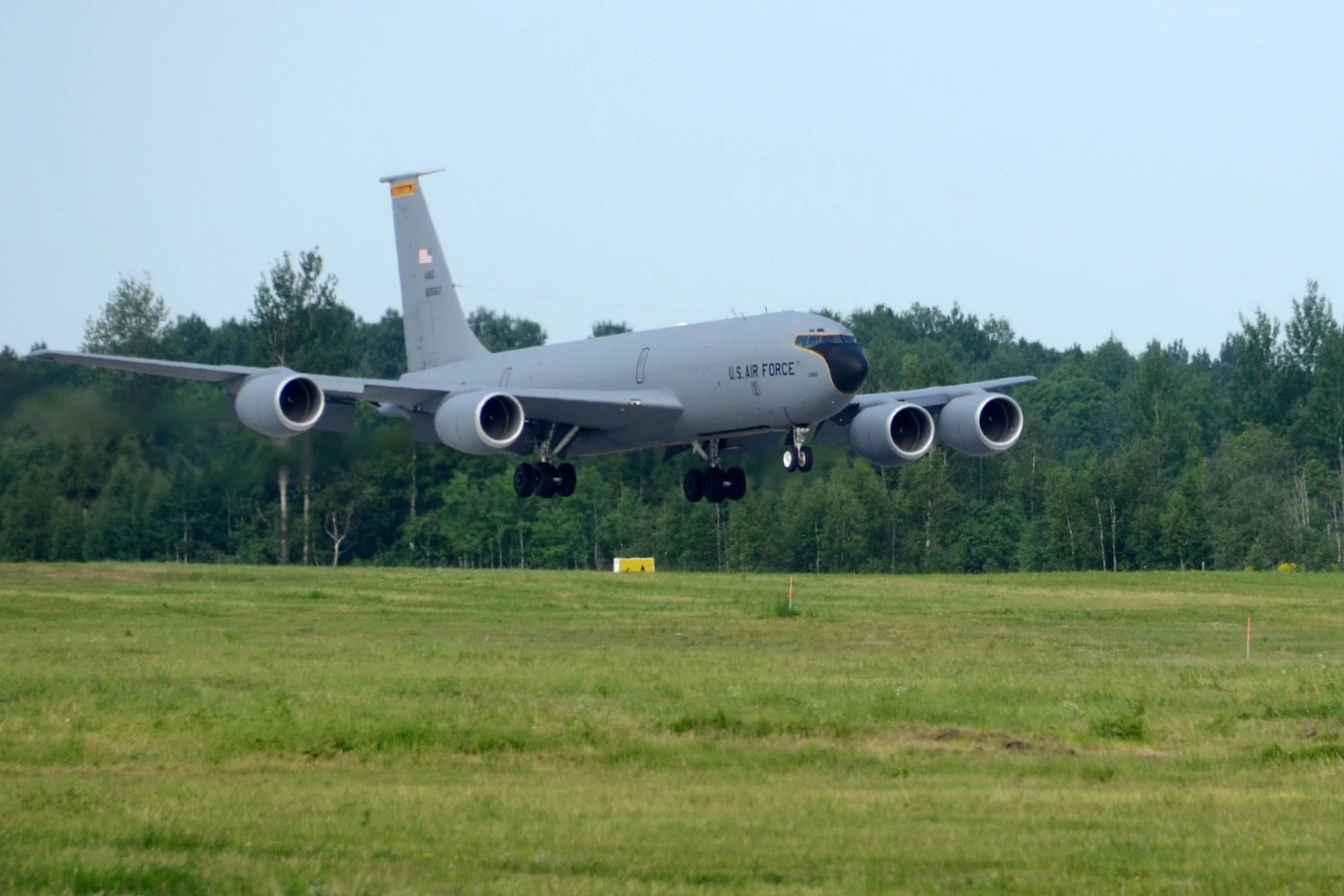
Although JetZero ultimately intends to enter the commercial market, the US Air Force has identified the blended wing body as a potential platform for future military transport and aerial refueling aircraft. The configuration offers a large internal volume while consuming less fuel than conventional designs.
Follow Air Data News: WhatsApp | Instagram | LinkedIn | Twitter | Facebook
JetZero hopes to introduce its first commercial aircraft around 2030, but that schedule depends on the success of the demonstrator and the certification process for one of the most unconventional commercial aircraft concepts developed in decades.