Embraer is making more money from manufacturing aircraft and providing services, but that improvement did not translate into a higher net profit in the third quarter of 2026. The Brazilian manufacturer reported revenue of US$2.35 billion, up 17% from a year earlier, although its final profit fell 39% to US$71.1 million.
The results released on November 10 show a company whose aircraft and services businesses are performing better, with more money coming in and a stronger cash position. However, higher financial expenses and taxes consumed much of the additional earnings.
Embraer generated US$254.8 million in operating profit during the quarter, an increase of 48%. This is the amount earned from its business activities before financial expenses and taxes, after accounting for the costs of producing aircraft, providing services and running the company.
In practical terms, Embraer kept almost US$11 in operating profit for every US$100 of revenue, compared with US$8.60 a year earlier. That indicates an improvement in profitability: the company is earning more from its operations relative to the money it receives from customers.
Follow Air Data News: WhatsApp | Instagram | LinkedIn | Twitter | Facebook
Yet its final profit was lower because of expenses unrelated to aircraft production. Financial expenses rose from US$99.1 million to US$218.9 million, partly because of changes in the value of company shares used in employee compensation plans. When those shares change in value, Embraer may have to record a higher estimated cost for the compensation it has promised, even if it has not paid that amount in cash. The company did not specify how much of the increase came from this adjustment.
Taxes also affected the comparison. A year earlier, Embraer had recorded a US$22 million tax benefit, which increased its reported profit. This time, it recorded a US$10.8 million tax expense instead. That reversal alone created a US$32.8 million difference between the two quarters, although it does not mean the company actually paid that much more in taxes. Embraer did not provide a detailed explanation for the change in its earnings release.
Customers are paying for aircraft before delivery
One of the most important developments was the amount of money Embraer received in advance for future aircraft deliveries and other contracts.
Airlines, business jet customers and defense clients can make payments while their aircraft are still being built. This allows Embraer to use part of the money to buy components, pay suppliers and support production before delivering the finished aircraft.
For example, if a customer orders a US$50 million jet and pays US$15 million during production, Embraer receives that money immediately. However, it normally records the US$50 million aircraft sale as revenue only when the jet is delivered and the remaining payment becomes due.
These advance payments increased substantially in the third quarter, particularly in Executive Aviation and Defense & Security. The amount Embraer recorded as received or billed for products and services it still needs to deliver, known in accounting as contract liabilities, increased by US$451.1 million to US$4.19 billion.
That does not mean Embraer has US$4.19 billion sitting in a bank account. Some of the money has already been used, and the company still has to fulfill the contracts. But receiving payments before delivery reduces the amount of its own money needed to finance production.
Related news

November 09, 2026
November 05, 2026
November 05, 2026
This helped Embraer generate US$627.7 million more cash than it spent on its operations and investments during the quarter, under the company's adjusted calculation excluding its electric aircraft subsidiary, Eve Air Mobility.
As a result, Embraer ended September with US$430 million more in cash and financial investments than it owed in borrowings. A year earlier, the situation was reversed: its debt exceeded those resources by US$439.3 million.
In other words, Embraer has moved from owing more than it held in cash to having more cash than debt. The advance payments contributed to that improvement, alongside money generated by its aircraft and services businesses.
Aircraft production is becoming more profitable
All four of Embraer's main businesses increased their revenue during the quarter, although their profitability differed considerably.
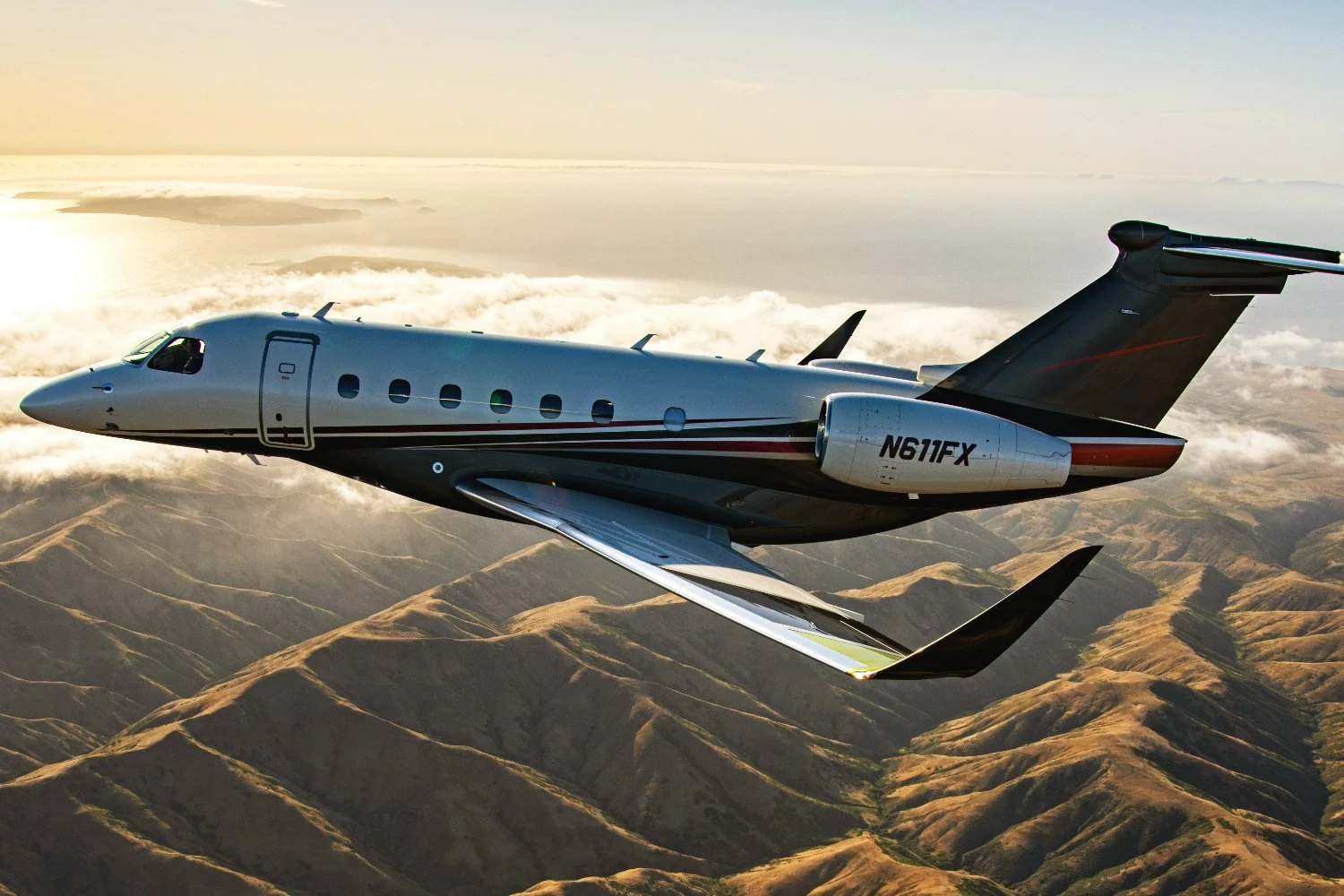
Commercial Aviation, which manufactures the E-Jets family, generated US$696 million in revenue, up 13%. But its profit margin remained relatively narrow: for every US$100 in revenue, the division earned only US$2.40 in operating profit.
That was better than the US$1.30 recorded a year earlier, although Embraer said compensation received from suppliers helped improve the result. The figures show that building commercial aircraft remains a business with limited profitability, despite the increase in deliveries and revenue.
Recent news

November 10, 2026
Executive Aviation generated US$655 million in revenue, up 12%, and kept US$16 in operating profit for every US$100 earned. Higher aircraft prices and the types of jets delivered helped improve its performance.
Services & Support, which includes aircraft maintenance, spare parts and technical assistance, increased revenue by 30% to US$638 million. It kept US$17 in operating profit for every US$100 earned, the highest margin among Embraer's major businesses.
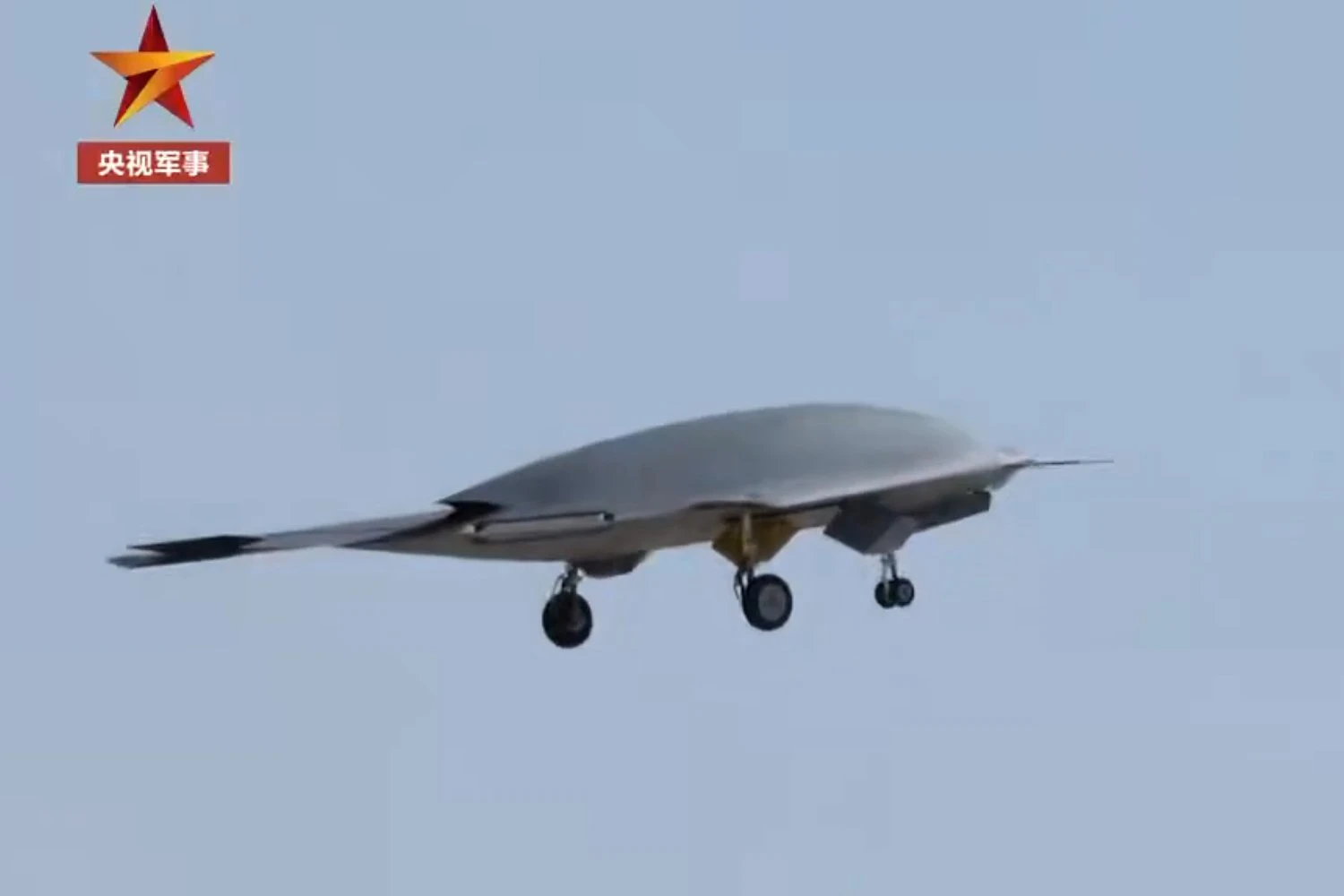
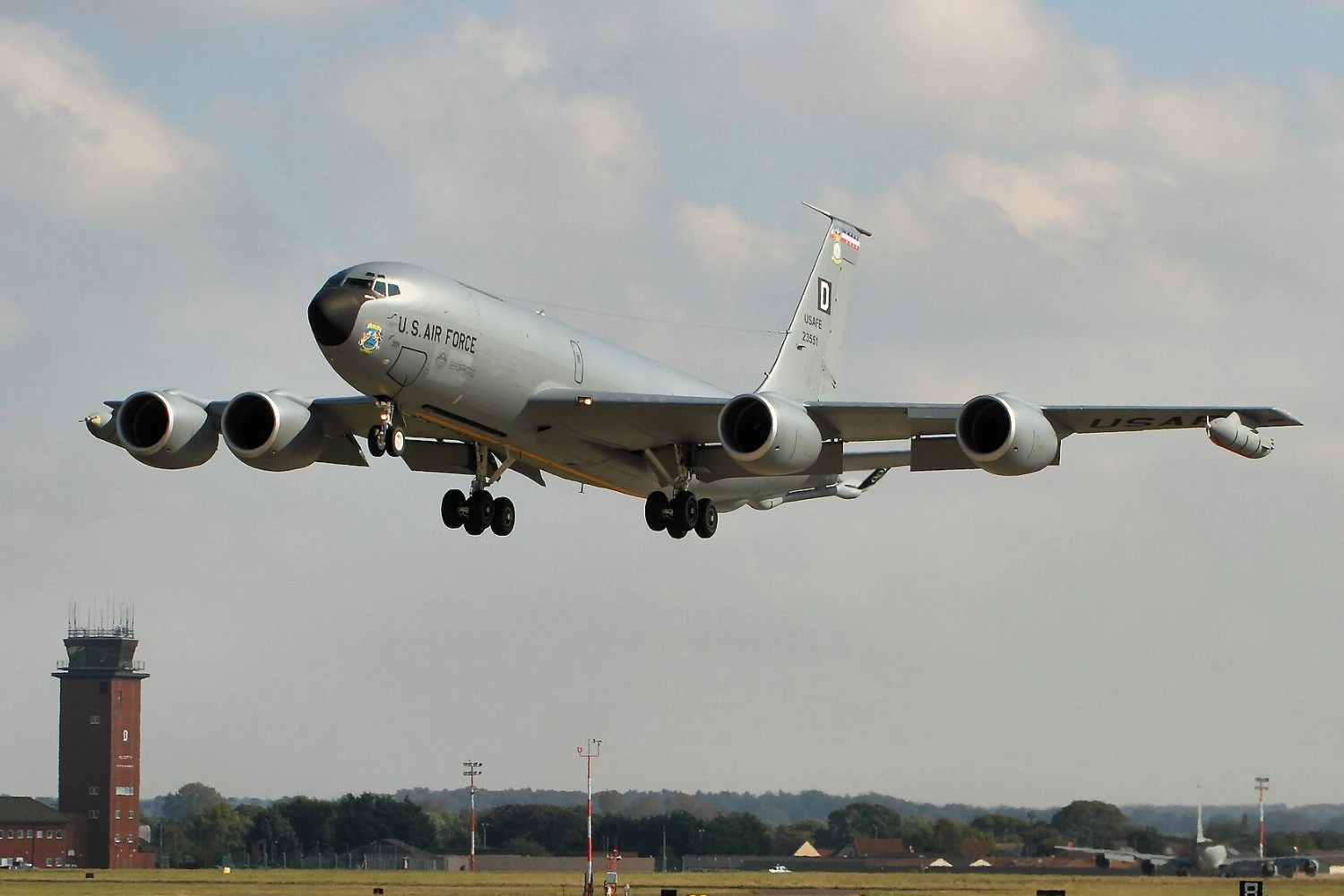
Defense & Security reported US$341 million in revenue, up 22%, with an operating margin of 15.7%. Part of its growth came from work performed on KC-390 Millennium military transport aircraft contracts. Unlike a typical commercial jet sale, revenue from some defense programs can be recorded as production progresses, rather than only when an aircraft is delivered.
These differences help explain why higher aircraft deliveries do not necessarily produce the same increase in profit across the company. The number and type of aircraft delivered, their production costs and the revenue generated by services all influence the final result.
Stronger outlook, but more aircraft still need to be delivered
Embraer now expects to generate between US$8.4 billion and US$8.6 billion in revenue during 2026, raising its previous forecast of US$8.2 billion to US$8.5 billion.
It also expects to finish the year with at least US$700 million in cash generated beyond its operating and investment spending, excluding Eve and using its adjusted calculation. The previous minimum forecast was US$400 million.
However, the company did not increase its aircraft delivery targets. It still expects to hand over 80 to 85 commercial jets and 160 to 170 business jets this year.
By the end of September, Embraer had delivered 52 commercial aircraft and 115 executive jets. That leaves 28 to 33 commercial jets and 45 to 55 business jets to be delivered during the final three months of the year.
The fourth quarter is traditionally the busiest delivery period for aircraft manufacturers. For Embraer, completing those deliveries will be important not only to meet its production targets but also to turn aircraft already under construction, including those for which customers have made advance payments, into recognized revenue.
The company has maintained its forecast for operating profitability, indicating that it expects the improved performance of its businesses to continue through the end of the year.
Eve remains a separate financial consideration. The subsidiary used US$55 million in cash during the quarter as it continued developing its electric aircraft. It ended September with US$355.9 million in cash and financial investments, although it also had US$326 million in debt.
