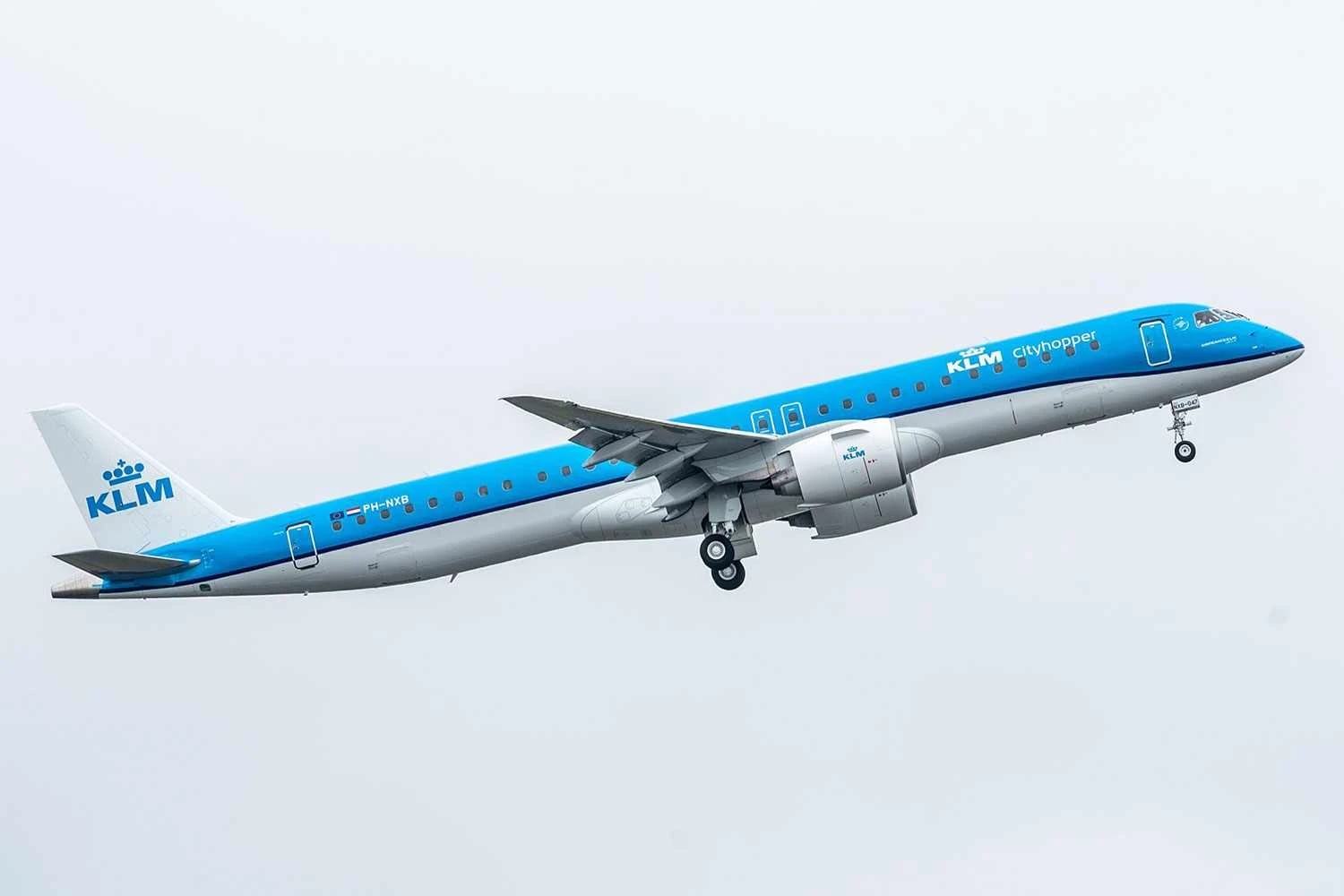
KLM has dropped plans to introduce the Airbus A320neo and will instead use more Embraer E195-E2s as the Dutch airline reshapes its European fleet to improve profitability.
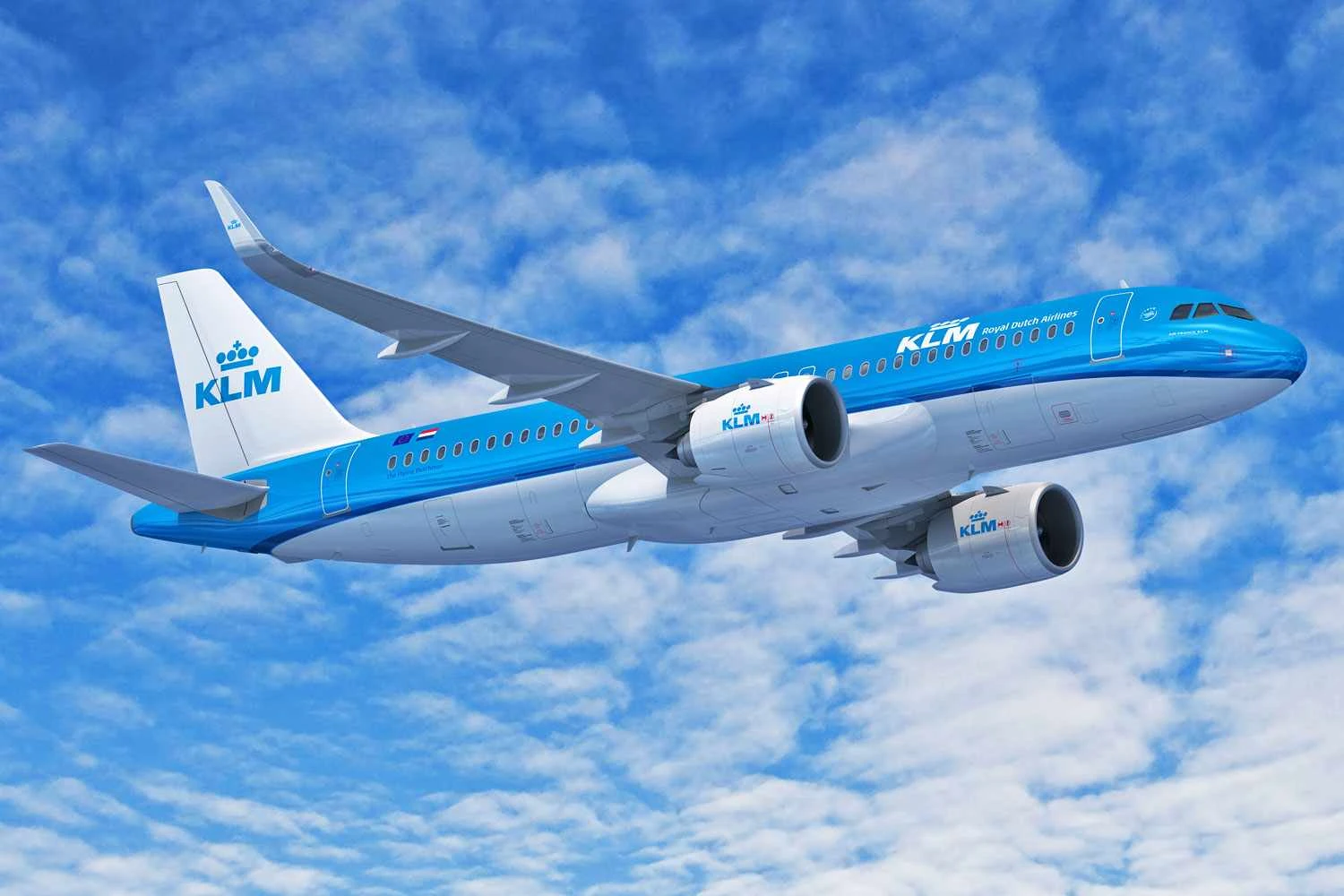
The airline said on Thursday that the A321neo will remain in its fleet, but the smaller A320neos previously planned for KLM will be replaced by E195-E2s operated by KLM Cityhopper. The Boeing 737 and Embraer E190 will be phased out over the coming years.
The A320neo had been part of KLM's fleet plan since Air France-KLM placed an order for 100 A320neo-family aircraft in December 2021, with purchase rights for another 60. The aircraft were intended for KLM, Transavia Netherlands and Transavia France, with KLM expected to receive both A320neos and A321neos.
KLM ultimately began its Airbus narrowbody transition with the A321neo in 2024. The latest decision means the airline will now use the 136-seat E195-E2 below the larger Airbus rather than adding another A320neo-family variant.
More E195-E2s
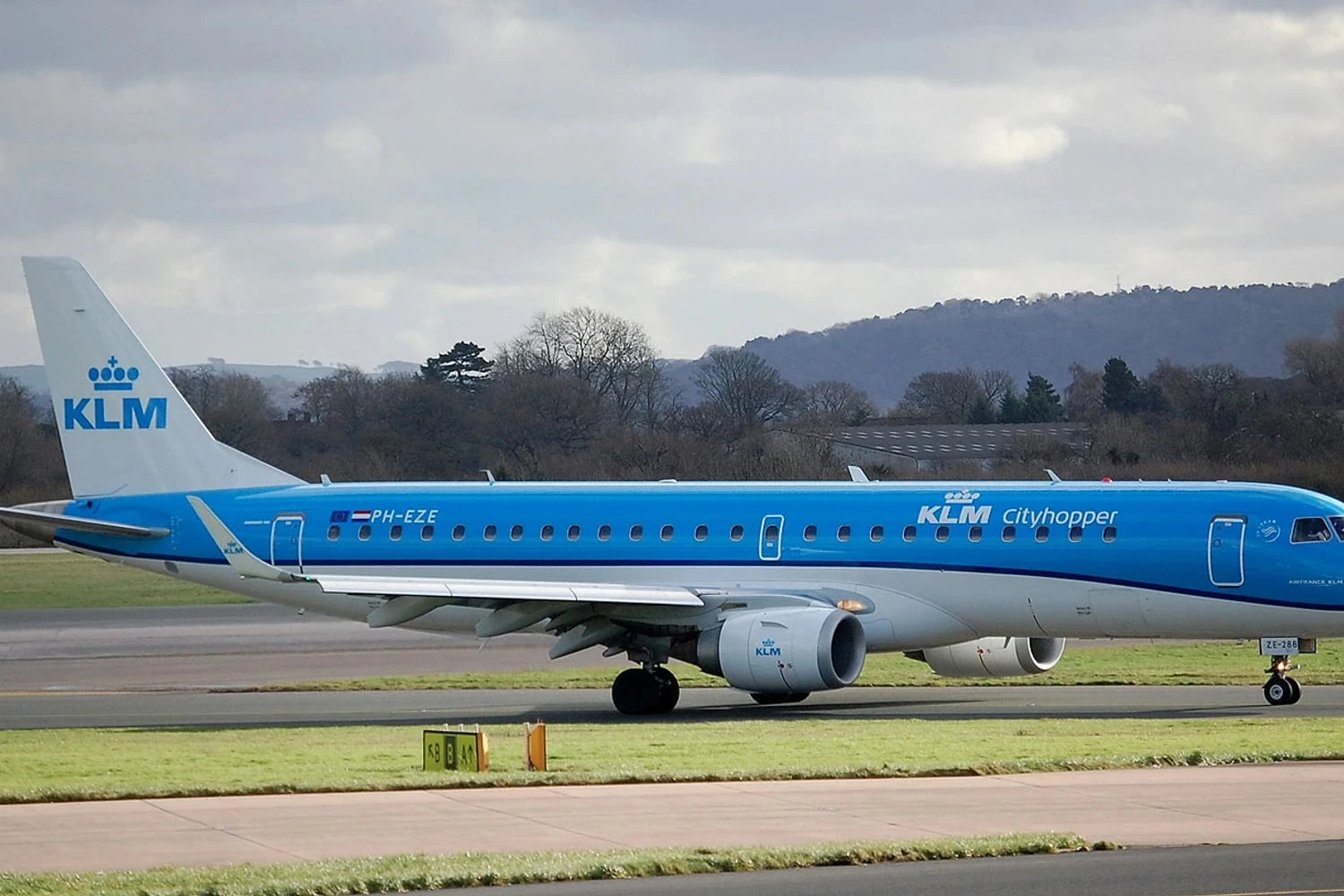
The change comes as KLM Cityhopper is already evaluating how to expand its E195-E2 fleet. The regional airline currently has 25 E195-E2s, alongside 17 E175s and 17 E190s, and has said it ultimately wants to operate only the newer Embraer model.
Follow Air Data News: WhatsApp | Instagram | LinkedIn | Twitter | Facebook
KLM Cityhopper Managing Director Maarten Koopmans said in October that the carrier was evaluating 25 options for additional E195-E2s and hoped to reach a decision by the end of 2026. Exercising all of them would take the fleet to 50 aircraft.
The talks follow an earlier evaluation of how to replace part of the first-generation E-Jet fleet. In May, Air Data News reported that KLM Cityhopper was considering both Embraer's E2 family and the Airbus A220 for a potential 25-aircraft deal. The 25 E195-E2s already in service are operated under leasing agreements rather than aircraft purchased directly by KLM Cityhopper.
By October, however, KLM was publicly describing an all-E195-E2 fleet as its long-term objective. The airline said it intended to gradually retire both the E175 and E190 and reduce its reliance on wet-leased aircraft as more in-house capacity became available.
Related news
November 05, 2026
November 04, 2026
Thursday's announcement does not include an order for more E195-E2s or confirm that the 25 options will be exercised. It does, however, assign the aircraft a larger role than previously planned. KLM said using more smaller aircraft will allow it to better match capacity with demand, while routes that contribute most to connecting traffic through Amsterdam Schiphol will receive priority.

Profitability remains below target
The fleet changes are part of a restructuring announced despite a significant improvement in KLM's financial performance this year.
KLM reported third-quarter revenue of €4.01 billion (US$4.52 billion), up 11.7% from a year earlier. Adjusted operating profit increased by €106 million (US$119 million) to €458 million (US$516 million), while its operating margin rose from 9.8% to 11.4%.
For the first nine months of 2026, operating profit reached €526 million (US$592 million), compared with €328 million (US$369 million) a year earlier. The operating margin improved by 1.5 percentage points but remained at 4.8%, well short of KLM's target of more than 8%.
KLM says it now needs another €1 billion (US$1.13 billion) in annual earnings improvement. Combined with measures already underway, the airline is targeting €1.4 billion (US$1.58 billion) in structural annual improvement to support investment in aircraft, customer service and employees.
“KLM's future is not guaranteed,” CEO Marjan Rintel said, citing global instability, high fuel prices and increasing pressure on the aviation industry. She described the airline as being at a pivotal moment that requires measures across every division.
The warning comes while KLM remains profitable and improving its results rather than facing an immediate financial crisis. Management's concern is that current profitability remains insufficient to sustain the investments the airline says it needs and to make it more resilient to future shocks.
5,000 positions affected
The restructuring will reduce the number of positions within KLM by almost another 15%, although the approximately 5,000 positions affected will not all disappear. Much of the work will instead move to external companies or elsewhere within Air France-KLM.
Work associated with 1,250 positions at KLM Catering Services has already moved to a partnership with gategroup. Around 800 Ground Services positions are expected to have their work transferred to external providers, while another 2,000 positions will move to Air France-KLM. The latter figure includes about 1,500 positions at customer contact center Cygnific.

The remaining approximately 1,000 positions are expected to be eliminated as KLM pursues higher productivity. The airline is targeting a structural productivity increase of at least 8% by 2028 and says natural attrition, voluntary programs and internal transfers should limit the impact on employees.
KLM also plans to outsource additional activities, align the management of its Engine Services and Component Services operations more closely with Air France-KLM and simplify its organization. Rintel said further changes to staffing, productivity, employment conditions and the organization could still be considered if the measures announced on Thursday prove insufficient.