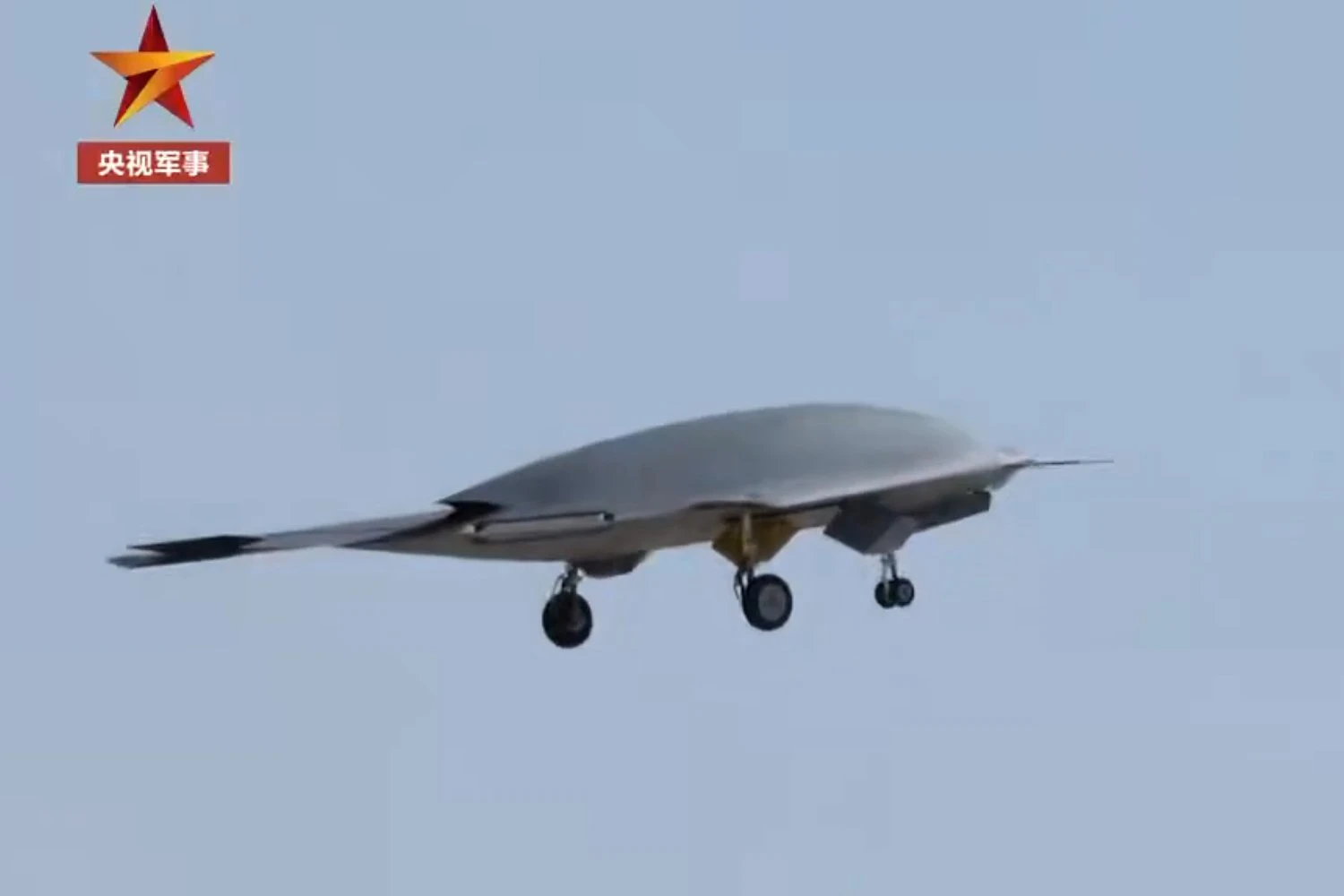
China has released new footage of its GJ-11 stealth combat drone, offering unusually detailed views of the unmanned aircraft, including its internal weapons bays, engine exhaust and electro-optical targeting system. The images were published by state broadcaster CCTV on November 9, ahead of the 77th anniversary of the People's Liberation Army Air Force.
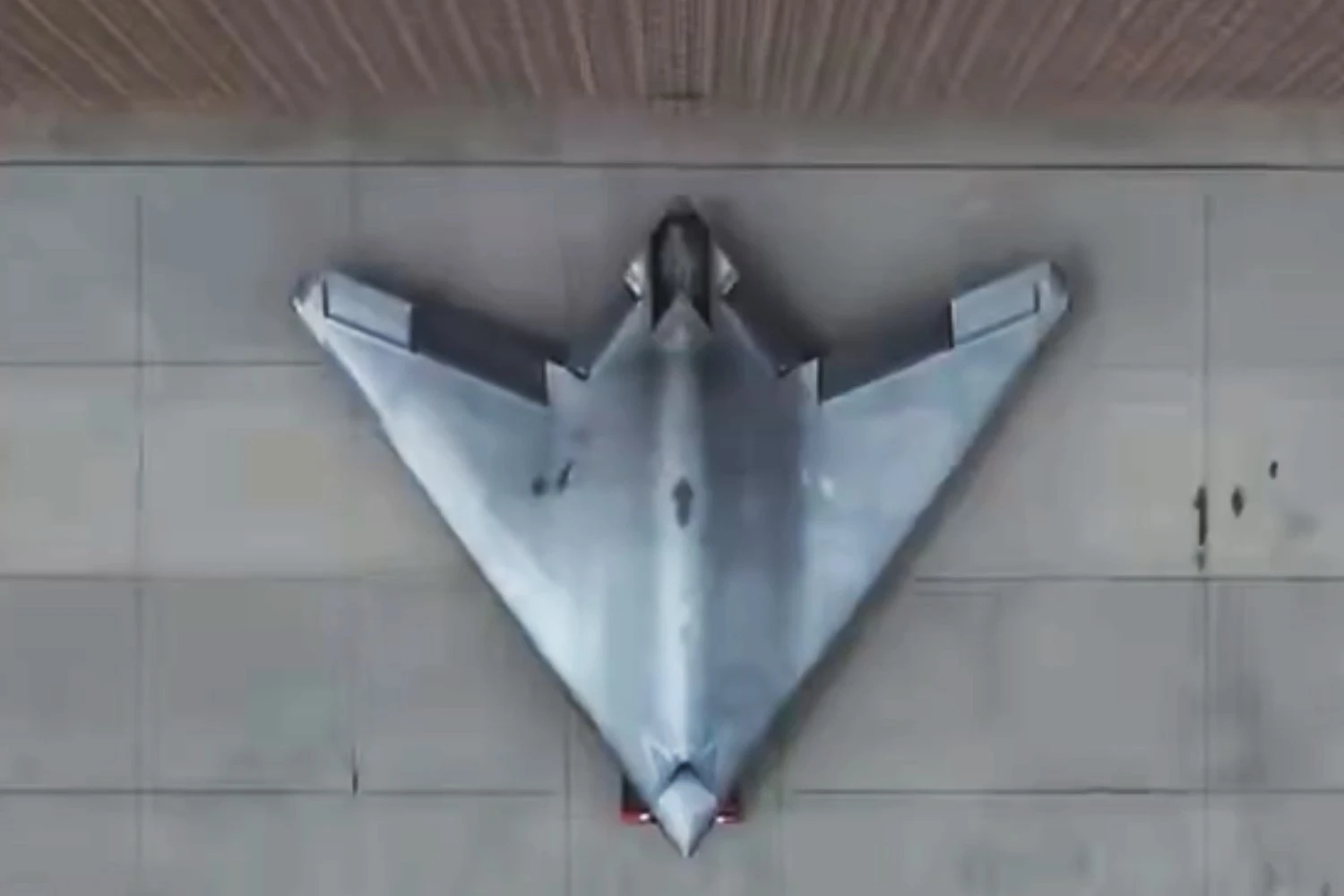
The GJ-11 is a tailless flying-wing unmanned combat aerial vehicle (UCAV) developed for missions that may include precision strikes and the suppression of enemy air defenses. Its configuration emphasizes reduced radar visibility, with weapons carried inside the fuselage rather than on external pylons.
The footage shows two internal weapons bays beneath the fuselage, with serrated door edges designed to reduce radar reflections. Their dimensions suggest that the aircraft can accommodate guided air-to-surface weapons, although China has not disclosed its operational payload or confirmed which weapons it carries.
Another distinctive feature is the engine exhaust, which is flattened and positioned along the upper rear section of the fuselage. This arrangement shields much of the exhaust from observers below the aircraft and is intended to reduce its infrared signature.
https://x.com/airwayaviation/status/2120100584728805758
The GJ-11 also features a relatively small air intake on top of the fuselage and a bulky central section that could accommodate substantial internal fuel capacity. This would be consistent with a design intended to operate over long distances, although its actual combat radius remains undisclosed.
Follow Air Data News: WhatsApp | Instagram | LinkedIn | Twitter | Facebook
The new images also reveal an electro-optical targeting system beneath the nose. The aircraft's relatively small forward section raises questions about the size and capabilities of any onboard radar, suggesting that it could rely partly on targeting information transmitted by other aircraft through datalinks.
Naval variant
That formation demonstrated the aircraft's ability to operate alongside crewed combat jets, although the extent of its autonomous capabilities and the degree of control exercised by pilots aboard other aircraft remain unknown. The potential use of two-seat J-20 fighters to coordinate GJ-11 drones has also been discussed in earlier Chinese concept imagery.
The GJ-11 made its first major public appearance during China's military parade in 2019. In November 2025, the Chinese Air Force released footage showing the drone flying alongside a Chengdu J-20 stealth fighter and a Shenyang J-16D electronic warfare aircraft.
That formation demonstrated the aircraft's ability to operate alongside crewed combat jets, although the extent of its autonomous capabilities and the degree of control exercised by pilots aboard other aircraft remain unknown.
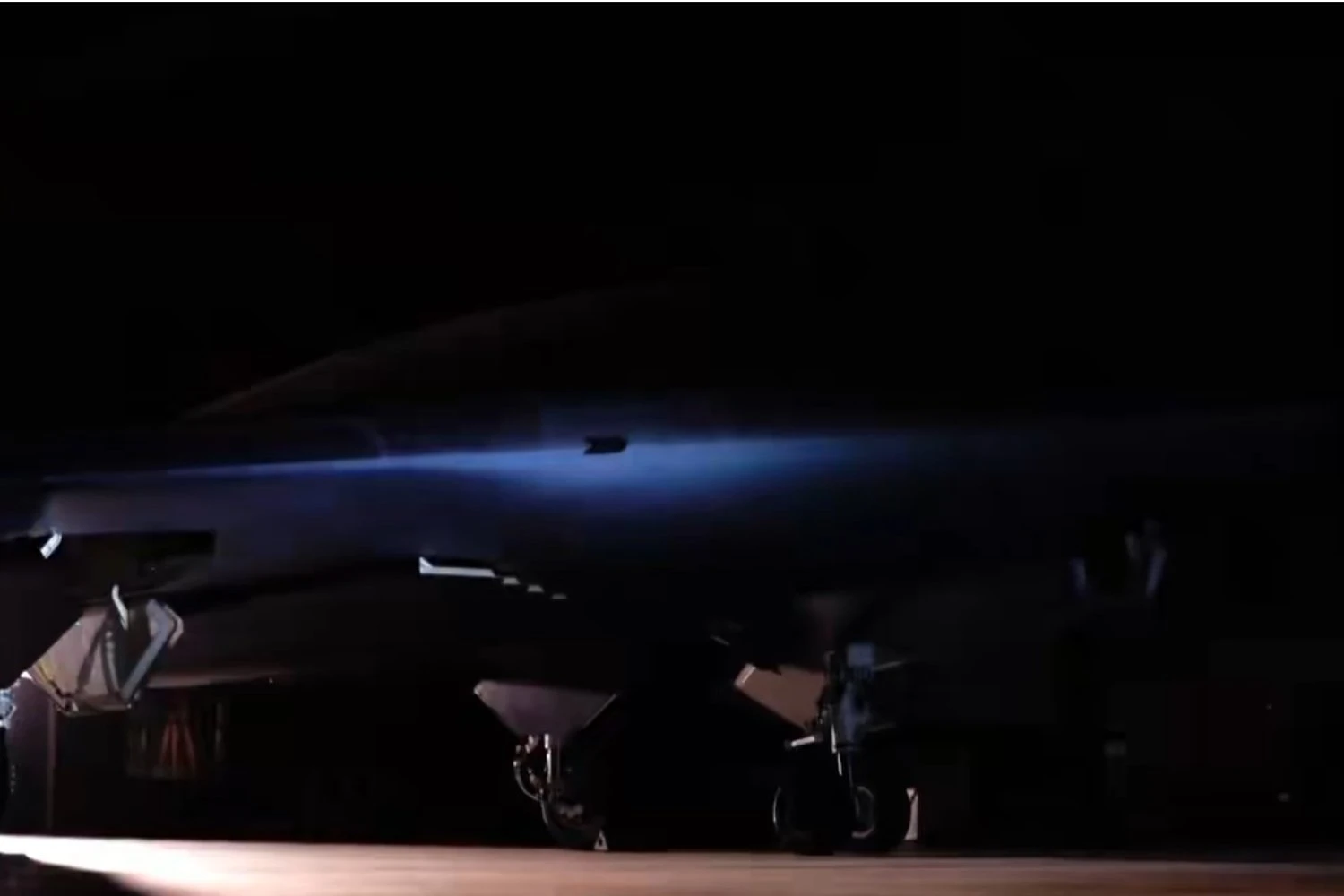
GJ-11 UCAV | Social media 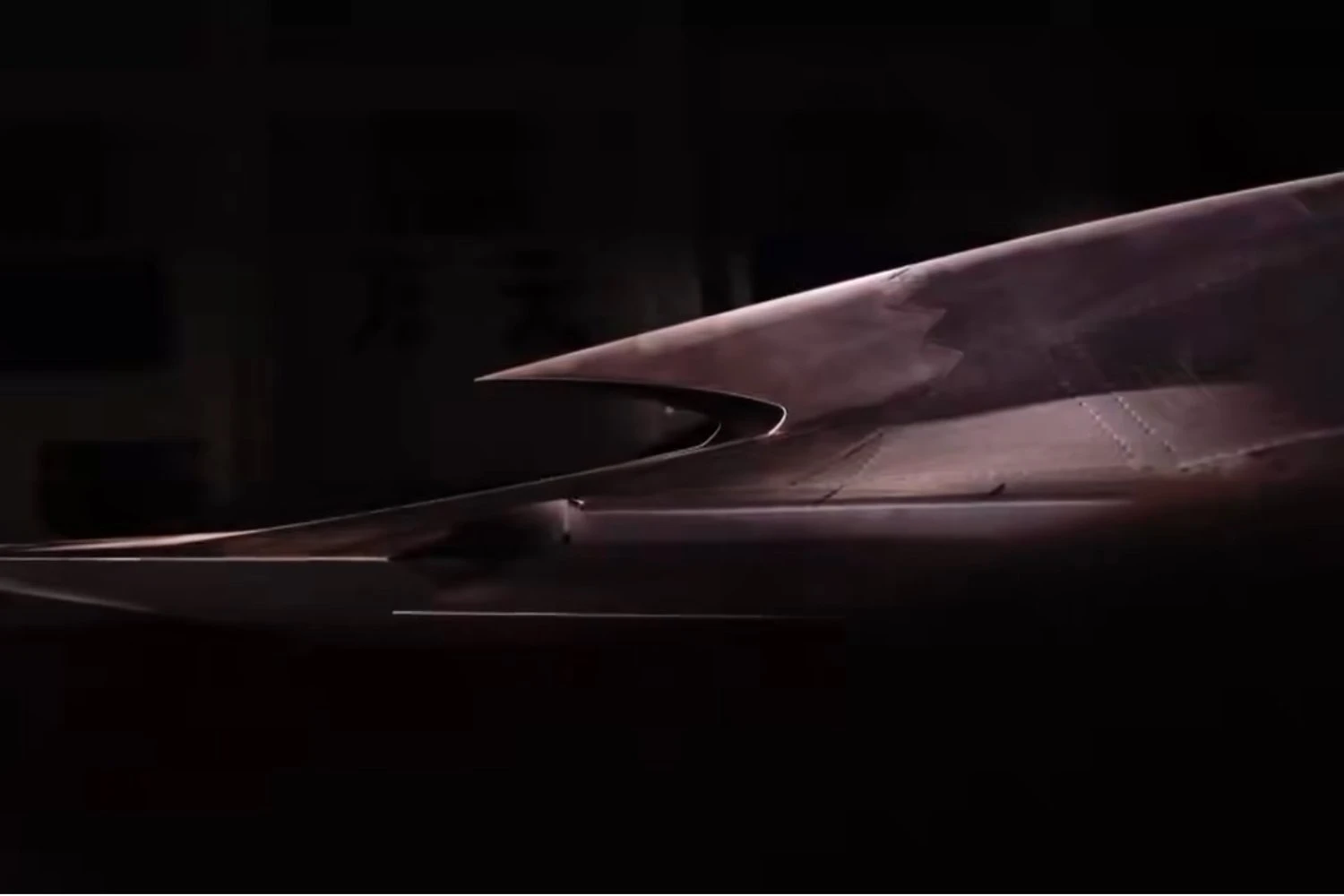
GJ-11 UCAV | Social media 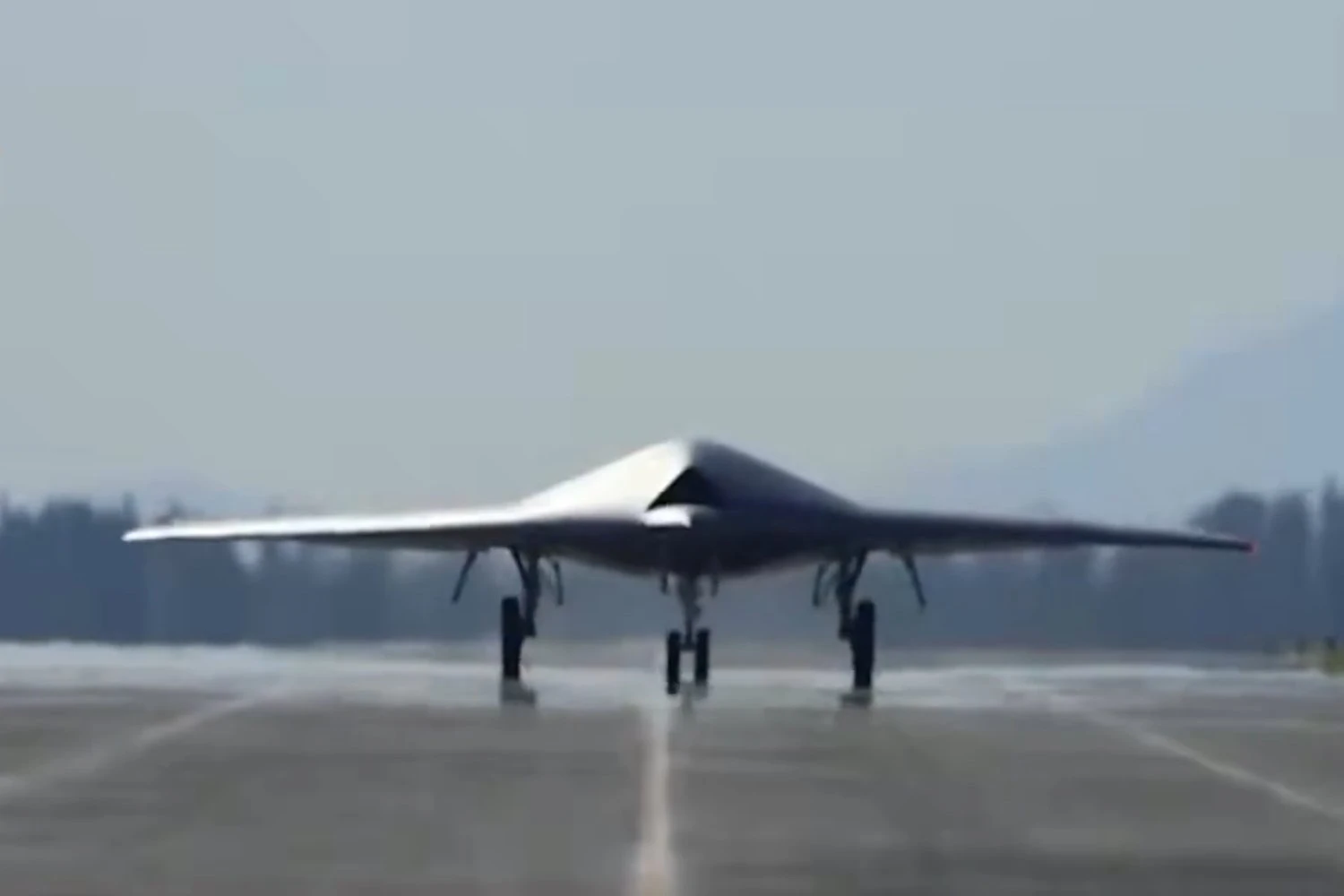
GJ-11 UCAV | Social media



Chinese state media has described the GJ-11 as capable of penetrating defended airspace, conducting precision strikes and supporting operations against enemy air defenses. CCTV has also claimed that the aircraft completed an initial live-fire attack mission, without specifying when or where it occurred or identifying the weapon used.
The drone is believed to have entered service in limited numbers, but China has not disclosed its operational fleet size, combat radius or weapons capacity.
Related news
October 05, 2026
September 09, 2026

The latest footage also comes shortly after China announced that the GJ-21, a naval variant of the same aircraft family, had completed a takeoff and landing demonstration aboard the CNS Sichuan, a Type 076 amphibious assault ship equipped with an electromagnetic catapult. No actual footage of the reported shipboard operations has been released, preventing independent verification of the milestone.