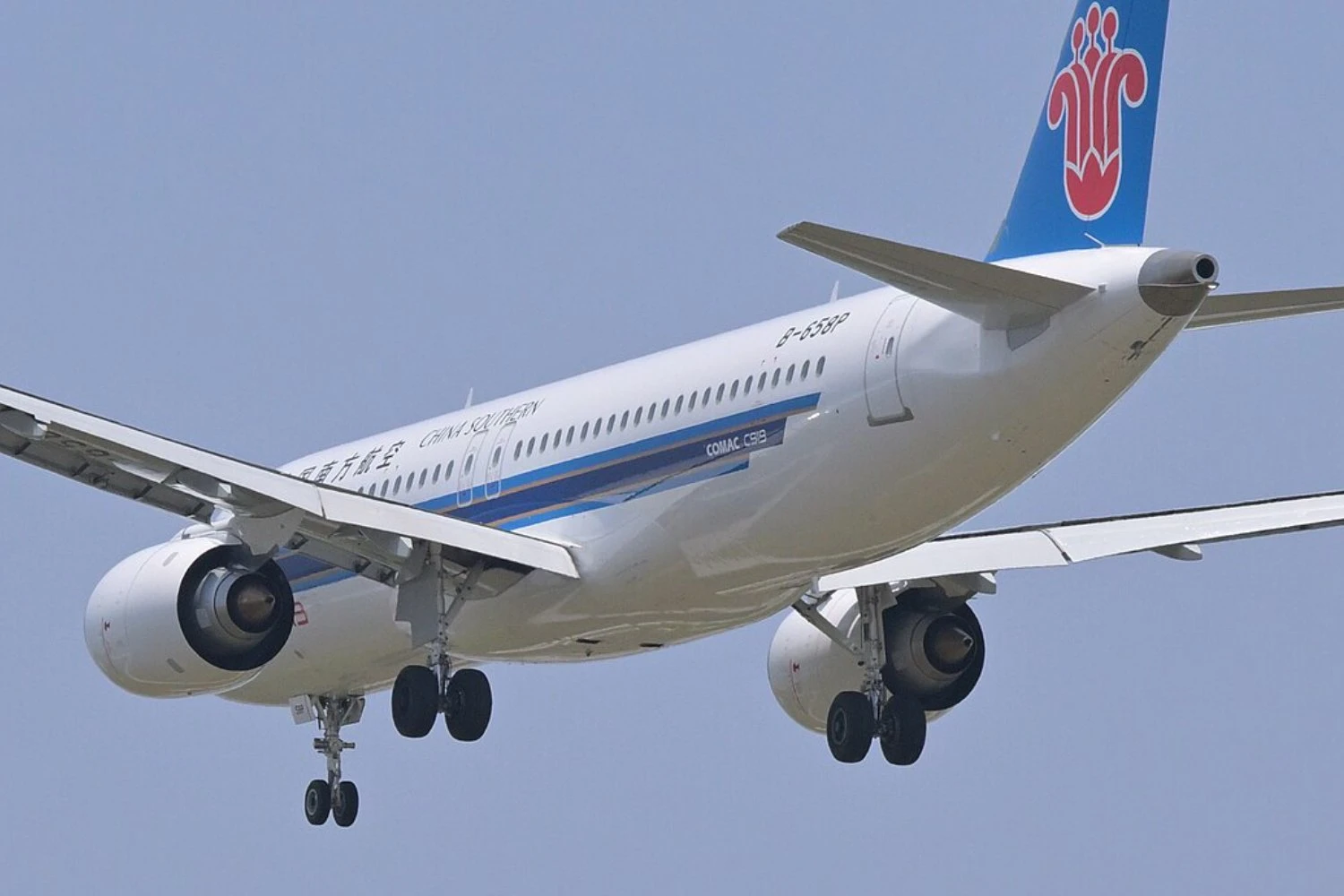
COMAC faces another obstacle to its already troubled C919 production ramp-up after the US government tightened controls on aircraft component exports to China. The program remains dependent on Western suppliers for many of its most important systems.
Only about a dozen C919s have been delivered in 2026. The weak pace follows 2025, when COMAC delivered 15 aircraft despite plans for a much larger increase in production.
The difficulties therefore predate the latest action from Washington. The US Commerce Department has recently slowed approvals for aircraft components destined for China and restricted the quantities available to COMAC, according to Reuters. US officials want to prevent Chinese manufacturers from accumulating enough parts to reduce the impact of possible future export restrictions.
Washington briefly suspended export licenses for LEAP-1C engines and other aerospace equipment in 2025 before allowing shipments to resume. The latest measures are different: exports continue, but tighter control over licenses and quantities gives the US government greater influence over the supply of components needed by Chinese aircraft manufacturers.
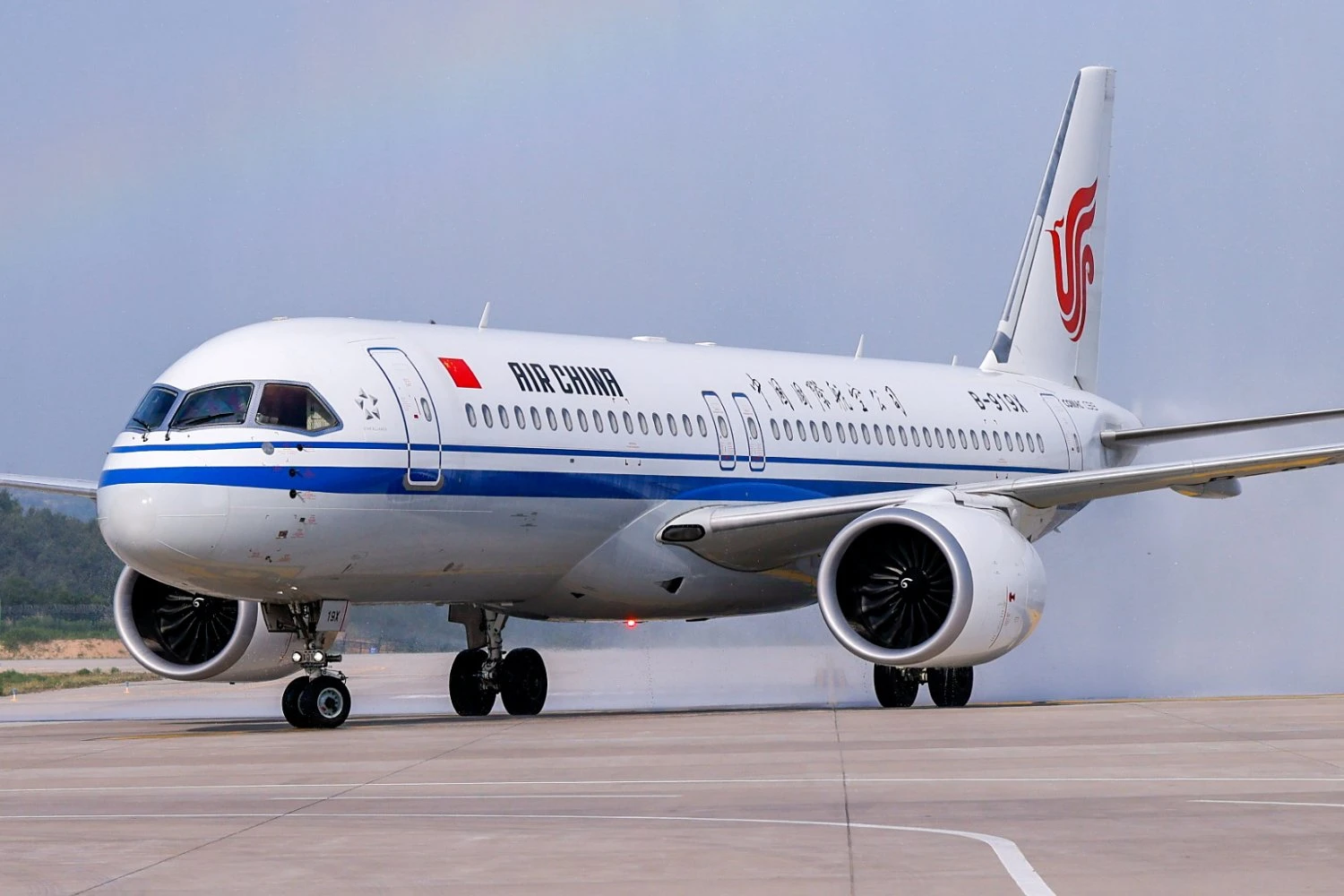
CJ-1000A engine
The C919 is assembled in China, but a substantial share of its equipment comes from Western suppliers. Its LEAP-1C engines are produced by CFM International, the GE Aerospace-Safran joint venture. Other foreign companies supply avionics, landing gear, flight-control equipment, electrical systems and several other components.
China is developing domestic alternatives, including the CJ-1000A engine, but they are not yet available to replace the imported systems used by C919s currently in production.
Follow Air Data News: WhatsApp | Instagram | LinkedIn | Twitter | Facebook
COMAC's large order book provides some protection from another problem faced by new commercial aircraft programs: finding customers. But its backlog needs to be viewed in the context of China's state-controlled aviation industry.
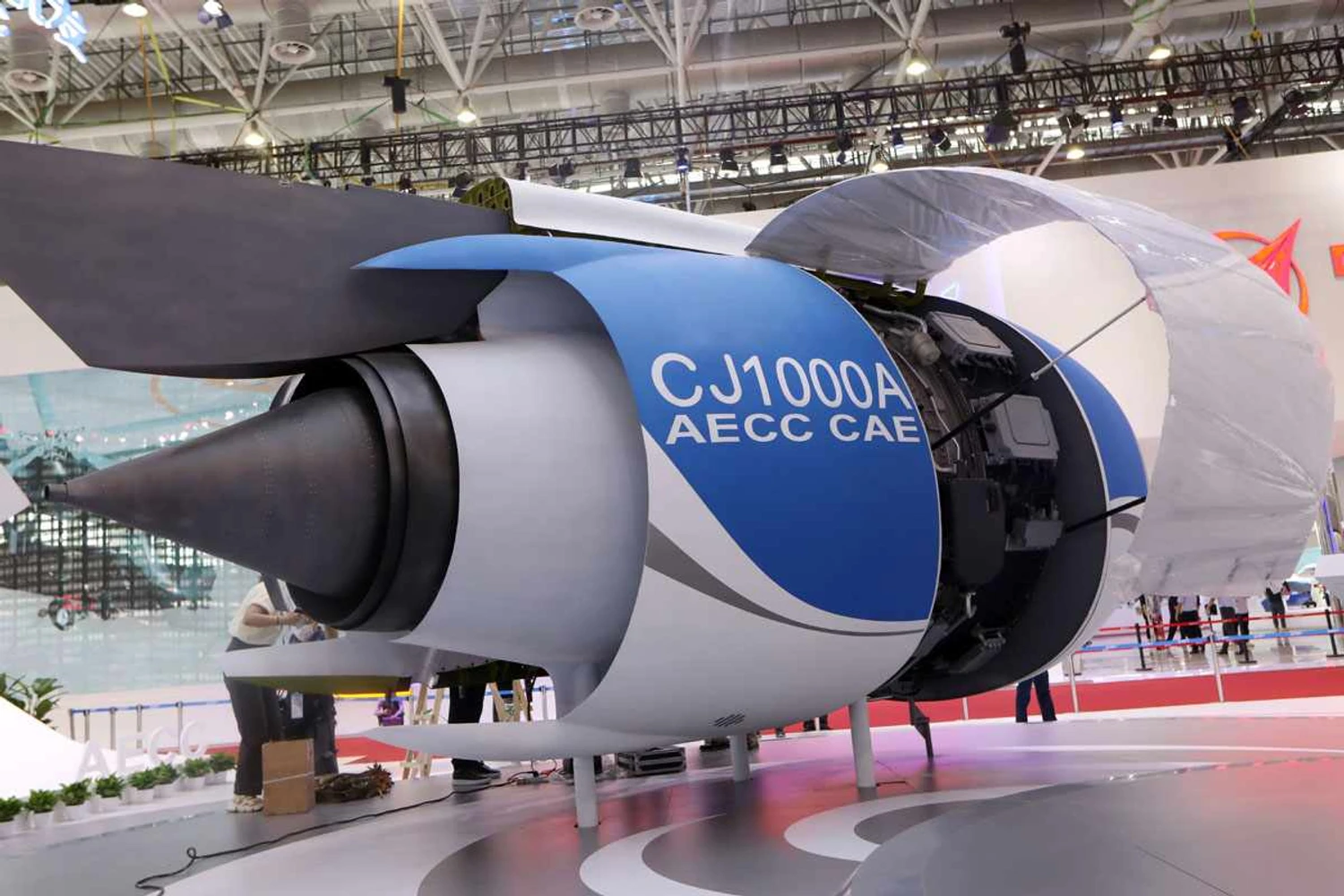
COMAC itself is state-owned. The three airlines currently operating the C919 — China Eastern Airlines, Air China and China Southern Airlines — are also controlled by the Chinese government. Chinese leasing companies account for many other commitments for the aircraft.
The arrangement gives the C919 a large domestic market even before it establishes significant demand overseas. It does not solve the industrial problem of producing enough aircraft to meet that demand.
European certification
COMAC is also pursuing European certification for the C919. The European Union Aviation Safety Agency has been working on validation of the Chinese type certificate and has conducted evaluation activities involving the aircraft in China.
An EASA certificate would give COMAC access to markets that do not recognize the Chinese certification alone and would be an important step toward selling the C919 beyond its predominantly domestic customer base.
The manufacturer has already promoted the aircraft outside China, including demonstration flights and appearances at international air shows. So far, however, the C919 remains overwhelmingly a Chinese program in both its customers and operations.
Its dependence on American components has now become intertwined with negotiations between Beijing and Washington.
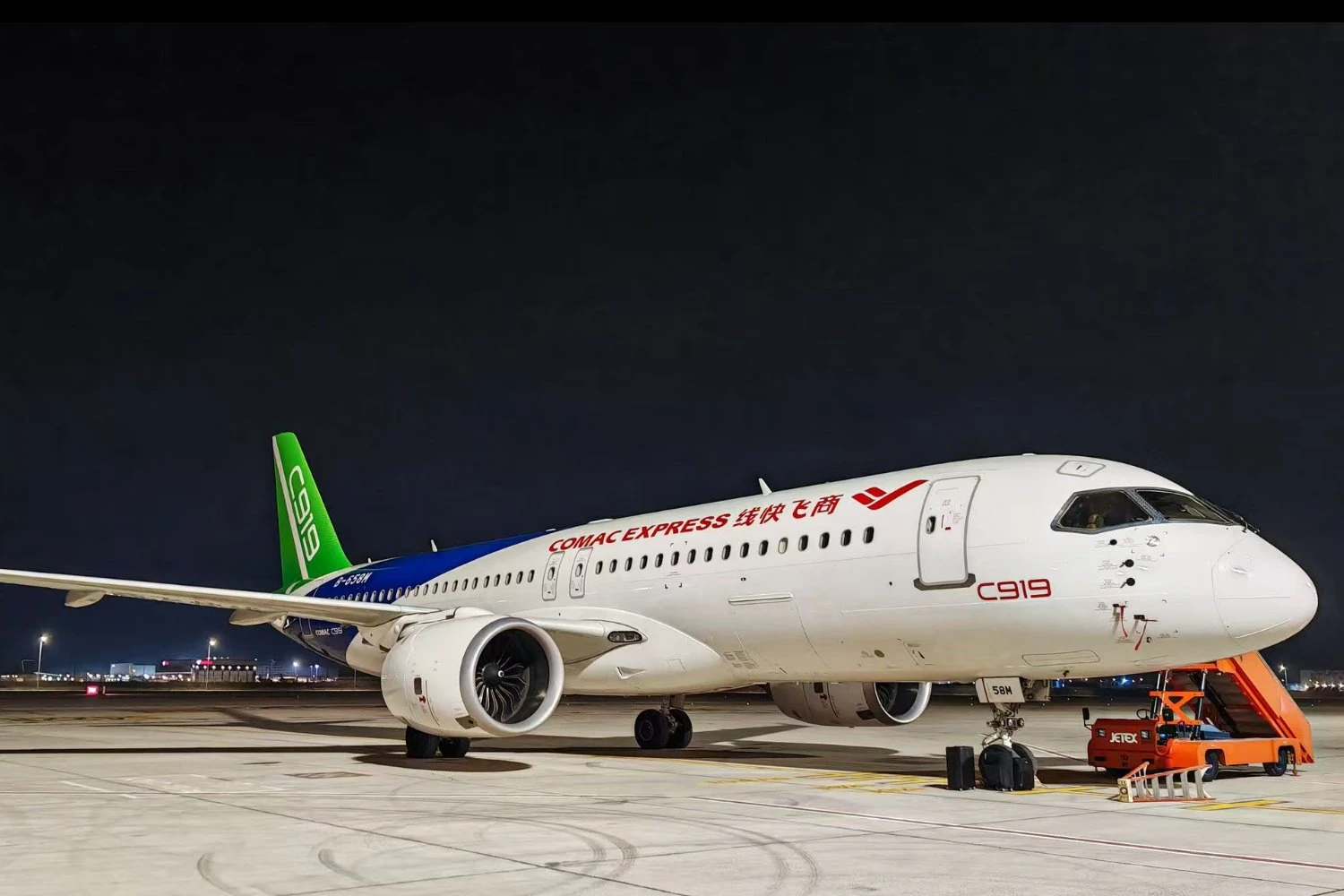
China agreed during the first half of 2026 to purchase 200 Boeing aircraft, but the commitment has yet to become a complete set of firm orders placed by individual Chinese airlines. Boeing has been working with Chinese customers to convert the agreement into contracts.
The aircraft deal remains under discussion ahead of another meeting between President Donald Trump and Chinese President Xi Jinping. Access to US aerospace equipment is also on the table, with China seeking greater certainty over the future supply of components.
That puts commercial aviation on both sides of the negotiations. Boeing wants the Chinese commitments converted into firm aircraft orders, and China wants reliable access to US aerospace technology. COMAC still needs that technology to increase C919 production and reduce China's dependence on Western aircraft.