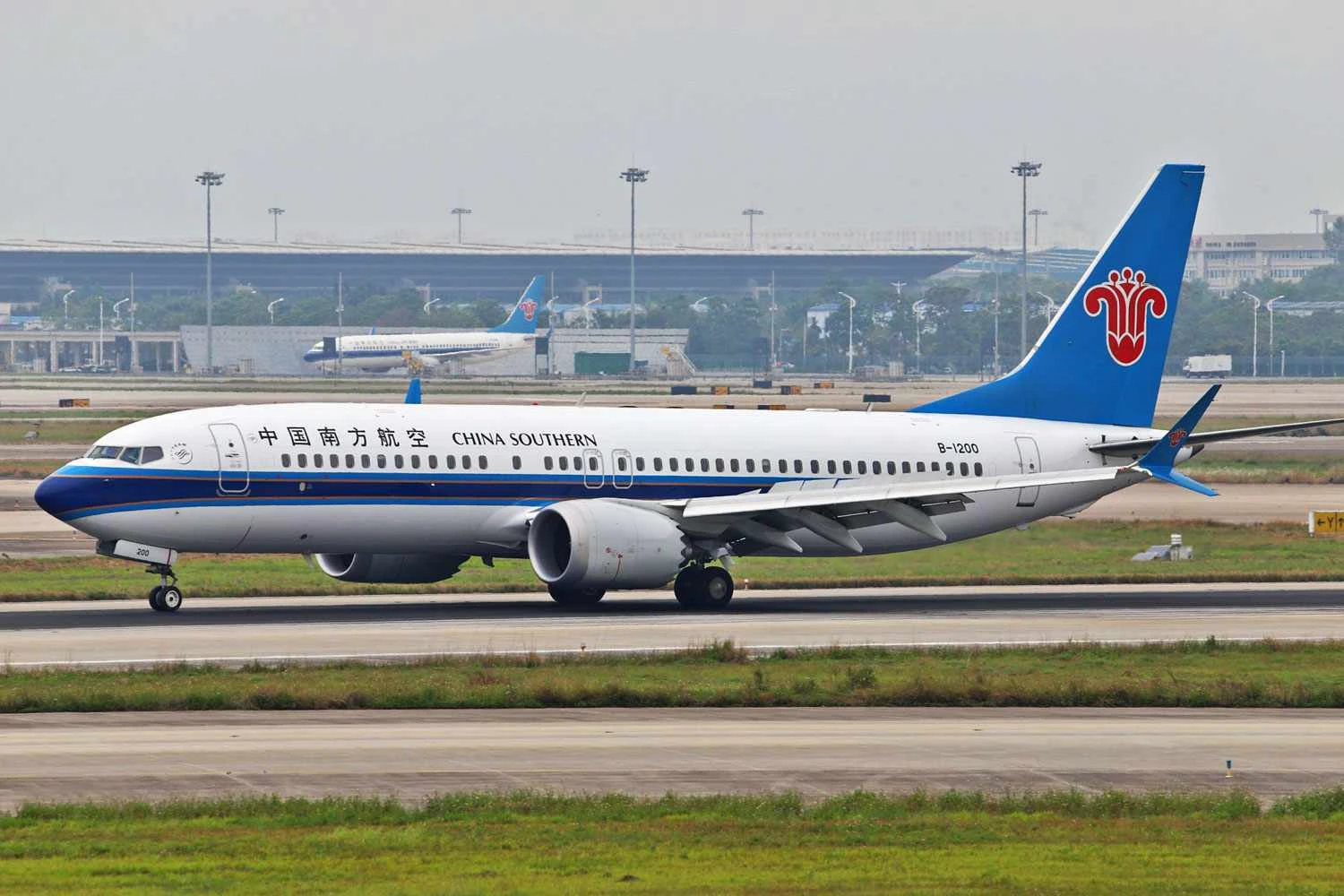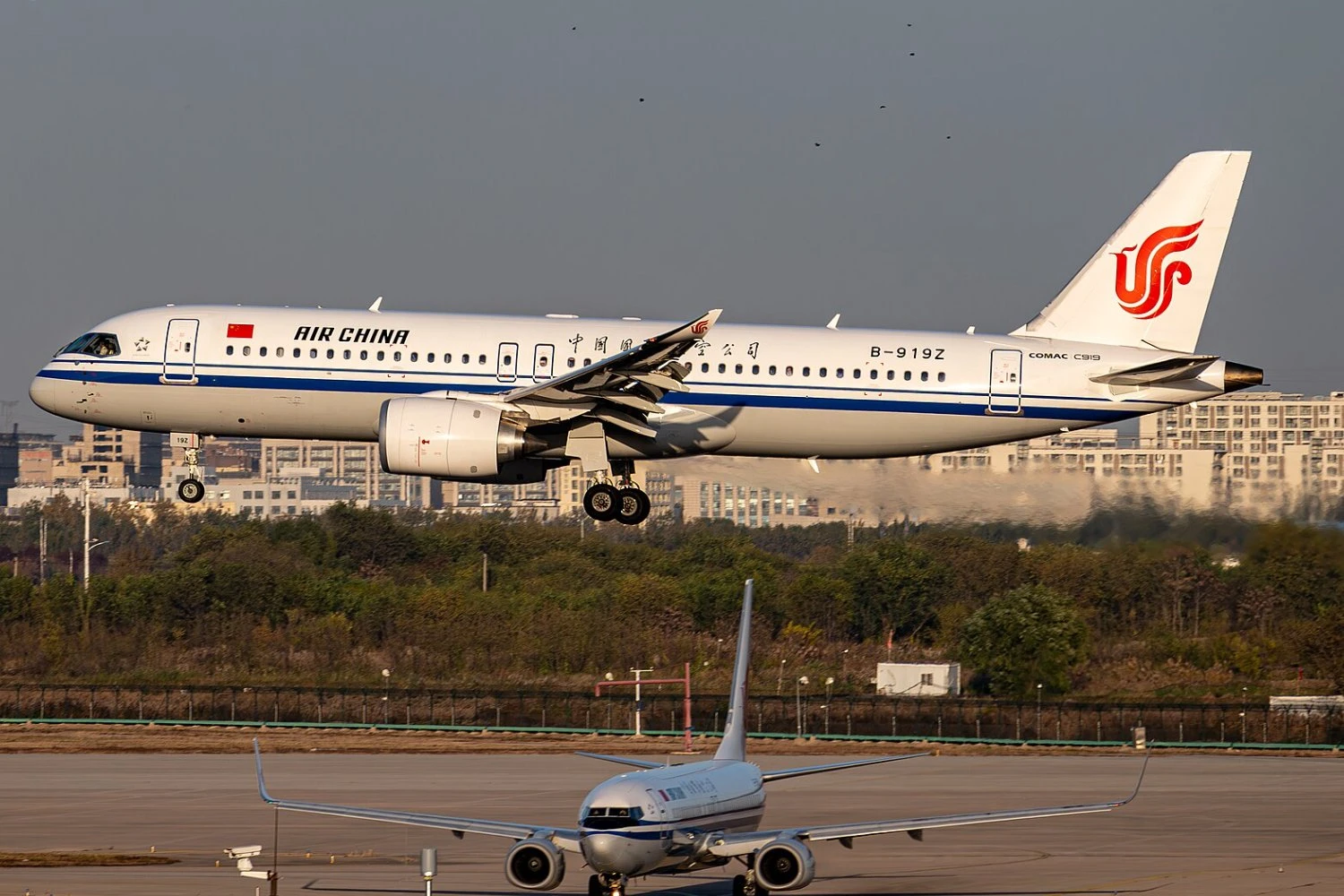
China will need fewer new single-aisle aircraft than previously expected as its high-speed rail network continues to compete with domestic flights, according to a revised market forecast from Airbus.
The manufacturer now expects Chinese airlines to require 7,480 new single-aisle aircraft over the next 20 years, Bloomberg reported on September 9. Its previous forecast was for 7,950 aircraft, a reduction of 470 jets, or almost 6%.
Follow Air Data News: WhatsApp | Instagram | LinkedIn | Twitter | Facebook
The revision concerns the Chinese market rather than Airbus sales alone. A smaller requirement for single-aisle aircraft reduces the potential market contested by Airbus, Boeing and COMAC with the A320neo family, 737 MAX and C919, respectively.
Airbus estimates that high-speed rail could eventually capture about 10% of Chinese domestic air traffic. Competition is particularly strong on routes where the time advantage of flying is reduced by airport access, security procedures and other parts of the journey.
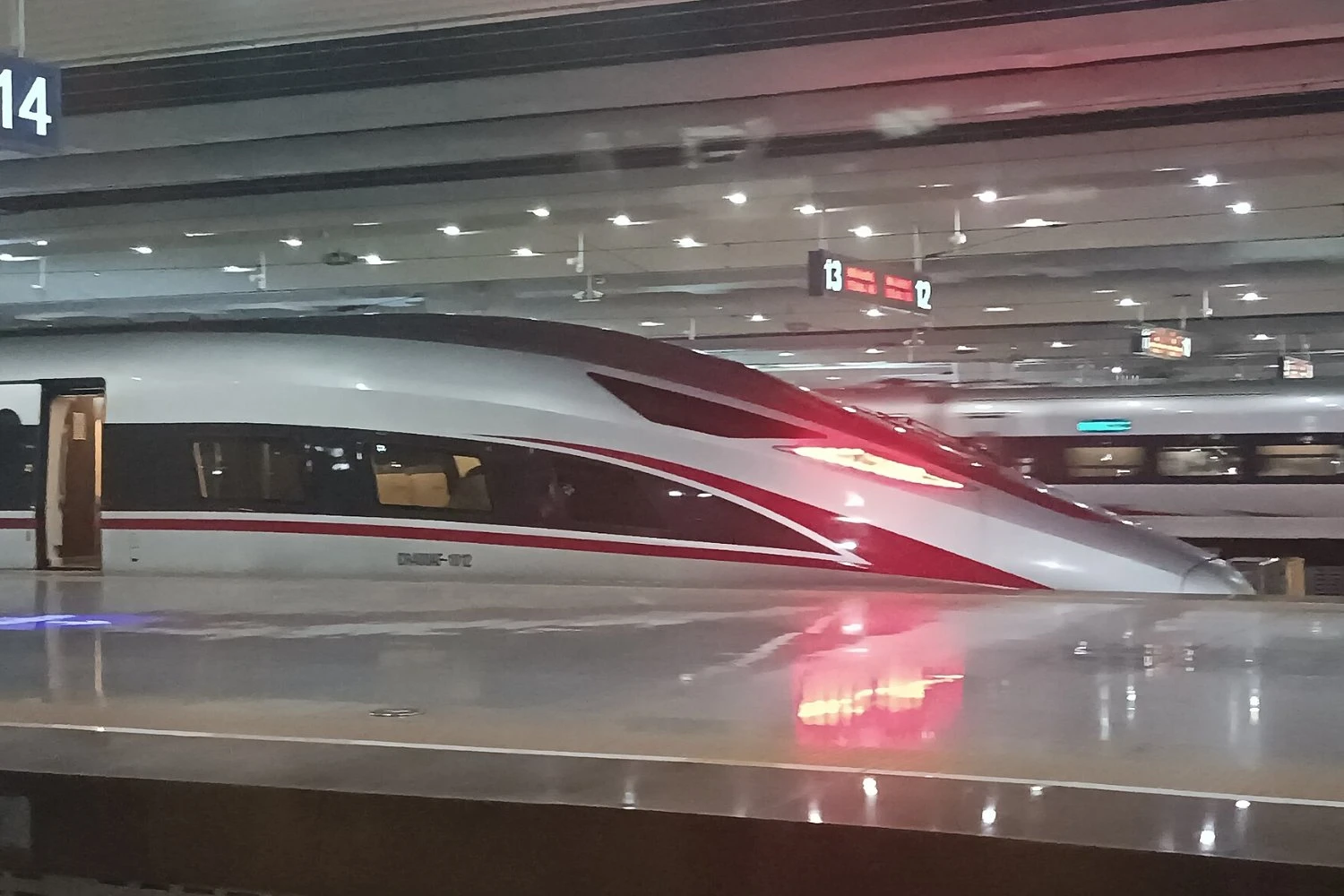
Studies of the Chinese market have already measured substantial effects after high-speed rail services begin competing with air routes. Research covering connections between major Chinese cities found particularly strong reductions in airline traffic, frequencies and capacity on routes of around 500 to 800 km (310 to 500 miles).
Other research suggests the competitive range can extend considerably farther. High-speed rail has affected airline capacity on routes between 600 and 1,400 km (370 and 870 miles), depending on train journey times and the cities involved.
Pressure on domestic airlines
The impact is not limited to long-term aircraft forecasts. Chinese airlines are already facing stronger competition from trains when setting fares and capacity on domestic routes.
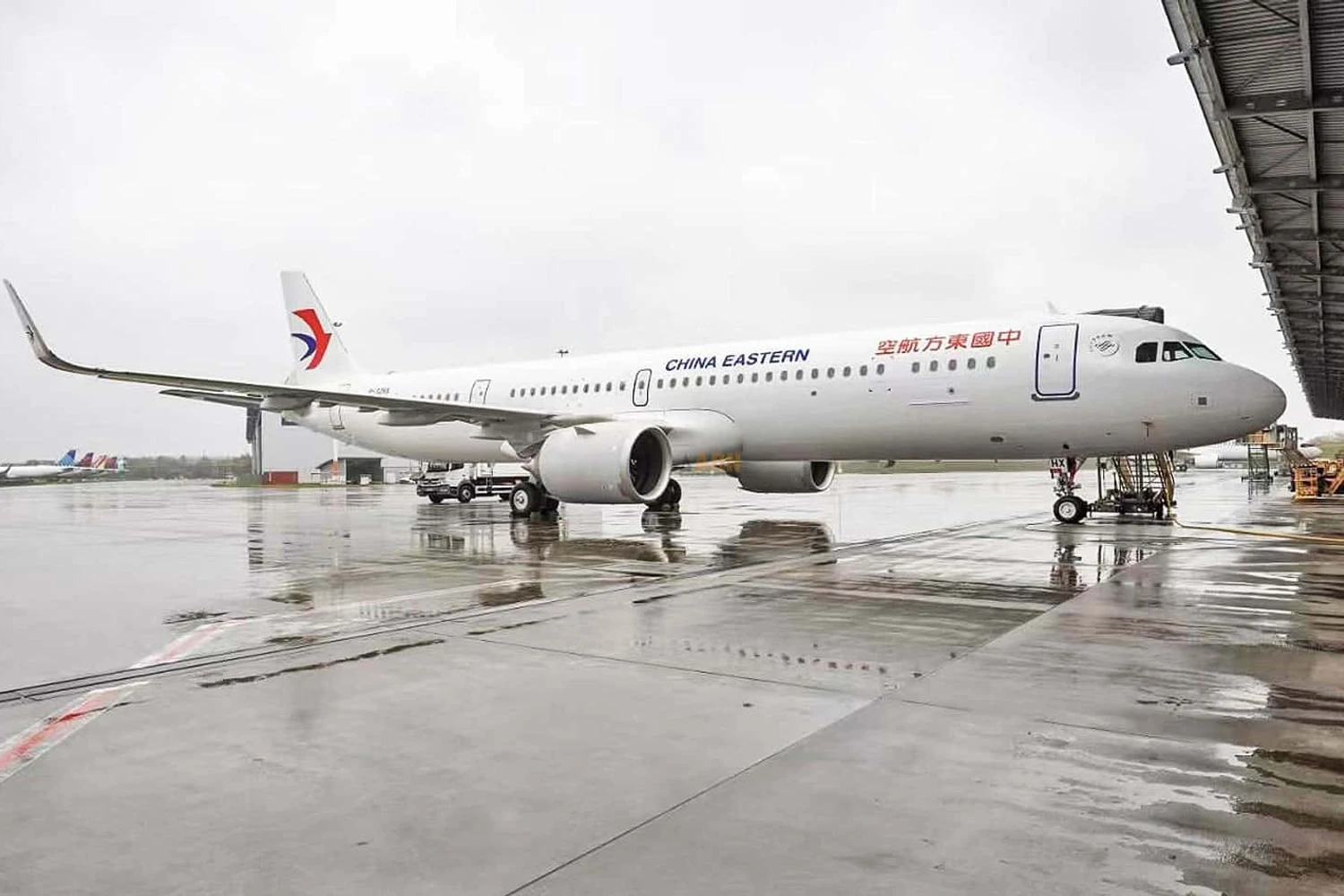
China’s three largest airline groups — Air China, China Eastern and China Southern — reported combined losses during the first half of 2026. Reuters reported in August that competition from high-speed rail and road transportation was among the factors limiting their ability to raise domestic fares.
China nevertheless remains a huge market for commercial aircraft. Airbus expects the country to require 8,830 new passenger and cargo aircraft across all categories during the next two decades.
Recent news
September 21, 2026
September 21, 2026
September 21, 2026
Single-aisle aircraft account for most of that requirement. They are widely used on China’s dense domestic network, including routes where high-speed trains provide a direct alternative.
China has built the world’s largest high-speed rail network, connecting many of its largest cities. Continued expansion means airlines are likely to face rail competition on additional domestic routes as new lines open and journey times fall.