
China is gradually replacing Western-made materials and components used on the COMAC C919, seeking to reduce the aircraft program’s dependence on foreign suppliers.
The initiative goes considerably deeper than the C919’s highly visible dependence on Western engines and avionics. Chinese companies and research institutes are developing domestic alternatives for products ranging from sealants and rubber to paints, fasteners and cleaning materials used in aircraft production.
Details emerged during an aviation industry forum held in Guangzhou, China, earlier this month, the same event where Chinese airlines discussed the growing demand for the C919 and COMAC’s difficulties in increasing production.
According to the South China Morning Post, Zhang Xiaoyan, chief engineer at the Beijing Institute of Aeronautical Materials, said some domestically developed materials are already being tested on the C919, while others are undergoing evaluation by COMAC.
Follow Air Data News: WhatsApp | Instagram | LinkedIn | Twitter | Facebook
One example is HM1176, a Chinese-developed sealant that has been used in the C919 program and the domestically developed CJ-1000 engine since 2025.
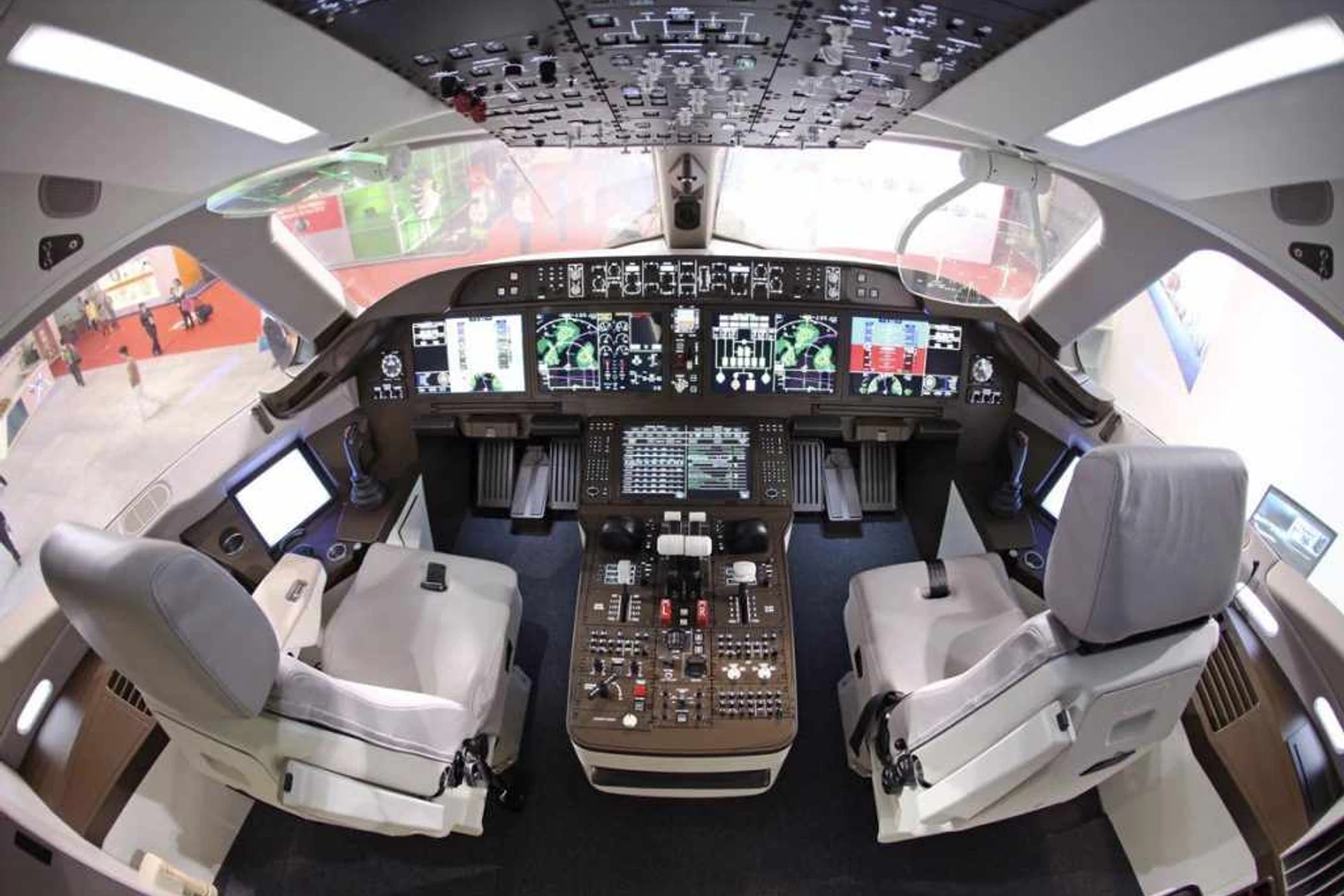
The apparently mundane nature of some of these components illustrates the scale of the challenge facing China. Building an indigenous commercial aircraft industry requires much more than replacing a few major imported systems.
Western technology throughout the C919
Despite being promoted as China’s first domestically developed mainline passenger jet, the C919 was designed around a global supply chain containing a substantial number of Western systems.
Its CFM International LEAP-1C engines are the most obvious example, but companies including Honeywell, Collins Aerospace, Parker Aerospace, Eaton, Thales, Liebherr, Safran and Moog have supplied systems and components for the aircraft.
Many of these products are deeply integrated into the C919 and cannot simply be replaced without engineering work, testing and certification.
China is therefore not attempting an immediate wholesale replacement of Western equipment. The current effort is aimed at creating qualified domestic alternatives that can gradually become available to COMAC.
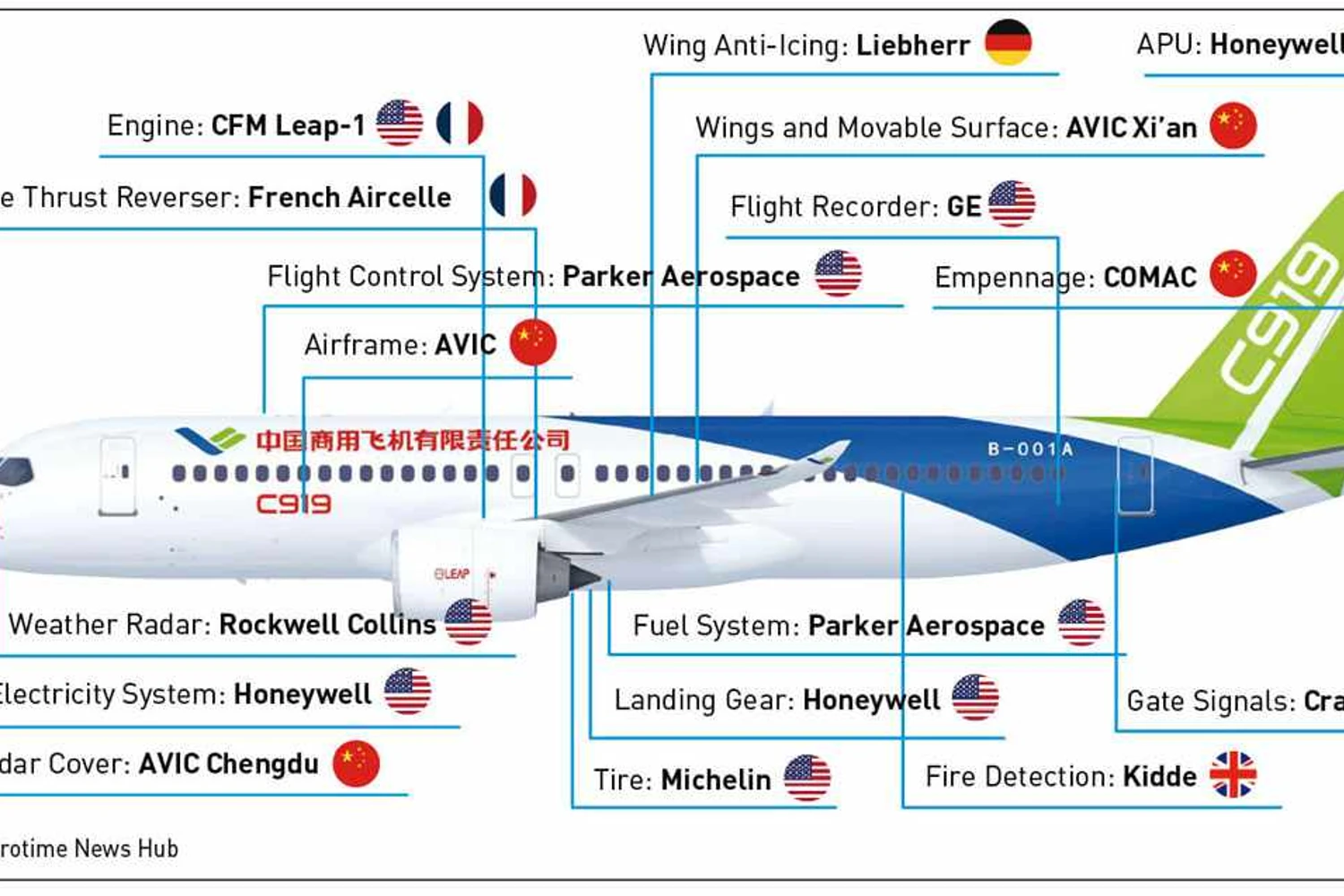
Zhang acknowledged that China still depends on a relatively small group of US and European suppliers for some advanced aerospace materials.
The geopolitical dimension is difficult to ignore. Restrictions imposed by the United States on exports of aerospace technology have previously exposed how dependent Chinese commercial aircraft programs remain on foreign equipment. Developing alternative suppliers gives COMAC greater control over its production chain and reduces the potential impact of future export restrictions.
The same objective is visible in propulsion. China is developing the AECC CJ-1000A as a domestic alternative to the LEAP-1C, although the Chinese engine remains under development and the C919 continues to rely on CFM powerplants.
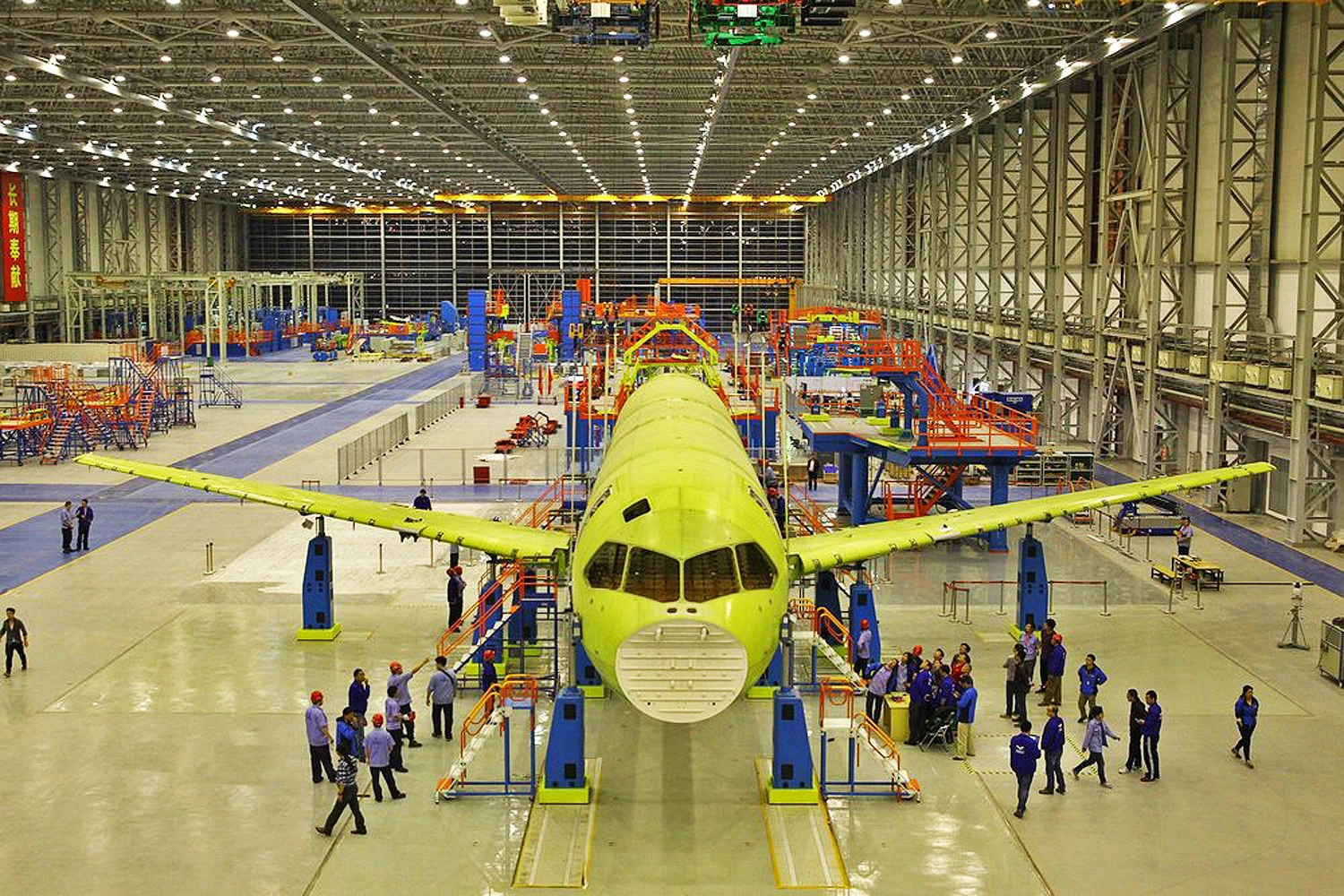
Reducing dependence without disrupting the European certification
Replacing components on a certified commercial aircraft presents another problem: every significant change potentially affects its approved configuration.
The Chinese strategy therefore appears to be evolutionary rather than an attempt to redesign the C919 around domestic systems at once.
Zhang said the development of Chinese alternatives should not interfere with COMAC’s effort to obtain European certification for the C919, which remains underway with the European Union Aviation Safety Agency.
The localization drive also comes as COMAC faces pressure to accelerate C919 deliveries. Chinese airlines have accumulated large orderbooks for the aircraft, while additional carriers have publicly expressed interest in acquiring it.
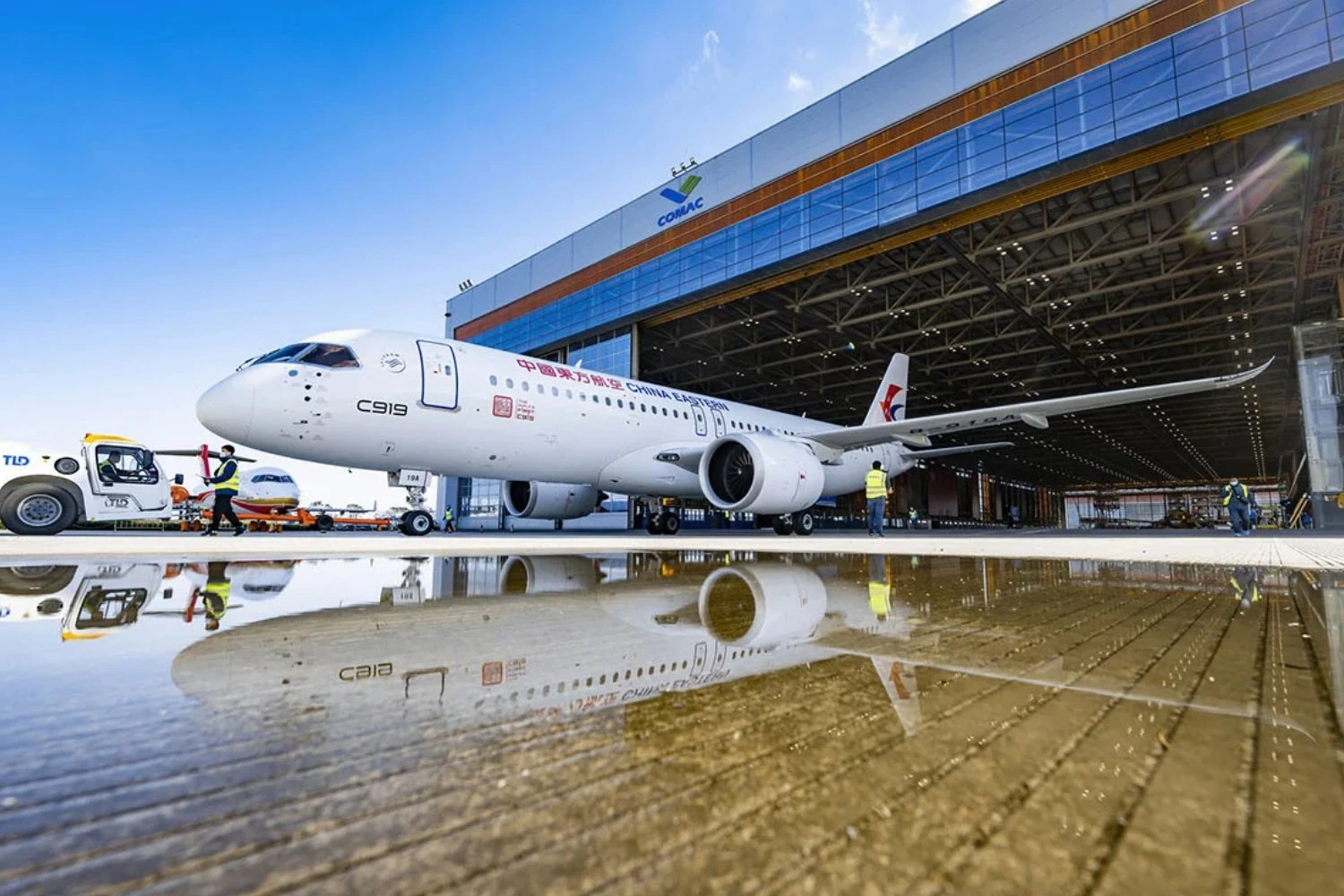
Production, however, remains far below the levels reached by Airbus and Boeing. Supply-chain constraints are among the challenges COMAC must overcome if it wants to substantially increase output.