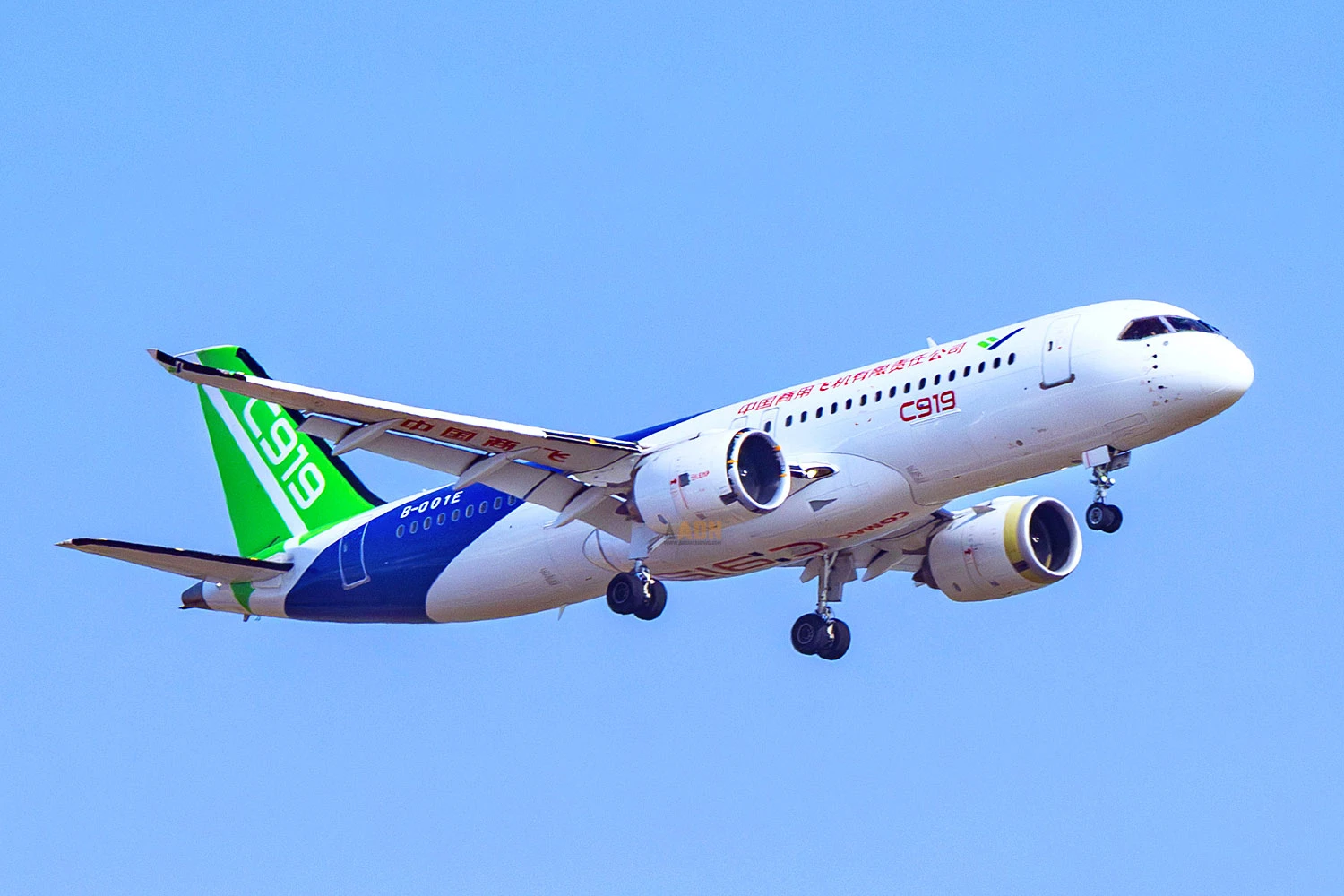
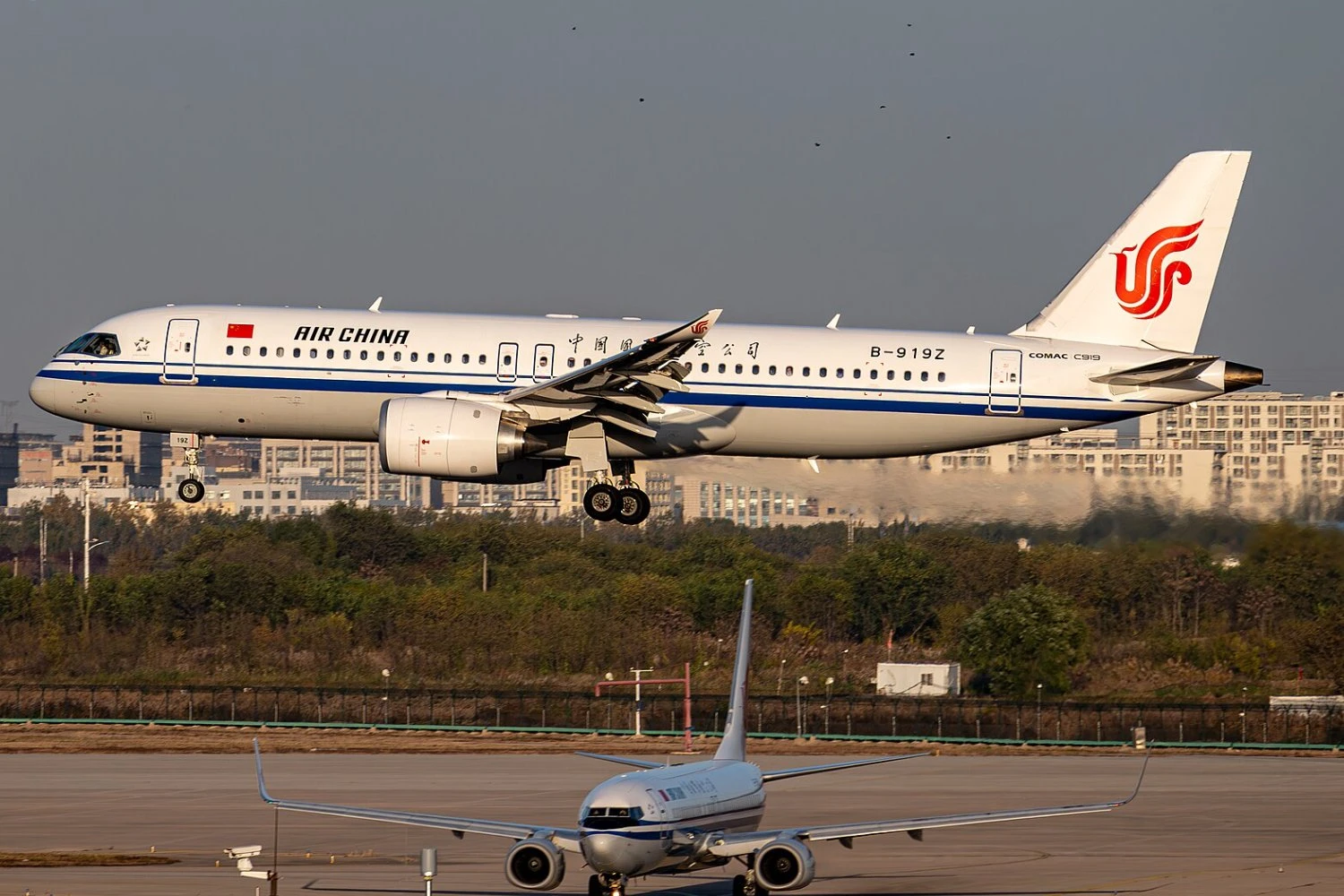
Two more Chinese airlines have publicly expressed interest in operating the COMAC C919, adding to a growing list of potential customers that the manufacturer is currently unable to supply at the pace it had planned.
Shenzhen Airlines and Loong Air discussed the Chinese narrowbody during an aviation forum in Guangzhou last week, according to the South China Morning Post (SCMP). Both carriers currently rely on Western-built aircraft and have yet to order the C919.
Shenzhen Airlines deputy president Xiong Taotao was particularly direct about the problem. He said the airline hopes to operate the C919 in the near future, but cited supply-chain difficulties and production speed as obstacles.
Executives from Loong Air also expressed what the SCMP described as "strong interest" in adding the aircraft as the Hangzhou-based carrier expands its fleet.
Related news
September 09, 2026
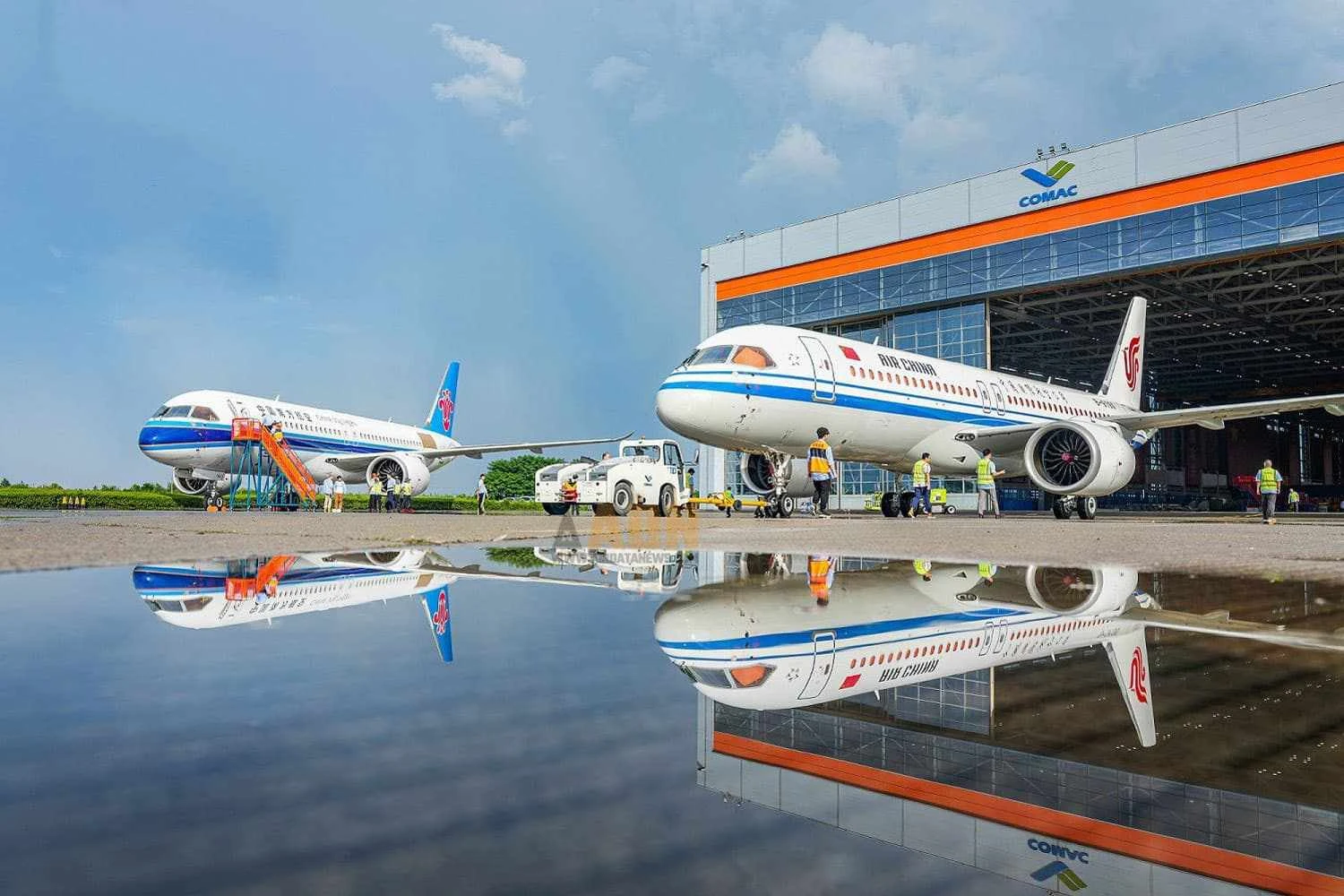
The comments point to an unusual situation for COMAC. Finding prospective operators for the C919 inside China is unlikely to be its biggest challenge. The aircraft is a major industrial program backed by Beijing, and Chinese airlines are encouraged to adopt domestically produced equipment as the country seeks to reduce its dependence on Airbus and Boeing.
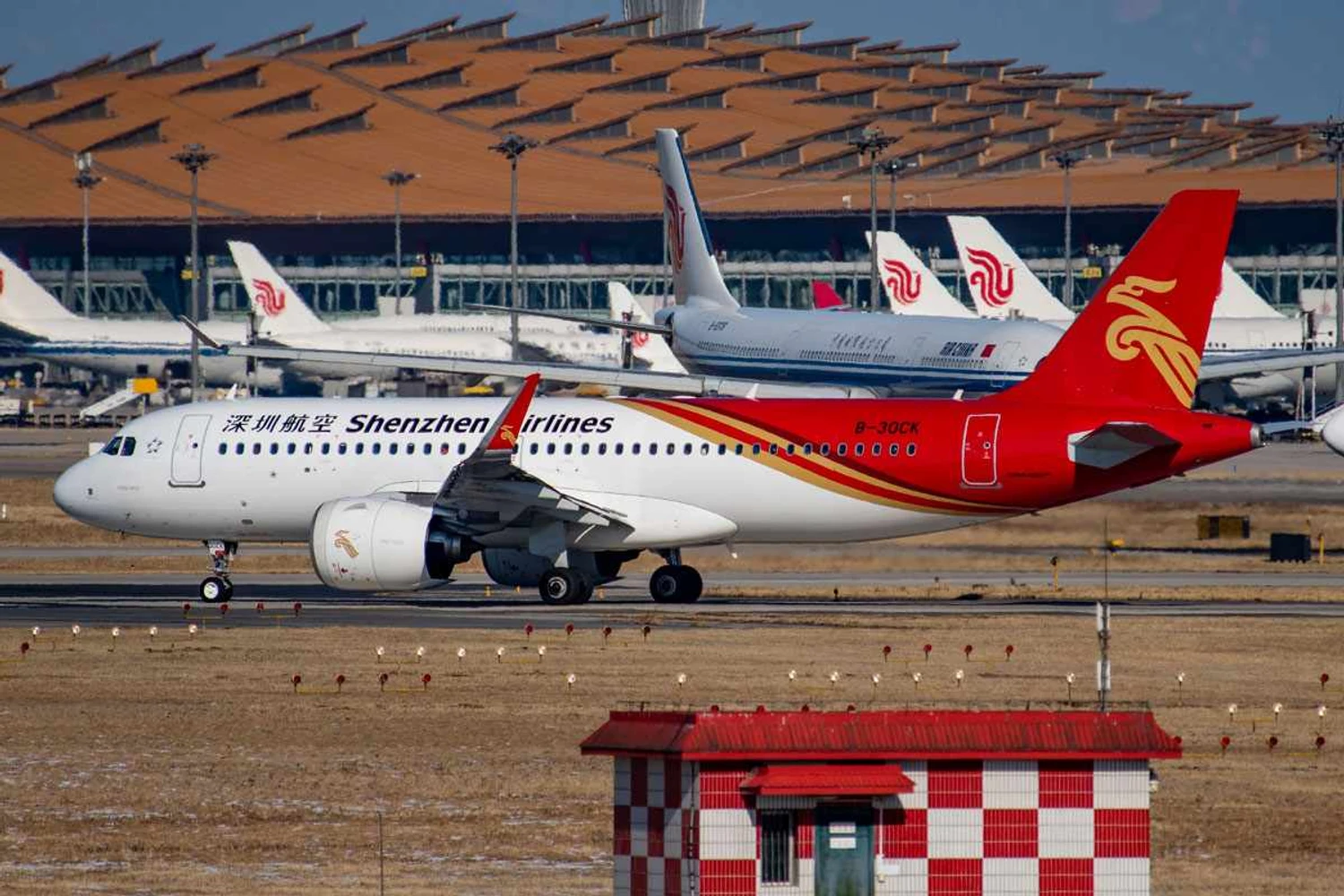
Shenzhen Airlines is itself state-controlled. Air China owns 51% of the carrier, while its other shareholders are also connected to state entities and the Shenzhen municipal government.
Loong Air has a different ownership structure. It was established as a private airline and remains under private control, although state-owned investors have acquired significant stakes in the company.
In either case, interest in the C919 cannot be viewed simply as the result of a conventional commercial competition between COMAC, Airbus and Boeing. Chinese industrial policy has created a large potential home market for the aircraft before COMAC has developed the capacity to serve it.
Production remains the bottleneck
That imbalance has become increasingly apparent as COMAC struggles to raise C919 production.
The SCMP reported that industry executives at the Guangzhou forum pointed to shortages of components and limitations in the supply chain, with the problems potentially extending beyond aircraft engines.
The C919 remains heavily dependent on foreign equipment despite being assembled in China. Its CFM International LEAP-1C engines are produced by the GE Aerospace-Safran joint venture, while several important systems come from Western suppliers.
COMAC has repeatedly outlined ambitious production targets, but actual deliveries have remained far below the volumes required to materially change the composition of China's airline fleets.
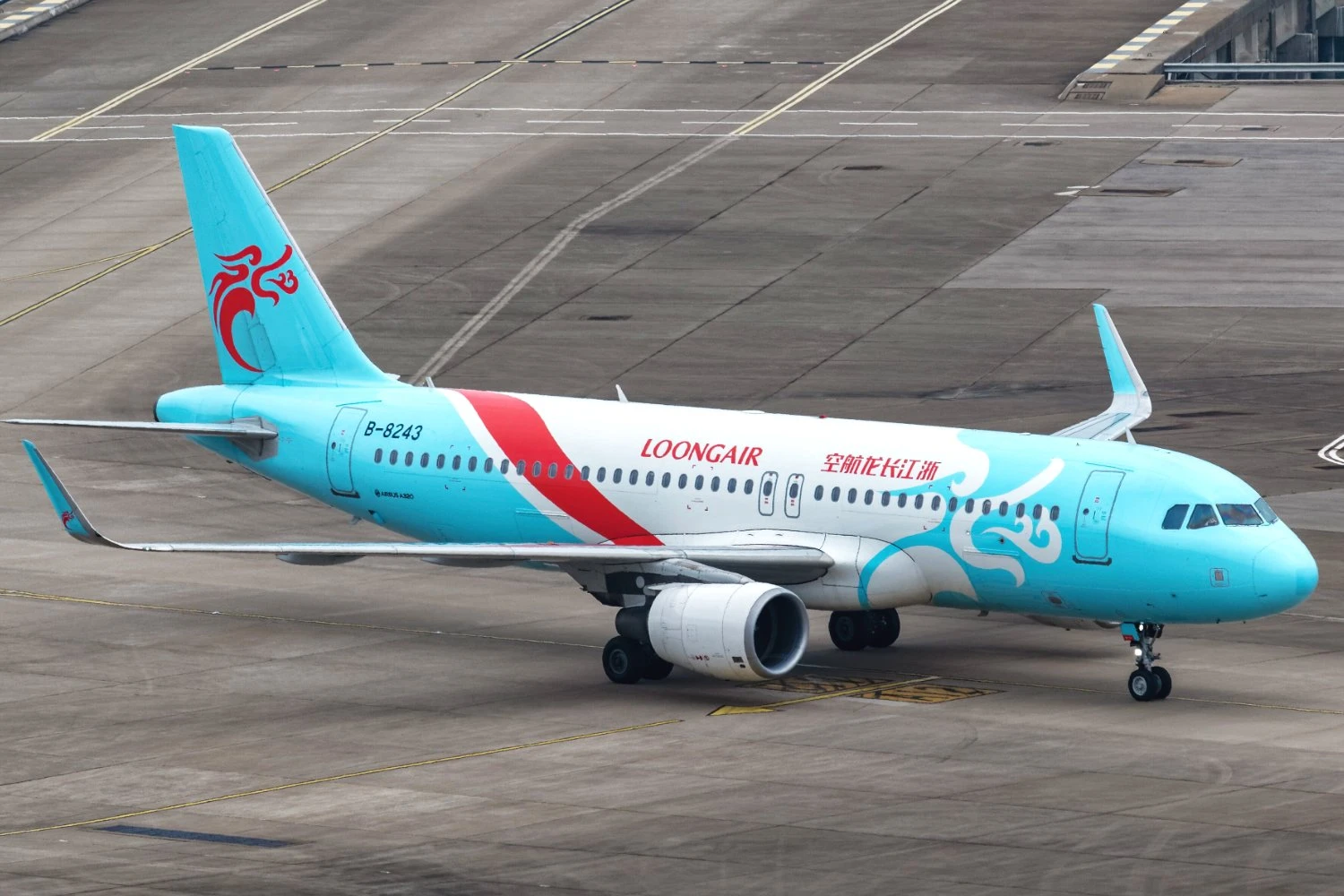
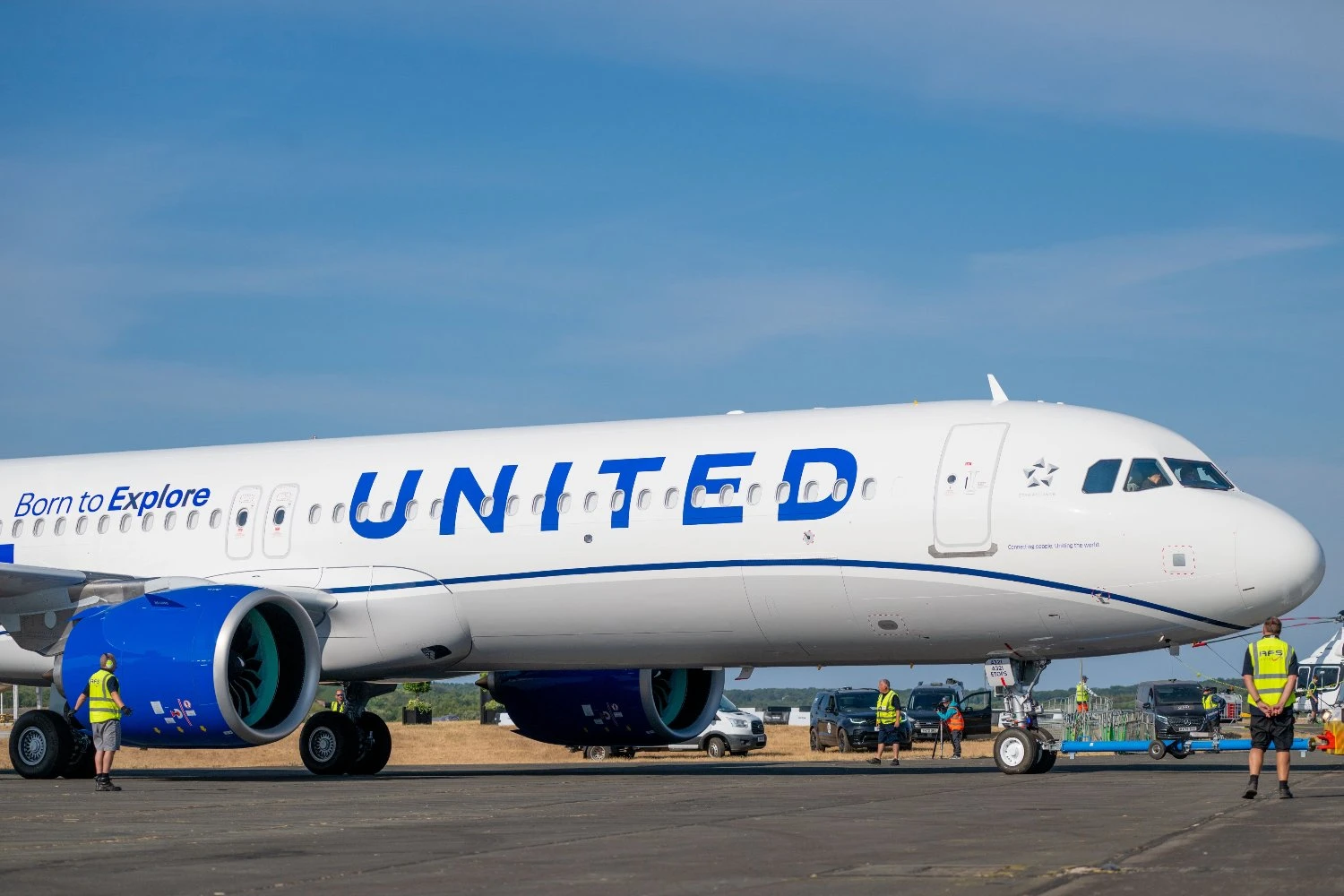
This leaves Chinese carriers continuing to acquire Western narrowbodies, particularly Airbus A320neo-family aircraft. Airbus also operates a final assembly line in Tianjin and is expanding its industrial capacity in China.
For Shenzhen Airlines, the dependence is particularly visible. The carrier has a large Airbus fleet alongside Boeing 737s and needs considerably more aircraft than COMAC could currently provide it.
Loong Air also operates predominantly Airbus narrowbodies. Adding the C919 would diversify its fleet, but its executives' comments suggest that availability rather than willingness may determine when that can happen.
The distinction matters for COMAC's progress. A long list of airlines interested in receiving the C919 says relatively little about its ability to compete with Airbus and Boeing if those aircraft cannot be delivered.