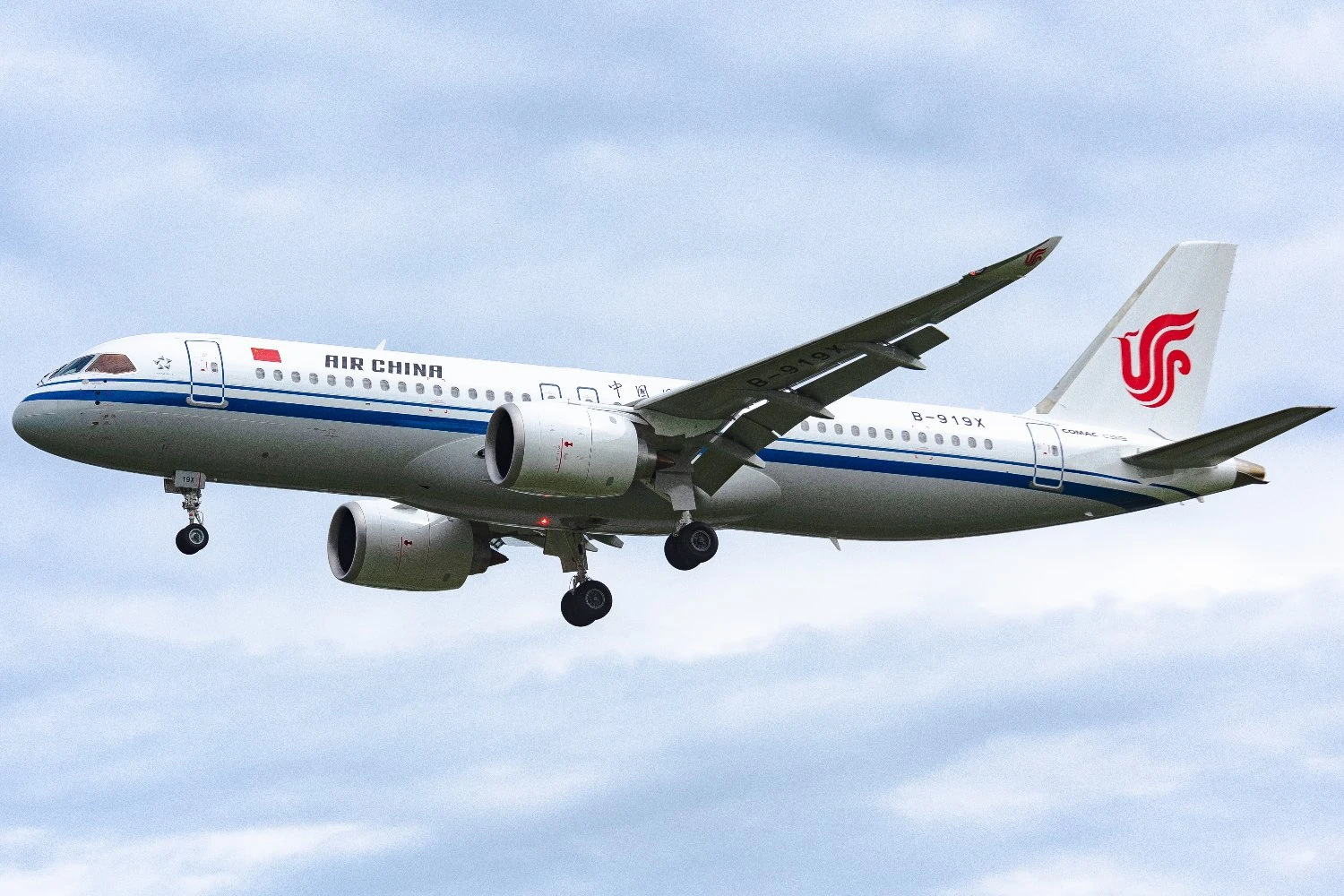
China's commercial aviation fleet is ageing faster than airlines are replacing aircraft, creating pressure for additional narrowbody deliveries at a time when production of the country's domestically built COMAC C919 remains below expectations.
Speaking at the IATA Annual General Meeting in Rio de Janeiro, Xie Xingquan, the association's regional vice president for North Asia, said replacement rates have failed to return to pre-pandemic levels despite recent aircraft orders from Airbus and Boeing.
Related news
September 09, 2026
According to Xie, the number of aircraft older than 20 years has been growing faster than new deliveries since 2020, raising the average age of China's fleet and increasing maintenance and operating costs for airlines.
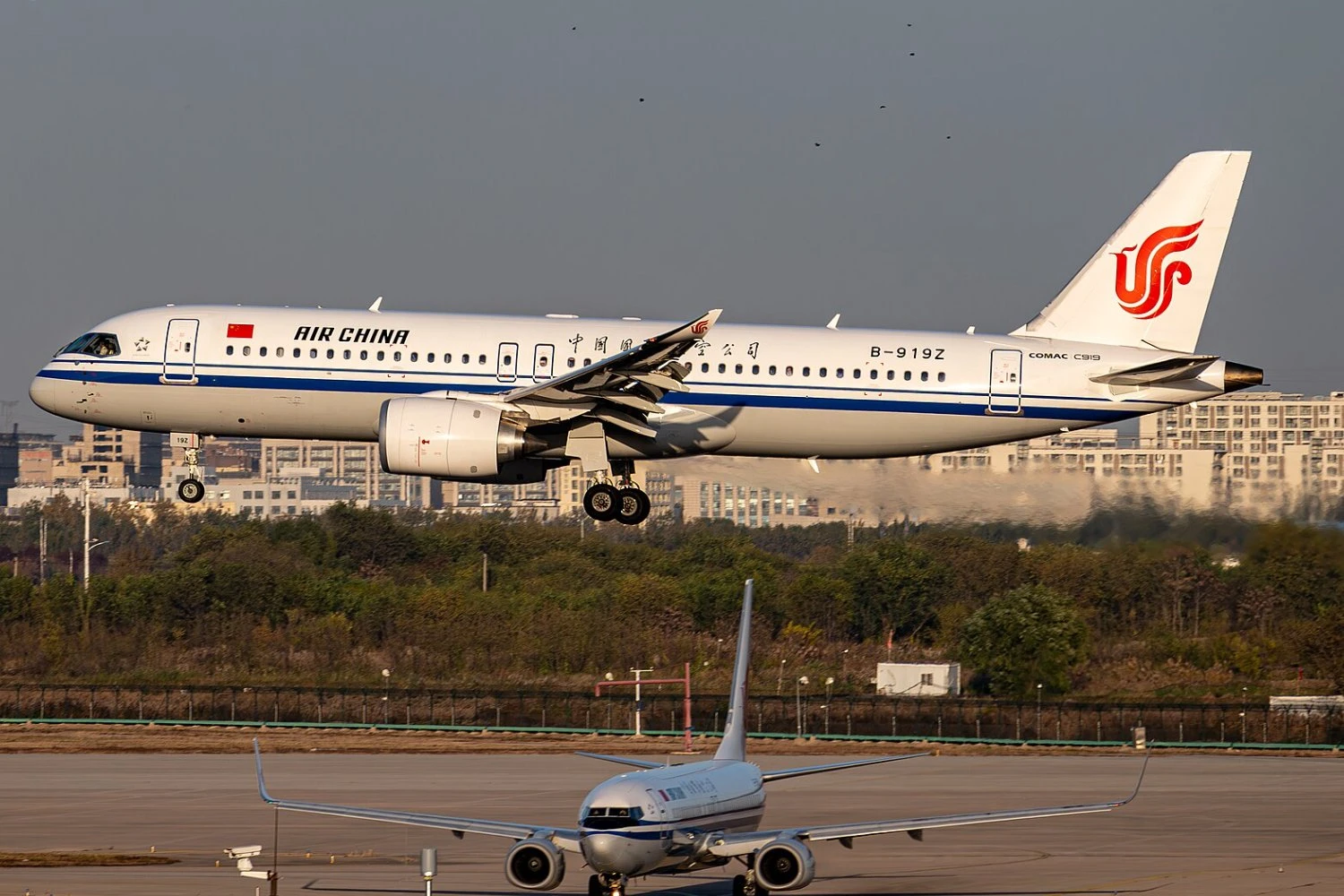
The situation could create a larger role for the C919, China's answer to the Airbus A320neo and Boeing 737 MAX. However, production of the aircraft continues to expand more slowly than originally envisioned.
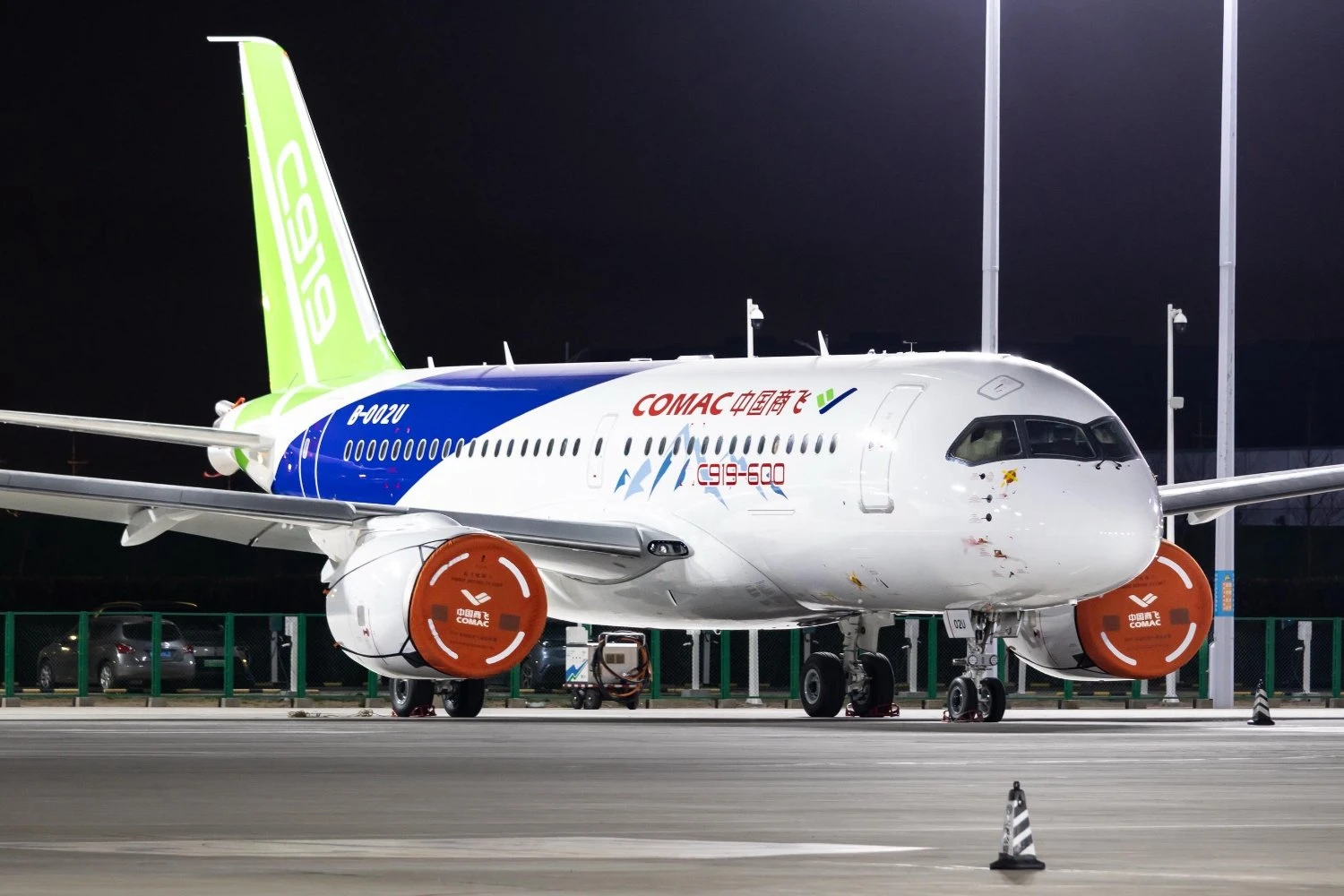
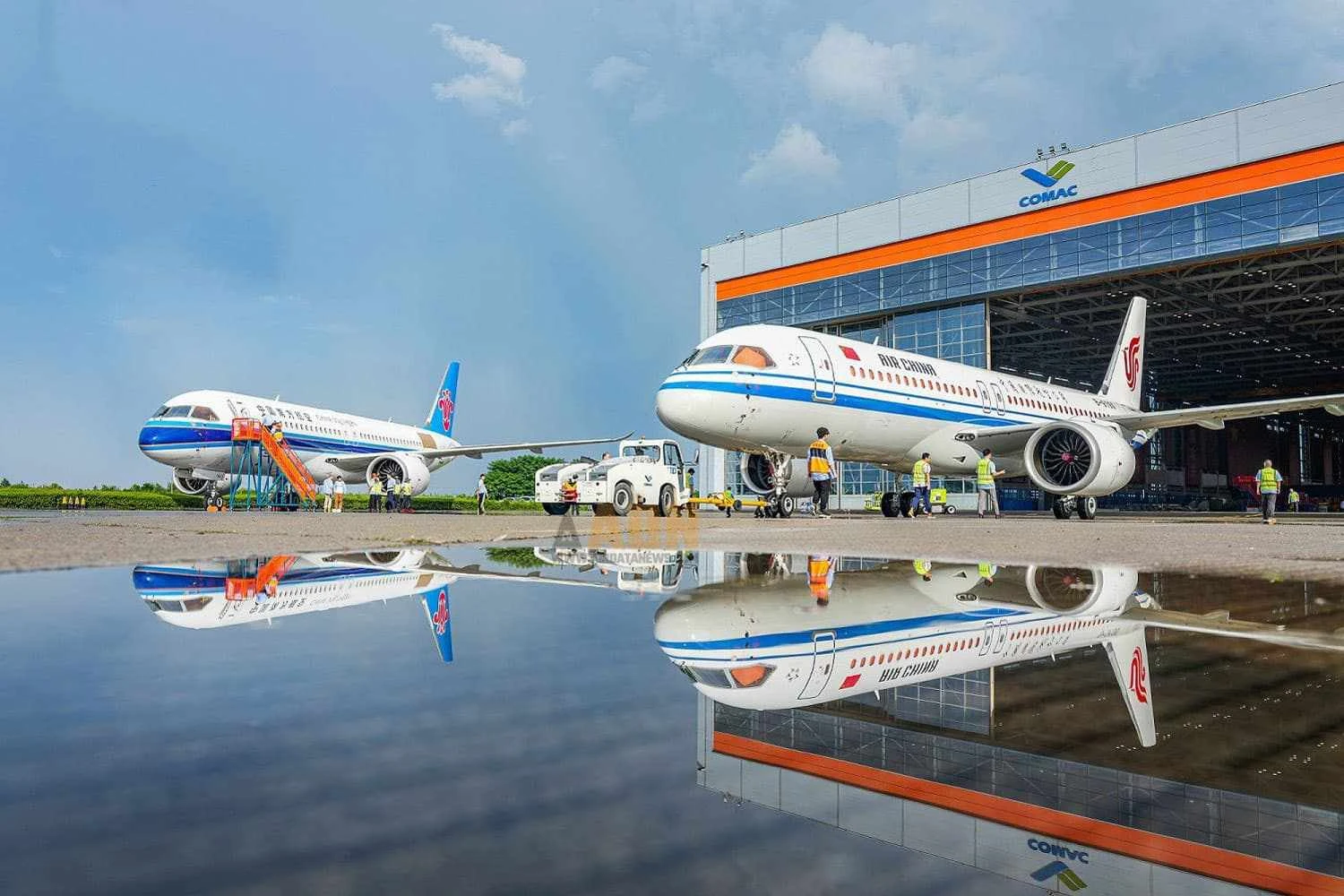
COMAC delivered six C919s between January and May, bringing the total number of aircraft handed over since the program entered service in late 2022 to 38. One of those aircraft is used for demonstration activities, leaving 37 in airline service.
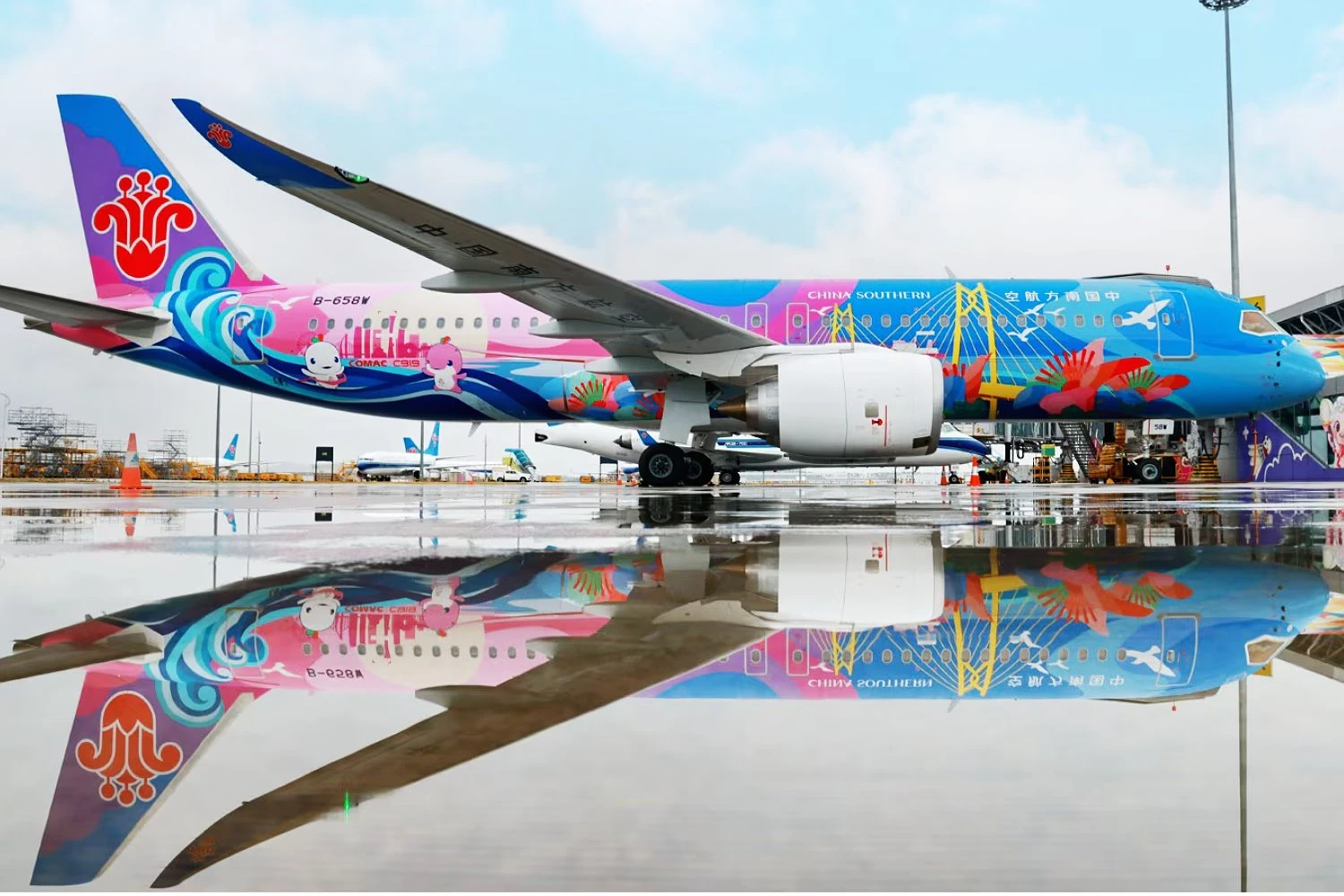
China Eastern Airlines remains the largest operator with 16 aircraft, followed by Air China with 11 and China Southern Airlines with 10.
The delivery pace remains well below the levels needed to significantly influence China's narrowbody market, which is dominated by thousands of Airbus and Boeing aircraft.
At the same time, Chinese authorities and aerospace companies are expanding domestic maintenance capabilities for the C919 and the smaller C909 regional jet. Recent milestones include the first Chinese maintenance center authorized to support the LEAP-1C engine that powers the C919 and new overhaul capabilities for components used on COMAC aircraft.
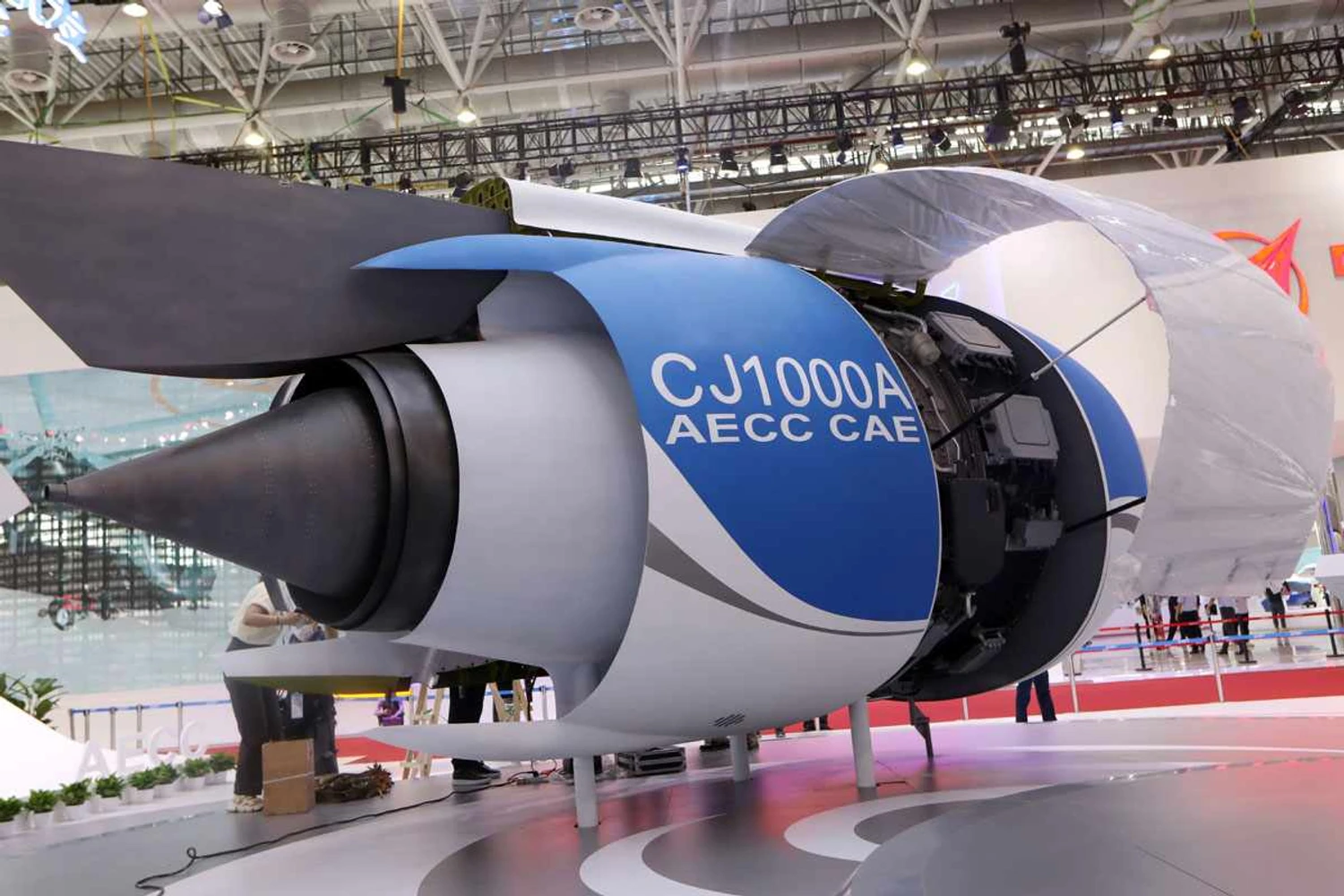
The effort follows supply chain disruptions that affected C919 production during the past two years and highlighted China's dependence on foreign suppliers.
Although the United States later resumed export approvals for LEAP engines, the episode reinforced concerns about the program's reliance on Western technology.
China is developing the CJ-1000A turbofan as a future domestic alternative to the LEAP-1C. However, despite frequent references to the project in Chinese media, there has been no recent official update regarding certification, entry-into-service plans or a timeline for its introduction on production C919 aircraft.
For now, the challenge facing China's aviation sector is twofold: replacing an ageing commercial fleet while simultaneously increasing production and support capabilities for the country's first domestically developed narrowbody airliner.