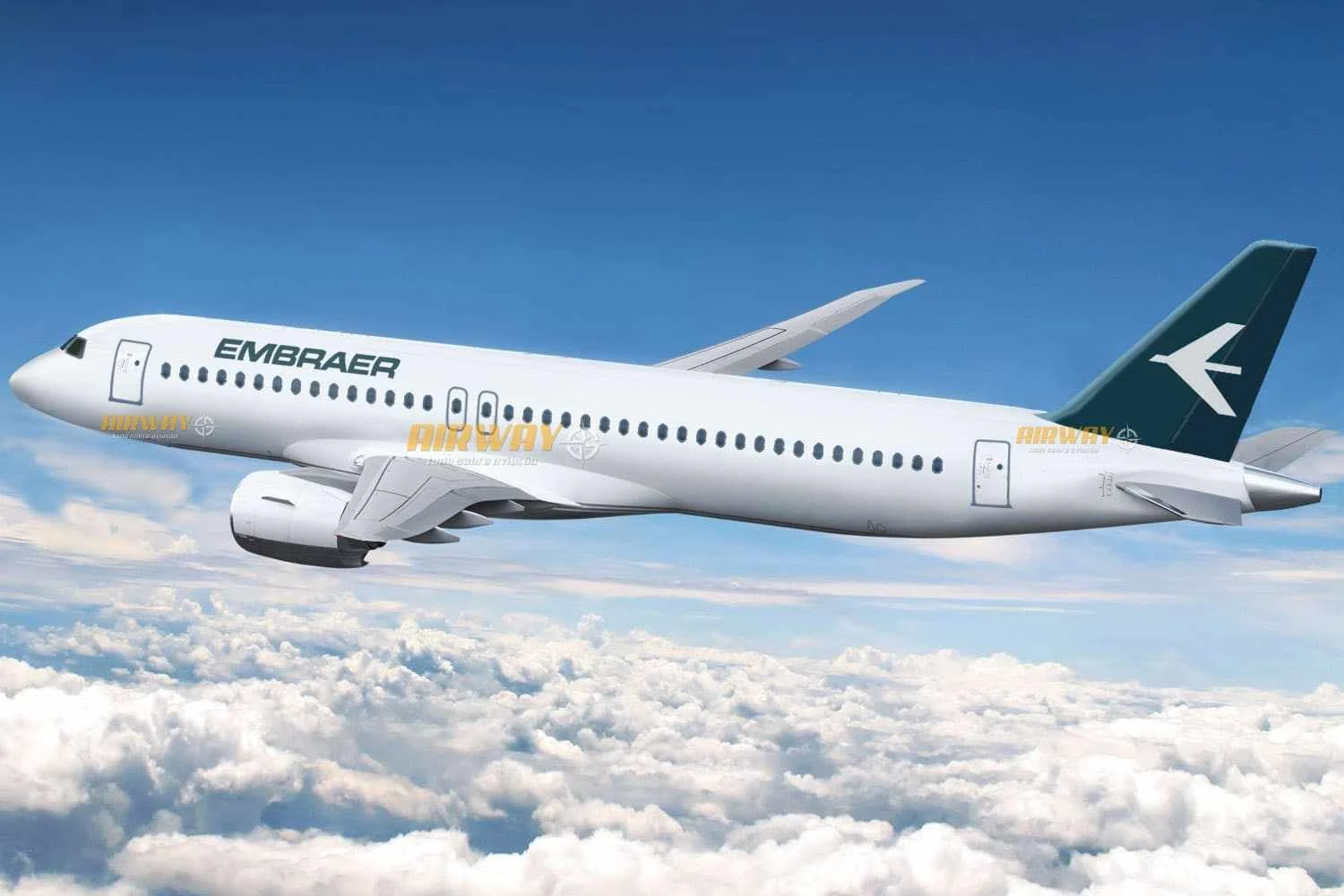
Airbus Chief Executive Guillaume Faury said Embraer should "think twice" before entering the narrowbody aircraft market, arguing that competing against Airbus, Boeing and COMAC would be a difficult and costly undertaking.
Speaking to Aviation Week, Faury was asked about recurring speculation that Embraer could eventually develop a larger aircraft to compete with the Airbus A320neo and Boeing 737 MAX families.
"It's for them to answer. It's a tough call. Obviously, entering this market, having Boeing, Airbus and now COMAC coming, is not easy. I would think twice. I think it is a big risk," Faury said.
The comments come as Embraer continues to study its next aircraft program. The Brazilian manufacturer has repeatedly said it has not decided whether its next clean-sheet project will be a commercial, business or military aircraft. Company executives have also acknowledged that a larger commercial jet would likely require industrial partners or outside investors to share development costs and financial risks.

Today, Embraer's largest commercial aircraft is the E195-E2, typically configured with 132 to 136 seats, although it can accommodate up to 146 passengers. Moving into the narrowbody segment would mean competing against aircraft such as the Airbus A320neo and Boeing 737 MAX, which usually seat around 170 to 180 passengers and can exceed 200 seats in high-density layouts.
Developing a narrowbody aircraft would also require much more than designing a larger jet. It would mean expanding production capacity, building a broader supplier network and competing in a market long dominated by Airbus and Boeing, while China's COMAC is gradually increasing C919 deliveries.
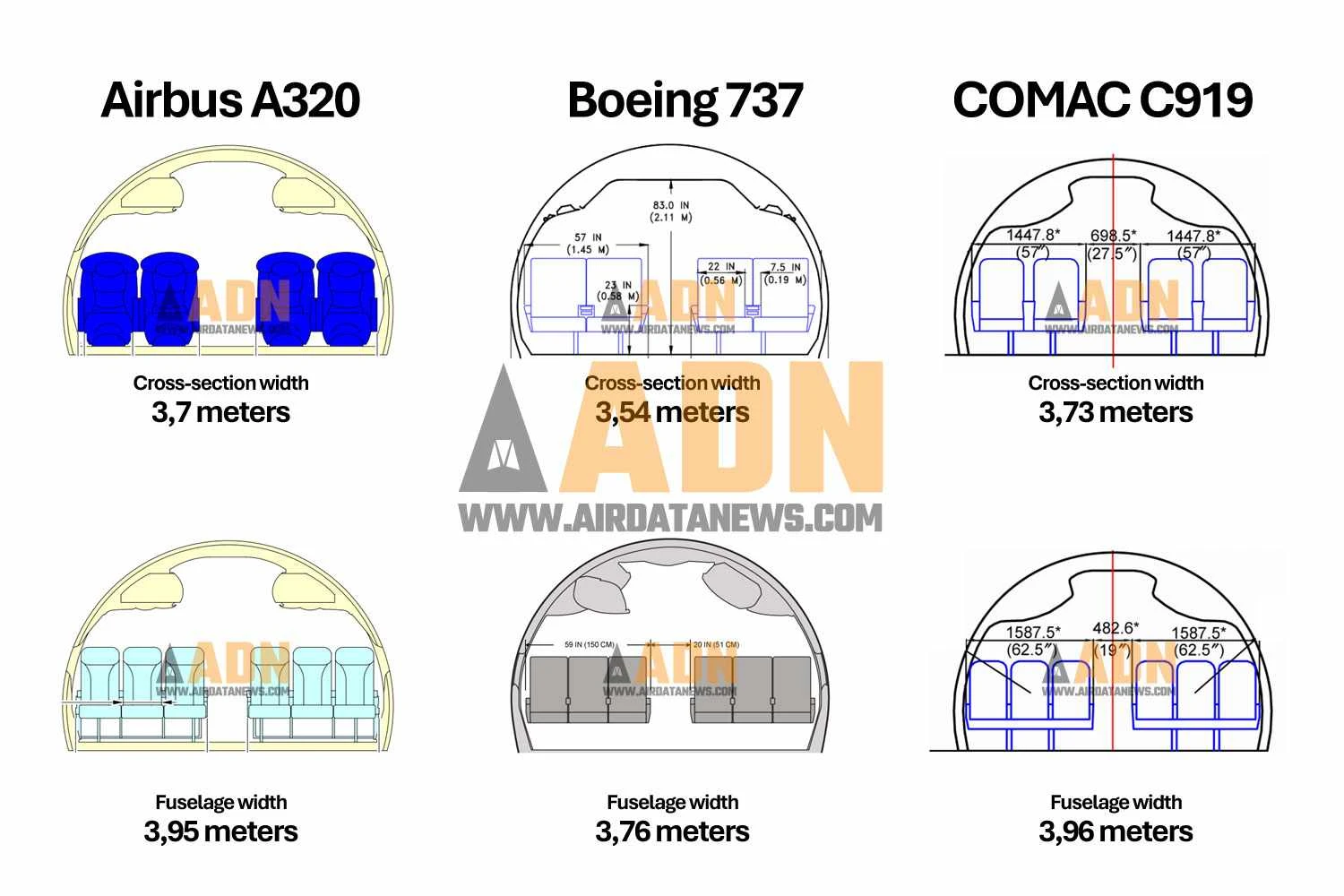
At the same time, Airbus and Boeing continue to face production constraints, with airlines often waiting several years for deliveries of new single-aisle aircraft. Those delays have fueled recurring debate over whether another manufacturer could enter the segment and offer airlines an alternative.
Another challenge is deciding what the next generation of single-aisle aircraft should look like. CFM International continues to develop its open-fan RISE demonstrator, while Airbus is evaluating alternative airframe concepts, including blended-wing-body technology with JetZero.
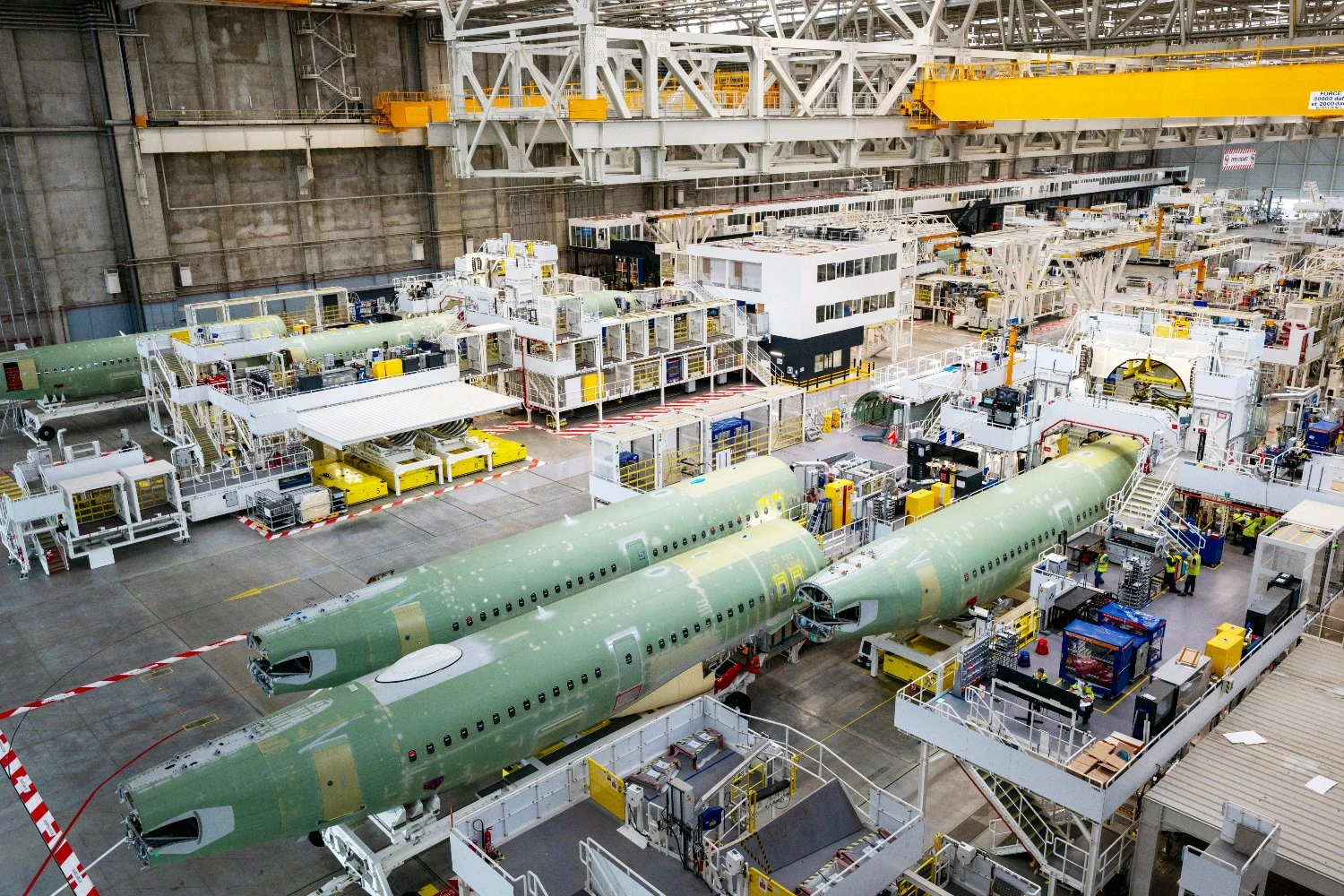
Until those technologies mature, both Airbus and Boeing continue to ramp up production of the A320 and 737 families instead of launching all-new aircraft.
Faury's remarks came as Airbus confirmed it remains on track to launch the successor to the A320 around 2030, with entry into service planned for the second half of the 2030s.