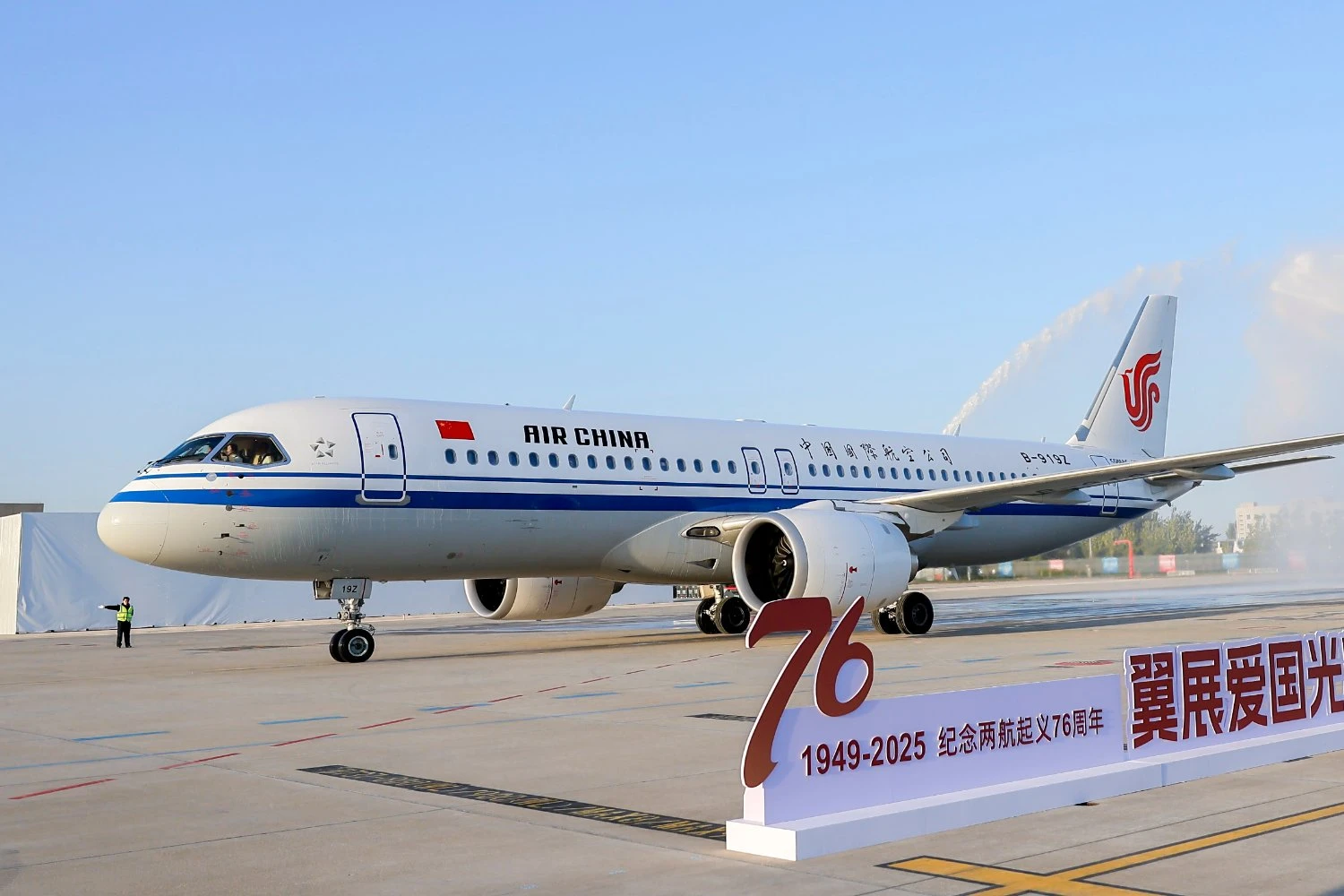
China has delayed approvals for Airbus aircraft deliveries and technical documentation, according to industry sources cited by Bloomberg. The move comes as Beijing intensifies efforts to secure European Union Aviation Safety Agency (EASA) certification for the domestically produced COMAC C919, a narrowbody jet that aims to compete with the Airbus A320neo family.
The approval freeze, which began in recent weeks, has affected paperwork for new aircraft entering service and spare-part certifications. This has introduced additional uncertainty to Airbus’s delivery schedule in China, a key market for the European manufacturer. The delays coincide with persistent trade tensions between China and the European Union, including disputes over electric vehicle tariffs and market access.
COMAC has been working for several years to obtain EASA type certification for the C919, which is required for sales to airlines outside China. EASA has increased its presence in Shanghai to support the certification process, but progress remains slow. The C919 has yet to receive approval, limiting its international market potential.
Related news
September 17, 2026
September 17, 2026
Production of the C919 has also faced setbacks. COMAC delivered only six aircraft this year, with output constrained by labor shortages and reliance on Western suppliers. These challenges have hindered efforts to scale up manufacturing and meet potential demand.
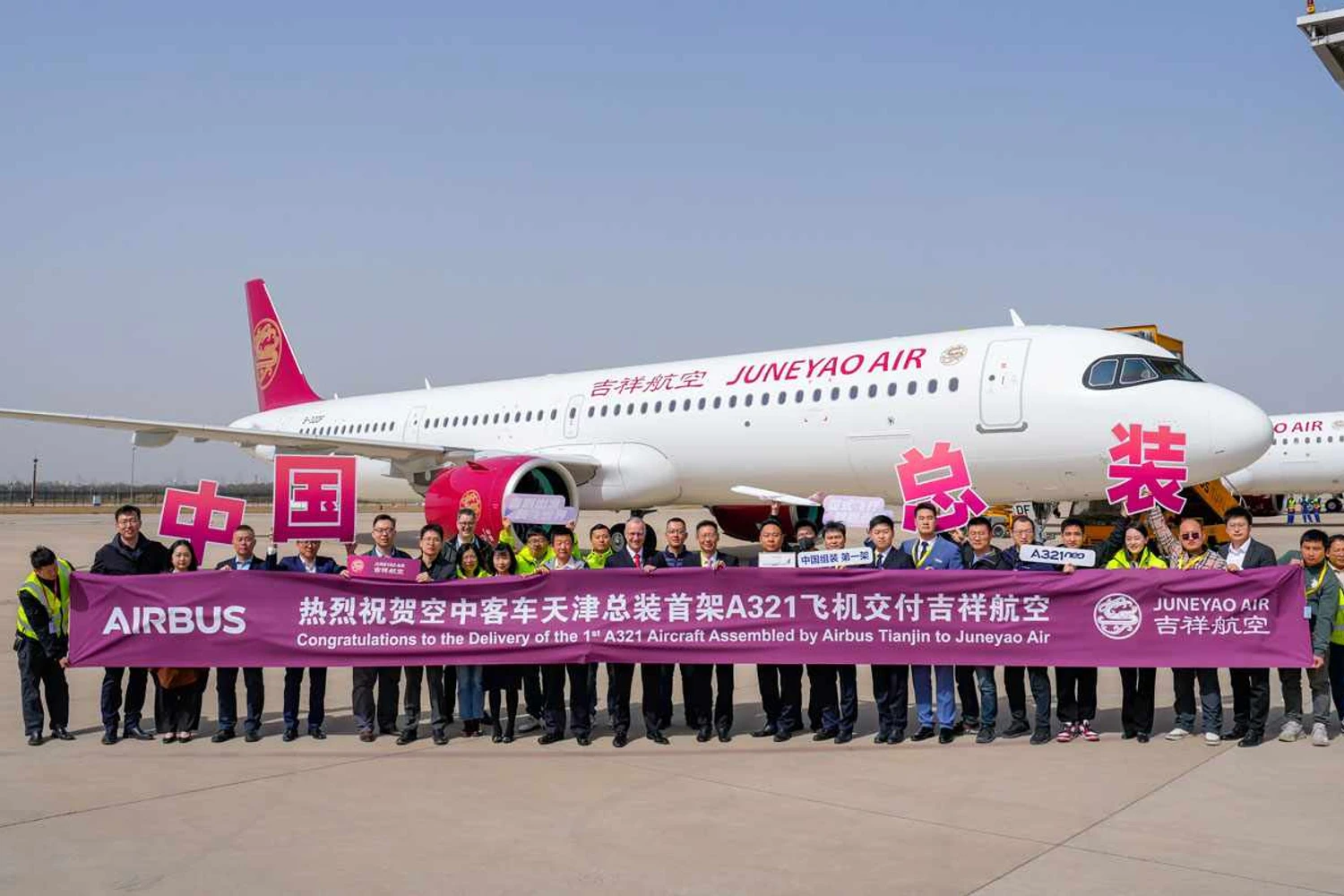
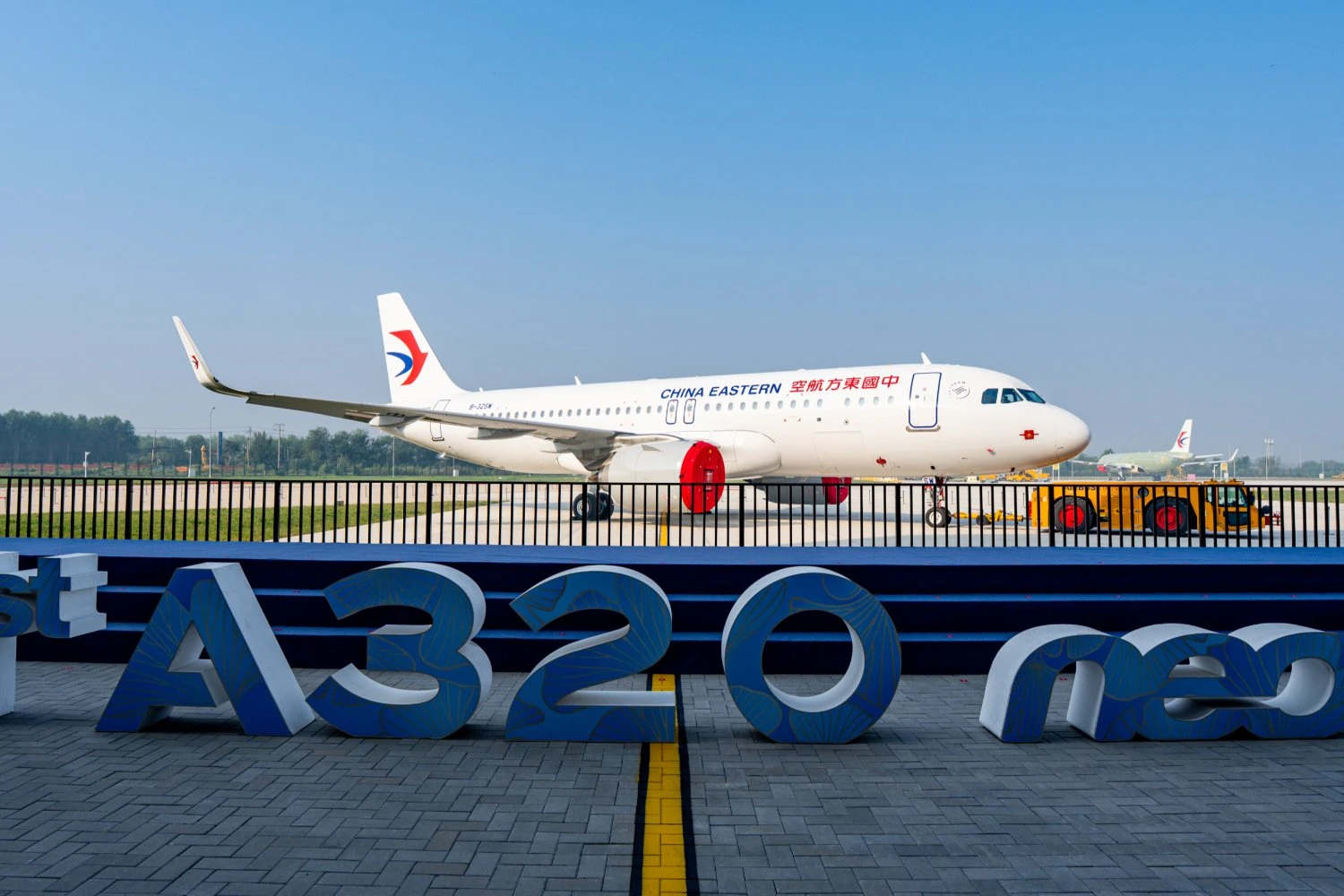
Meanwhile, Airbus continues to expand its footprint in China. The company operates a final assembly line in the country and has secured a series of large orders from Chinese airlines. Recent deals include China Southern’s order for 137 A320neo-family jets and China Eastern’s agreement for 101 A320neo aircraft, valued at $15.8 billion.
Boeing, by contrast, has faced limited access to the Chinese market in recent years. The US manufacturer recently broke a nearly decade-long impasse with a preliminary agreement for 200 aircraft, though the customer has not been disclosed and the deal remains unsigned.
While the current regulatory slowdown is not expected to cause immediate financial harm to Airbus, which holds a significant backlog of Chinese orders, it introduces additional political risk. The pattern of linking regulatory processes to broader diplomatic issues has been observed in previous disputes involving both Airbus and Boeing.
The situation highlights the complex interplay between industrial policy, international trade, and the ambitions of China’s domestic aerospace sector as it seeks to establish the C919 as a viable alternative to established Western models.