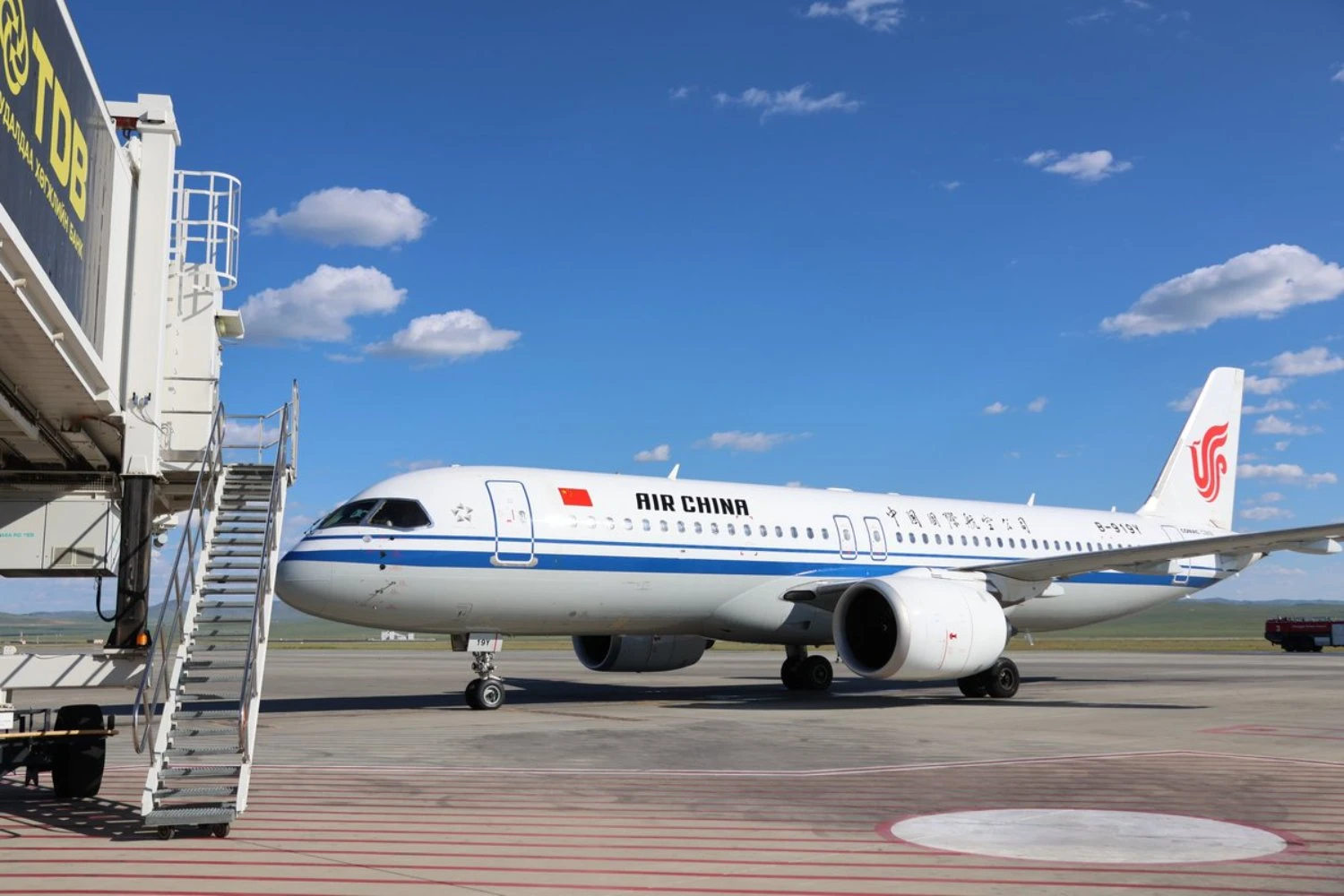
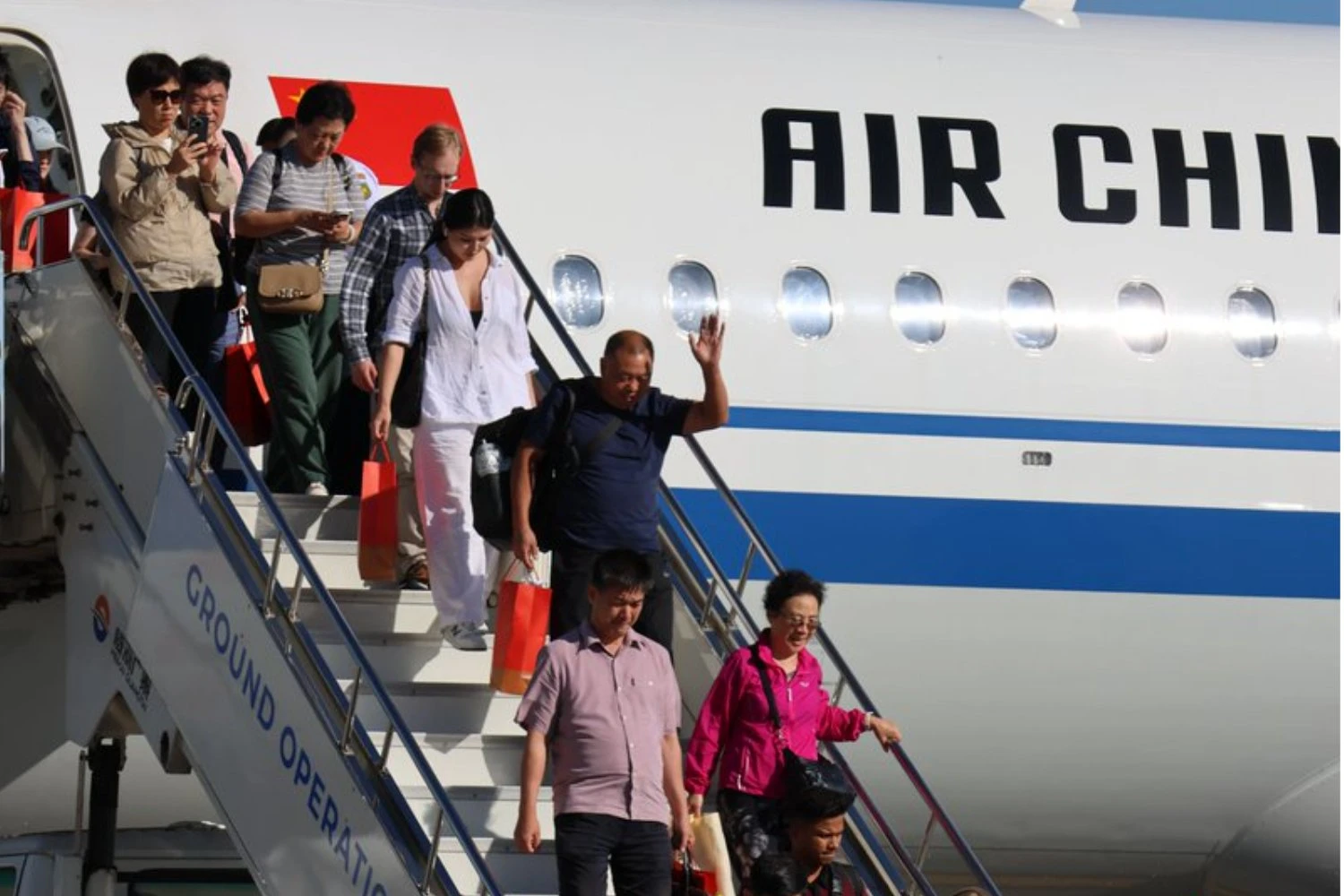
Air China’s first international commercial flight with a COMAC C919 on Wednesday generated another round of headlines portraying the Chinese jet as a growing threat to Airbus and Boeing.
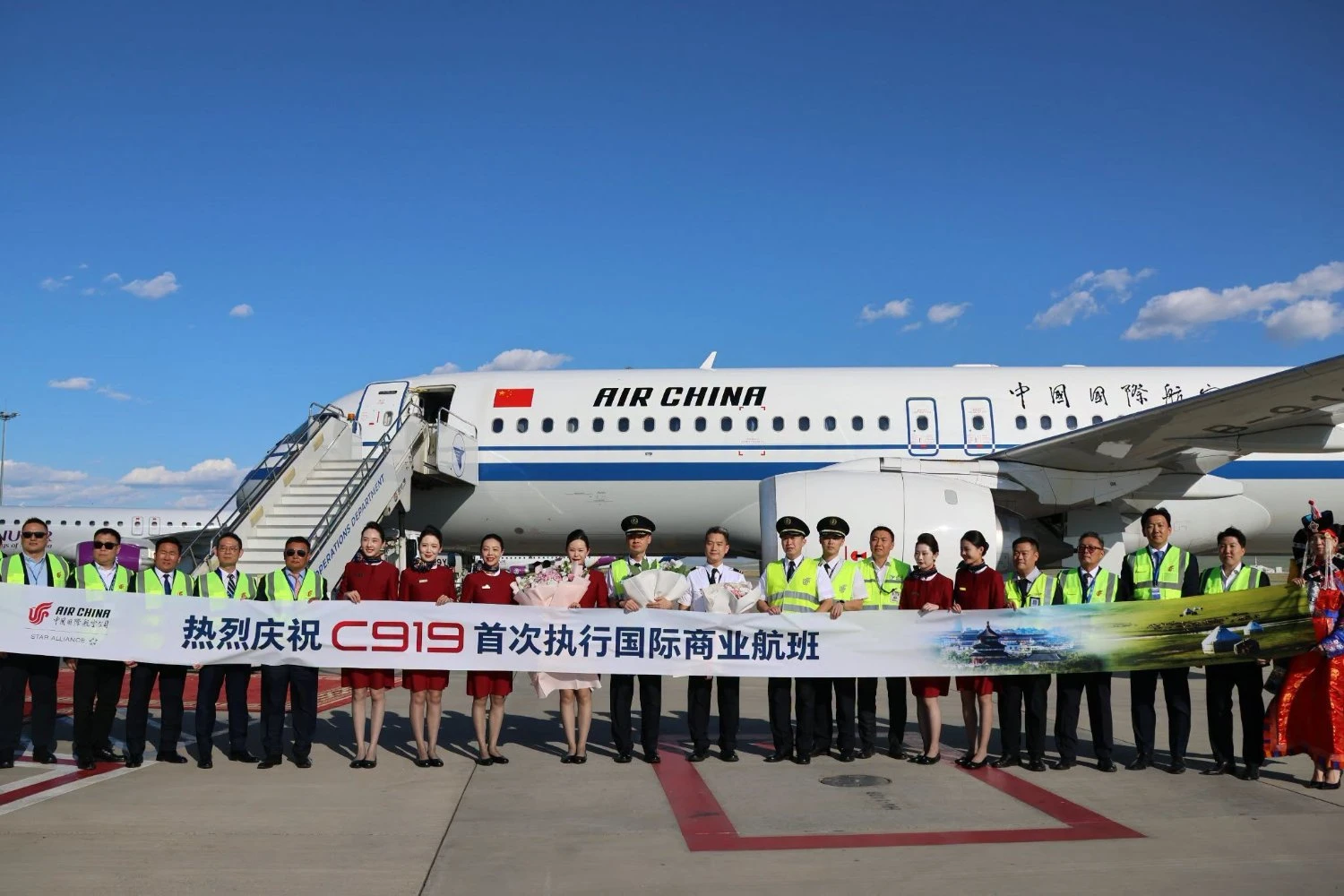
The flight from Beijing to Ulaanbaatar, Mongolia, was certainly significant. For the first time since entering commercial service in 2023, a C919 carried passengers on a scheduled flight between China and another country.
But crossing an international border and challenging the two companies that dominate the global commercial aircraft market are very different achievements.
There is still remarkably little independent information available about the C919’s actual performance in airline service. COMAC has not provided the kind of detailed operational data that would allow meaningful comparisons with the Airbus A320neo or Boeing 737 MAX.
That makes claims in either direction difficult to support.
Is the C919 really competitive?
COMAC publishes considerably more technical data about the C919 than its limited international exposure might suggest. Its airport planning documentation provides weights, payload, fuel capacity and performance data that allow meaningful comparisons with the A320neo and 737 MAX.
What remains difficult to establish is how efficiently the aircraft performs in everyday airline service.
The C919 makes less extensive use of composite materials than the A320neo, potentially creating a structural weight disadvantage. But aircraft efficiency is the result of far more than the materials used in its airframe, and COMAC may compensate for that difference elsewhere in the design.
Publicly available data still do not provide a reliable like-for-like picture of fuel burn, dispatch reliability, daily utilization and maintenance costs. Until such figures become available from independent operators or other verifiable sources, claims that the C919 either matches or trails its Western competitors in operating efficiency remain difficult to substantiate.
Building an aircraft is only part of the business
The larger challenge for COMAC may have little to do with the basic qualities of the C919 itself.
An airline ordering 100 A320neos is not simply buying 100 aircraft. Airbus gives that customer access to a global ecosystem built over decades, including spare parts, engineering assistance, training, simulators, maintenance organizations and technical representatives across much of the world.
The same applies to Boeing.
Aircraft are expected to remain in airline fleets for 20 years or more. Purchase price matters, but so do reliability, maintenance costs, spare-parts availability, residual value and the ability to return an aircraft to service quickly after a failure.
COMAC has yet to demonstrate that it can provide this level of support outside China.
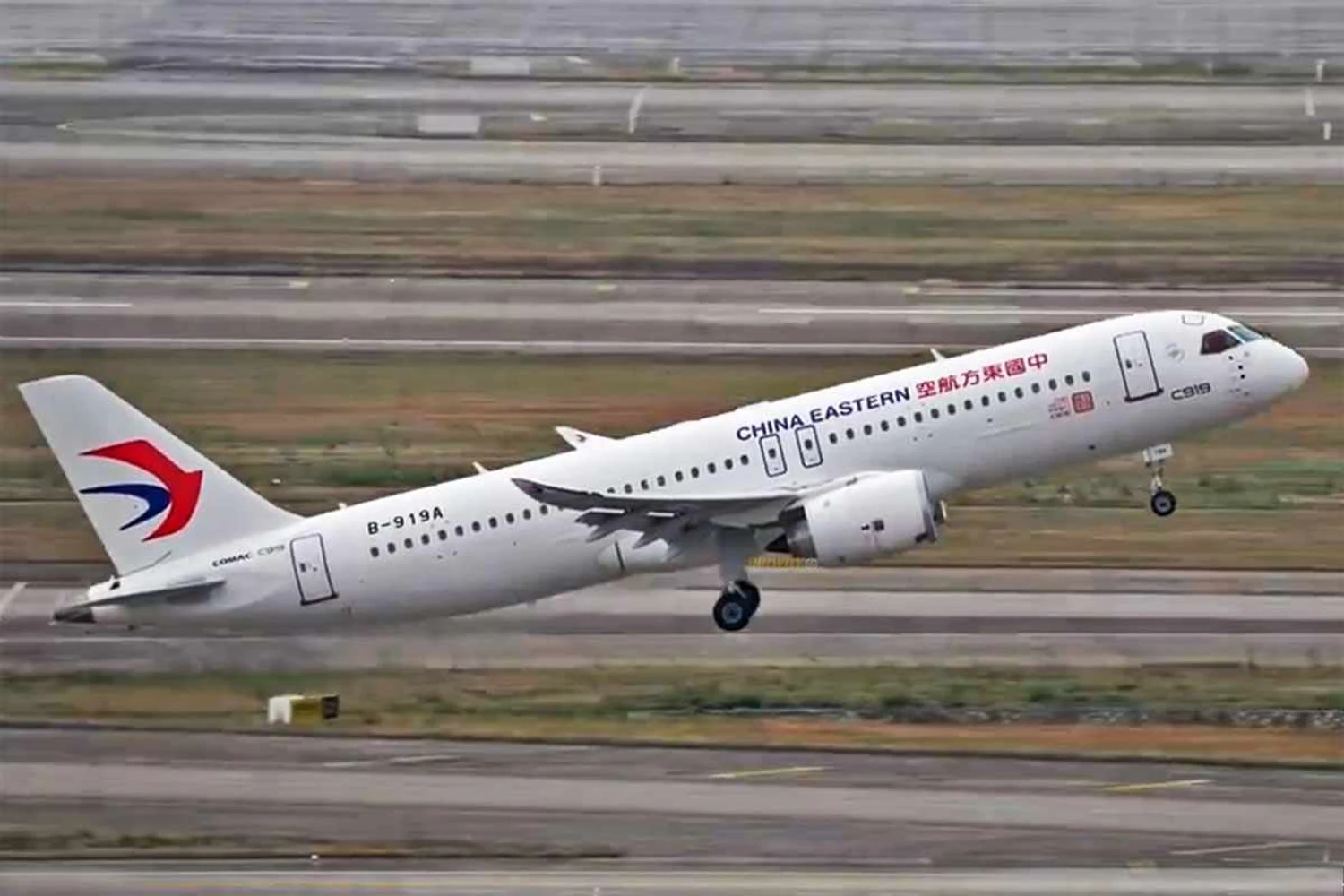
Its smaller C909, formerly known as the ARJ21, provides some international experience. The aircraft has entered service with operators outside China, particularly in Southeast Asia, but the overwhelming majority of the fleet remains tied to the Chinese market.
Some international operations also illustrate how much infrastructure COMAC still needs to develop. C909s flying for Vietjet, for example, entered service under a wet-lease arrangement involving China's Chengdu Airlines, which supplied aircraft, crews and operational support.
That is very different from selling dozens of aircraft to an independent foreign airline and supporting them for decades.
A Chinese aircraft dependent on Western suppliers
The C919 also faces another contradiction.
China developed the aircraft partly to reduce its dependence on Airbus and Boeing, yet much of the technology required to build it still comes from Western suppliers.
Its LEAP-1C engines come from CFM International, the GE Aerospace-Safran joint venture. Honeywell, Collins Aerospace, Parker Hannifin, Moog and other Western companies provide important systems and equipment.
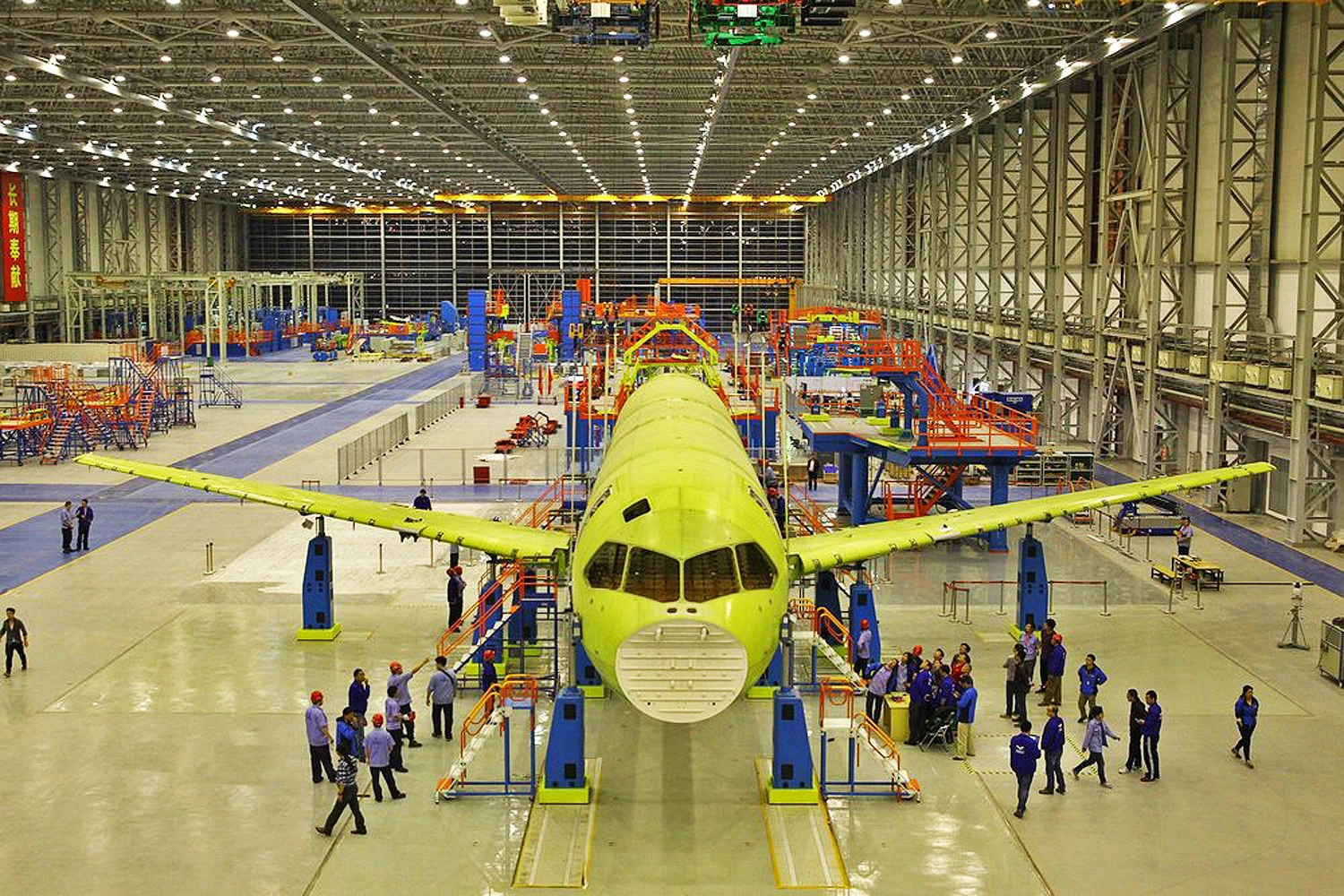
This dependence became particularly visible during the trade dispute with the United States in 2025, when Washington temporarily suspended export licenses involving technology and engines destined for COMAC.
The restrictions were later lifted, but the episode showed how geopolitical decisions made outside China can affect C919 production.
China is developing domestic alternatives, including an indigenous engine, but replacing established Western systems is not simply a matter of finding locally manufactured components. Any substitute must meet requirements for reliability, weight, fuel efficiency, durability and certification.
COMAC's biggest weakness could also become its biggest opportunity
Production remains another major obstacle.
COMAC planned a significant increase in C919 deliveries, but actual output has remained well below earlier targets. The company is still producing aircraft at a rate that is tiny compared with the A320neo and 737 MAX families.
That matters because production capacity could eventually become one of COMAC's strongest commercial arguments.
Airbus and Boeing have enormous order backlogs. Airlines placing large narrowbody orders can face waits of several years before receiving their aircraft.
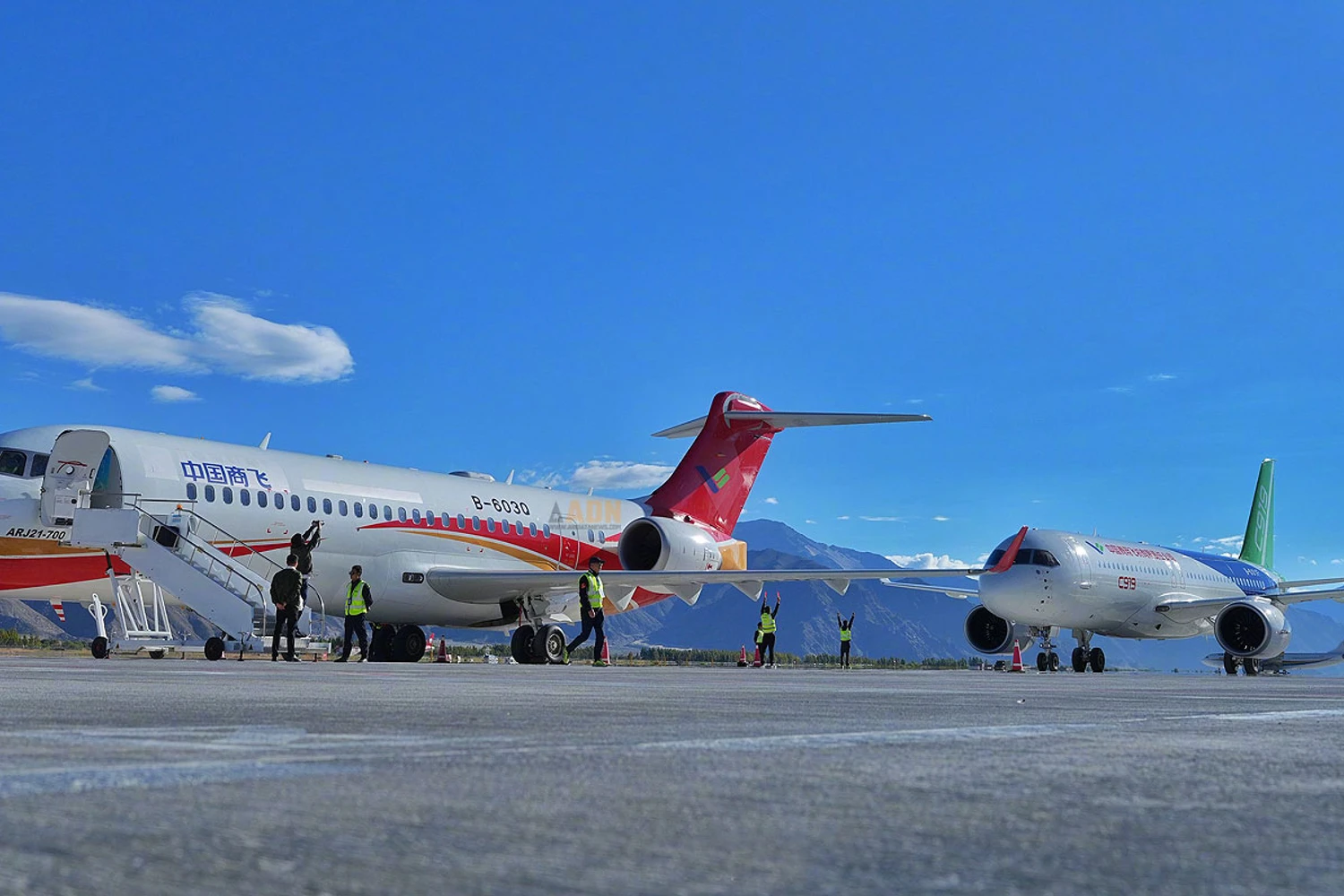
If COMAC eventually becomes capable of producing C919s in large numbers, it would not necessarily need to beat the A320neo or 737 MAX on every technical metric.
A competitive aircraft available substantially earlier — and potentially at a lower price — could become attractive to airlines unable or unwilling to wait years for Airbus or Boeing delivery positions.
But COMAC first has to solve its own production constraints.
At present, the company cannot manufacture enough C919s even to satisfy China's enormous domestic requirement. Chinese airlines continue ordering Airbus aircraft despite Beijing's strong political and industrial backing for the C919.
Certification will not make COMAC a global manufacturer overnight
COMAC is also pursuing European certification for the C919, and the process has progressed to flight evaluations involving EASA pilots.
Obtaining validation from the European regulator would be an important achievement and remove a major obstacle to selling the aircraft in many international markets.
It would not, however, solve COMAC's other problems.
Certification does not create maintenance centers, spare-parts inventories, trained technicians, financing channels or a worldwide customer-support organization. Nor does it establish residual values or provide lessors with decades of information about how an aircraft behaves as it ages.
Those capabilities take years to develop.
The C919 therefore should not be dismissed. China has the financial resources, domestic market and political determination required to build a third major commercial aircraft manufacturer. The shortage of delivery positions at Airbus and Boeing could eventually give COMAC an opening that previous challengers never enjoyed.
But that is a possible future, not the market that exists today.
The Beijing-Ulaanbaatar flight showed that the C919 can operate an international scheduled service. Whether COMAC can produce hundreds of them each year, support them around the world and convince major foreign airlines to depend on the company for decades remains a much more consequential test.