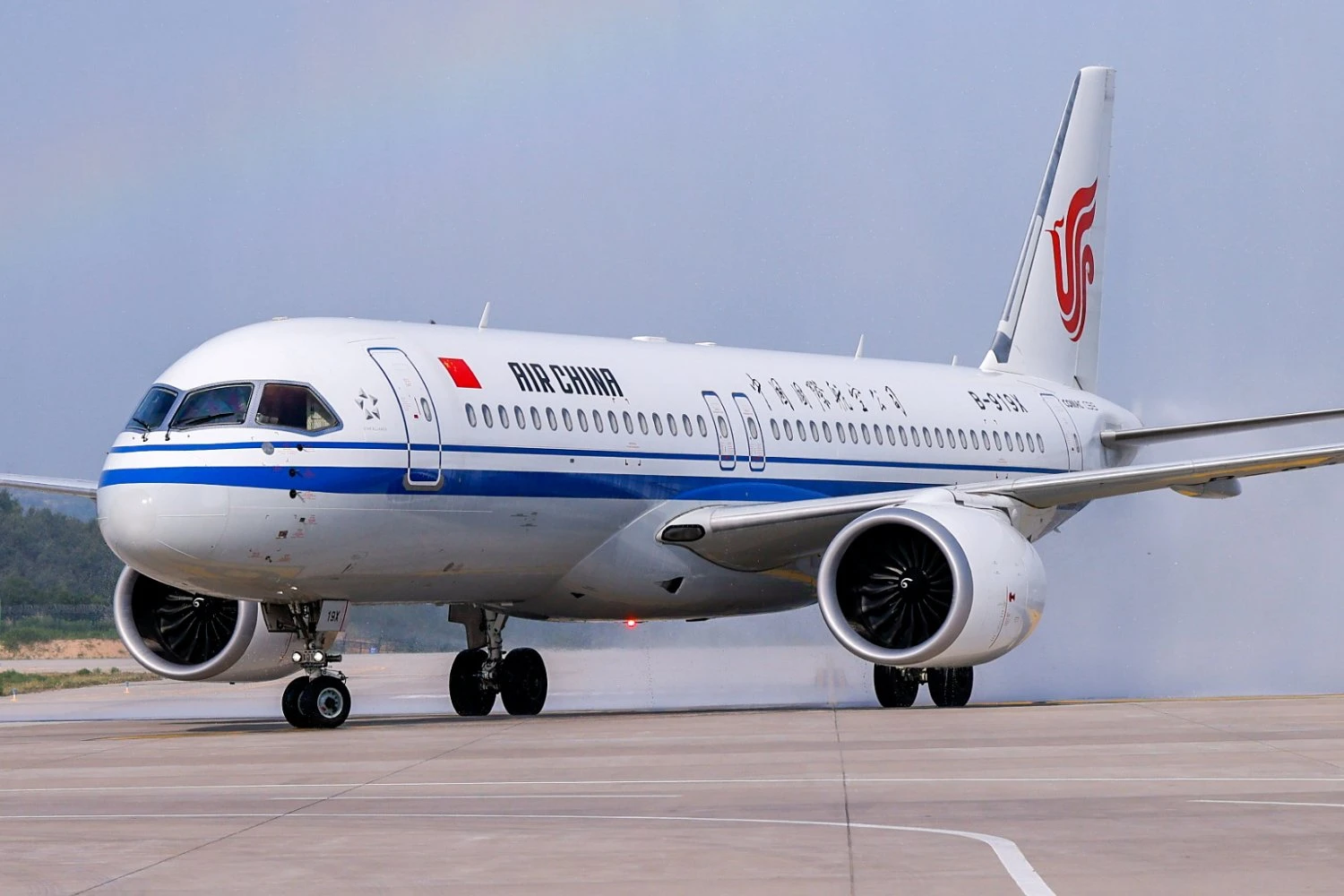
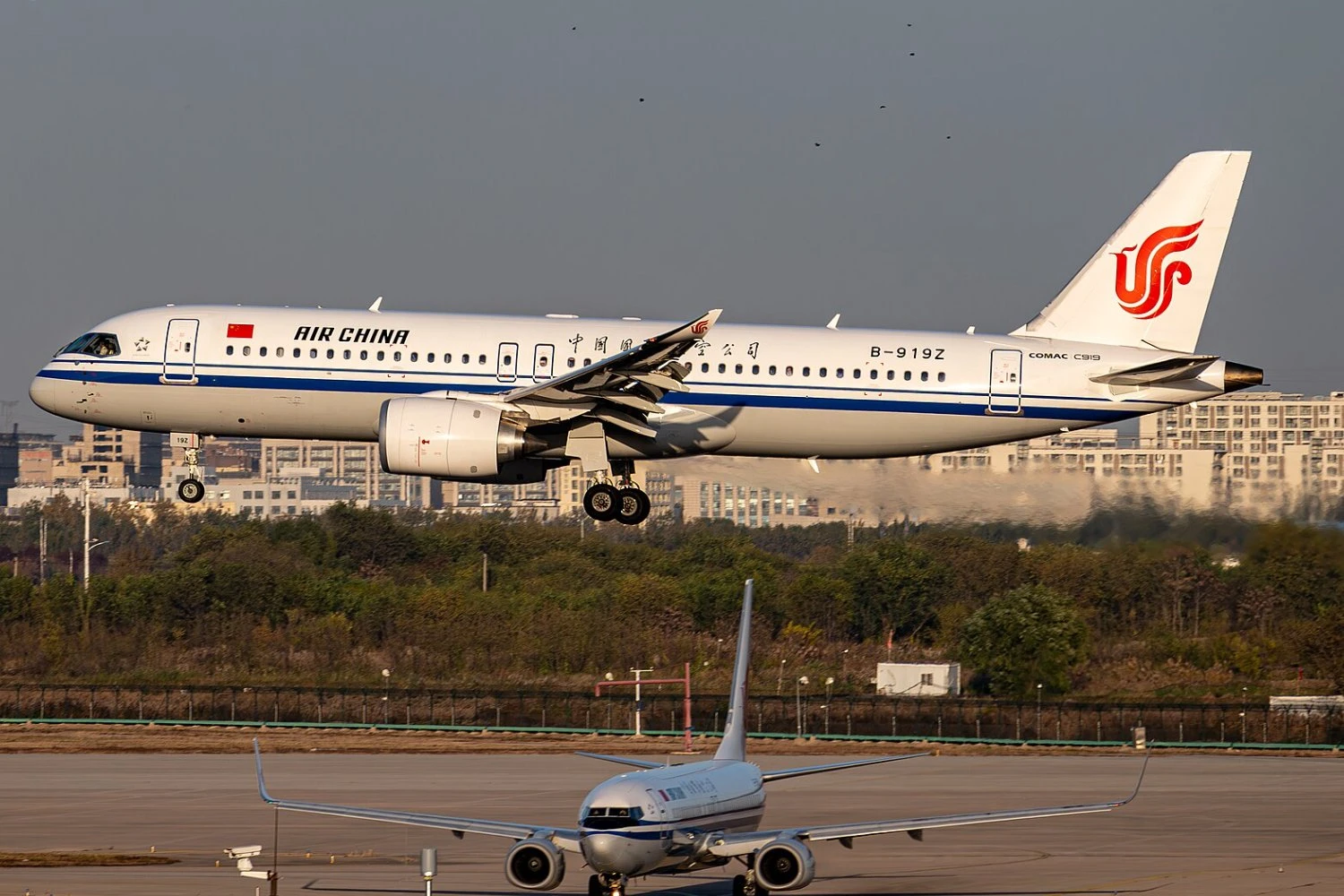
China’s COMAC C919 is scheduled to make its first international commercial flight on Wednesday, August 12, when Air China deploys the narrowbody between Beijing and Ulaanbaatar, Mongolia.
Flight CA901 is due to depart Beijing Capital International Airport at 3:00 p.m. local time and arrive in the Mongolian capital just over two hours later. The flight will mark the first use of the C919 on a scheduled international passenger service, more than three years after the aircraft entered commercial operation with China Eastern Airlines in May 2023.
Related news
September 09, 2026
September 03, 2026
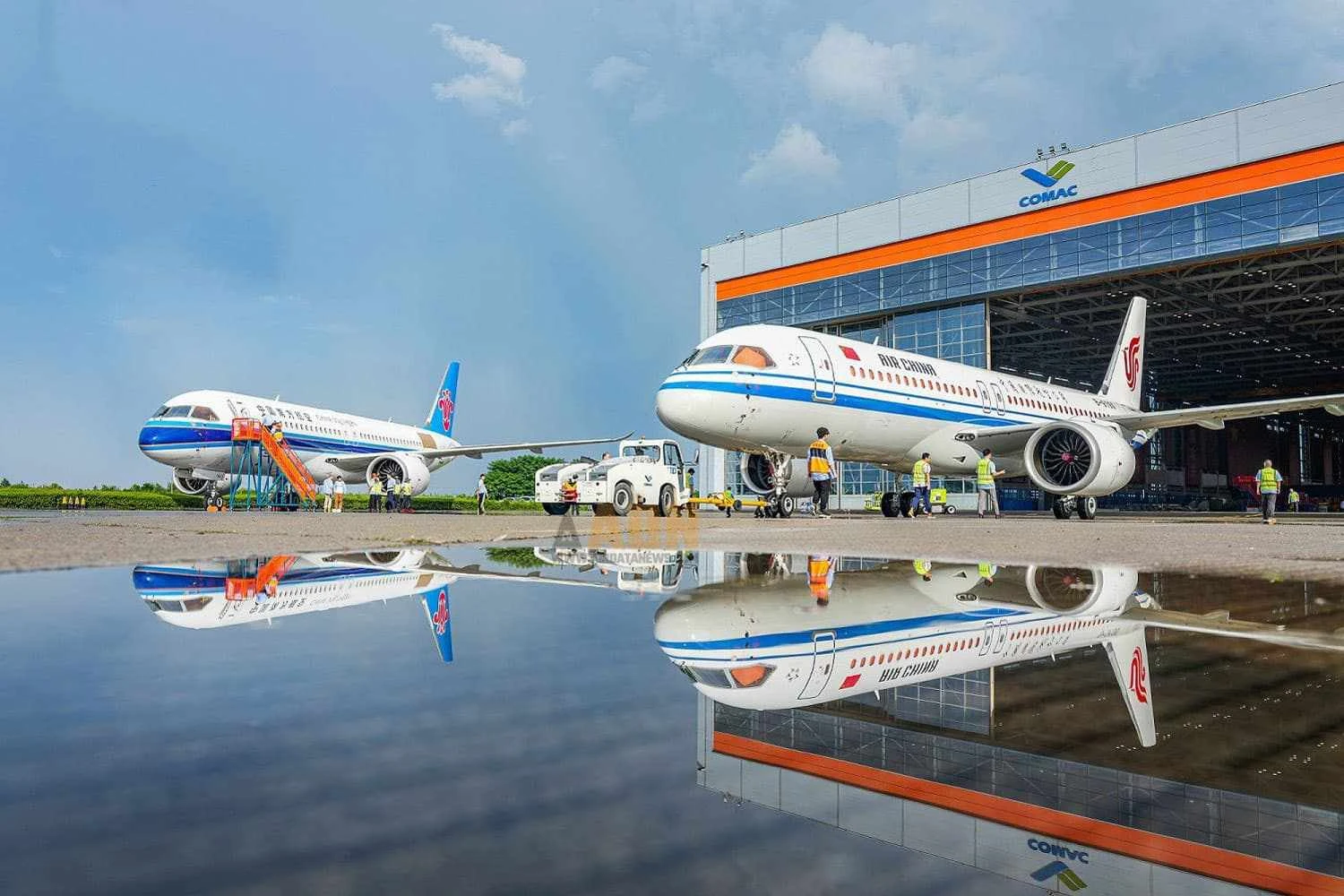
The relatively short route to neighboring Mongolia, however, says little about whether the C919 is ready to become the global competitor to the Airbus A320neo and Boeing 737 MAX that China has promoted for years.
For now, the aircraft remains almost entirely dependent on the Chinese market, is being manufactured at a fraction of the rate achieved by Airbus and Boeing and lacks certification from either of the two major Western aviation safety regulators.
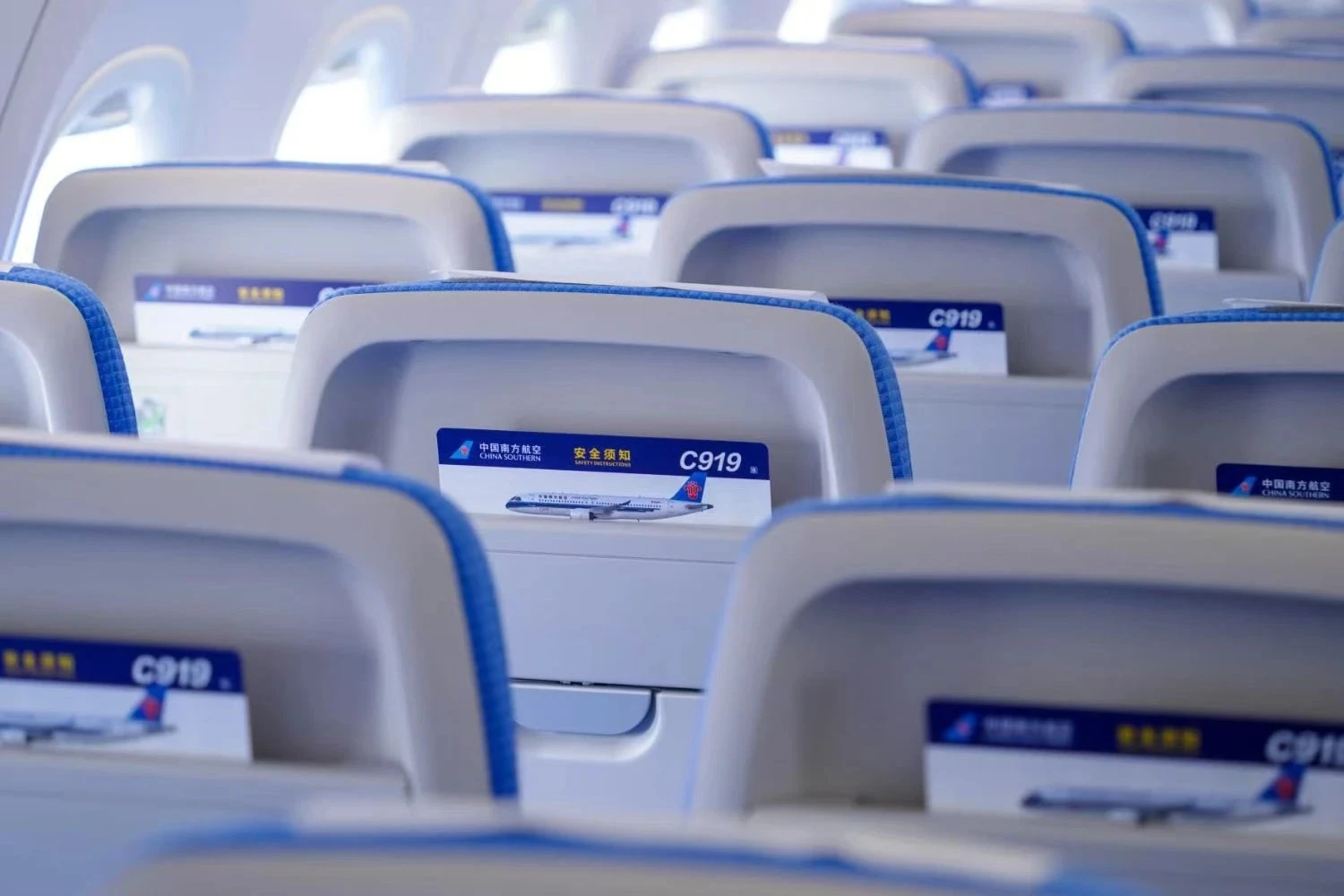
Production remains one of the biggest obstacles
COMAC developed the C919 for the largest segment of the commercial aircraft market. Depending on configuration, the aircraft can accommodate up to 174 passengers and competes directly with the A320neo and 737 MAX families.
The Chinese manufacturer has accumulated a substantial order book, largely from Chinese airlines and leasing companies. Converting those commitments into aircraft has proved much more difficult.
Follow Air Data News: WhatsApp | Instagram | LinkedIn | Twitter | Facebook
COMAC delivered only 15 C919s in 2025, far below the 75 aircraft that the manufacturer had initially targeted for the year. Production accelerated toward the end of 2025, but the numbers remain modest compared with Airbus and Boeing.
Both Western manufacturers produce their competing narrowbody families at rates measured in dozens of aircraft every month, while COMAC is still trying to establish a stable production system for the C919.
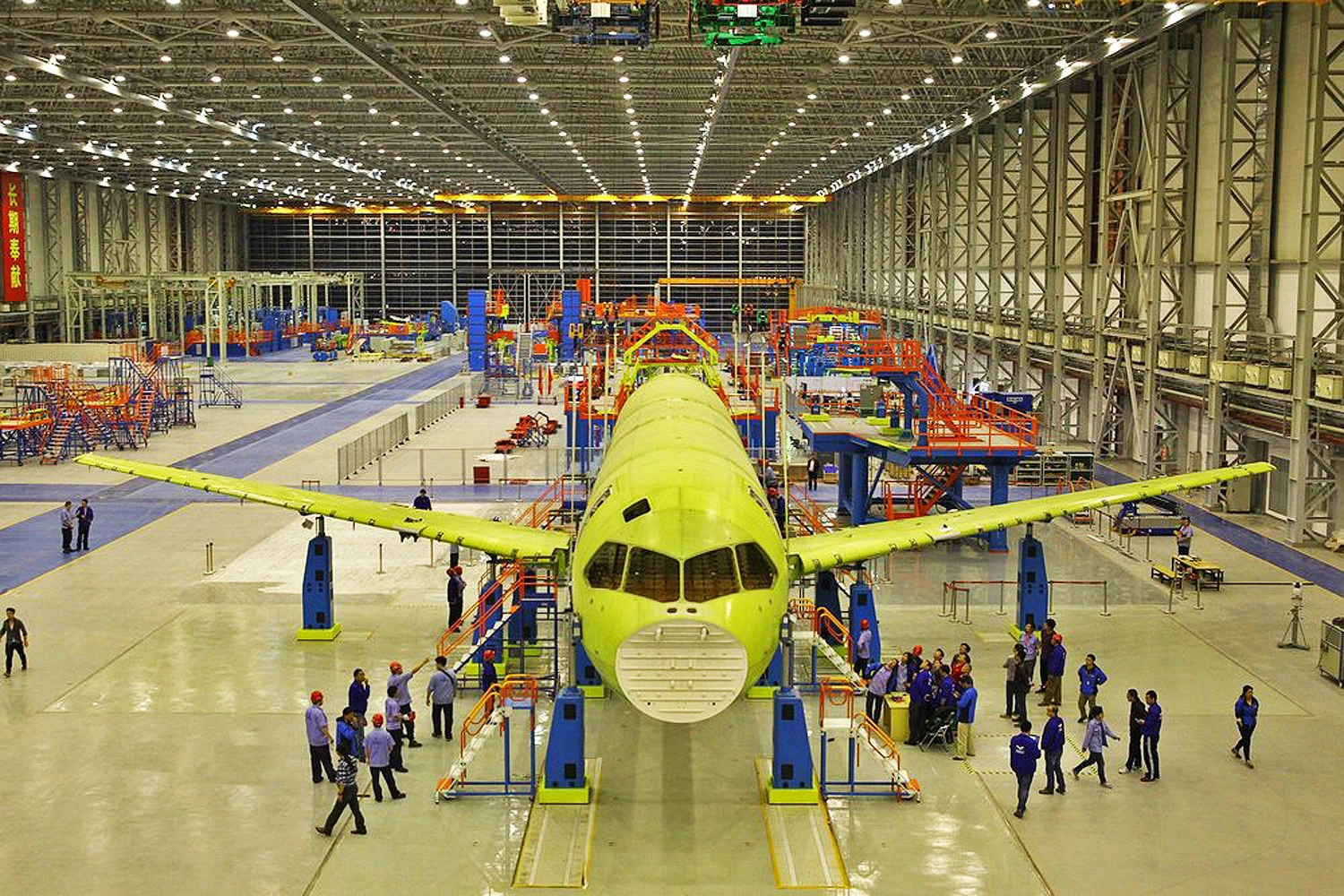
The relatively small fleet also makes it difficult to determine how competitive the aircraft actually is.
Unlike the A320neo and 737 MAX, which operate with hundreds of airlines under widely varying conditions, the C919 has accumulated most of its commercial experience within a small group of Chinese carriers. Detailed independent information about dispatch reliability, maintenance costs, fuel consumption and other operating metrics remains scarce.
European certification is still years away
A more significant test for the C919 will come from the European Union Aviation Safety Agency (EASA).
COMAC is seeking European validation of the aircraft’s Chinese type certificate, a requirement that could open substantially more markets to the C919 and give foreign airlines an independent regulatory assessment of the design.
But the process is taking considerably longer than COMAC initially expected.
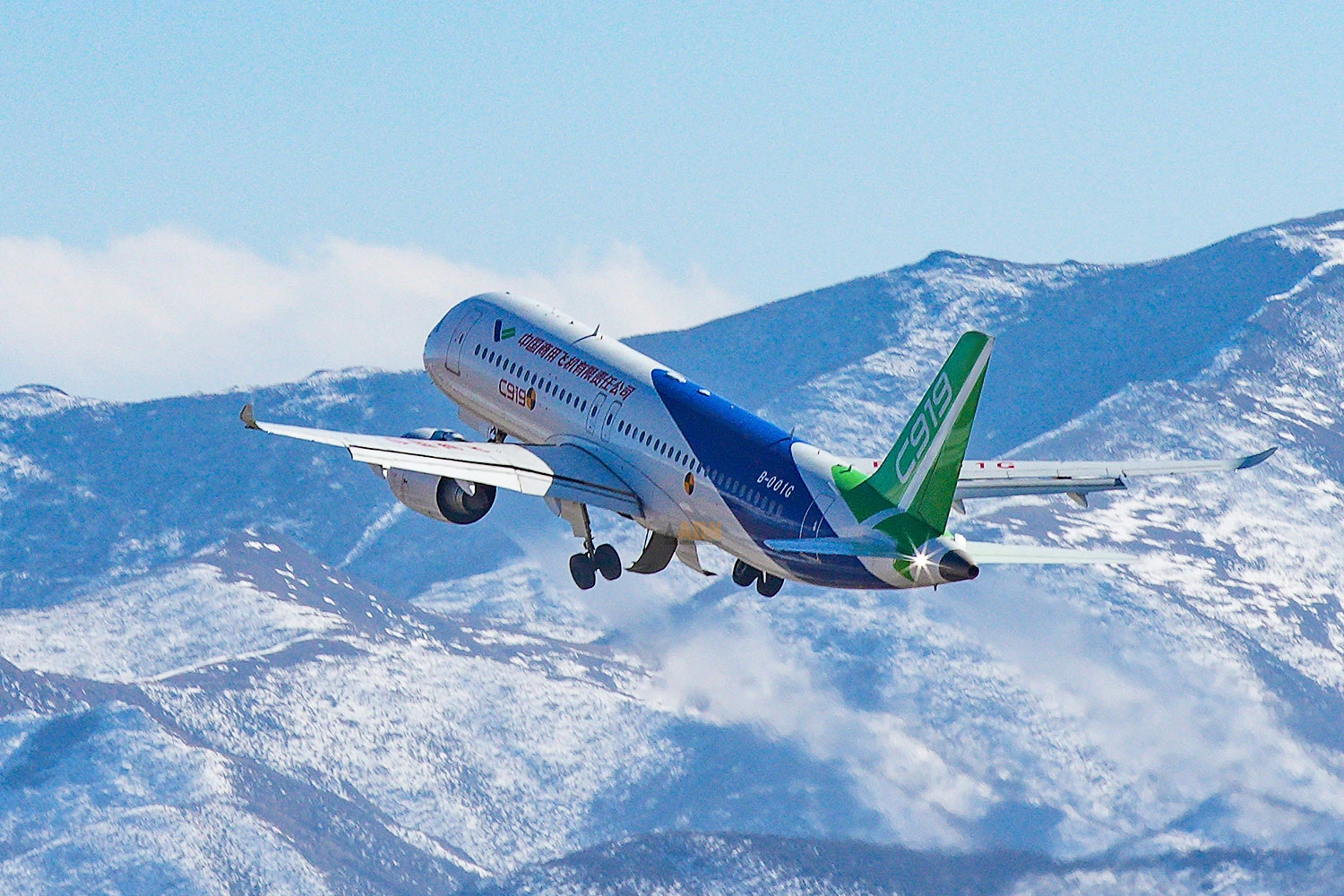
In April 2025, EASA Executive Director Florian Guillermet said the agency had formally informed COMAC that the aircraft would not receive European certification that year. He estimated that approval could take another three to six years, potentially pushing certification into the 2028-2031 period.
There has since been progress. EASA pilots flew the C919 in China as part of the regulator’s validation activities, another stage of the technical evaluation but not an indication that certification is imminent.
Until the C919 receives approval from EASA or another major regulator such as the U.S. Federal Aviation Administration, its potential customer base outside China will remain restricted.
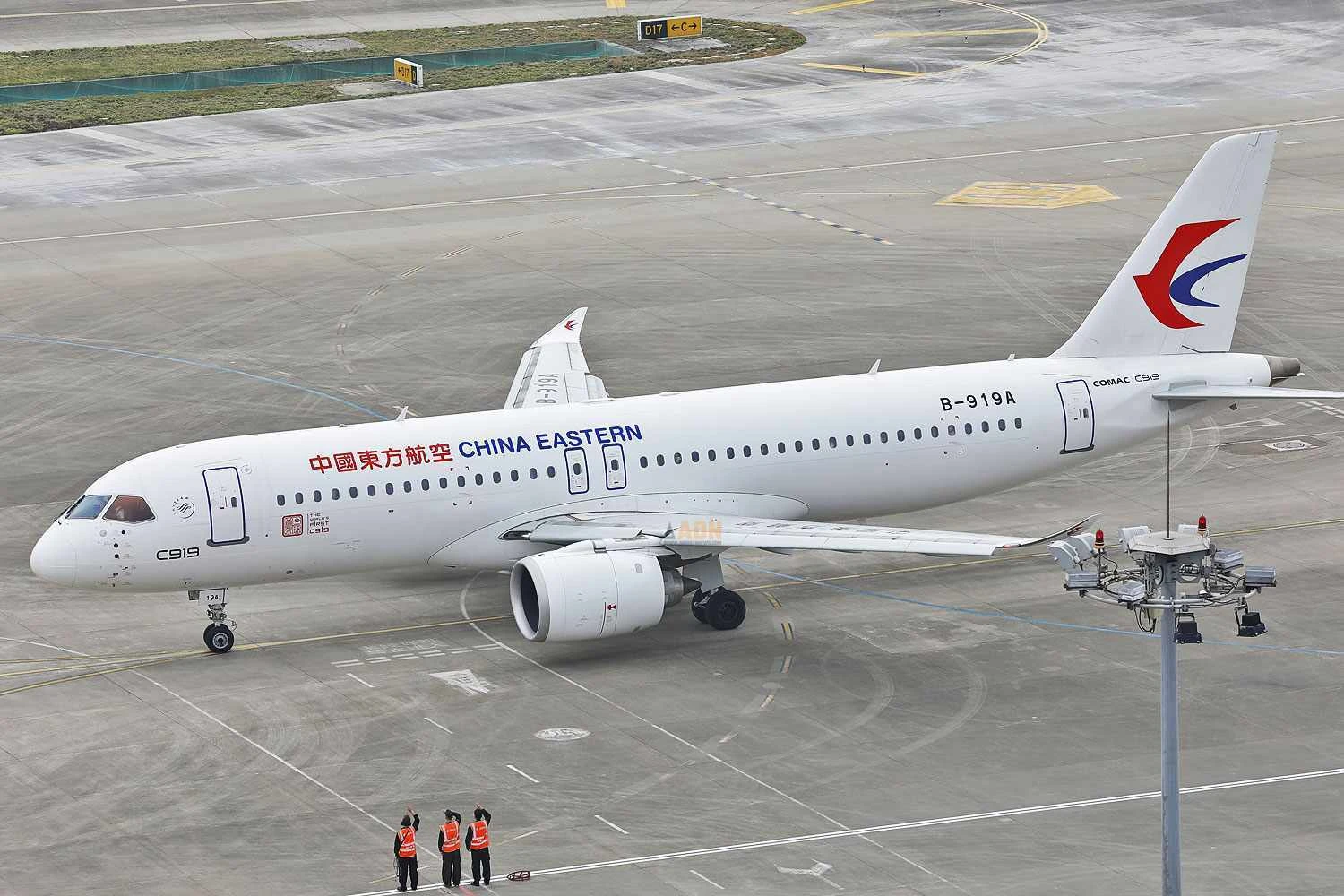
Built with Western technology
There is another contradiction at the center of the C919 program. Although the aircraft is intended to reduce China’s dependence on Boeing and Airbus, much of the technology needed to build it still comes from Western suppliers.
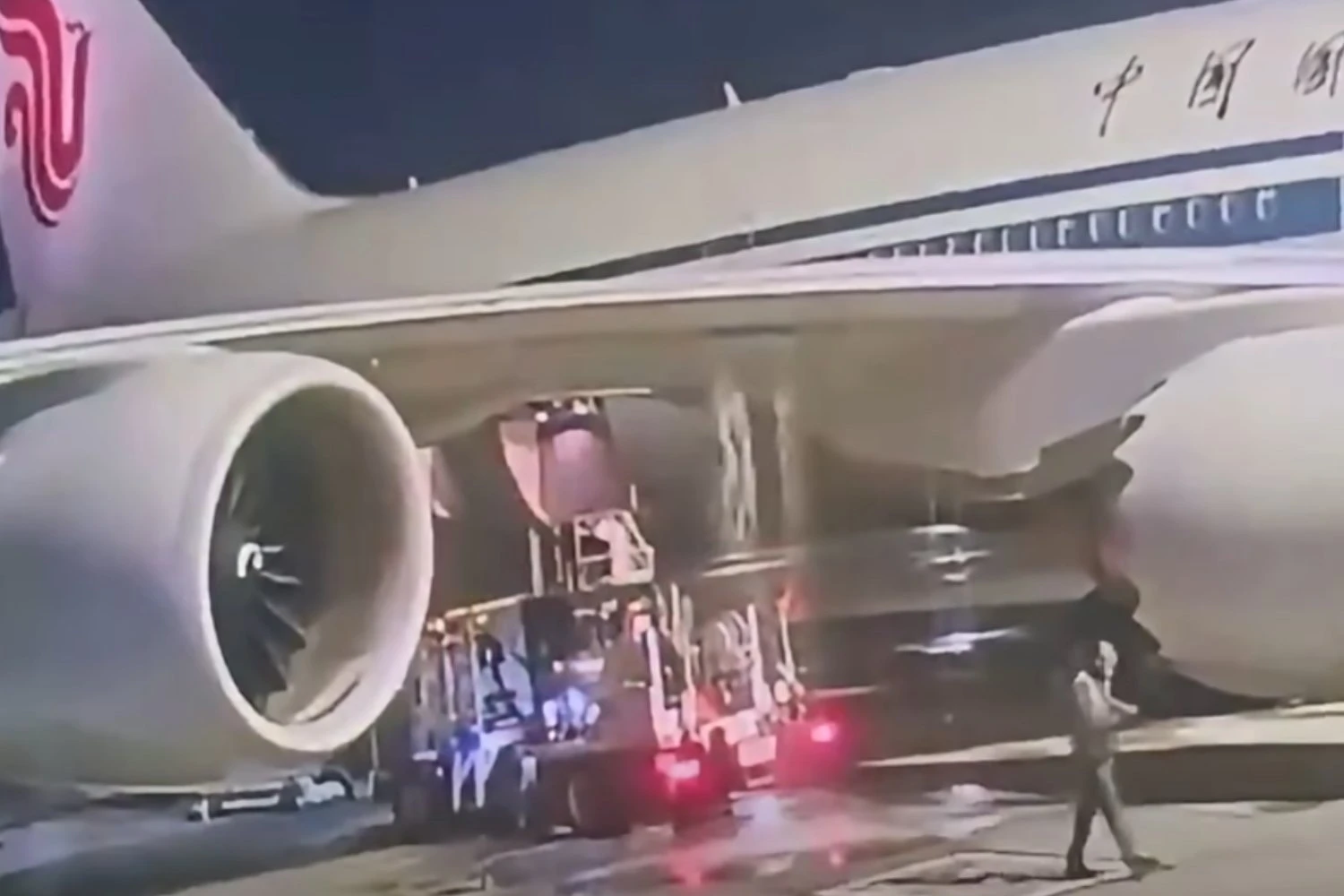
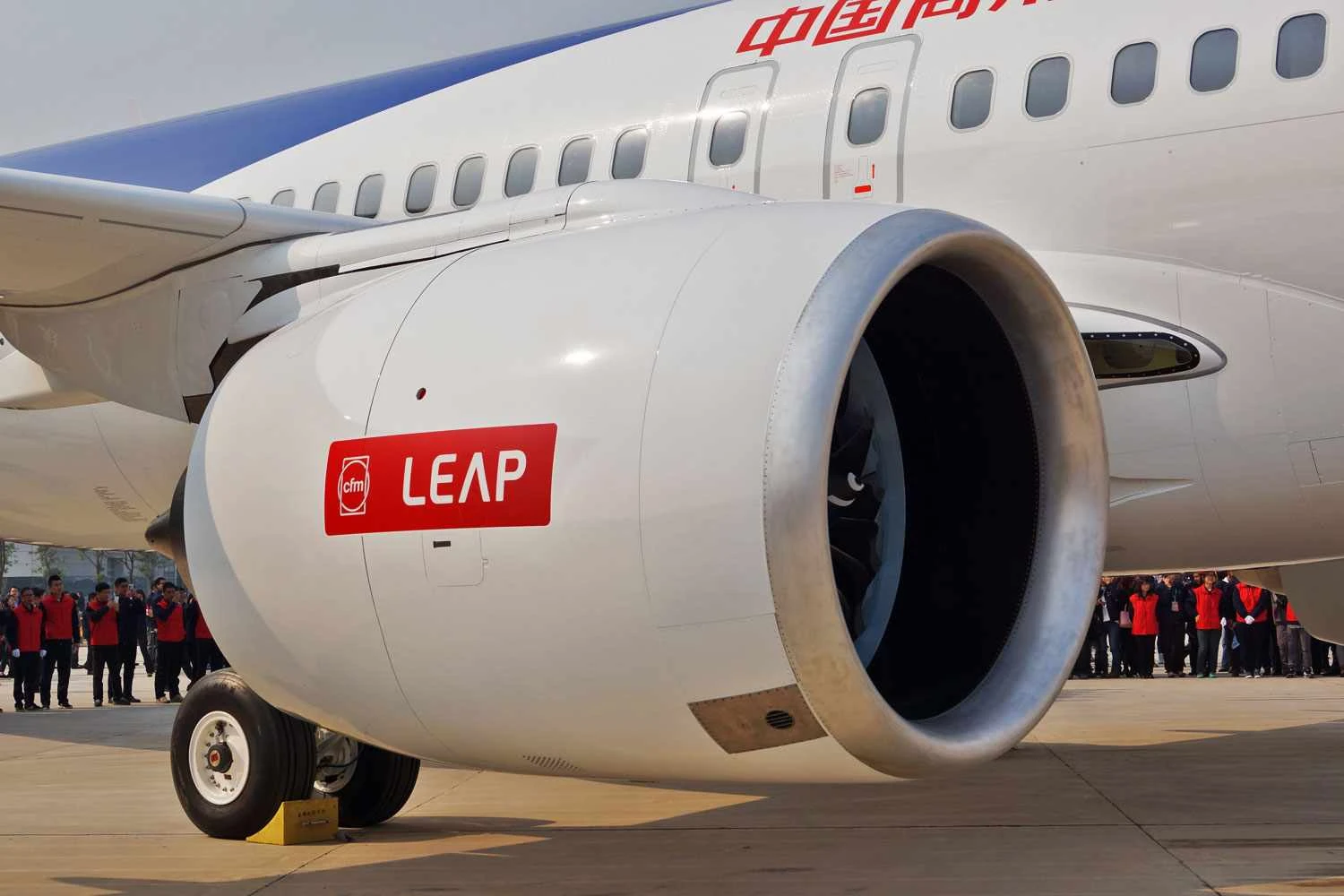
The most obvious example is its engine. The C919 uses the LEAP-1C produced by CFM International, the joint venture between GE Aerospace of the United States and Safran Aircraft Engines of France.
Several other important systems and components also come from Western suppliers, making the program vulnerable to changes in the political relationship between Beijing and Washington.
That vulnerability became particularly clear in 2025, when the U.S. government temporarily suspended licenses covering exports of some aviation technology to China during heightened trade tensions. Washington subsequently allowed shipments to resume, including LEAP-1C engines for the C919.
The episode showed how the C919’s supply chain can become exposed to geopolitical disputes unrelated to the aircraft itself.
China is developing domestic alternatives, including the CJ-1000A engine intended eventually to replace the LEAP-1C, but those technologies are not yet ready to eliminate the C919’s dependence on foreign suppliers.
International flight, but not yet an international aircraft
Flying passengers from Beijing to Ulaanbaatar has symbolic value, but it does not remove the fundamental constraints surrounding the program.
The C919 has already demonstrated that China can develop, certify under its own regulatory system and put into commercial service a modern narrowbody passenger aircraft. The more difficult task is producing it in large numbers, establishing its operating economics over years of airline service and gaining acceptance from regulators and carriers outside China.
European certification could eventually provide the C919 with access to a much larger international market. EASA’s work with COMAC shows that the process is advancing, but the regulator’s timetable suggests a decision is still years away.
For now, the C919’s first scheduled international flight expands its geographic reach, but its ability to challenge the Airbus-Boeing duopoly remains largely a promise.