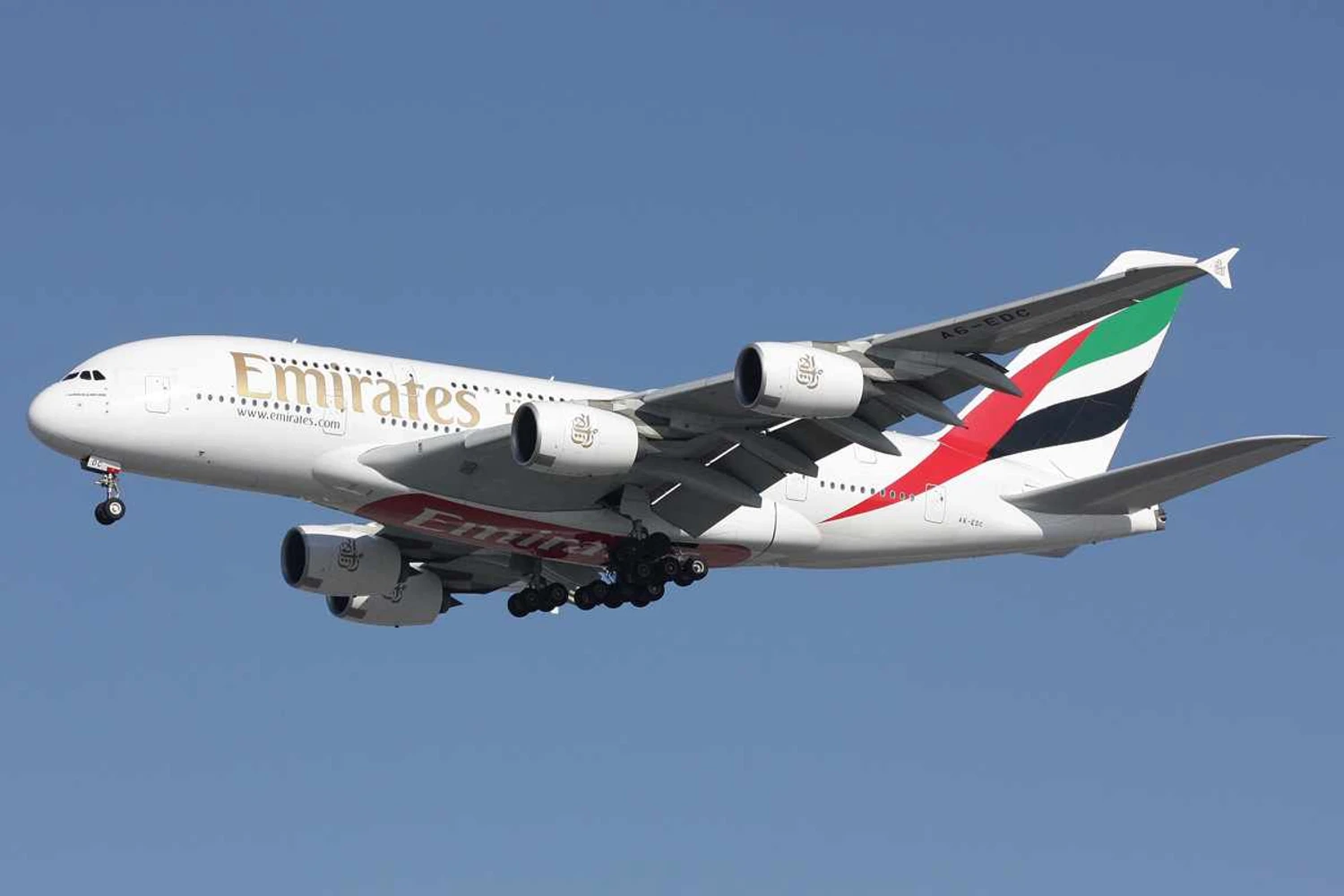
The European Union Aviation Safety Agency (EASA) has issued an emergency airworthiness directive requiring inspections of 16 Airbus A380 aircraft after cracks were found in structural components inside the wing.
The directive, published on June 22, follows a review of previous inspection results that identified cracks capable of affecting the wing's structural integrity. Airbus has been instructed to provide inspection procedures to operators of the affected aircraft.
Related news
September 17, 2026
The issue involves the wing mid spars, structural members located inside the wing. EASA said additional inspections are necessary to determine the extent of the problem and whether repairs will be required.
The affected fleet is divided into two groups. Five aircraft must be inspected before their next flight, while the remaining 11 aircraft have a compliance period of up to 25 flight cycles.
The aircraft requiring inspection before their next flight are all operated by Emirates:
- MSN 190 (A6-EOO)
- MSN 202 (A6-EOR)
- MSN 203 (A6-EOS)
- MSN 209 (A6-EOY)
- MSN 228 (A6-EUP)
The second group includes another 10 Emirates aircraft and one operated by Qantas:
- MSN 030 (A6-EDK)
- MSN 042 (A6-EDM)
- MSN 055 (VH-OQI)
- MSN 056 (A6-EDN)
- MSN 105 (A6-EDX)
- MSN 142 (A6-EET)
- MSN 184 (A6-EOK)
- MSN 187 (A6-EOM)
- MSN 208 (A6-EOX)
- MSN 227 (A6-EUO)
- MSN 234 (A6-EUS)
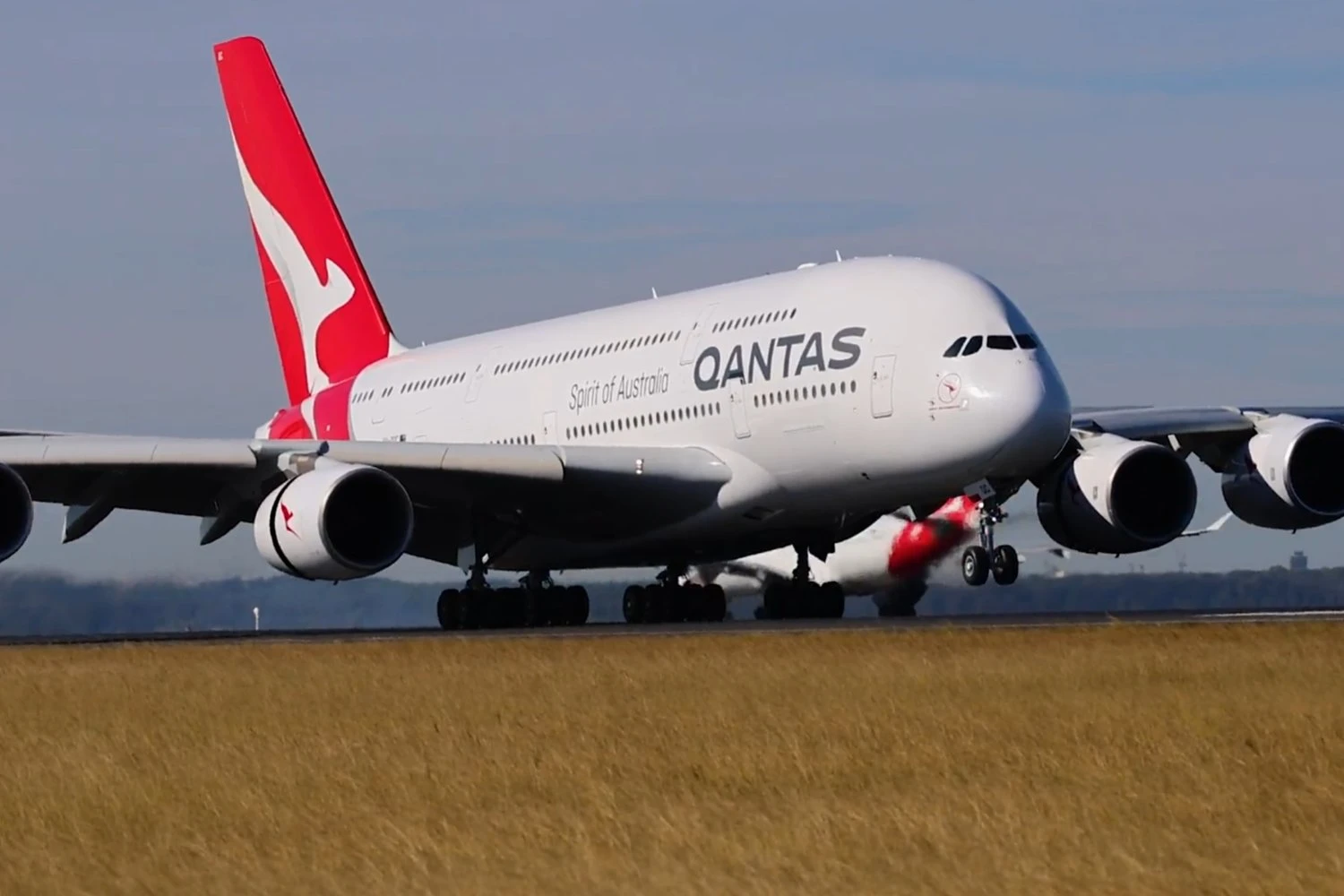
The concentration of affected aircraft within the Emirates fleet is not surprising given that the Dubai-based carrier is by far the world's largest A380 operator. Emirates currently flies more than 100 examples of the superjumbo, accounting for nearly half of all A380s built.
The new directive follows earlier inspections ordered by EASA and Airbus in recent years. According to the agency, analysis of those inspections led to the discovery of additional cracking that warranted immediate action.
EASA said operators must report inspection findings to Airbus within seven days, including cases where no cracks are found. Depending on the results, further inspections or repair requirements could follow.