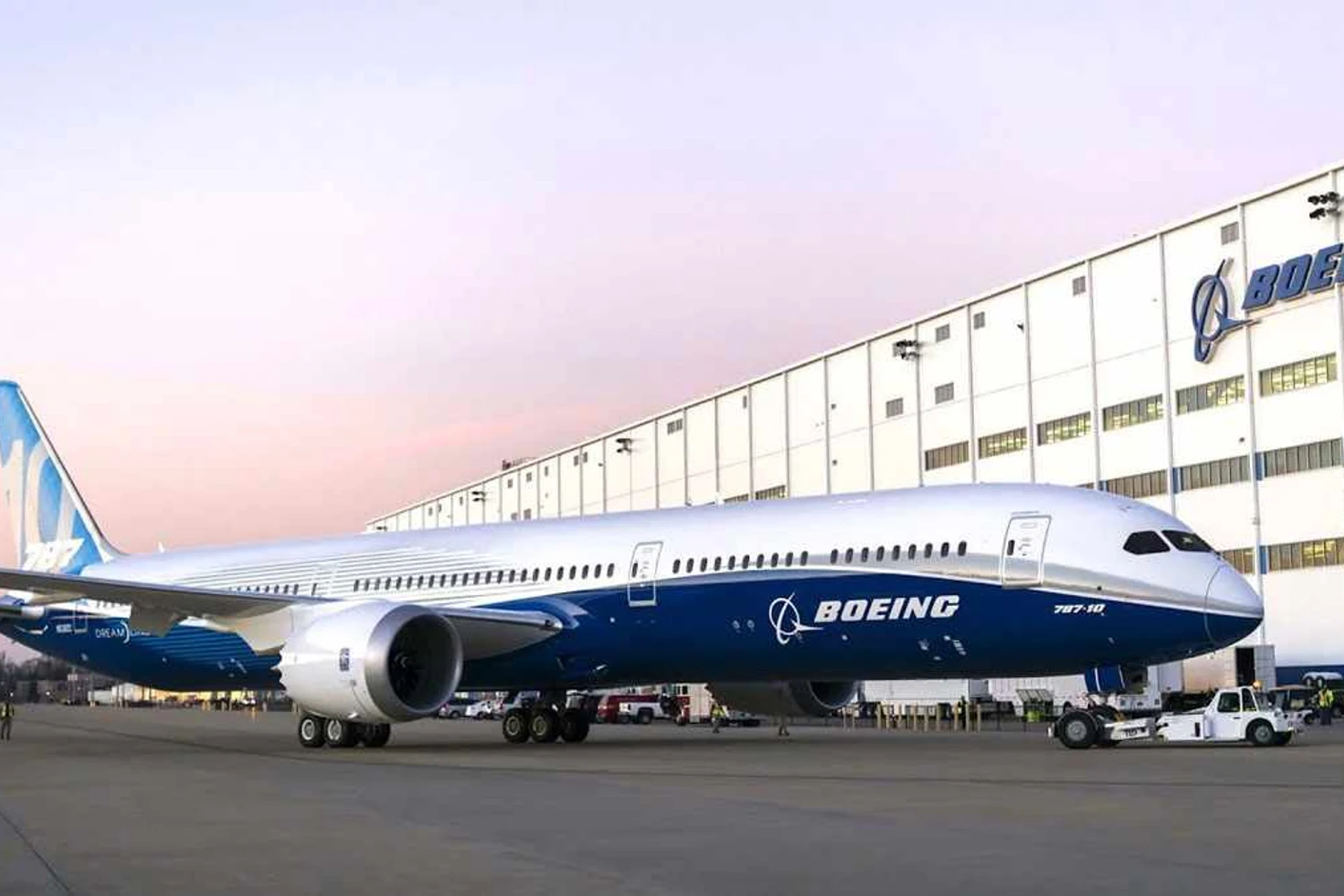
Boeing's commercial aircraft business more than doubled its operating loss in the third quarter of 2026 despite continued progress in the production of the 737 and 787.
Boeing Commercial Airplanes lost US$697 million between July and September, compared with US$322 million in the previous quarter. Revenue reached US$10.72 billion, down from US$11.13 billion in the second quarter.
The manufacturer attributed the weaker result to a less favorable mix of aircraft delivered, higher expected costs associated with future production-rate changes and increased estimates for supply-chain expenses.
Compared with a year earlier, the division's loss fell sharply from US$5.35 billion. That comparison is distorted, however, by a US$4.9 billion charge related to the 777X that Boeing recorded in the third quarter of 2025.
Follow Air Data News: WhatsApp | Instagram | LinkedIn | Twitter | Facebook
For the first nine months of 2026, Commercial Airplanes generated US$31.67 billion in revenue, 5% more than a year earlier, while its operating loss fell from US$6.45 billion to US$1.58 billion.
Production continues to increase
The continued losses contrast with a manufacturing operation that has been gradually recovering from years of disruptions and restrictions.
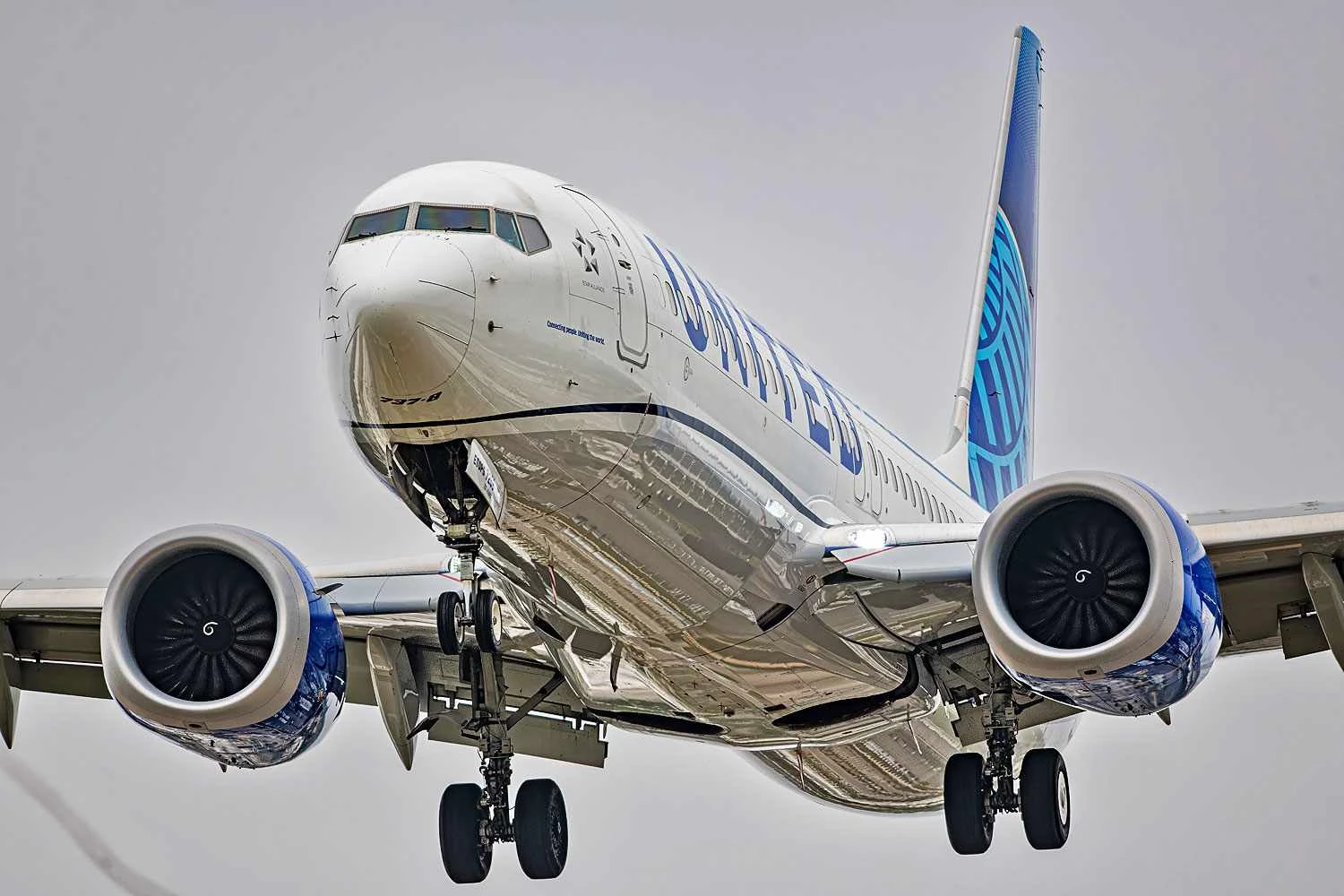
Boeing said 737 production is progressing toward a stable rate of 47 aircraft per month. The company had been producing 38 per month a year ago before receiving approval from the Federal Aviation Administration to increase output.
The 787 is currently stable at eight aircraft per month, another increase from the seven-per-month rate reported a year earlier.
Boeing delivered 161 commercial aircraft during the third quarter, virtually unchanged from the 160 handed over during the same period in 2025. The total comprised 124 737s, 22 787s, ten 767s and five 777s.
Deliveries reached 475 aircraft during the first nine months of 2026, compared with 440 a year earlier. The 737 accounted for 367 of the total, followed by 62 787s, 26 767s and 20 777s.
Record backlog
While Boeing continues working to increase production, the number of aircraft it has already sold but still needs to build has grown further.
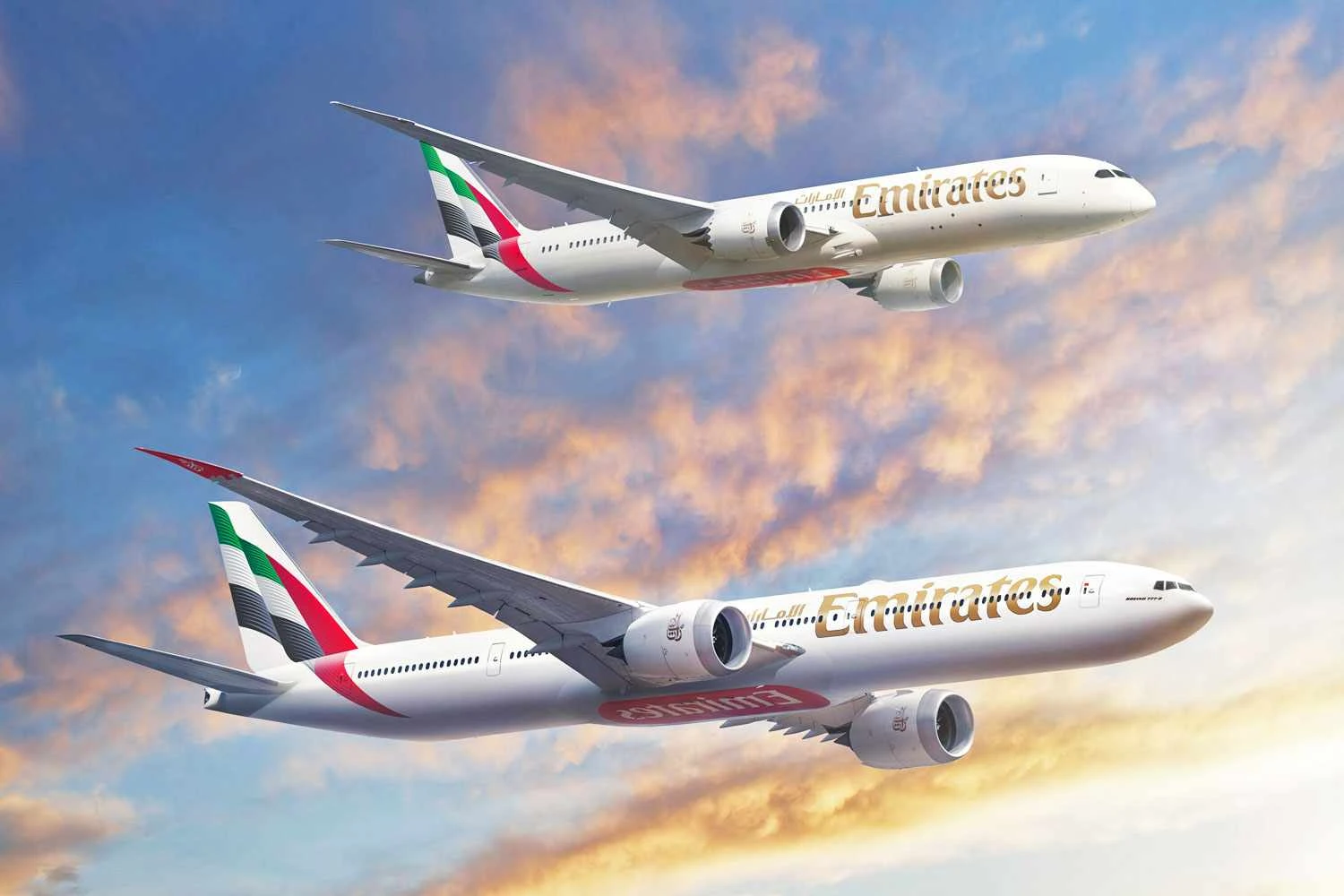
Commercial Airplanes ended September with more than 6,300 aircraft in its backlog, valued at a record US$612 billion. A year earlier, the backlog comprised more than 5,900 aircraft worth US$535 billion.
Related news
October 27, 2026
The manufacturer recorded 300 net commercial aircraft orders during the third quarter, including business from Turkish Airlines, Ethiopian Airlines and Lufthansa.
The combination of a growing backlog and higher production rates makes the cost of increasing output particularly important. Boeing specifically cited expenses associated with future rate changes and higher supply-chain cost estimates among the factors affecting the third-quarter result.
737 MAX certification received
Boeing also cleared two major certification milestones during the period.
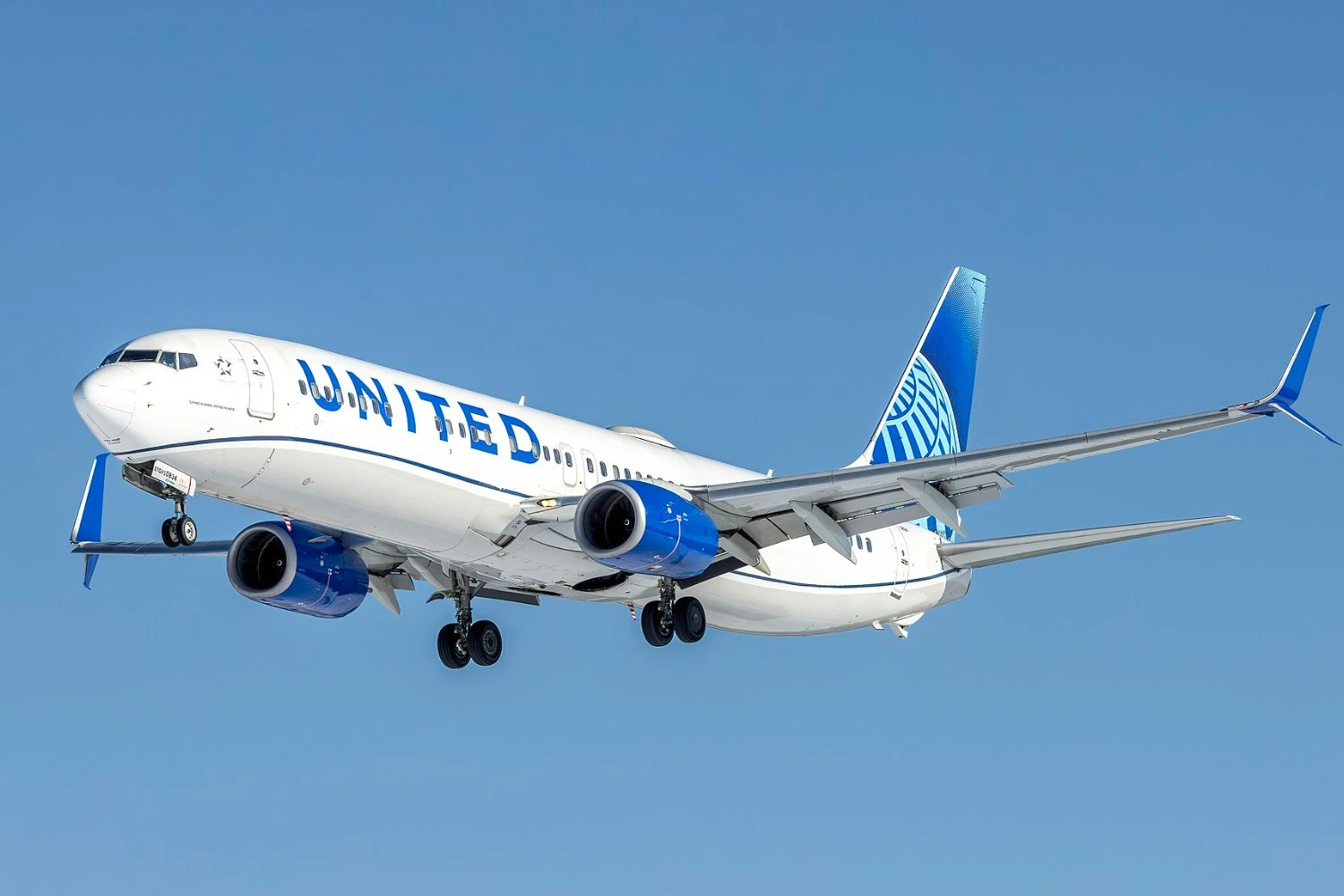
The 737-7 received its amended type certificate from the FAA during the third quarter, clearing the smallest member of the current MAX family for service after years of delays.
The 737-10 followed in October. The largest MAX variant received FAA certification on October 20, completing approval of all four passenger versions of the family: the 737-7, 737-8, 737-9 and 737-10.
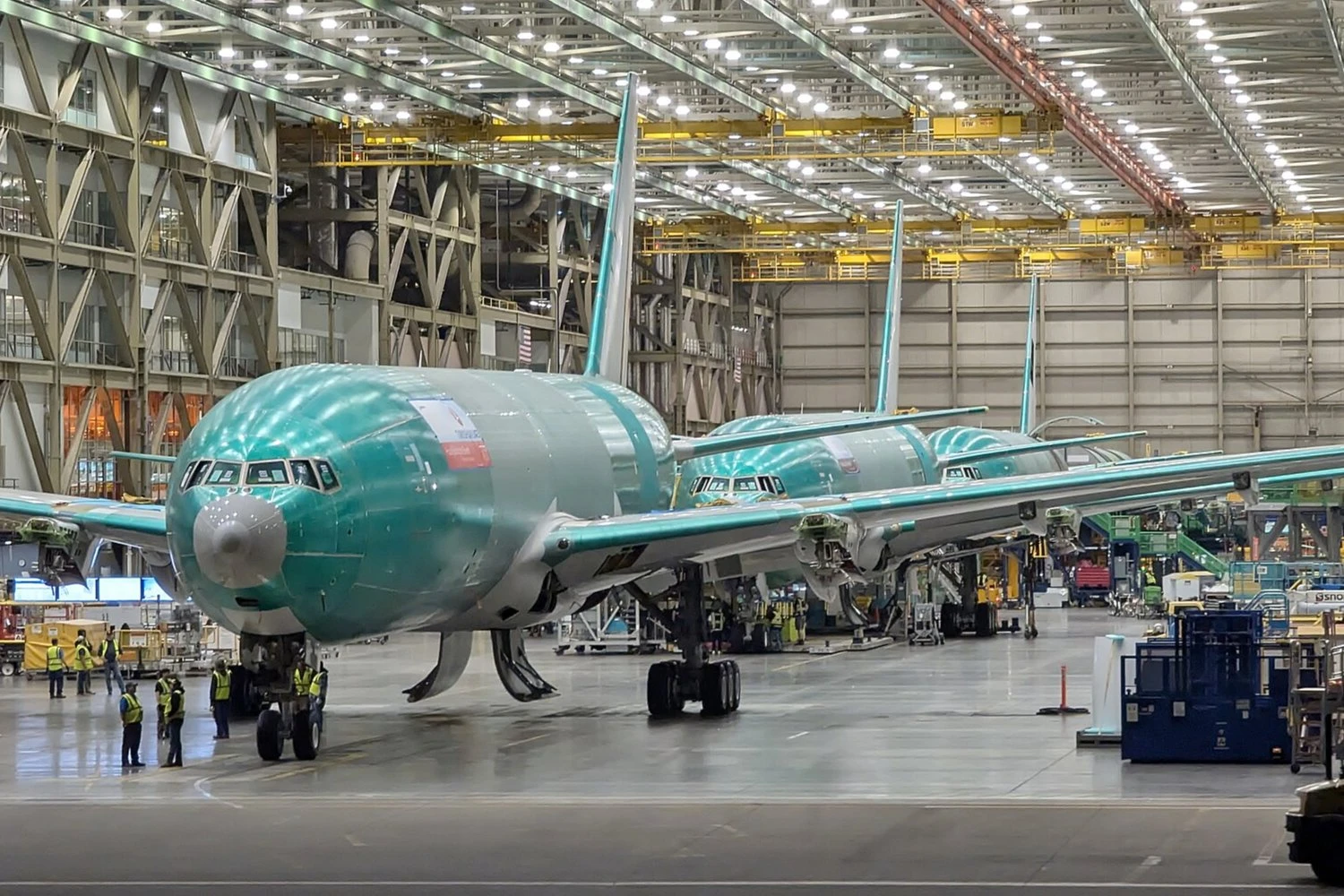
The 777X remains Boeing's major commercial aircraft program still undergoing certification. Flight testing of the 777-9 continues, with the manufacturer maintaining its expectation of delivering the first aircraft in 2027.