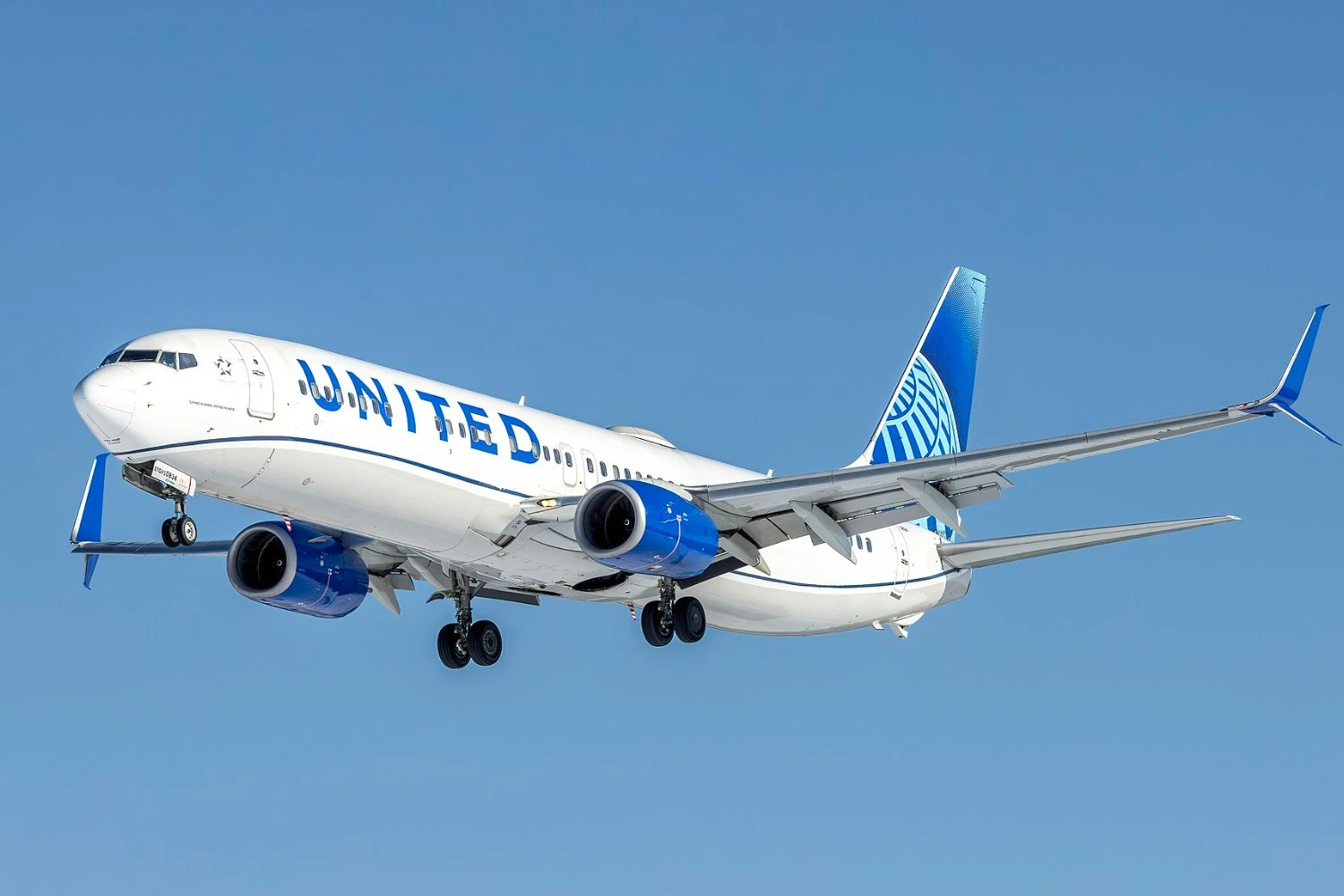
The Federal Aviation Administration (FAA) has ordered inspections of Boeing 737 Next Generation aircraft after multiple operators reported pitch oscillations associated with excessive freeplay in the horizontal stabilizer.
The new airworthiness directive covers certain 737-600, -700, -700C, -800, -900 and -900ER aircraft and will take effect on November 23. The 737 MAX family is not affected.
The FAA estimates that 1,987 aircraft on the US registry are subject to the directive. The figure does not represent the worldwide population affected, since the applicability covers aircraft identified by Boeing regardless of where they operate.
Operators will have to measure freeplay in the left and right horizontal stabilizer pivot hinges and in the jackscrew mechanism. Depending on the results, additional measurements, repairs or replacement of worn components may be required.
Follow Air Data News: WhatsApp | Instagram | LinkedIn | Twitter | Facebook
The horizontal stabilizer is the movable surface at the rear of the aircraft used to control pitch. Freeplay is the amount of movement permitted in the mechanism before the components engage; excessive levels can allow unwanted movement of the stabilizer.
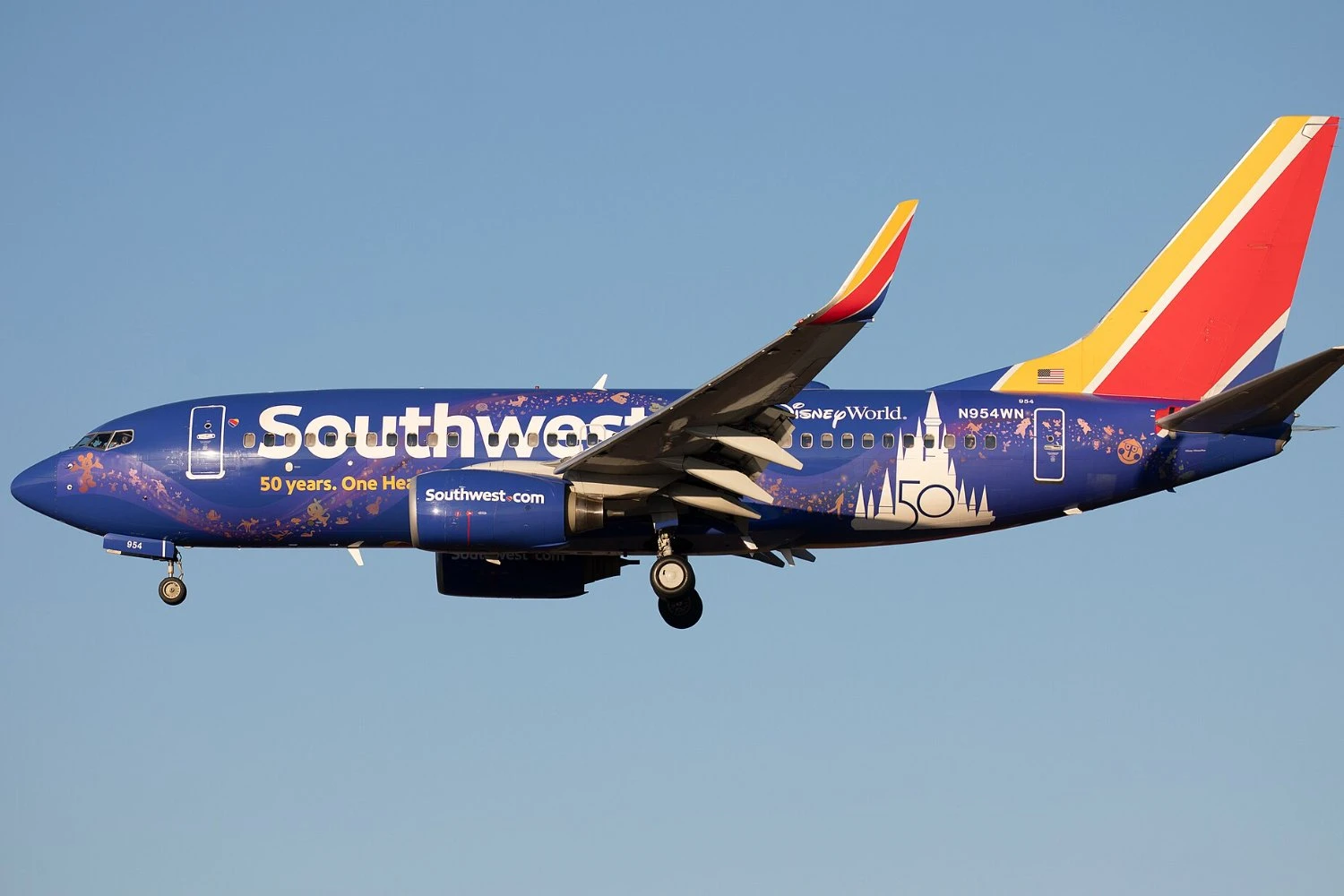
The FAA said the condition could lead to flutter, an aerodynamic vibration that, in extreme circumstances, can result in loss of control of the aircraft.
Problem was already under evaluation
The issue itself is not new. The FAA first proposed making the inspections mandatory in January 2026 after receiving the reports of pitch oscillations.
The final directive incorporates procedures contained in Boeing Alert Requirements Bulletin 737-55A1104 RB, issued on June 12, 2025. The bulletin establishes measurements of the stabilizer pivot hinges and jackscrew and the actions required according to the results.
Related news

October 24, 2026

The FAA adopted the directive essentially as proposed in January, with only minor editorial changes. The October publication therefore turns the previously proposed requirements into mandatory inspections rather than introducing a newly identified problem.
There is evidence that Boeing and operators had been monitoring the condition even earlier. During the rulemaking process, United Airlines asked the FAA to recognize inspections performed under a Boeing Multi-Operator Message issued in May 2022. The agency said aircraft inspected under that procedure already receive credit through the classifications established in the newer Boeing bulletin.

Airlines sought longer intervals
Several operators asked the FAA to change parts of the proposed requirements before the final rule was issued.
Canadian North requested that the initial inspection threshold be extended from 12 to 36 months, which would allow operators to coordinate the work with scheduled heavy maintenance and provide additional time to obtain parts and plan the inspections.
United Airlines also sought longer repetitive inspection intervals for aircraft fitted with replacement hinge bearings instead of original components.
The FAA rejected both requests. The agency said the established intervals were necessary to ensure an acceptable level of safety and that excessive freeplay must be monitored on aircraft with original, repaired or newly installed components.
Alaska Airlines separately proposed an alternative procedure that could allow operators to repair or replace components rather than perform some interim freeplay checks. The FAA declined to change the directive, although it noted that operators can perform inspections early and complete repairs during the same maintenance period.
The initial measurement is estimated to require six work-hours per aircraft. Using a labor rate of US$85 per hour, the FAA calculated a cost of US$510 per aircraft, or about US$1.01 million for the 1,987 affected aircraft registered in the United States.
Those figures do not include potential component replacements. The FAA said it cannot estimate how many aircraft will require repairs or replacement parts because the need will depend on the results of individual inspections.
