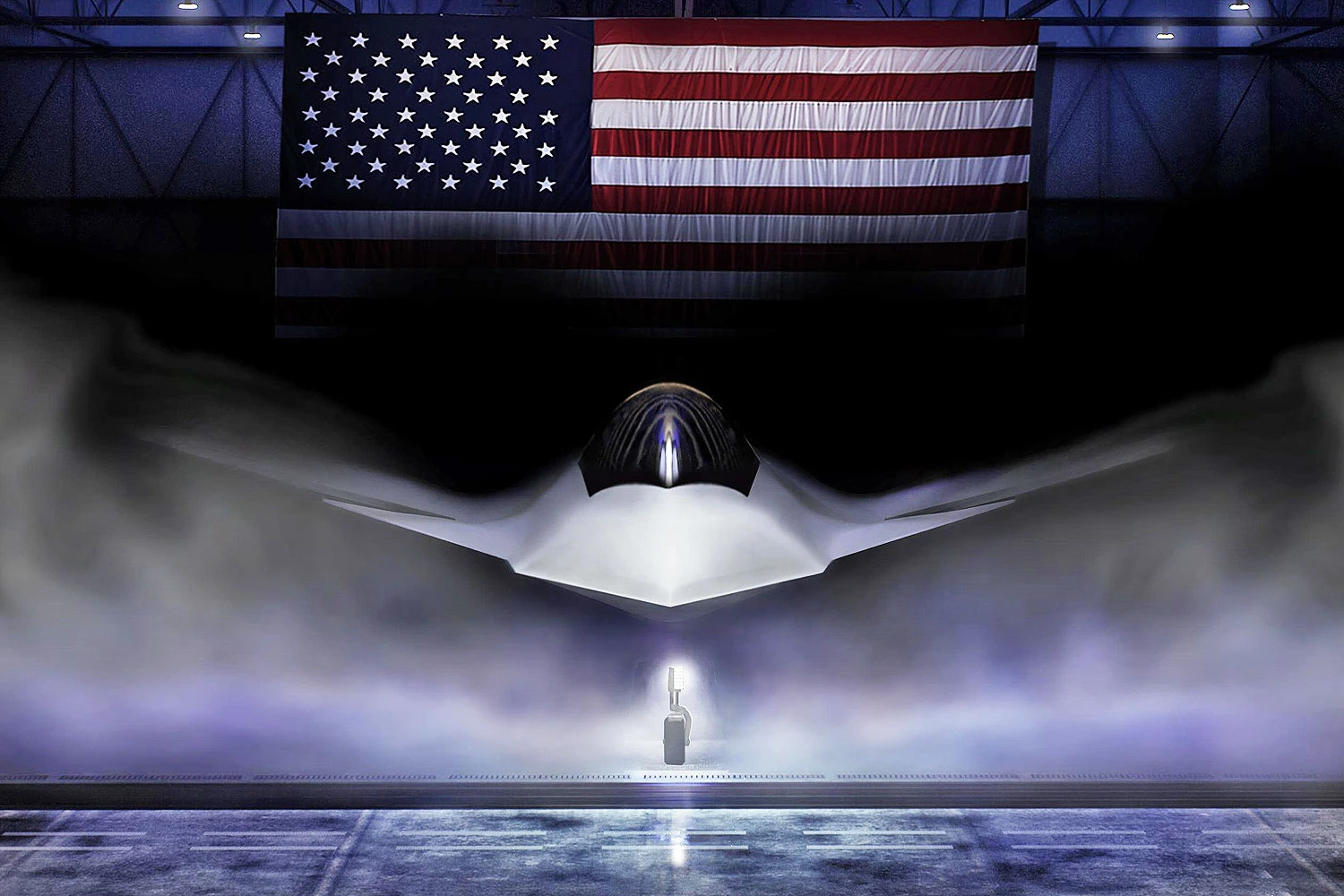
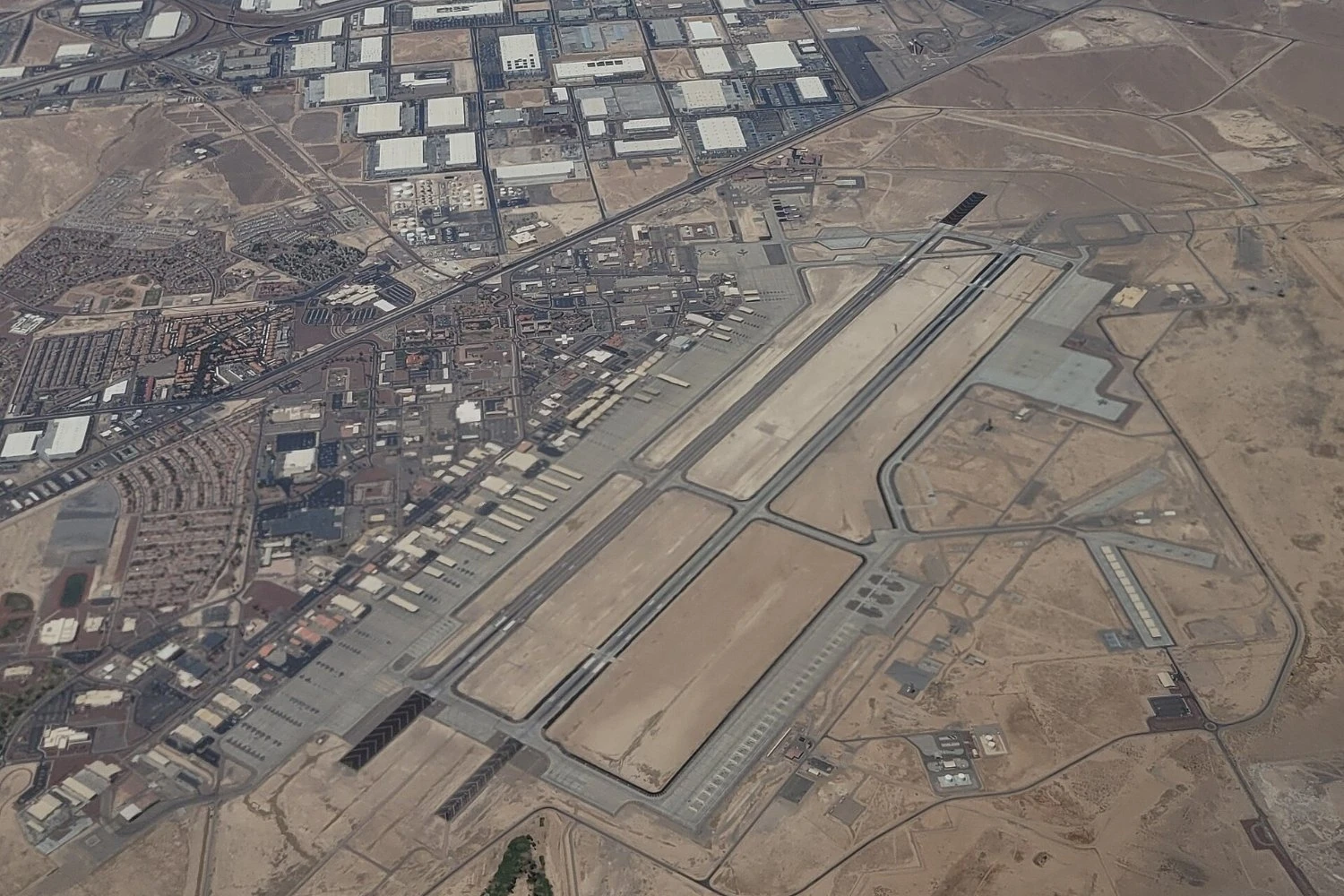
The U.S. Air Force plans to spend about US$1.06 billion on a new complex at Nellis Air Force Base in Nevada to support operational testing of the Boeing F-47, providing the first detailed picture of the infrastructure being prepared for the sixth-generation fighter.
A draft solicitation released on October 22 calls for a dedicated F-47 campus with aircraft hangars, laboratories, simulator facilities, maintenance areas and supporting infrastructure. The first major facilities are scheduled to be completed in March 2031, about three years after the fighter's planned first flight.
The Air Force intends to select up to four design-build teams, although it prefers a single contractor capable of handling the initial projects. An award is targeted for February 2027, followed by design and preconstruction work through November of that year and approximately 40 months of construction.
The first phase includes a 116,745-square-foot (10,846-square-meter) combined operations and maintenance hangar, a 39,200-square-foot (3,642-square-meter) reprogramming laboratory and a 40,903-square-foot (3,800-square-meter) simulator facility.
Follow Air Data News: WhatsApp | Instagram | LinkedIn | Twitter | Facebook
An aircraft apron covering about 1.15 million square feet (107,000 square meters), equipped with sunshades, will also be built on the eastern side of Nellis.
More than hangars for a new fighter
The facilities provide some indication of how the Air Force intends to conduct operational testing of an aircraft whose capabilities remain largely classified.
According to Air Force budget documents, the reprogramming laboratory will maintain avionics-specific hardware and allow rapid reprogramming and validation of mission data. It will include space for reprogramming engineers, intelligence and information technology personnel, data management and a server farm.
Related news
October 25, 2026
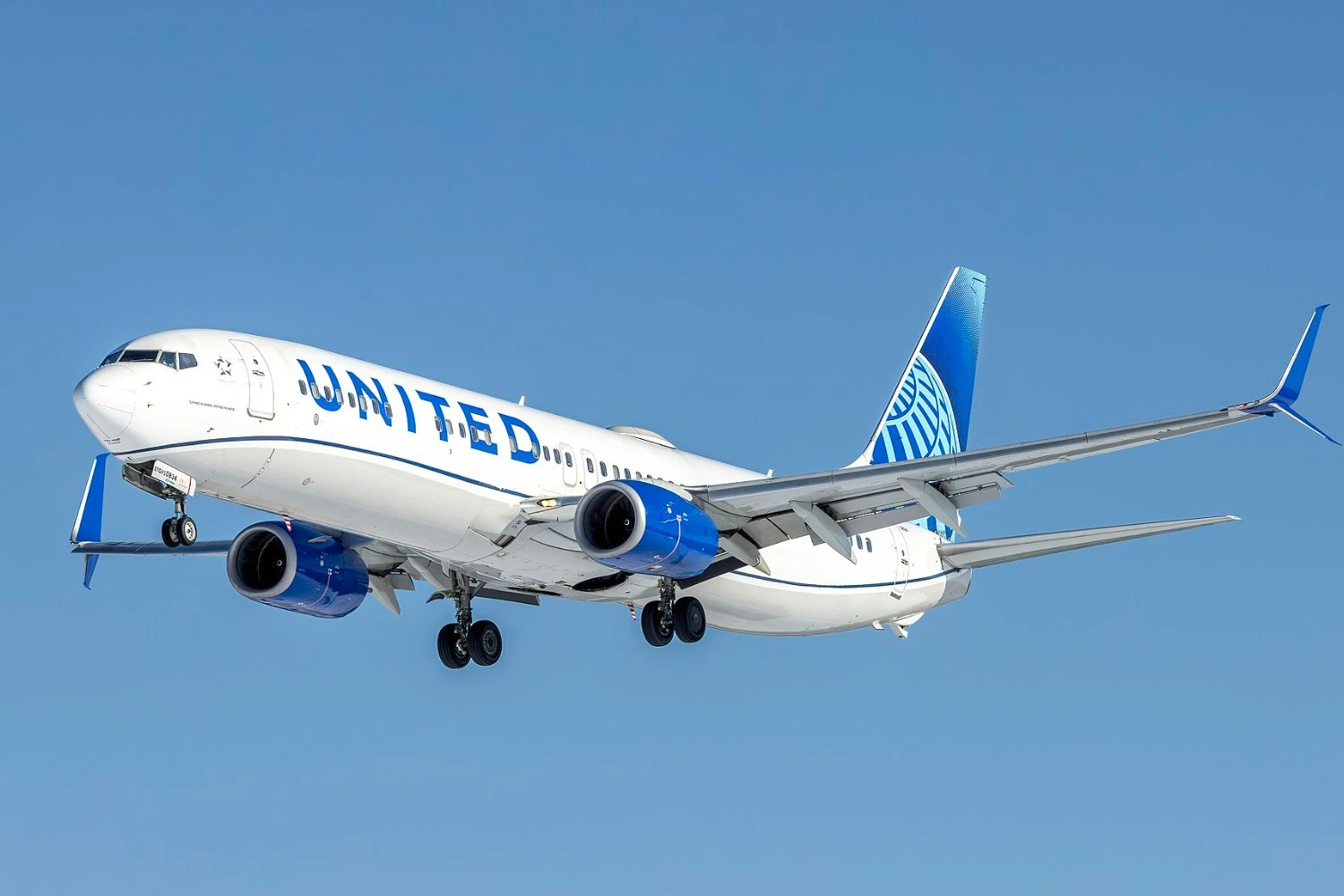
The simulator complex will have four bays and integration space for multi-platform testing and training, allowing the F-47 to be evaluated in scenarios involving other aircraft and systems.
Both installations will contain highly secured areas designed to handle classified and Special Access Program activities.
Additional facilities planned through 2032 include a fuel-system maintenance hangar, a low-observable corrosion-control hangar, a weapons-load training hangar, a consolidated maintenance facility and a maintenance training center.
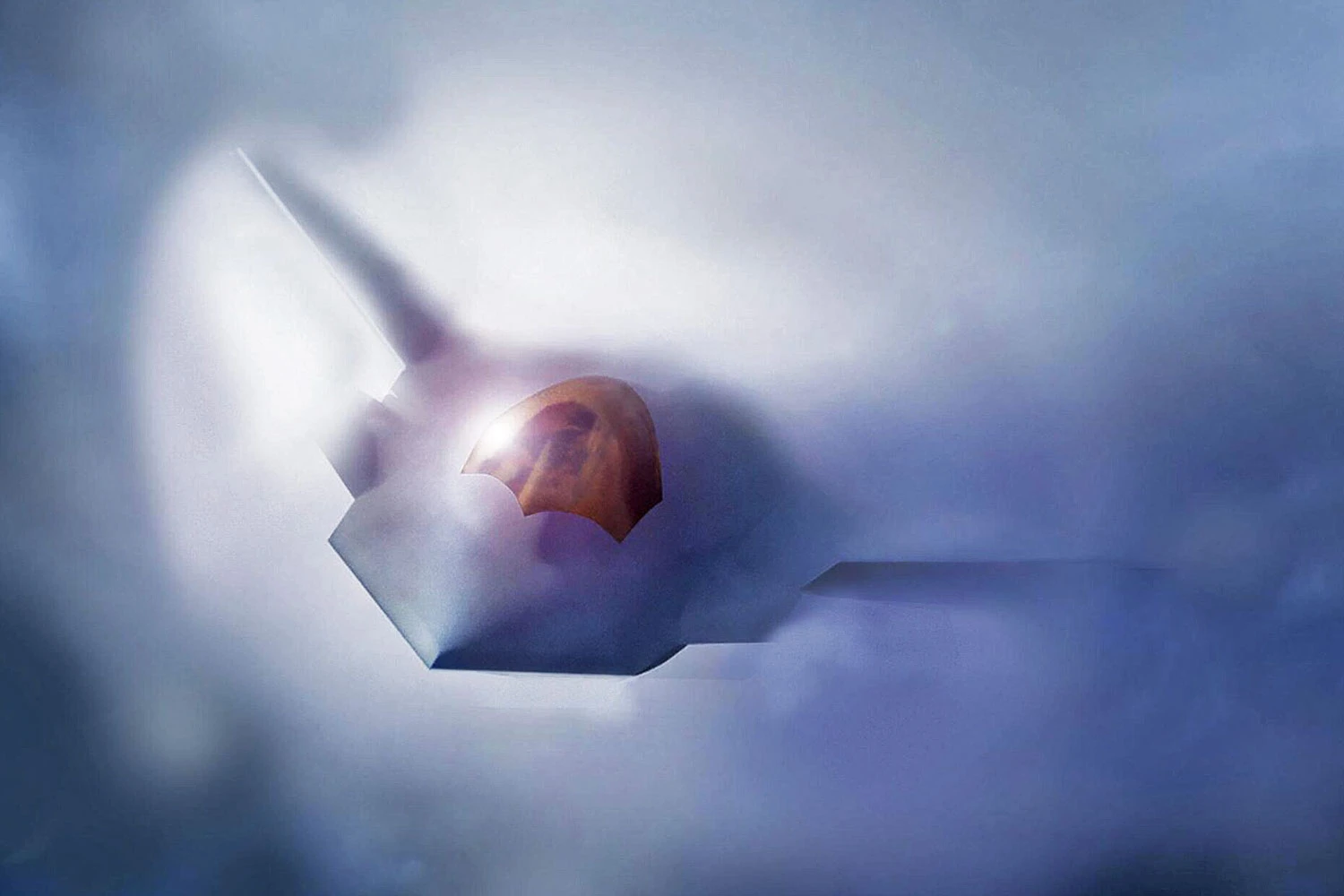
The Air Force had already disclosed in its fiscal year 2027 budget proposal that Nellis would host F-47 operational testing. It requested US$730.7 million for the project during the fiscal year, against a total authorized cost of US$1.057 billion.
Nellis currently performs combined developmental and operational testing of another Boeing fighter, the F-15EX Eagle II.
Infrastructure follows F-47 into production
The construction program adds another element to preparations for the F-47 after Boeing began manufacturing the first aircraft in 2025.
The Air Force selected Boeing in March 2025 for the engineering and manufacturing development phase of the Next Generation Air Dominance fighter program. The aircraft is intended to eventually replace the Lockheed Martin F-22 Raptor.
The first F-47 is expected to fly in 2028. Air Force officials said this year that the program remained on schedule and had reached what they described as an "unprecedented" level of maturity during engineering and manufacturing development.
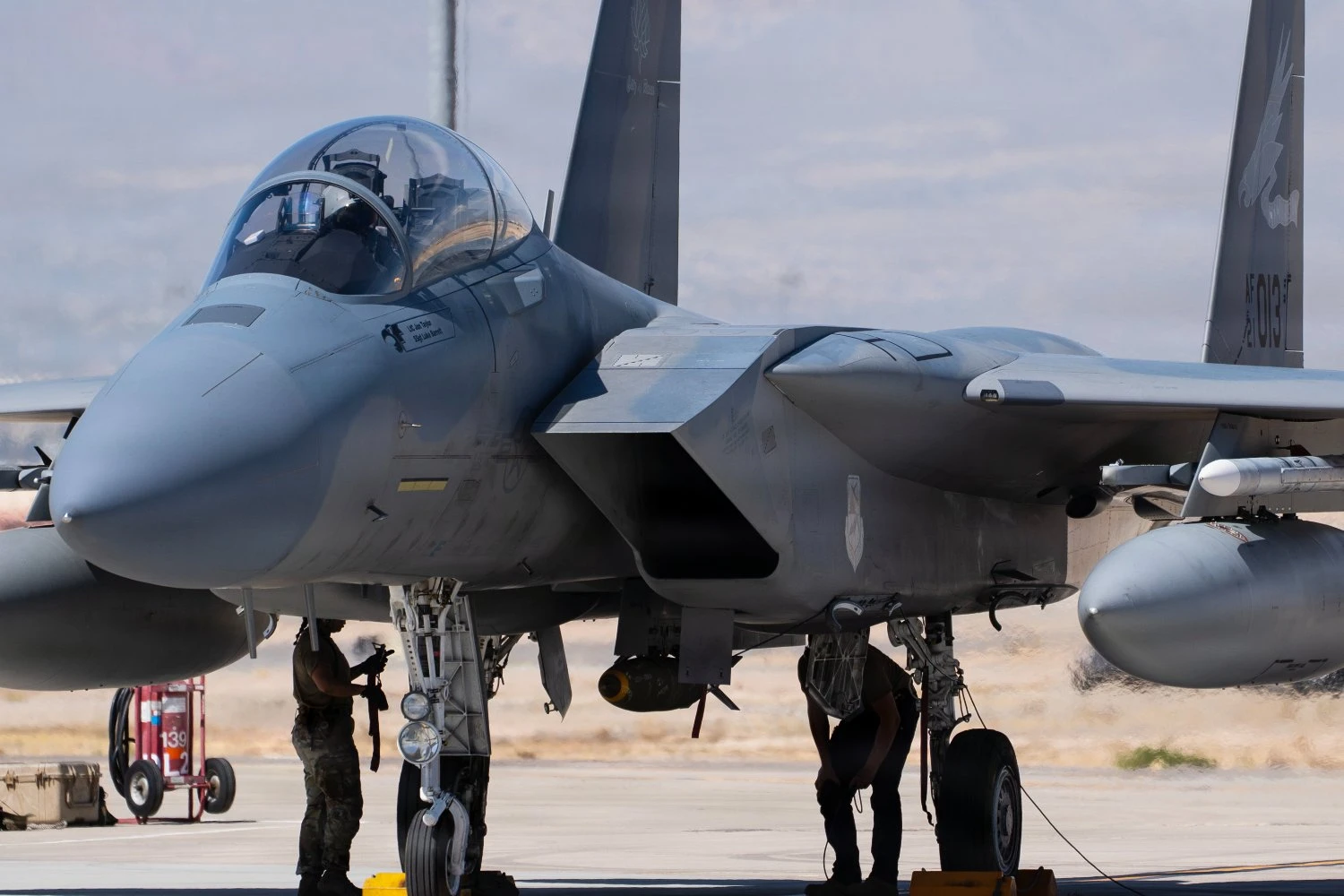
The service is also changing how the new fighter will be evaluated. Air Force Test Center commander Brig. Gen. Mark Massaro said earlier this month that developmental and operational testing will be more closely integrated, with simulation and virtual environments used to accelerate the campaign rather than treating the two phases as largely sequential programs.
That approach makes the simulator and reprogramming facilities at Nellis particularly relevant. The F-47 is being developed not simply as a replacement for the F-22 but as one element of the wider Next Generation Air Dominance architecture, which also includes Collaborative Combat Aircraft, new weapons and networked mission systems.
The Air Force has previously disclosed that the F-47 is expected to exceed Mach 2 and have a combat radius greater than 1,000 nautical miles (1,852 km). The service has indicated a requirement for more than 185 aircraft.
Nellis has been confirmed as the operational test location, but the Air Force has not yet announced the first operational base for the F-47.