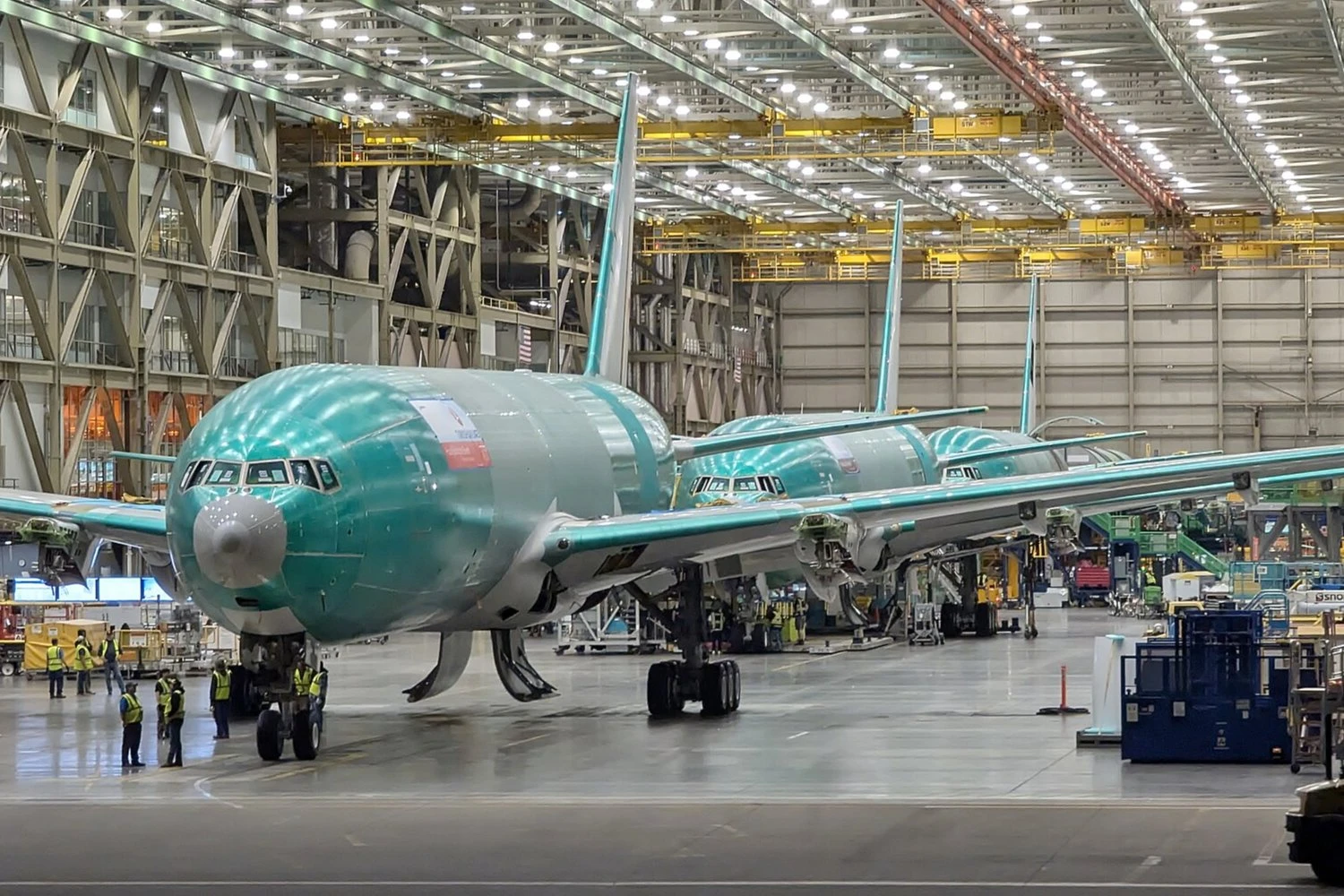
Boeing reduced its net loss to US$116 million in the third quarter of 2026, from US$5.34 billion a year earlier, as the U.S. manufacturer continued its financial recovery and generated cash for a second consecutive quarter.
Revenue reached US$24.2 billion between July and September, up 4% from US$23.3 billion a year earlier. Boeing also reported an operating profit of US$354 million, compared with a US$4.78 billion operating loss in the same period of 2025.
The sharp year-on-year improvement requires some context. Boeing's third-quarter 2025 results included a US$4.9 billion charge related to delays in the 777X program, making last year's loss unusually large. More recently, the company reported a US$428 million net loss in the second quarter of 2026.
Cash tells another part of the story
Boeing also generated US$1.50 billion in cash from its operations during the quarter. After spending US$1.03 billion on factories, equipment and other physical investments, US$464 million remained.
This is what companies call free cash flow: in simplified terms, the cash generated by the business after paying for the investments needed to keep it operating and expanding.
It is different from accounting profit, which is why Boeing could report a US$116 million net loss and still generate US$464 million in free cash flow during the same three months.
It was also the second consecutive quarter in which that figure was positive. Boeing generated US$631 million in free cash flow between April and June after consuming US$1.45 billion during the first quarter.
For the first nine months of 2026 combined, Boeing still consumed US$359 million. That compares with US$2.25 billion consumed during the same period last year, showing how substantially the rate at which cash was leaving the company has declined.
The third-quarter figure also came despite approximately US$700 million in payments related to Boeing's settlement with the U.S. Department of Justice.
Boeing ended September with US$20.7 billion in cash and short-term investments, up from US$20.0 billion three months earlier. Its debt remained unchanged at US$45.9 billion, down from US$54.1 billion at the end of 2025.
Services remain Boeing's most profitable business
A major source of Boeing's earnings continues to come from activities other than building new commercial aircraft.
Boeing Global Services generated US$5.57 billion in revenue during the quarter and US$1.02 billion in operating profit. Its 18.3% operating margin means that roughly 18 cents of every dollar in revenue remained as operating profit.
The division includes activities such as aircraft maintenance and modifications, spare parts, training and other support for commercial and military customers.
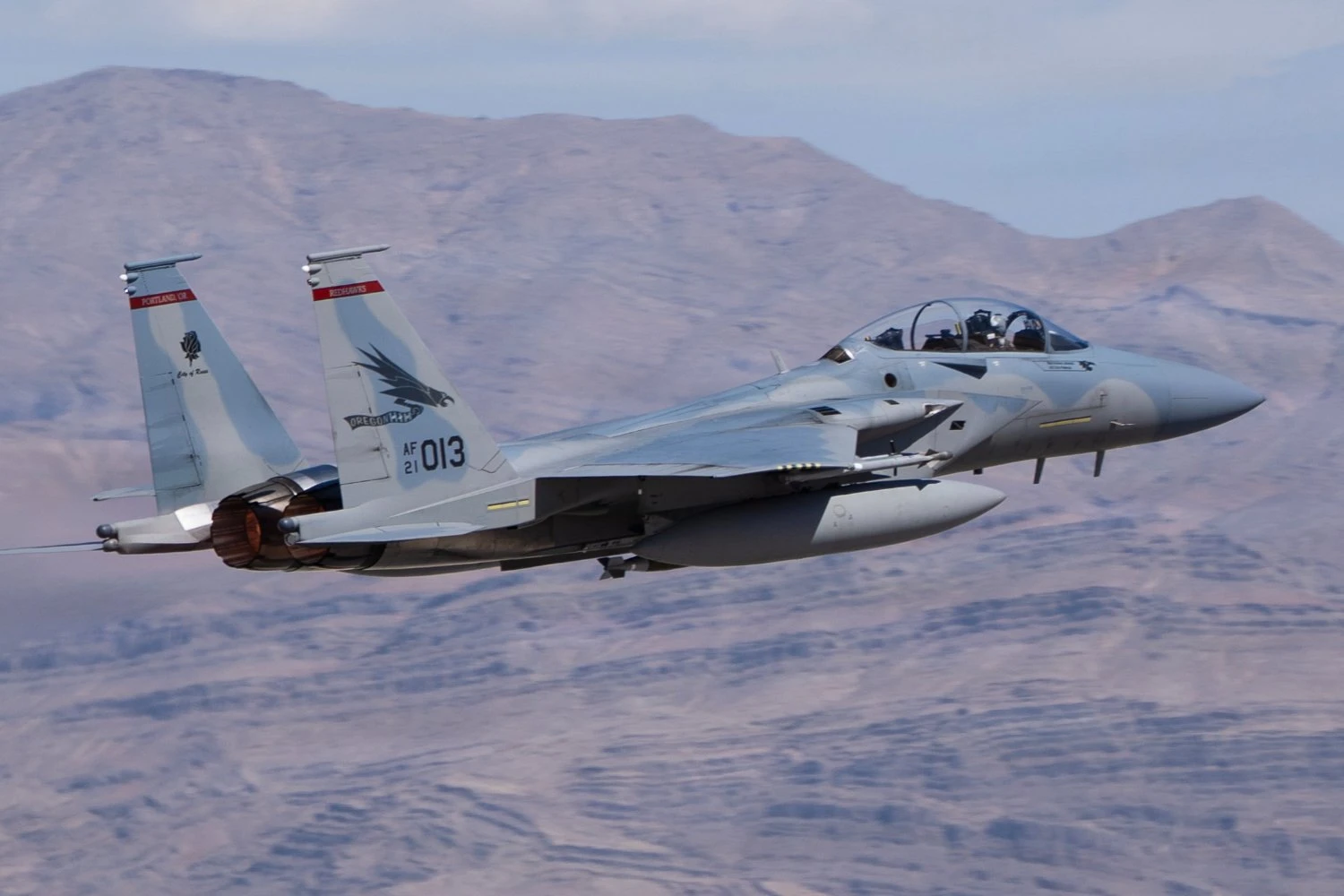
Boeing Defense, Space & Security also returned a profit. Revenue increased 15% to US$7.94 billion and operating profit reached US$492 million, compared with US$114 million a year earlier. The result included a US$252 million gain from the sale of Boeing's stake in HRL Laboratories.
Commercial aircraft remain the weak point
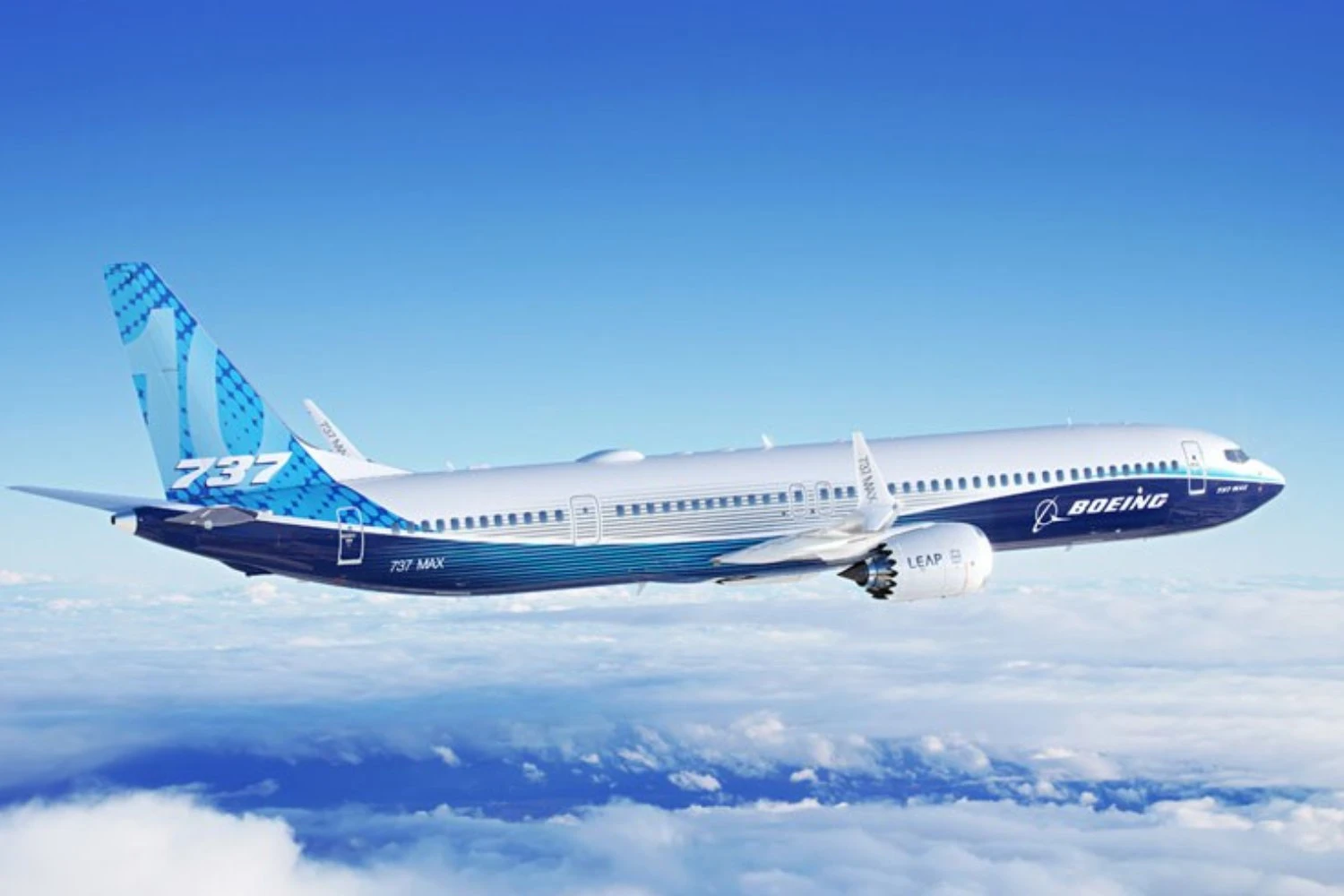
The contrast is substantial at Boeing Commercial Airplanes. The division delivered 161 aircraft during the quarter and generated US$10.72 billion in revenue, but still posted an operating loss of US$697 million.
That business will be examined separately by Air Data News, as its results include changes in production rates, the delivery mix and costs affecting the 737 and 787 programs.
For Boeing as a whole, the value of orders awaiting delivery or completion reached a record US$745 billion at the end of September, up from US$715 billion just three months earlier. More than 6,300 commercial aircraft accounted for US$612 billion of that backlog.
The company's financial recovery has also allowed it to reduce debt. Boeing ended 2025 with US$54.1 billion in debt, which had fallen to US$47.2 billion after the first quarter and US$45.9 billion by June. It remained at that level at the end of September.